By Theresa Siebert
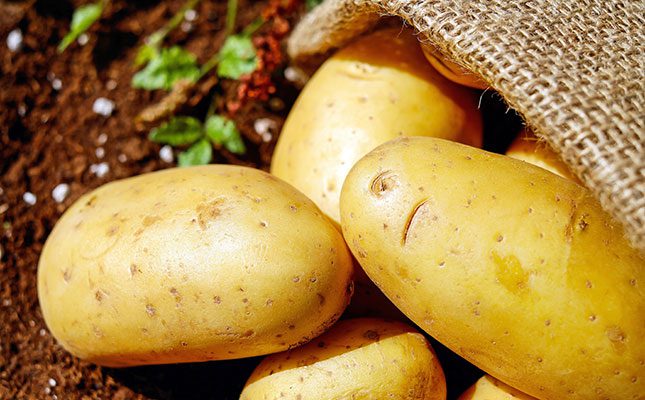
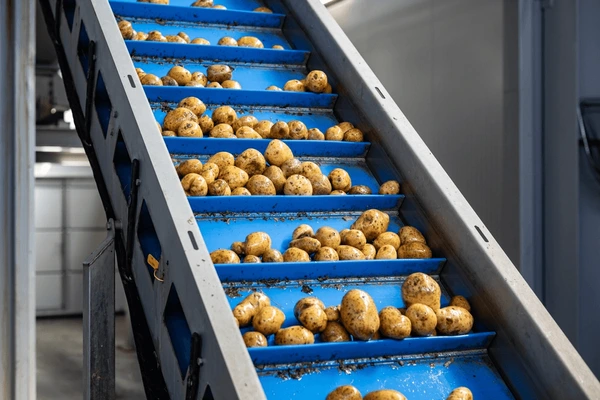
Potatoes are one of the most familiar foods on our plates, yet their true potential goes far beyond what we see at the supermarket or on a menu. In South Africa, only about 10 percent of the total potato crop is processed. Of that, the majority goes into crisps, while a smaller portion is used for frozen products. By comparison, countries like the United States and across Europe process a far greater share of their potato output. This gap raises an important question: are we overlooking a valuable opportunity within South Africa’s agro-processing sector?
More Than Just A Staple
The real strength of potatoes lies in their adaptability.
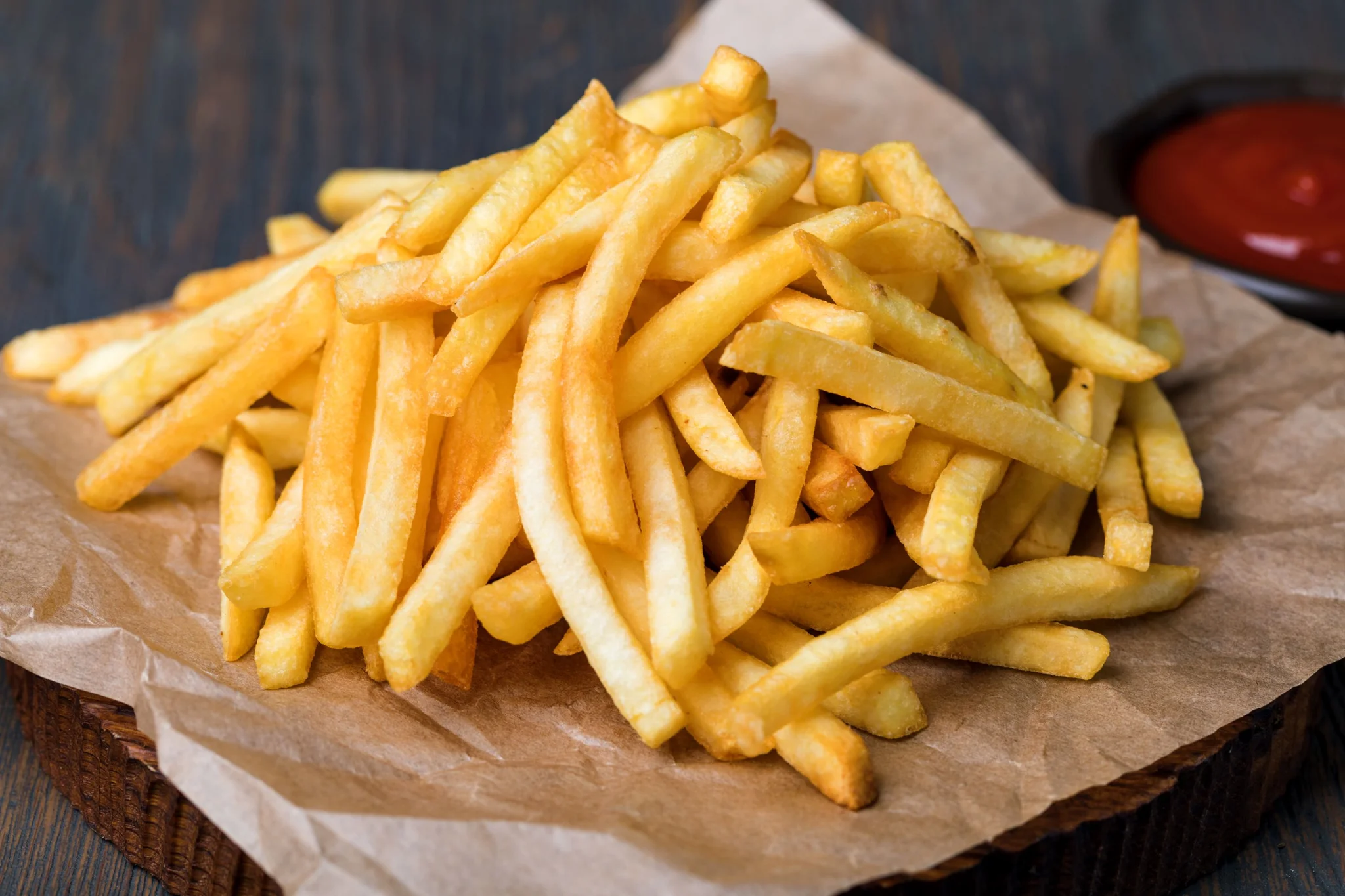
They can be turned into frozen French fries, diced potatoes, hash browns and croquettes, all tailored for convenience and large-scale consumption. Frozen fries, one of the most recognisable products, are partially or fully fried before freezing, making them quick and easy to prepare.
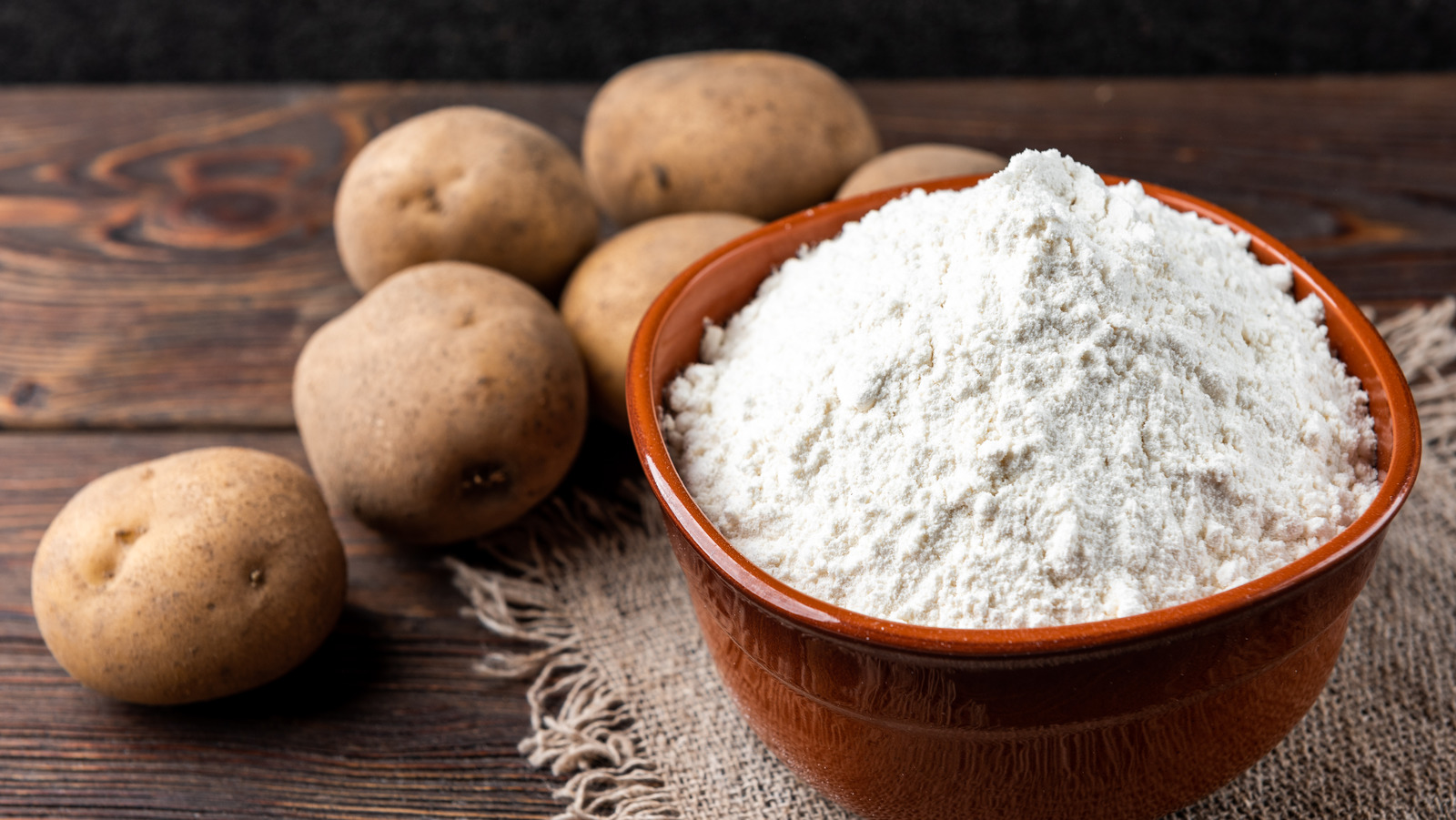
Hash browns and croquettes take this a step further, using offcuts or irregularly shaped potatoes that might otherwise go to waste. These products show how processing can maximise yield while creating entirely new food experiences. Even potato flour plays an important role, particularly in baking, where it helps improve texture and shelf life.
From Waste To Value
One of the most compelling aspects of potato processing is how little goes to waste. Potato starch, extracted during processing, is widely used in the food industry and beyond. At the same time, by-products such as peel and pulp can be redirected into animal feed or used in other applications. This creates a more circular system, where every part of the crop contributes to value creation.
An opportunity for South Africa
South Africa imports significant volumes of starch products each year, despite having the raw material to produce more locally. Expanding potato processing capacity could reduce this reliance on imports while opening up new opportunities for local producers, processors and entrepreneurs.
There is also a strong link to food security. Processed potato products are often more accessible, have longer shelf lives, and can be distributed more efficiently, making them an important part of feeding a growing population.
Looking Ahead
The humble potato may not always be seen as a high-value crop, but its potential tells a different story. With the right investment, innovation and infrastructure, South Africa can unlock new value across the entire potato value chain, from farm to factory to table. In a world where efficiency, sustainability and affordability matter more than ever, the potato stands out as a crop that can quietly deliver all three.
ARC- Natural Resources and Engineering