By Ntambo Moloi-Mabuza
To Egon Zunckel, or Oom Zunckel, regenerative farming is as timeless as nature’s way. It is about working with nature rather than against it, trusting the unhurried rhythms of seasons, death, decay and rebirth.
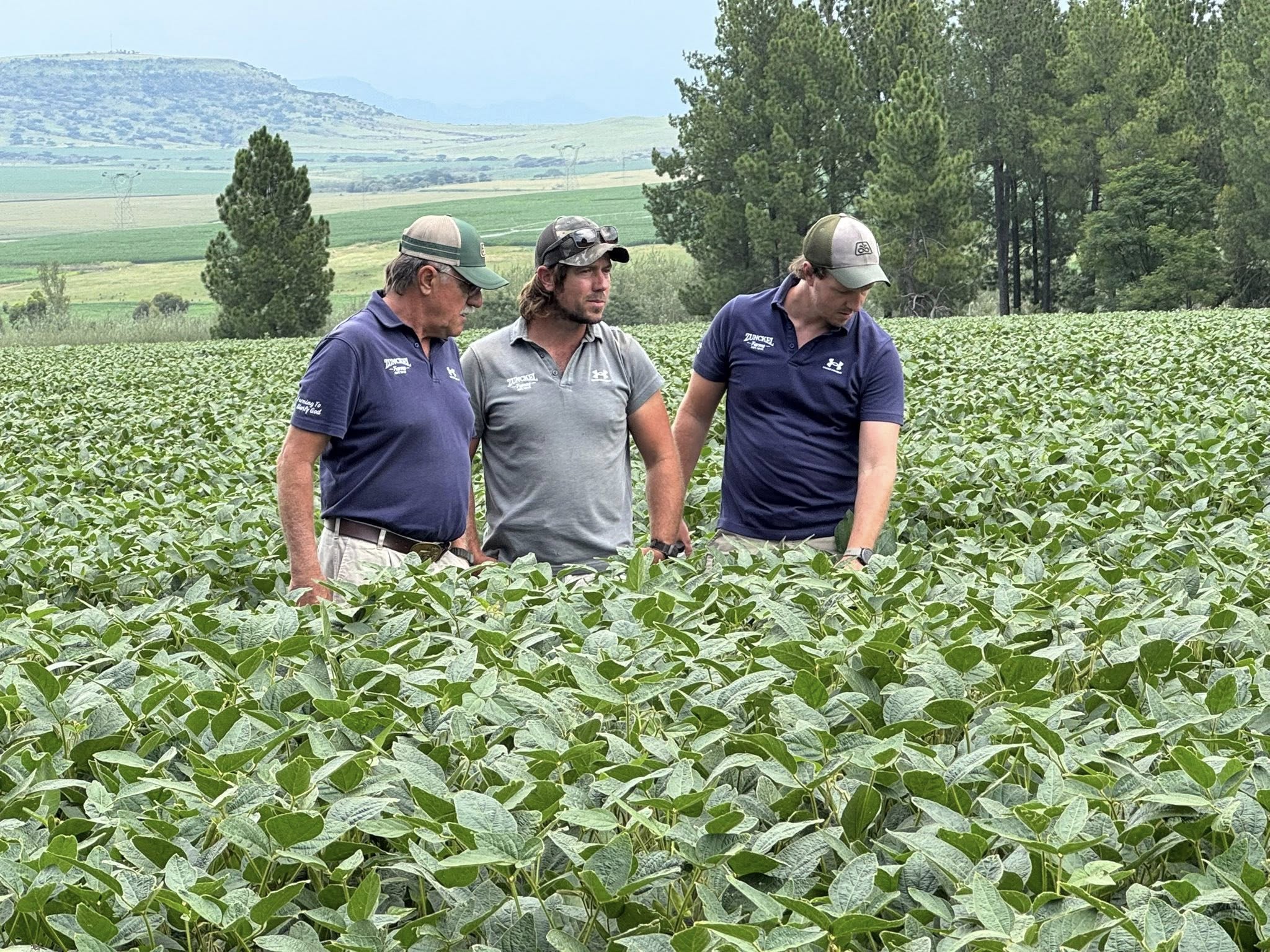
Several hours from the rat race of the City of Tshwane lies the tranquillity of the Zunckels’ old farmhouse. Antique décor, family memorabilia and the scent of homemade snacks drifting across the stoep overlooking expansive soya fields lend the idea of regenerative farming a certain romance.
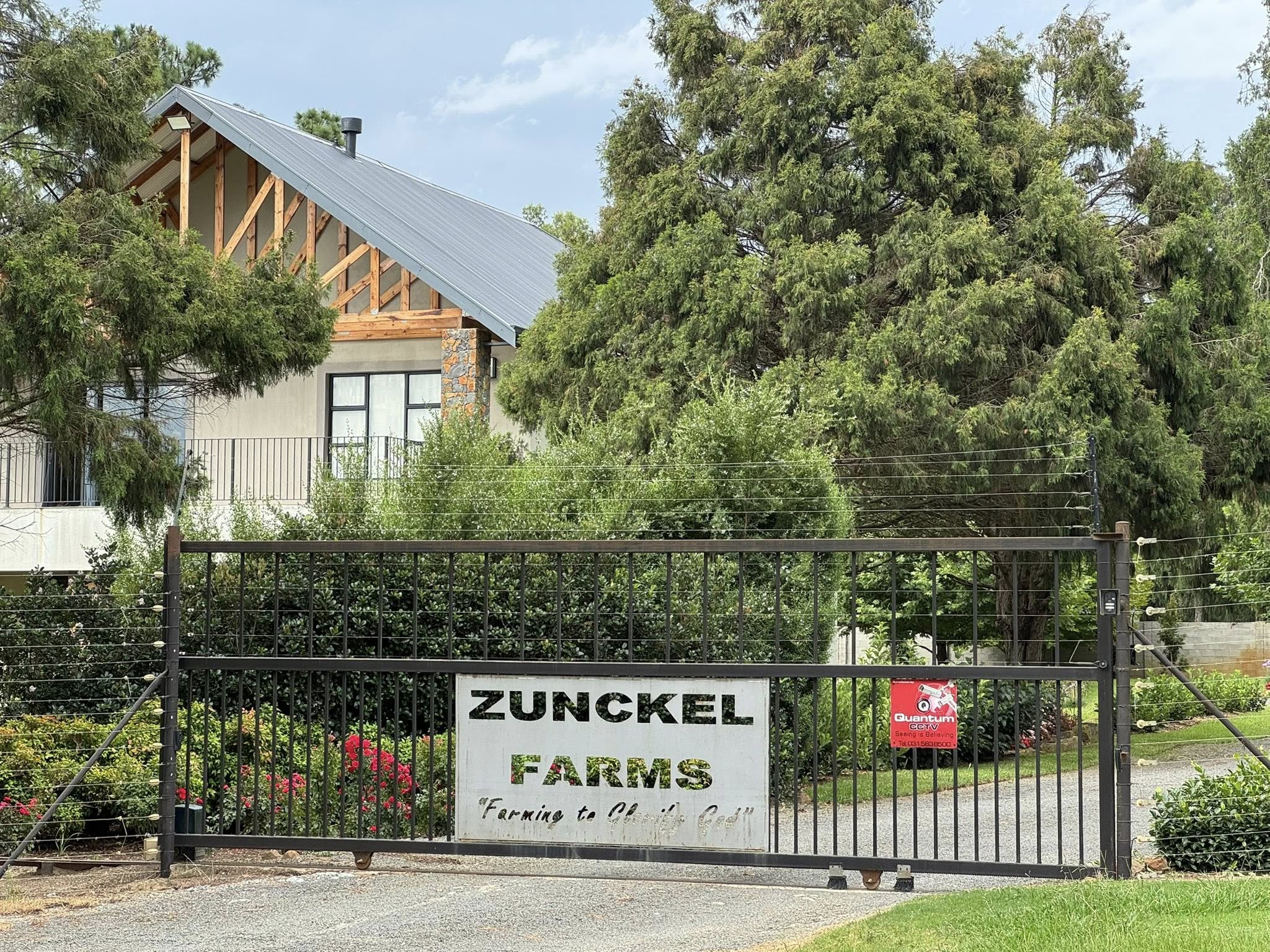
Ironically, it is precisely this romanticism that fuels debate about whether regenerative agriculture can work at an industrial scale. Named Agricultural Writers SA KZN Farmer of the Year 2024, the Zunckel family offers a case study that weighs heavily in that debate. Theirs is a story of faith, falling fortunes and redemption stretching back to the 1800s.
A Farming Dynasty
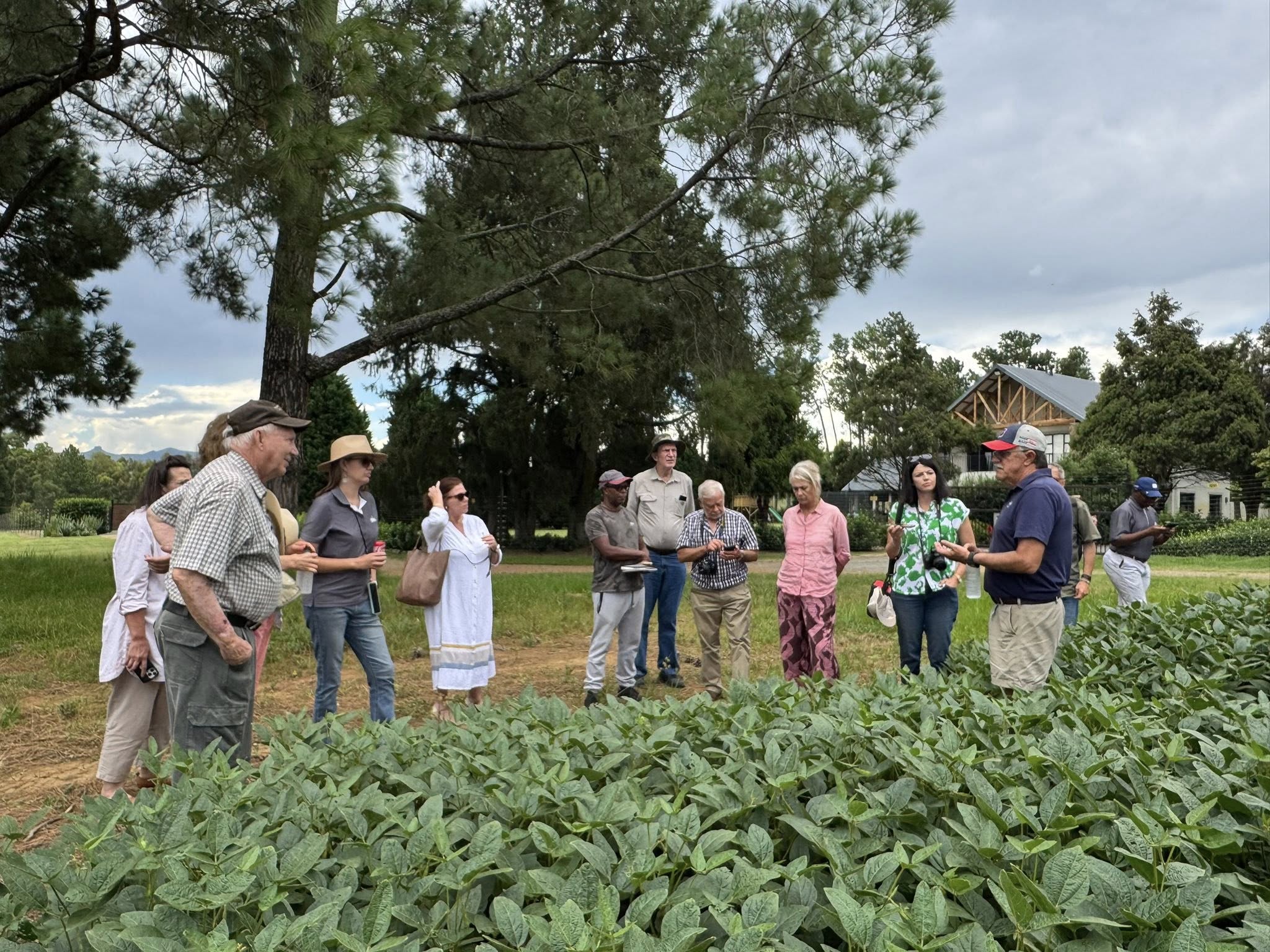
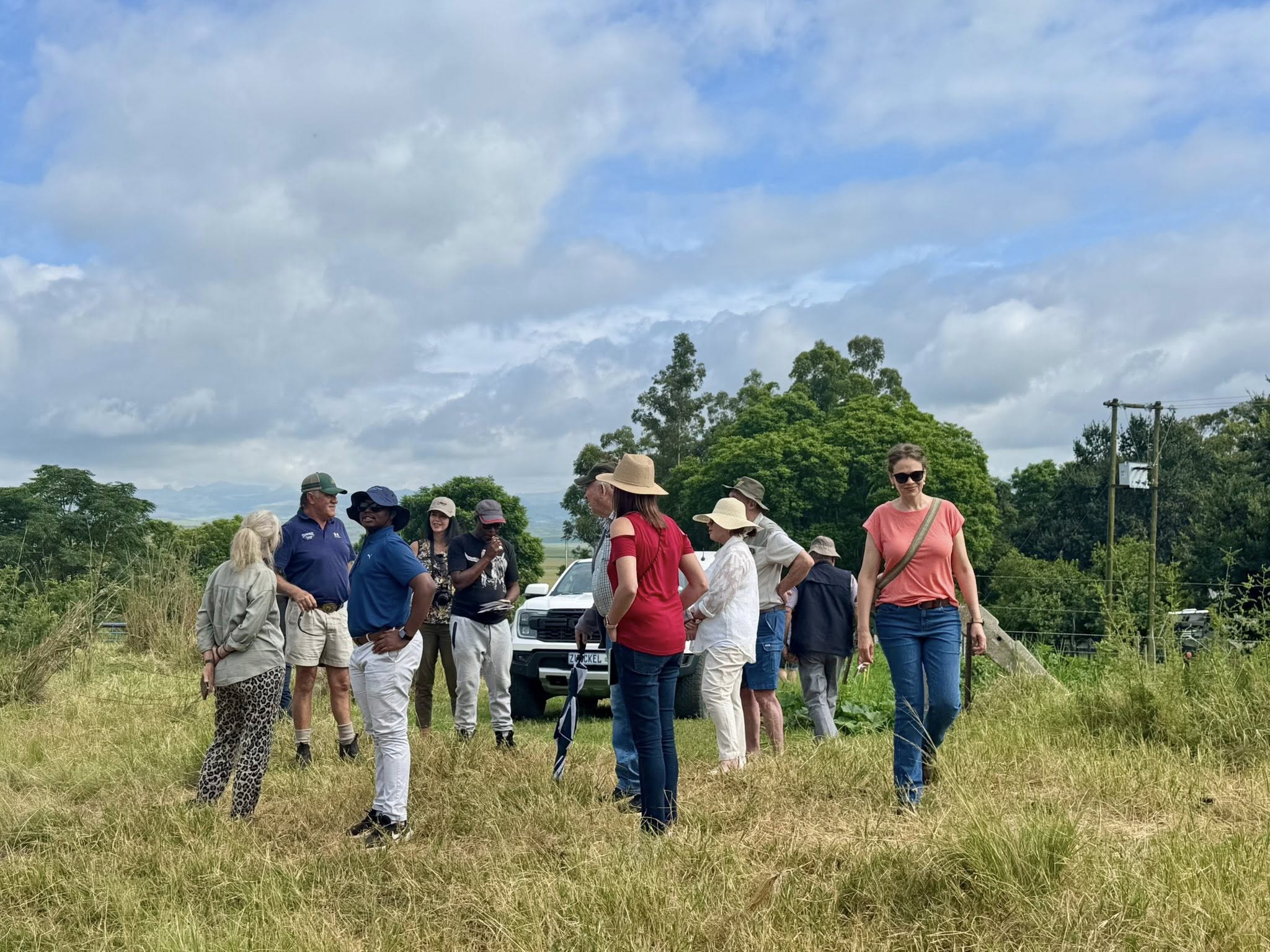
An evangelical and passionate storyteller, Oom Zunckel rarely resists recounting his life story to visitors. The audience is rarely lacking. Devotees, sceptics and curious observers regularly descend on the family farm in the foothills of the Drakensberg near Bergville in northern KwaZulu-Natal.
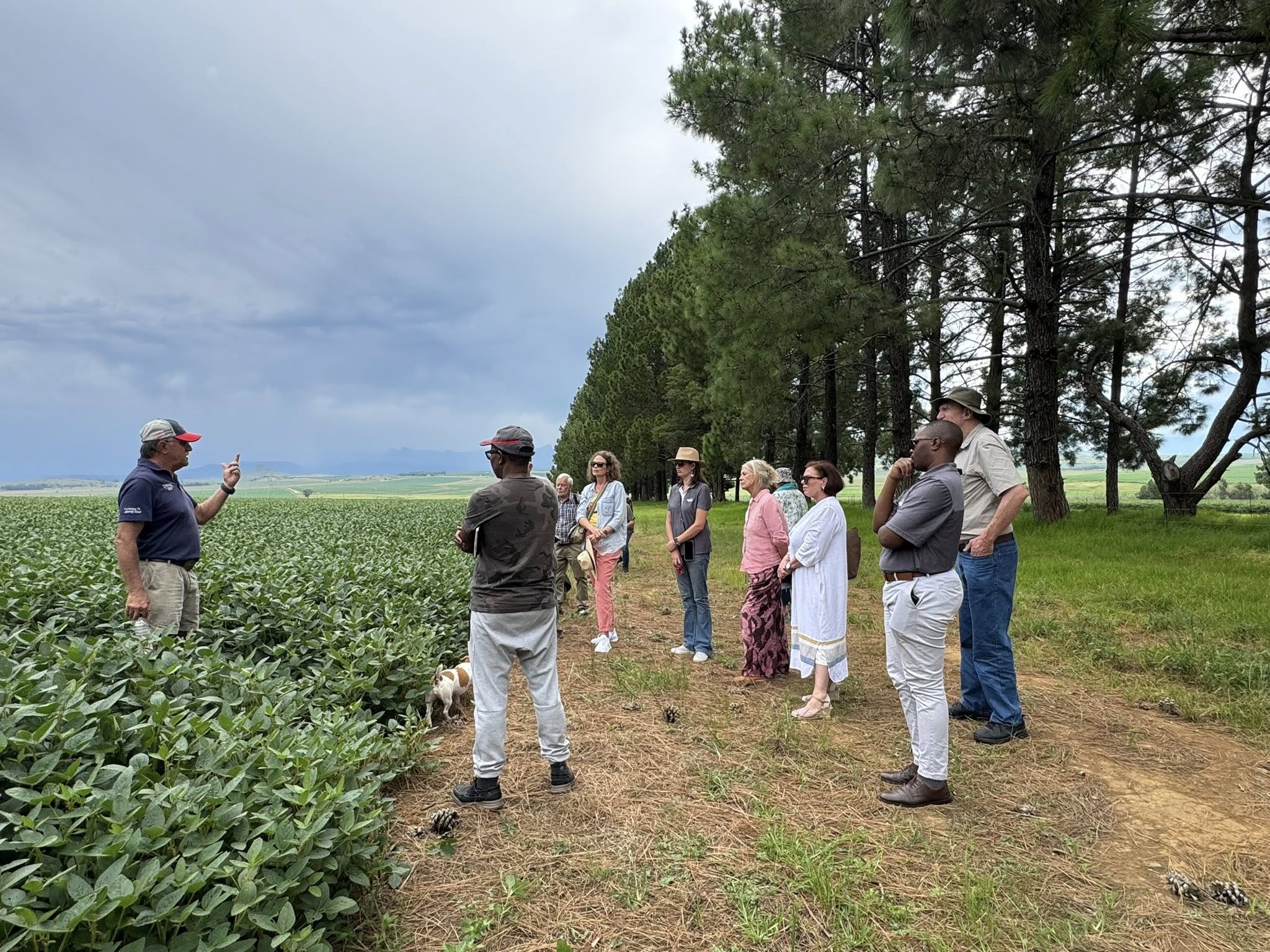
The uThukela District, where Bergville lies, borders the Free State. In Warden, the family runs another operation focused largely on cattle breeding.
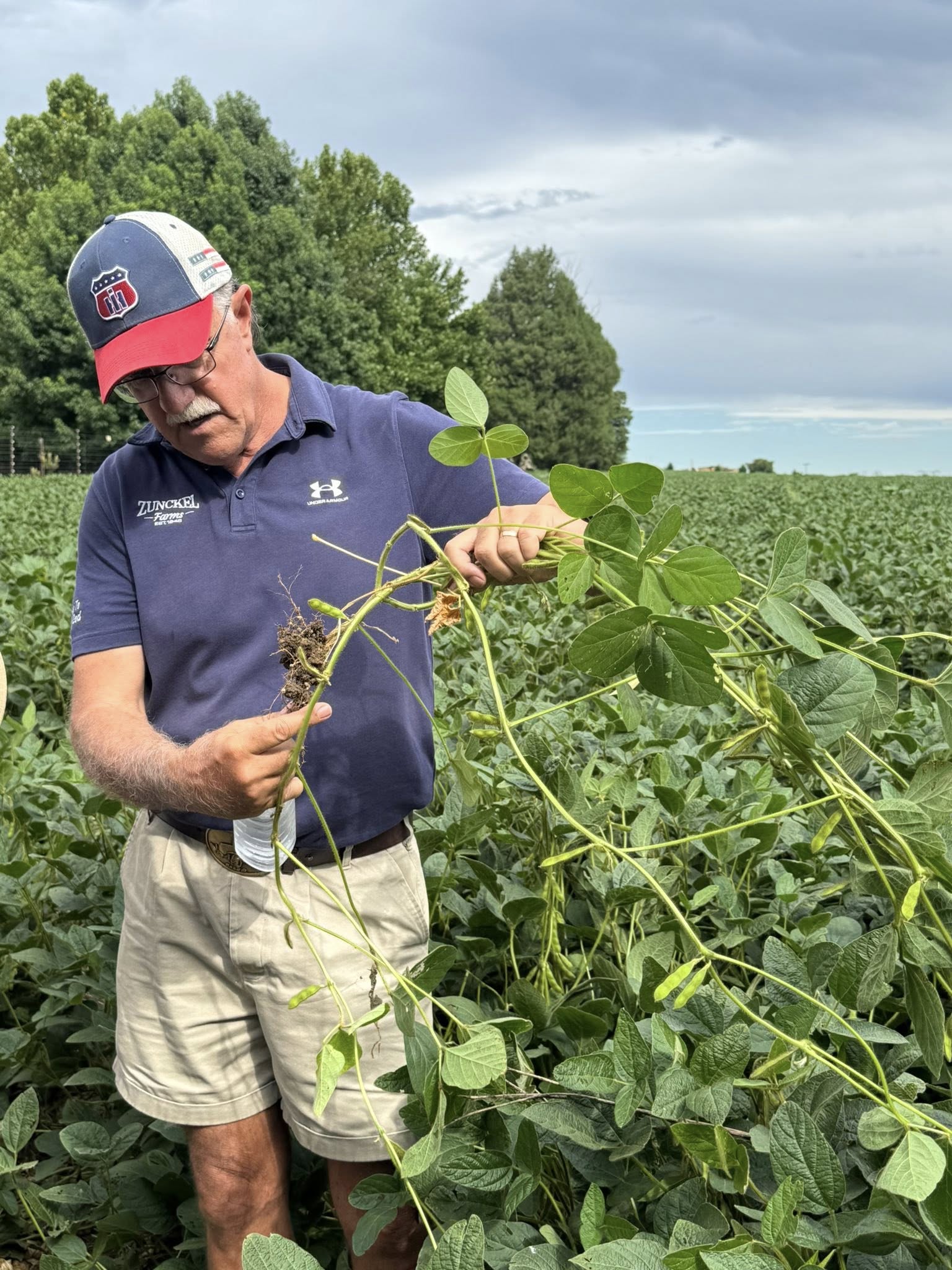
Oom Zunckel is a fourth-generation farmer. The family’s roots trace back to the Berlin Mission Society’s evangelical work in KwaZulu-Natal in the mid-1800s. “The first uncles came to South Africa in 1845 with the German mission. Typical Germans, they came well equipped, with farmers and artisans and pastors and medical people. I suppose our branch was the farmers,” he recalls. Earlier generations built a respected farming enterprise known well beyond the Drakensberg for its expertise and prosperity.
On the Brink
By the time Oom Zunckel was born, his father was 56 and heir to the family business. Though raised in rural affluence, the enterprise was already showing signs of strain. Farms were leased out or sold off piece by piece. Equipment lay idle. Land stood fallow.As a child, he remained unaware of the anxiety among the adults. It was only in high school and early adulthood that he realised, as he puts it, “there’s a problem here”.
“Everybody thought we were rich because there was a history of good farming, lots of land and Mercedes cars. It turned out we were on the skids.” His father had largely stepped back from active farming. Even the top-performing dairy operation run with determination by Oom Zunckel’s mother could not reverse the decline. Under closer financial scrutiny, the dairy’s apparent success proved far less impressive.
Replacing the dairy herd with beef cattle was the first of several difficult decisions he would make after taking over. “I was thrown in at the deep end,” he says.
He had grown up immersed in farming and benefited from school-level agricultural education rooted in the region’s practical knowledge. Yet the task before him amounted to starting again.
At the point he joined the business, the farm was close to liquidation. He bought it back through a 25-year Land Bank loan. The loan provided breathing room, but recovery required more than capital.
His first crop was a total failure. The farm lies within the Drakensberg hail belt, and hail damage combined with the drought of the 1980s ruined production. At the time, he blamed the weather. With hindsight, he accepts that his own discipline was lacking.
Every Friday evening at six, he would leave the farm for a local hotel where a pig’s head was slaughtered weekly, followed by partying into the early hours. Alcohol-fuelled fatigue left him ill-equipped to manage mounting pressures. A dam under construction burst because of poor workmanship and was completed only on the third attempt. A contractor sued him. A second-hand combine harvester suffered three engine failures in three years, each overhaul compounding financial strain.
“Nothing was working,” he recalls.
Now a devout Christian, he reflects that the period forced him to confront his limits.
“I wouldn’t need Him if I was successful from the start,” he says.
It was during this period of failure and uncertainty that an idea, first planted by a friend returning from Brazil, began to take root. The solution to the family’s survival, he would later discover, lay not in working the soil harder, but in disturbing it less.
Introducing Regenerative Farming
Despite fresh capital and long hours, the early years of conventional cropping delivered disappointing results. After heavy rains, Oom Zunckel says, “the soil looked like a concrete floor”. Compaction restricted water infiltration and caused runoff rather than absorption.
Although aware of regenerative farming principles, he initially pursued what he calls a conservation approach. For four years, the land was chisel ploughed to break compaction and allow the soil to breathe.
In the second season, the farm entered the KZN 10-Ton Maize Club to benchmark performance, even though he doubted they could compete. Two years later, one field unexpectedly produced a maize yield exceeding the 10-ton benchmark by two tons.
“We were scratching our heads trying to figure out what had happened,” he says.
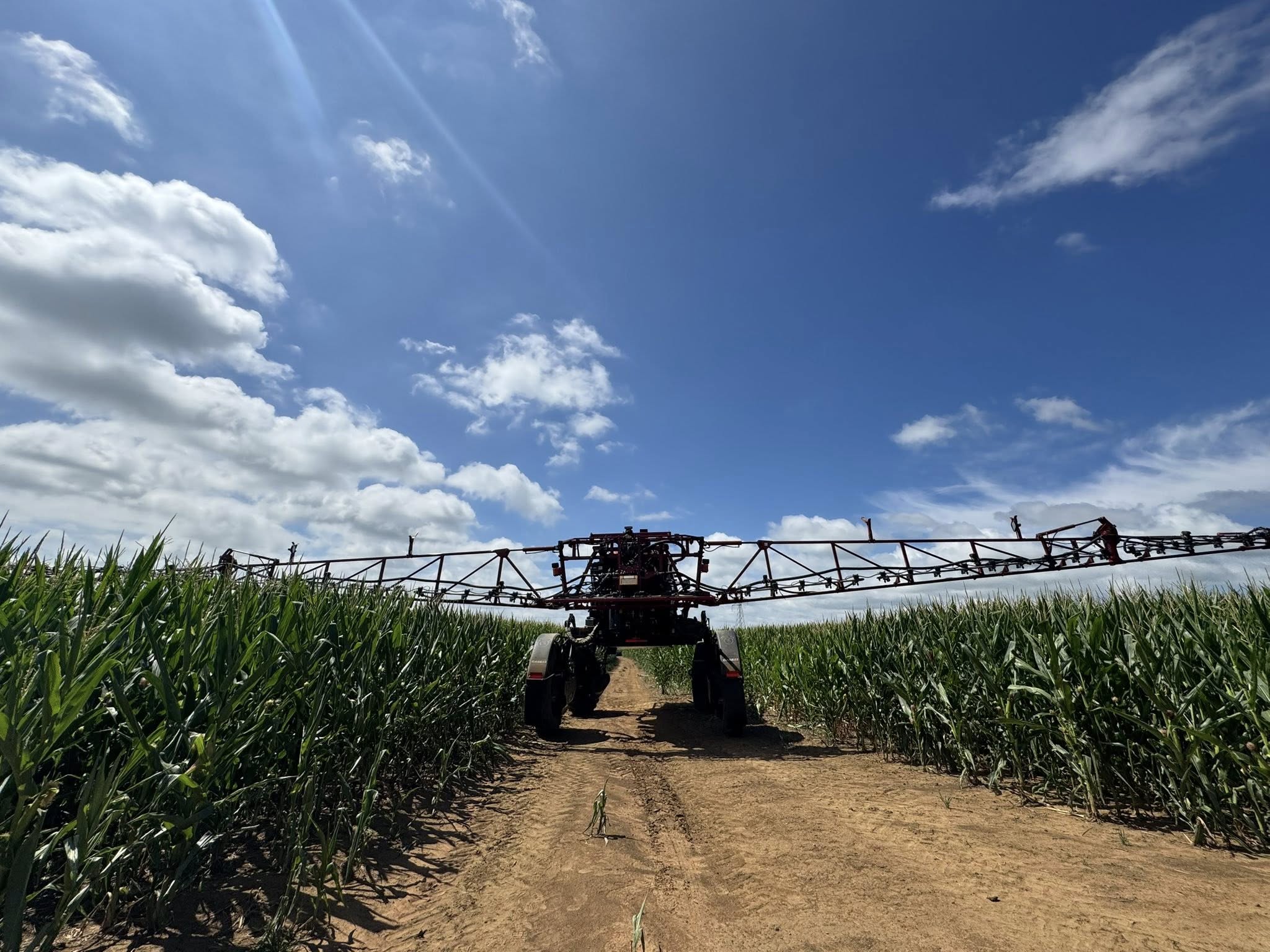
The answer lay in an unintentional experiment. On one field, maize had been planted conventionally, with neatly worked soil and cleared residue. On another, pressed for time, the team planted without removing the wheat residue from the previous harvest.
Without realising it, they had met two key principles of regenerative farming: soil cover and minimal disturbance. Reduced compaction improved water infiltration and soil health, which translated into higher yields.
Working backwards from the unexpected result led them fully into the regenerative system his friend had described.
In simple terms, Oom Zunckel explains, regenerative farming seeks to emulate natural systems. Core principles include no-till practices, limited use of synthetic fertilisers, herbicides and pesticides, and greater biodiversity through varied cover crops rather than monoculture.
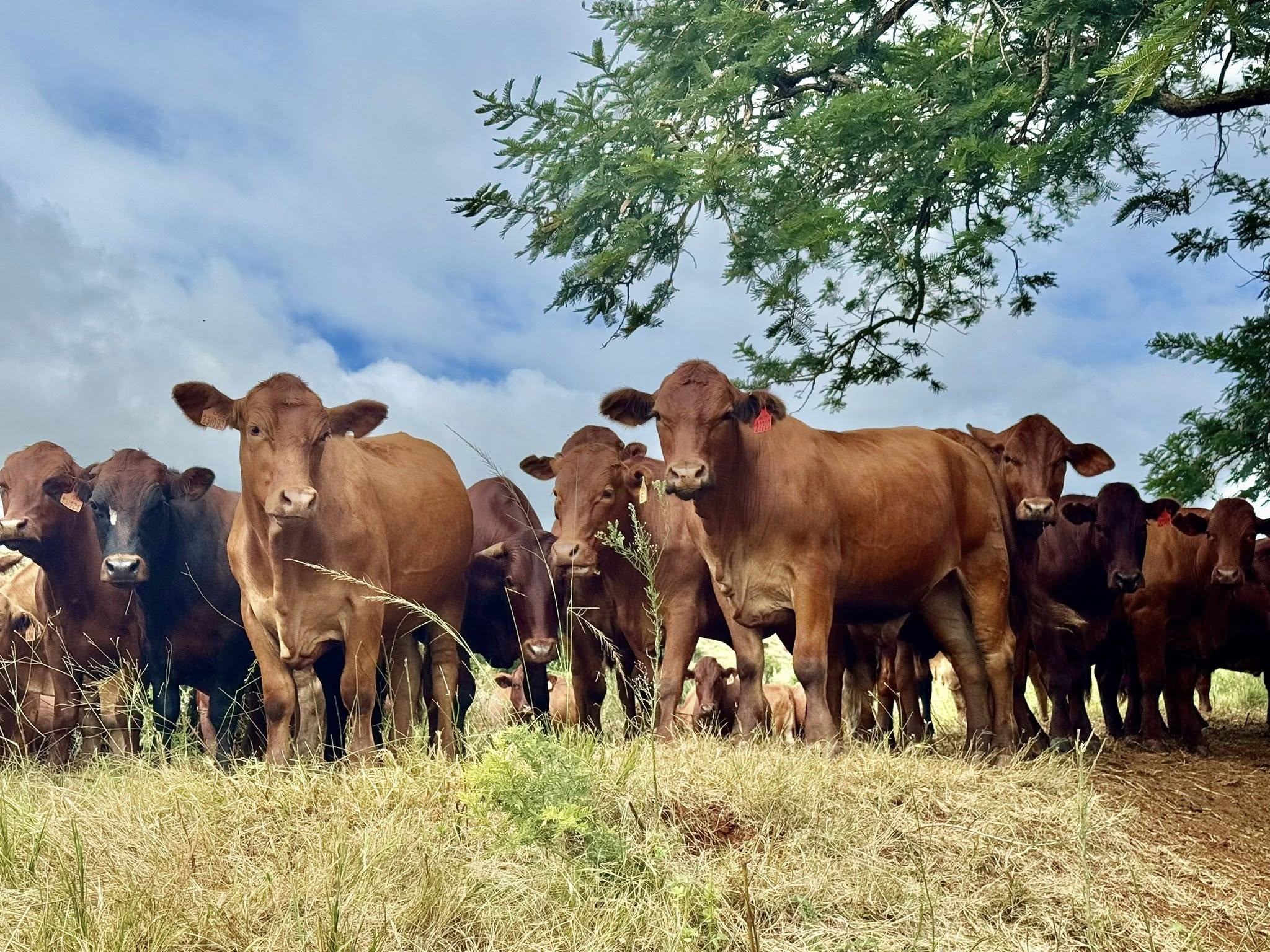
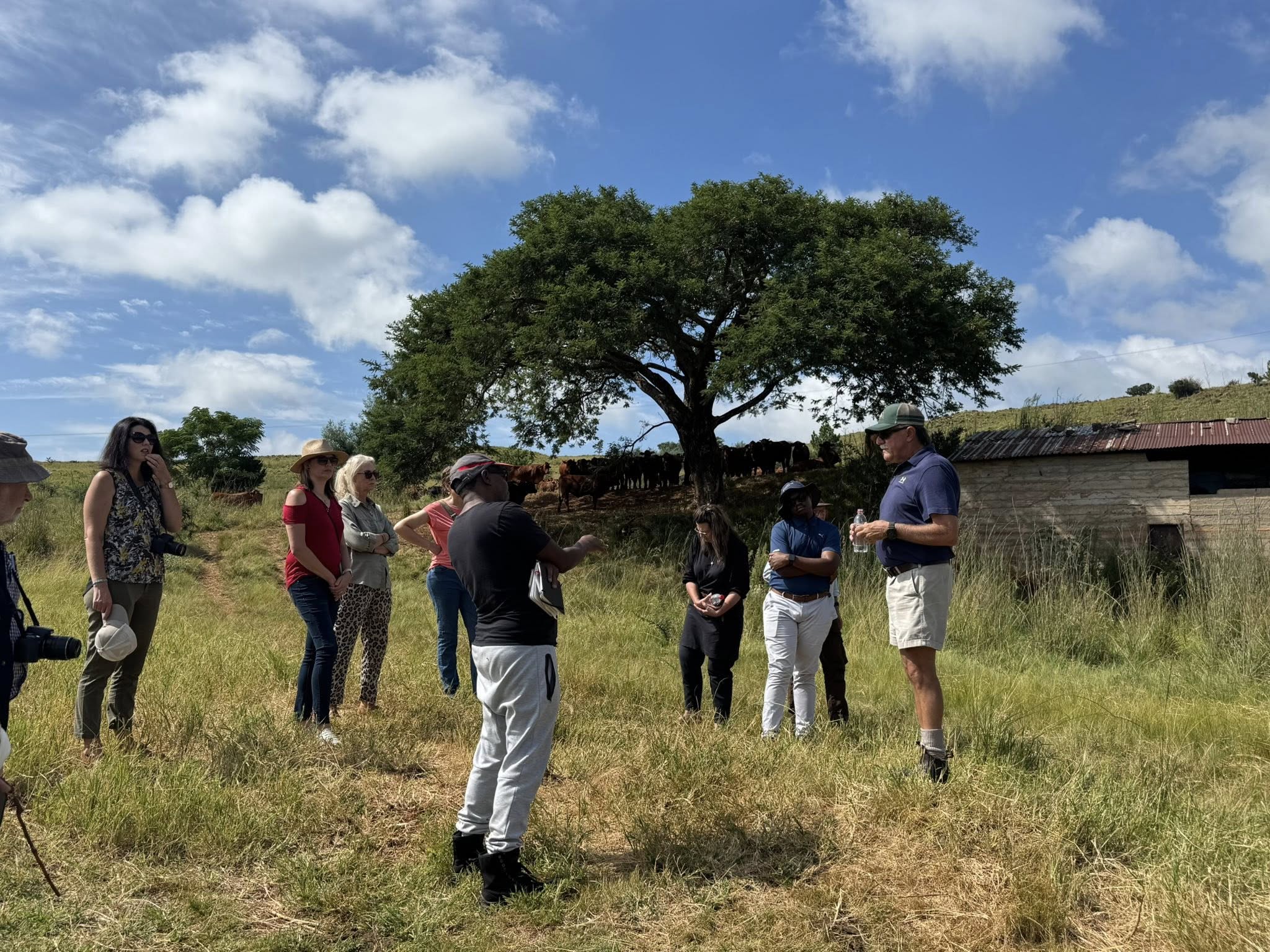
The Zunckel operation has also integrated cattle into the cropping system. Grazing stimulates plant regrowth, which pushes sugars into the soil through root systems. These feed soil microbes that cycle nutrients essential for long-term soil health.
Like prominent American no-till advocate Gabe Brown, who chronicled his own transition in Dirt to Soil: One Family’s Journey into Regenerative Agriculture, Oom Zunckel reached regenerative farming after conventional approaches failed to deliver sustainable returns.
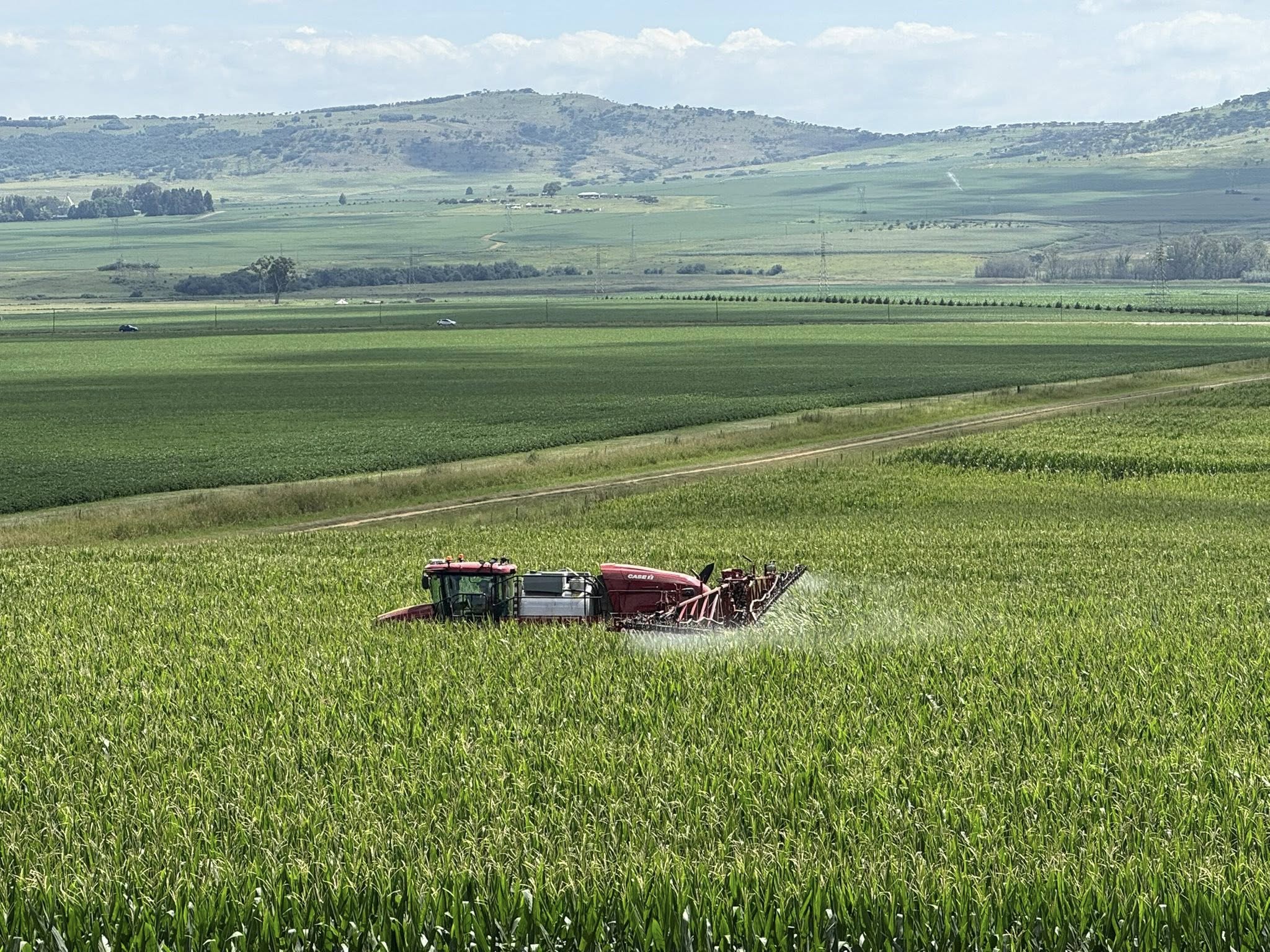
Today, farming alongside his two sons, Tyson and Carl, he points to tangible results. Maize yields of up to 16 tonnes per hectare speak to improved soil structure and system resilience.
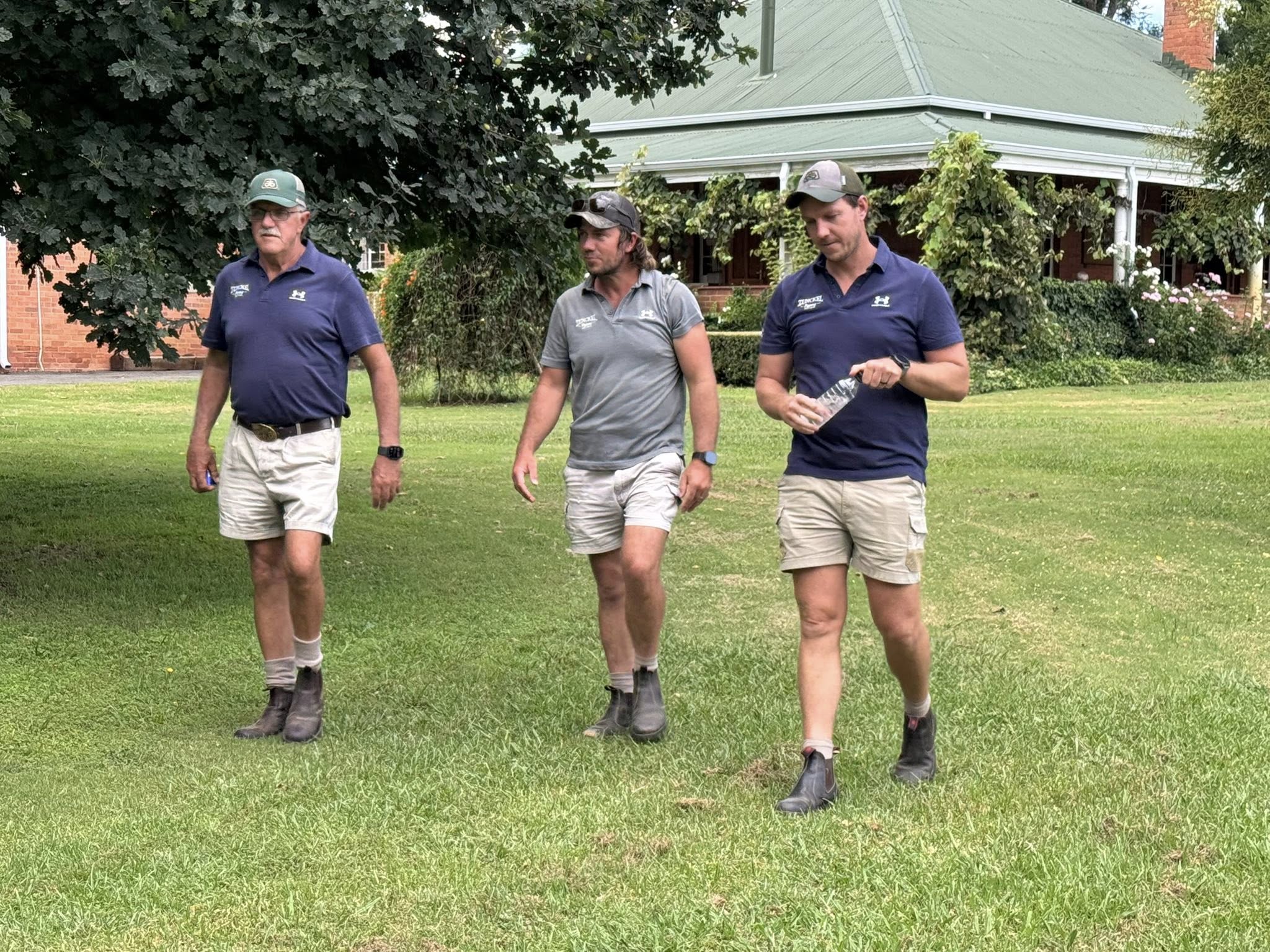
A guided tour of the farm suggests that the once-faltering dynasty has regained stability. The integration of faith, persistence and agronomic adjustment has reshaped the enterprise.
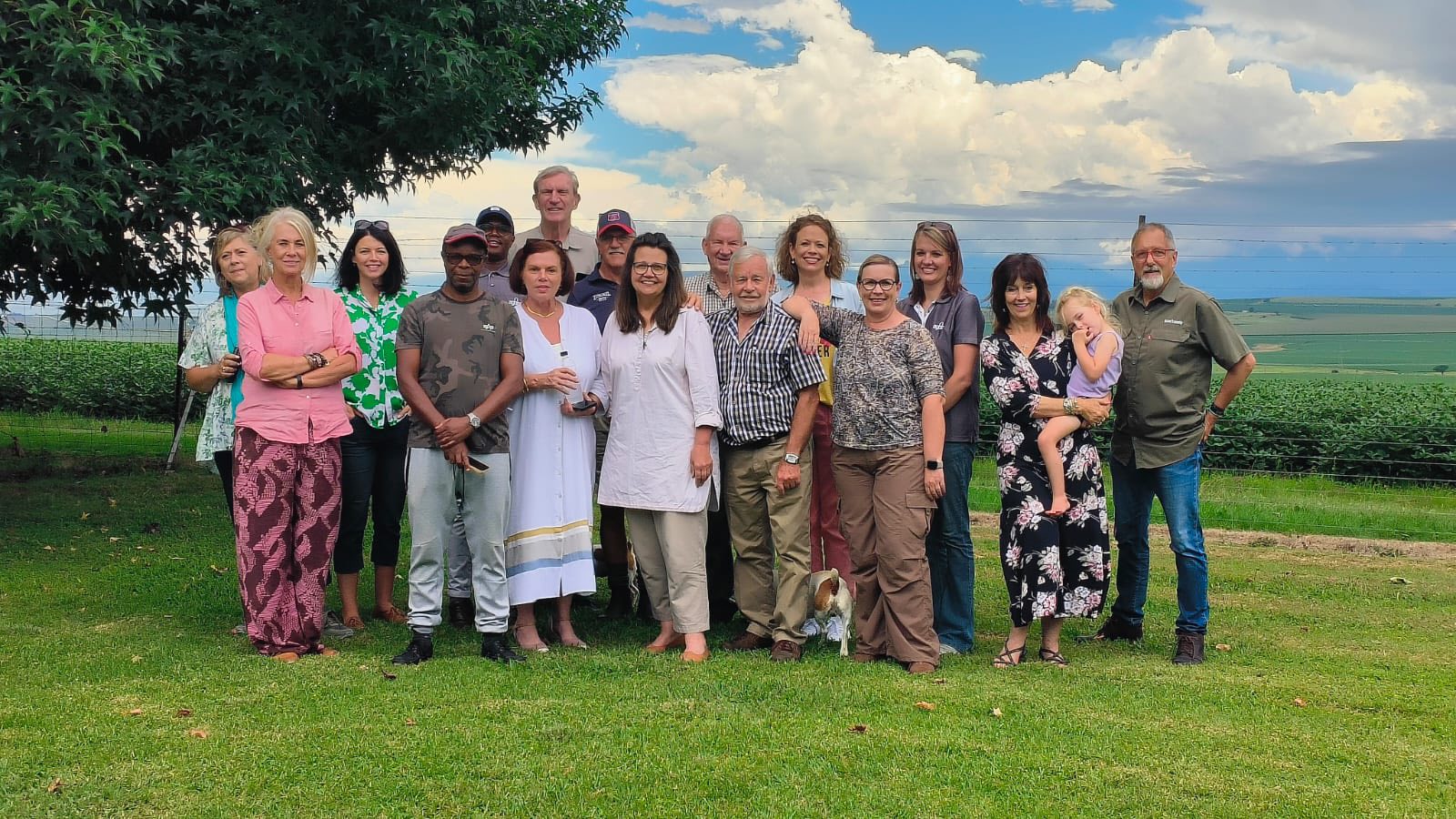
On these foothills of the Drakensberg, the question of whether to till or not to till is no longer theoretical. For the Zunckels, it has become practical, measurable and generational.