Dr Ennet Moholisa
Numbers can be powerful when they reveal something unexpected
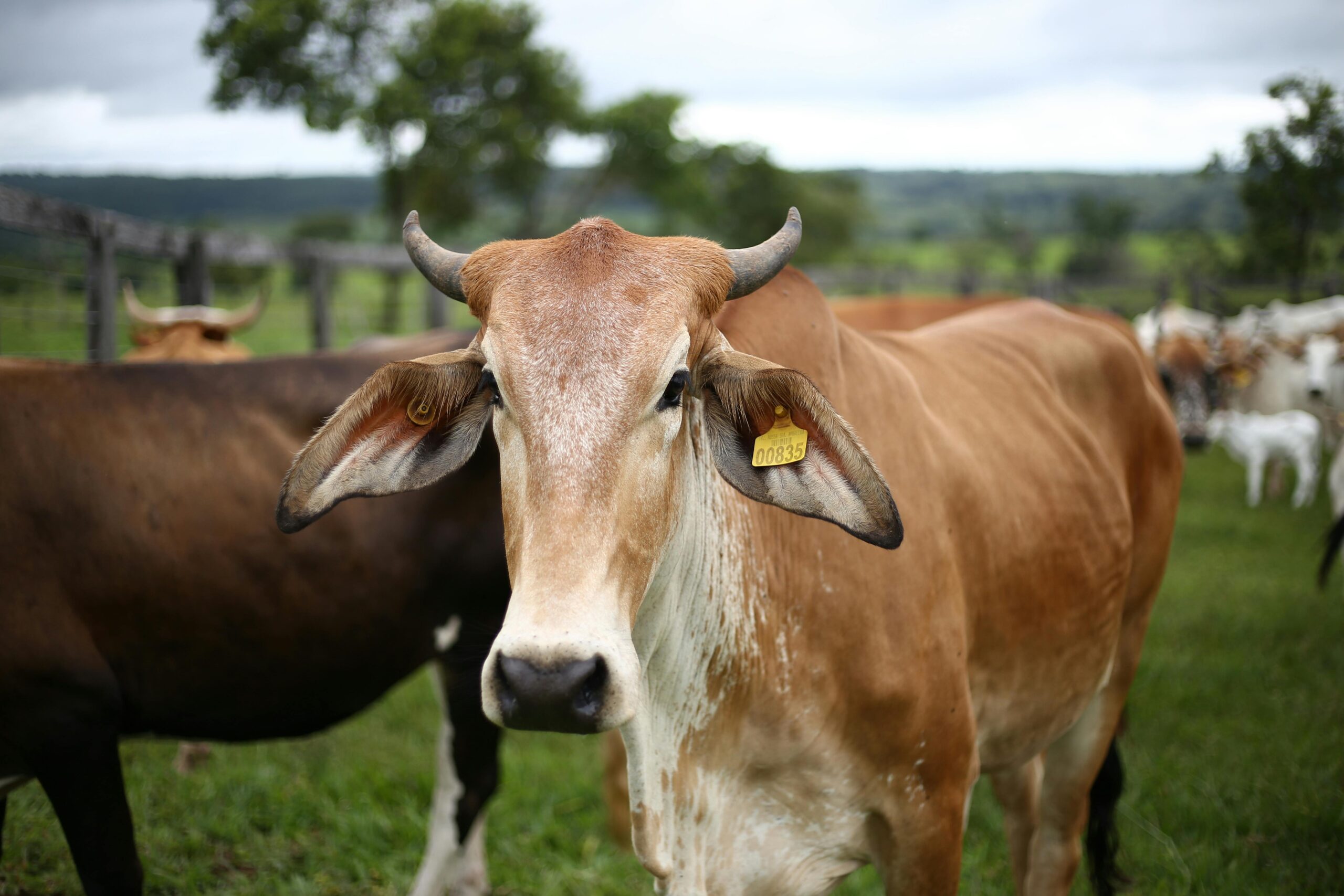
Beef is the second-fastest growing commodity in South Africa’s agricultural sector. In 2024 alone, approximately 2.8 million cattle were slaughtered, the highest figure recorded in six years.
But this raises an important question: what happens to the blood from these cattle? South Africa produces slaughterhouse blood in significant volumes, yet much of it remains underutilised. In some abattoirs, blood is processed into animal feed such as bone meal. In others, it is treated as waste and disposed of by burial or sprayed onto fields as fertiliser.
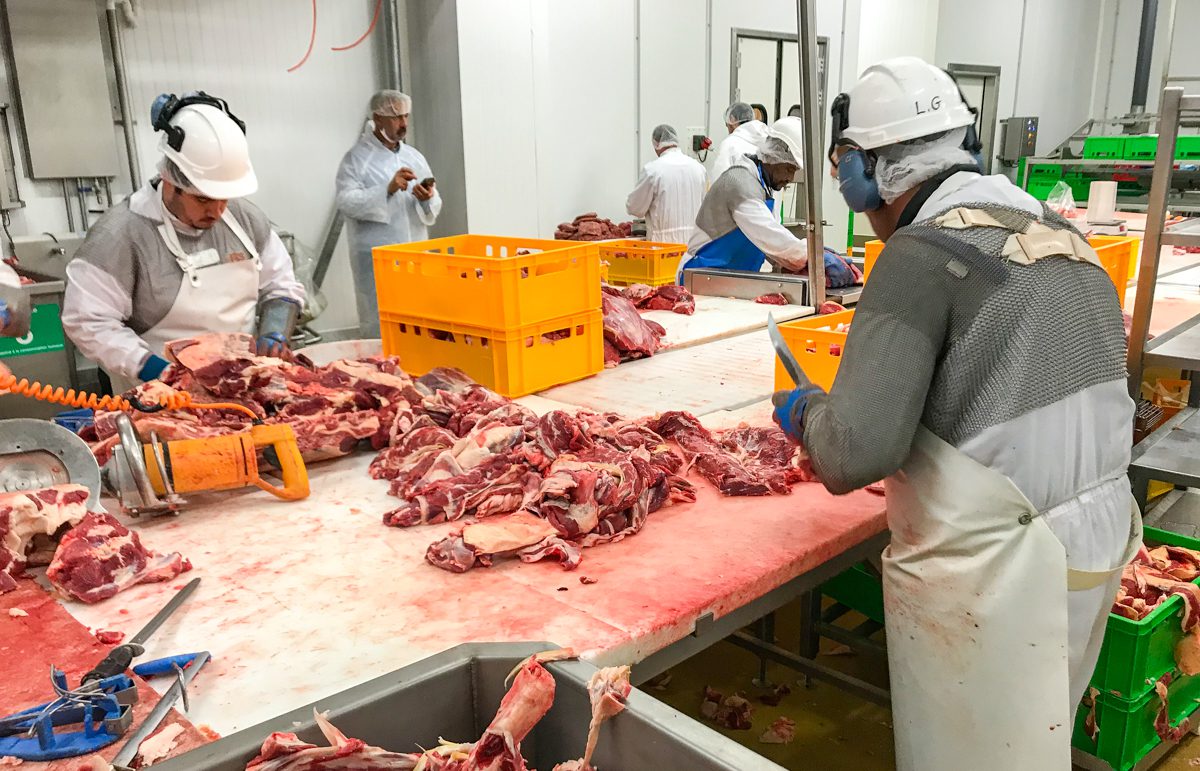
Often, this comes down to a lack of suitable infrastructure and technology to collect and process blood efficiently. However, improper disposal poses serious environmental and health risks. It is a hidden cost embedded in the food system, one that most consumers are unaware of.
What is the environmental impact?
Improper disposal of animal blood can severely affect both water and land quality. High levels of biological oxygen demand (BOD), chemical oxygen demand (COD), and nitrogen content contribute to the pollution of rivers, lakes and groundwater.
This contamination not only degrades ecosystems but also increases the risk of disease transmission and places additional strain on municipal systems. When blood enters drainage networks, it raises the cost and complexity of wastewater treatment, ultimately impacting public resources.
A missed opportunity
Recovering blood from slaughterhouses offers a practical and effective solution to this challenge.
With the right processes in place, blood can be collected hygienically during slaughter and repurposed for a wide range of applications. Globally, animal blood has long been used in food production, from blood sausages and puddings in Europe, to soups and traditional dishes across Asia, South America and parts of Africa.
In South Africa, however, this potential remains largely untapped.
Unlocking the use of slaughterhouse blood in food production could play a meaningful role in improving food security. As food prices continue to rise, particularly affecting low- income households, there is a growing need to make use of affordable, nutrient-rich food sources that are already available.
A cultural connection
Our research explored how slaughterhouse blood could be used in food products locally. What we found is that cooked livestock blood is not unfamiliar to South Africans. It is a traditional dish known among several Black ethnic groups, particularly in rural areas.
Fresh blood is cooked over an open flame until it thickens into a rich, paste-like consistency, often compared to liver spread. It is typically combined with offal such as intestines, tripe, tongue and meat trimmings, and served warm with pap.
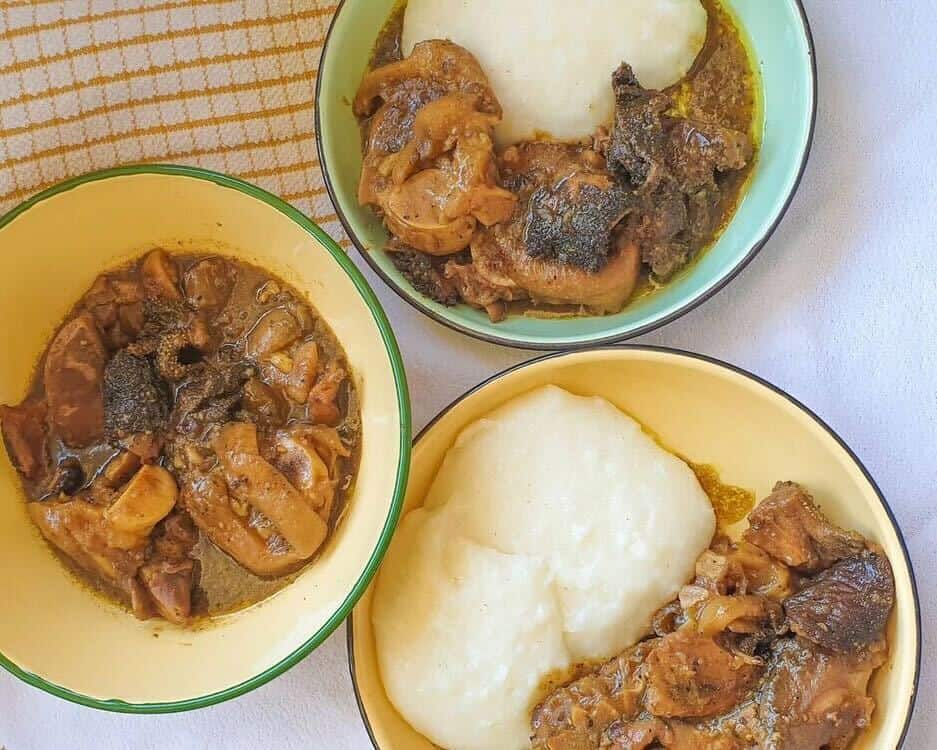
The study identified more than 20 vernacular names for this dish across different cultural groups, highlighting its deep-rooted place in South Africa’s food heritage. However, as migration to urban areas continues and older generations pass on, there is a real risk that such traditional food practices could fade, resulting in a loss of cultural knowledge.
From tradition to opportunity
Expanding the use of livestock blood in modern food systems presents both cultural and economic opportunities. South Africa’s diverse population, including a large number of migrant communities, already has familiarity with blood-based food products. Yet, availability in the local market remains limited, with only a small number of butcheries offering such products.
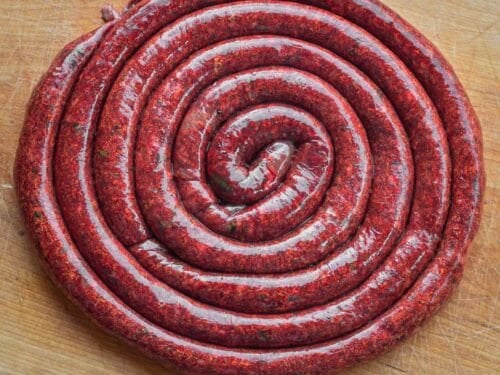
As part of our work, we developed blood sausages using cattle blood at the ARC- Animal Production pilot plant. The formulation included ingredients such as cow trotters, pearled barley, rusk, fat and spices. Consumer testing showed promising results. More than 60 percent of participants found the product acceptable, and purchase intent was higher than expected across different groups. These findings suggest that blood-based products could find a place in South Africa’s food market.
Understanding the scale
The scale of this opportunity is significant.
On average, a single cow yields between 10 and 23 litres of blood, with approximately 16 litres being recoverable. Based on the 2.8 million cattle slaughtered in 2024, this equates to an estimated 44.8 million litres of blood.
Currently, very little of this enters the human food chain. Much of it is either diverted to animal feed, used as fertiliser, or discarded entirely.
Rethinking waste
The proportion of blood used in products such as sausages can vary between 5 percent and 60 percent, depending on cultural preferences and recipe formulation. What is clear, however, is that slaughterhouse blood represents an underutilised resource with real potential.
In a country facing rising food costs and growing demand, rethinking how we use every part of the animal is not just an environmental consideration, it is an economic and social one.
South Africa’s strong livestock sector presents a unique opportunity to scale more sustainable, circular food systems. With the right investment, innovation and cultural sensitivity, cattle blood could shift from being an overlooked by-product to a valuable contributor to food security.
Dr Ennet Moholisa is with the Meat Science and Technology at the ARC-Animal Production, in Irene. This article was first published in the ARC’s Annual Beef Bulletin 2026.