By Staff Writer
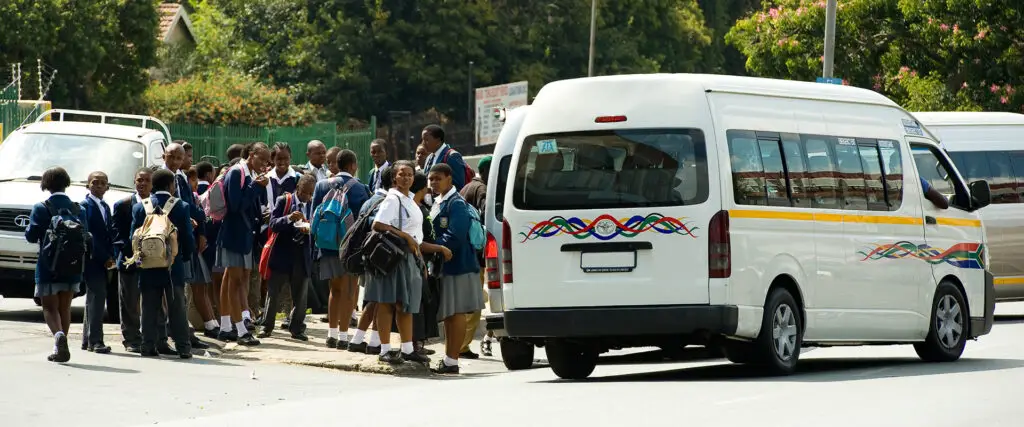
Every day, millions of South African children rely on scholar transport to get them to and from school. For many families, this is not a choice but a necessity, especially in communities where schools are far from home. That daily journey is built on trust. Trust that the vehicle is safe. Trust that the driver is responsible. Trust that everything that needs to be checked has been checked.
But recent incidents have forced a difficult question into the open. How safe is that journey, really?
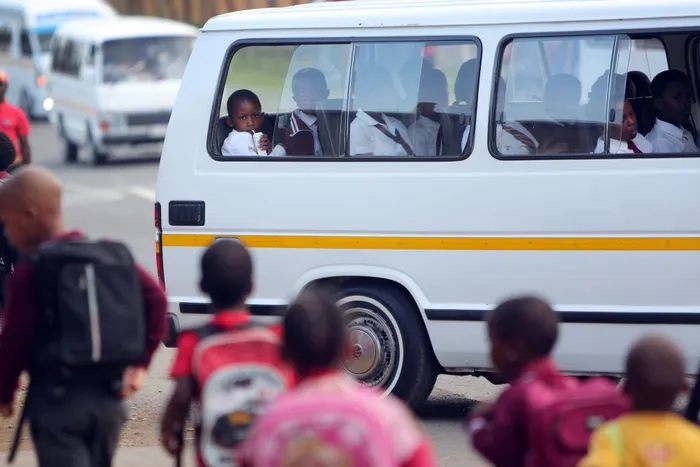
According to the Road Traffic Management Corporation, more than 10% of road fatalities in South Africa in 2023 involved children under the age of 14. With an estimated 3.4 million learners relying on some form of scholar transport, the risks are not abstract. They are part of everyday life on our roads.
The reality is that while scholar transport is regulated, safety cannot be left to regulation alone. Parents and caregivers play a far more important role than they may realise.
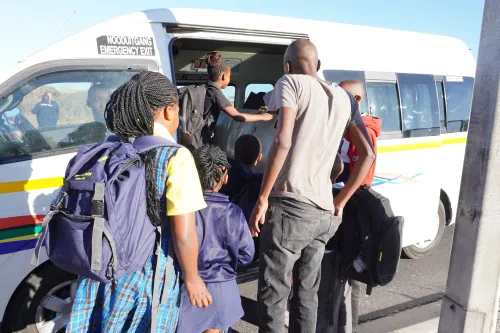
At a basic level, there are non-negotiables. A driver transporting learners must have a valid Professional Driving Permit, commonly known as a PrDP. This is not just another licence. It confirms that the driver is medically fit, has undergone the necessary checks and is legally allowed to transport passengers. The vehicle itself must be roadworthy and carry a valid operating licence. If any of these are missing or expired, that vehicle should not be transporting children.
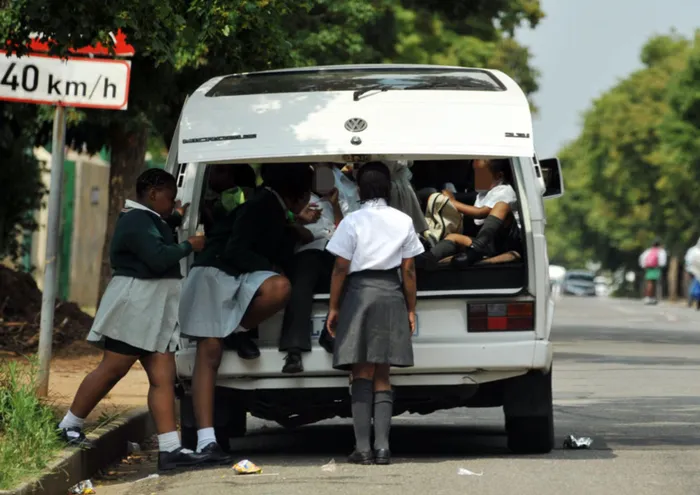
Beyond paperwork, there are visible signs that can tell you whether a vehicle is safe or not. Something as simple as worn tyres, faulty doors or broken seatbelts should raise concern. Overloading remains one of the most dangerous practices in scholar transport. If there are more children than available seats, the risk of serious injury in an accident increases significantly. It is not just illegal, it is unsafe.
Yet even the safest vehicle can become dangerous in the wrong hands. Driver behaviour is a critical part of the equation. Fatigue, distraction and poor judgement are among the leading causes of accidents. Research shows that drivers who get only four to five hours of sleep are more than four times as likely to be involved in a crash. At the same time, cellphone use while driving has overtaken speeding as a major cause of accidents. Even a brief moment of distraction can have devastating consequences.
These are not issues that can be ignored or assumed away. If a driver appears tired, distracted or careless, it is worth raising the concern. It may feel uncomfortable, but it could prevent something far worse.There is also a role for children themselves. Teaching them how to behave in a vehicle is part of keeping them safe. They should understand the importance of remaining seated, avoiding distractions and getting in and out of the vehicle carefully. These small habits can make a meaningful difference, especially on busy or poorly managed roads.
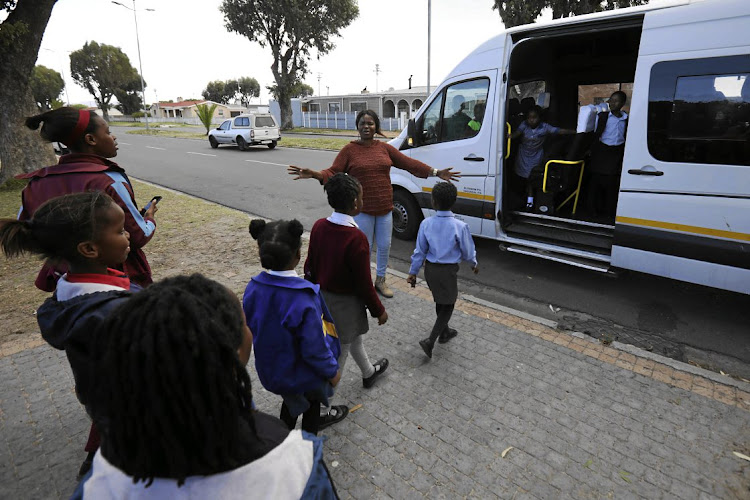
Equally important are the pick-up and drop-off points. They should be safe, visible and away from high-speed traffic. A rushed or poorly planned stop can expose children to unnecessary danger before they have even entered the vehicle.
Ultimately, safer scholar transport is not the responsibility of one group alone. It sits with drivers, parents, caregivers and the authorities tasked with oversight. Initiatives such as Discovery Safe Journeys to School have shown that when the right systems, training and accountability are in place, safer outcomes are possible.
But programmes alone are not enough. Safety begins with awareness and is sustained through action. It is in the questions we ask, the checks we make and the standards we refuse to compromise on. Because every journey to school should begin and end with the same outcome. A child arriving safely. And returning home the same way.

Source: This article was adapted from Discovery Safe Journeys to School / Afrika Tikkun road safety guidance for Xploreza.