By Staff Writer
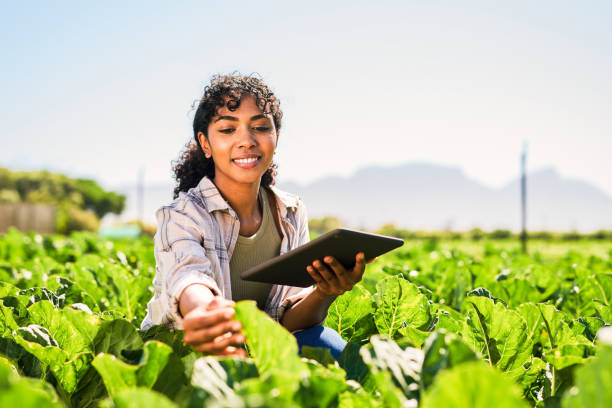
Farming has never been just about land, rainfall or livestock. Increasingly, it is about something less visible but far more powerful: information. Across South Africa, from smallholder farmers finding their footing to seasoned operators managing large enterprises, the decisions made every day are shaped by what people know, how they interpret it and how quickly they act on it.
At its simplest, information is processed data. In agriculture, however, it becomes the backbone of every decision. It determines what is planted, when it is planted and where it is sold. It influences how farmers respond to shifting weather patterns, rising input costs and changing market demands. Without it, farming becomes guesswork. With it, farming becomes strategy.
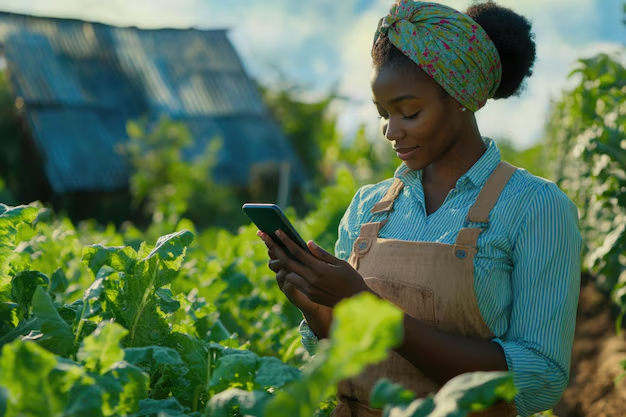
For those just starting out, the absence of information can be costly. It is not uncommonfor new farmers to invest in crops or livestock that are poorly suited to theirenvironment, only to realise too late that conditions are not in their favour. South Africa’sdiversity in climate and soil means that what works in one province may fail in another.A crop that thrives in the humidity of KwaZulu-Natal may struggle in the dry conditionsof the Northern Cape. Even something as simple as planting at the wrong time,particularly in seasons where rainfall arrives later than expected, can undermine anentire harvest. The right information, accessed early, has the power to prevent thesemistakes before they happen.
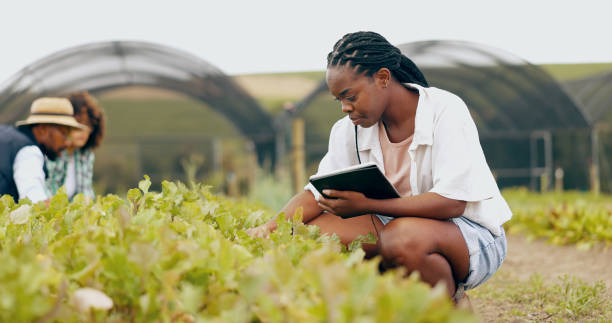
For more established farmers, the role of information shifts. It is no longer just aboutavoiding failure, but about improving efficiency and protecting margins. Marketawareness becomes critical. Knowing when to sell livestock, when to hold back grain orhow supply is moving through fresh produce markets can directly influence profitability.Across the country, farmers watch price movements, track demand and adjust theirdecisions accordingly. Timing, often informed by reliable data, can make the differencebetween a good season and a disappointing one.
What is often overlooked is that access to information is not equal. In many parts ofSouth Africa, particularly in rural and informal farming systems, farmers still operate withlimited or delayed access to reliable data. This imbalance creates a gap where someare able to make informed decisions, while others are left exposed. It can result infarmers accepting lower prices than their produce is worth, or making productionchoices based on outdated or incomplete knowledge. Over time, this weakensconfidence in the market and slows growth across the sector.
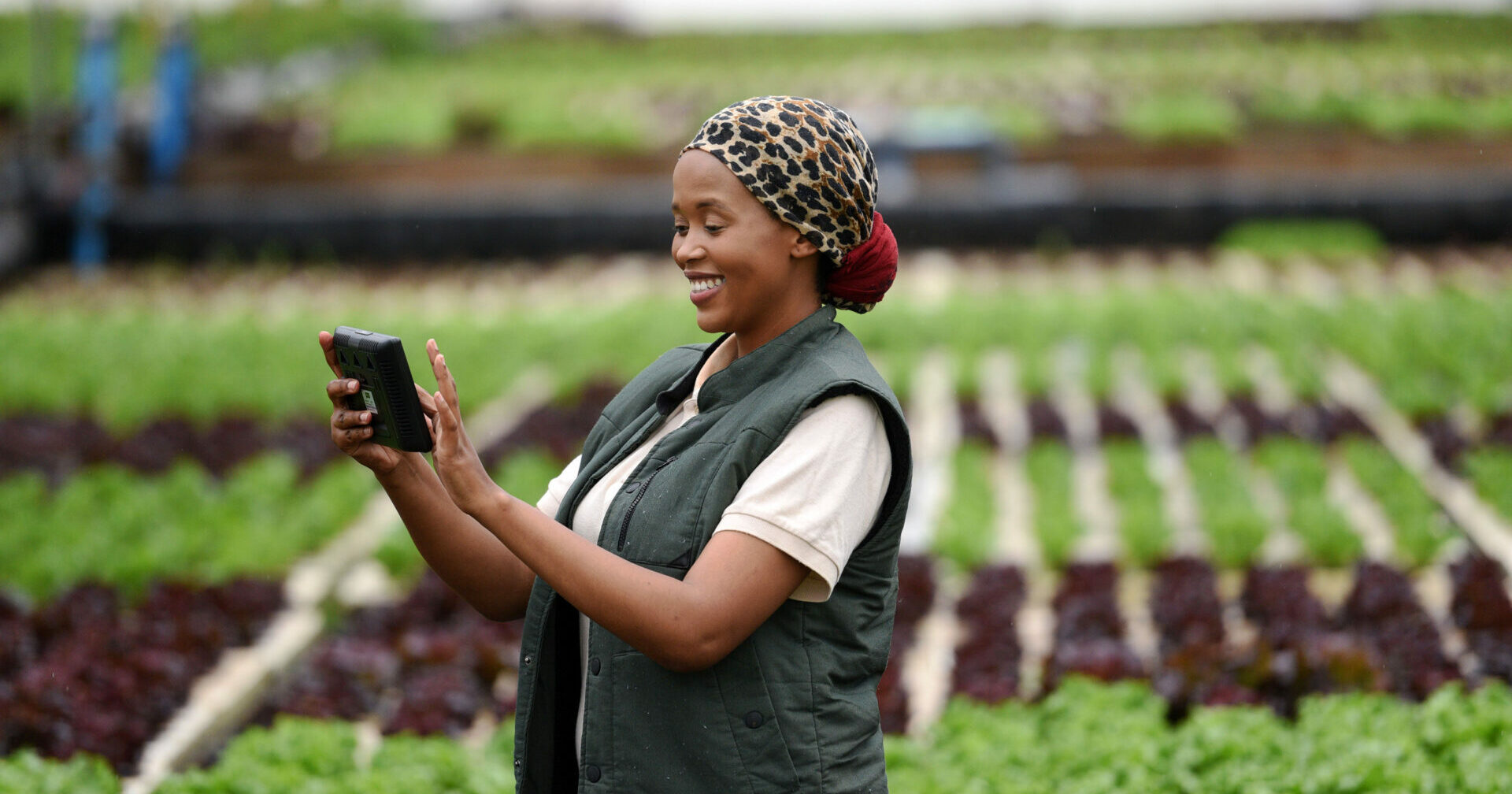
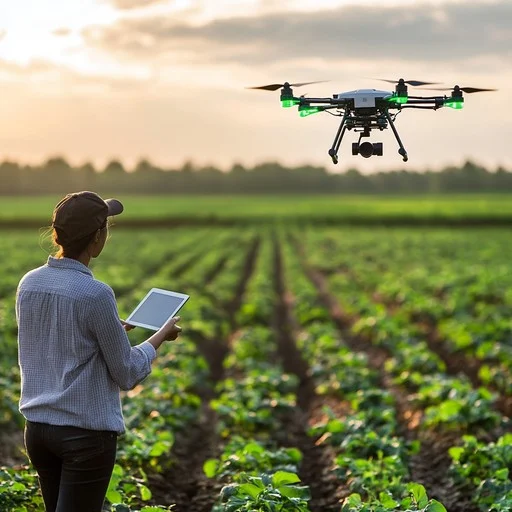
There has, however, been a noticeable shift. Technology is beginning to close this gap.The smartphone has quietly become one of the most important tools on the farm.Weather updates are now immediate, allowing farmers to plan with greater certainty.Conversations that once happened at local co-operatives now take place in WhatsAppgroups, where information is shared quickly and widely. Digital platforms are opening upnew ways to access buyers, compare prices and stay informed. While not every farmerhas the same level of access, the direction is clear. Information is becoming moreavailable, and with it, the ability to compete more effectively.
Still, information on its own is not enough. Farming remains deeply rooted inexperience. There is a kind of knowledge that comes only from working the land overtime, from understanding how a specific field responds to rain or how animals behaveacross changing seasons. This kind of insight cannot be downloaded or easilyreplicated. It is built slowly, often passed down, and refined through years of practice.The strongest farmers are those who are able to combine this lived experience with newinformation, using both to guide their decisions.
Agriculture in South Africa is under pressure. Climate uncertainty, rising costs ande volving markets are forcing farmers to adapt faster than before. In this environment ,information is no longer an advantage. It is essential. It sits alongside land, labour andcapital as a key part of the production process, shaping outcomes in ways that are bothimmediate and long term.