Revved Up by Itu Motuba
Do you remember a many many Decembers ago when we were dancing to Kamazu and Senyaka’s hit song Fong Kong? As funny as that song was, it played on the idea that when we saw the tag Made in China, we immediately assumed those products were cheap imitations or knock-offs. Though the song was fun and a little cringe (now that I’m older and wiser), it carried the views of most South Africans at the time. Lately, however, that view has certainly changed.
There was a time when the phrase “Made in China” came with an eye roll. It meant cheap, temporary, and something you’d replace sooner rather than later. In South Africa, it was almost an apology—something you said quickly before explaining why you bought it anyway. Maybe it might be because of BRICS or not, but things are slowly yet surely changing. That time of doubting Chinese products is over, especially in the automotive industry, it seems.
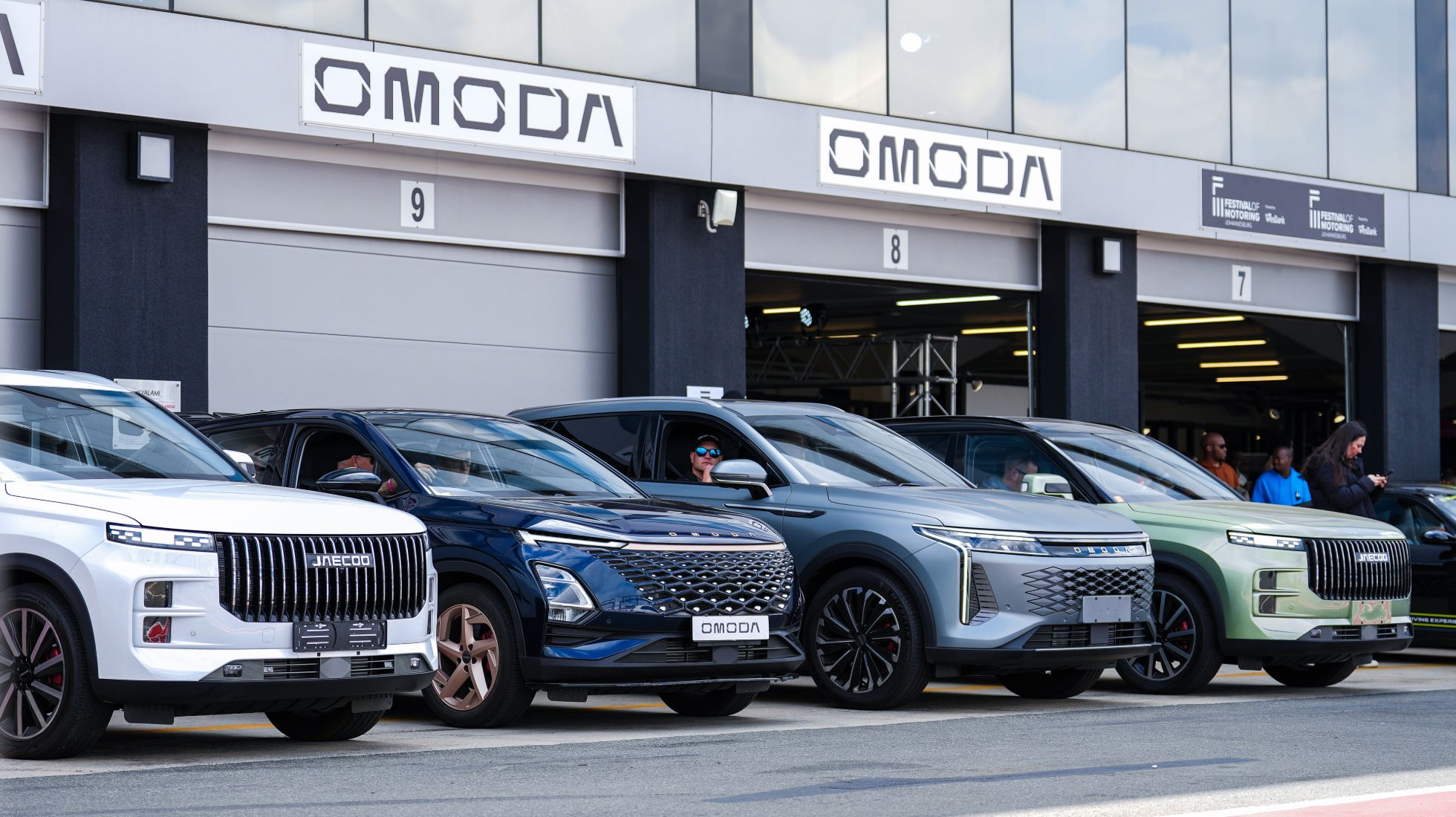
If you spend any time on our roads lately, you’ll notice it too. New cars are showing up—sleek, bold, surprisingly beautiful and many of them are coming from China. They’re not hiding in the slow lane or trying to blend in. They’re confident, well-designed, and increasingly impossible to ignore.
What’s changed isn’t just the cars—it’s us.
Mzansi has always been a practical country. We’re not blindly loyal to labels; we’re loyal to what works. If something looks good, performs well, and doesn’t punish us financially, we’re open to it. Right now, Chinese car brands are offering exactly that: more features, modern design, and competitive pricing in a market where value isn’t a luxury—it’s a necessity.
Let’s be honest: the cost of owning a car in South Africa is no joke. Fuel prices fluctuate, maintenance is expensive, and spare parts can feel like ransom notes. In this context, accessibility becomes the real flex. Luxury isn’t just leather seats anymore—it’s affordability, reliability, and the ability to maintain your car without stress. Chinese manufacturers are starting to understand the assignment.
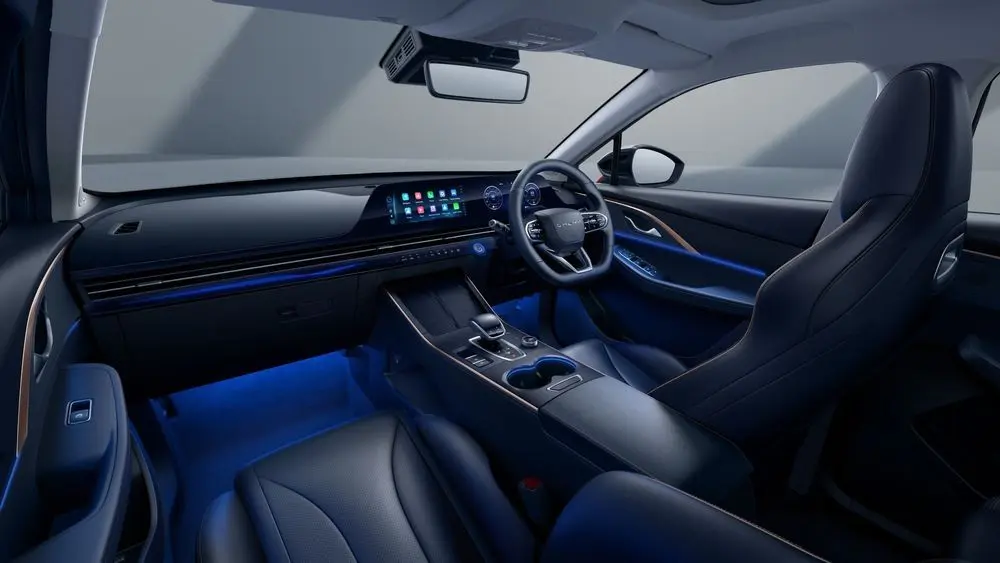
And the designs? They’re doing the work. These cars are not trying to look like anyone else—well, the ones that I like, at least. The interiors are clean and tech-forward, the exteriors are bold without being aggressive, and the overall feel is intentional. They don’t look like “starter cars”; they look like choices. And choice matters in a country where options have often been limited by price tags and prestige.
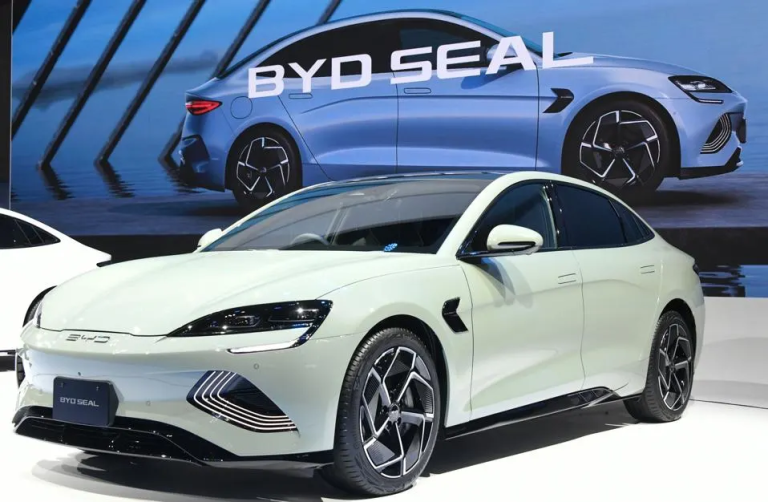
What’s also interesting is how openly South Africans are embracing this shift. There’s less defensiveness, less explaining. People are curious. They’re asking questions. They’re test-driving without shame. It feels like a quiet confidence — an understanding that good taste isn’t about where something comes from, but how it fits into your life.
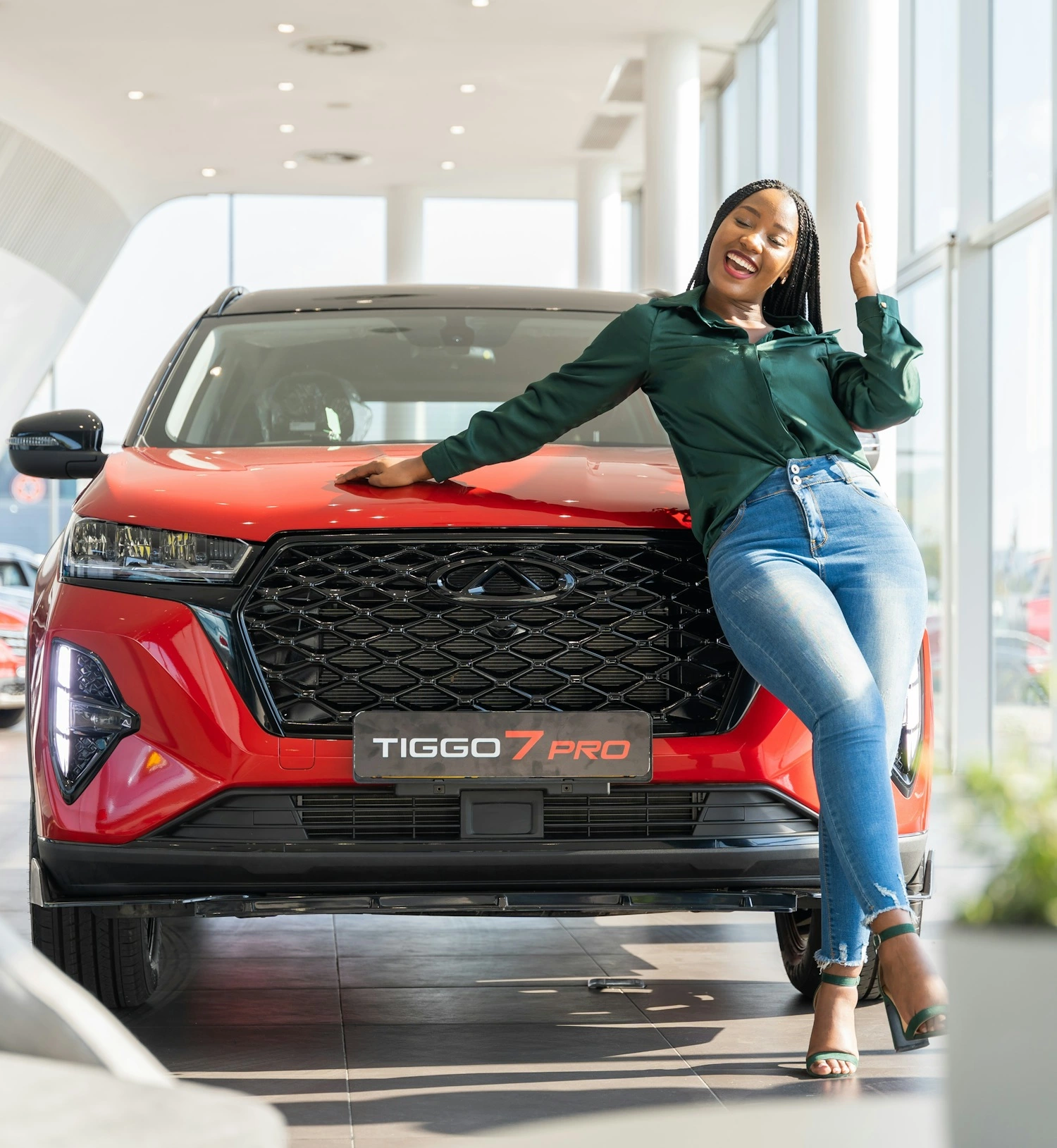
This isn’t about replacing German engineering or rewriting automotive history. It’s about expanding the conversation. Mzansi has always been open to global influence—our music, fashion, food, and tech reflect that. Cars are simply catching up.
So yes, “Made in China” carries a different weight now. Not because perceptions were forced to change, but because reality did. The products improved. The market opened. And South Africans, as we always do, adapted with discernment rather than hype. And look I am not saying that they are perfect nor the best, but they run well, are fuel efficient, have great technology and are affordable, that is enough for most people.
On our roads today, you can feel it: curiosity replacing stigma, value replacing vanity, and confidence replacing old assumptions. And honestly? It’s refreshing. Okay, the car might not have the kasi swag stamp of approval yet and will probably not make it to Spin City —but that’s okay. They tick all the necessary boxes, and I feel they are swagged up in their own way.
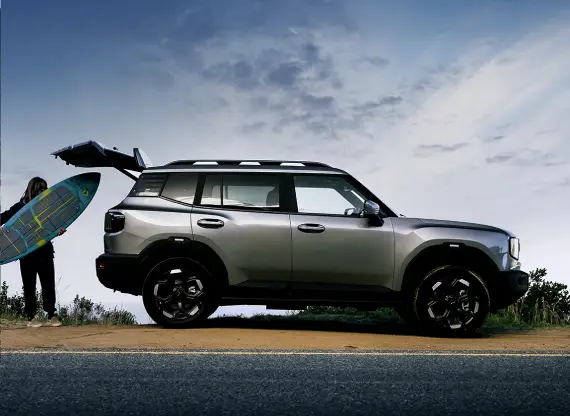
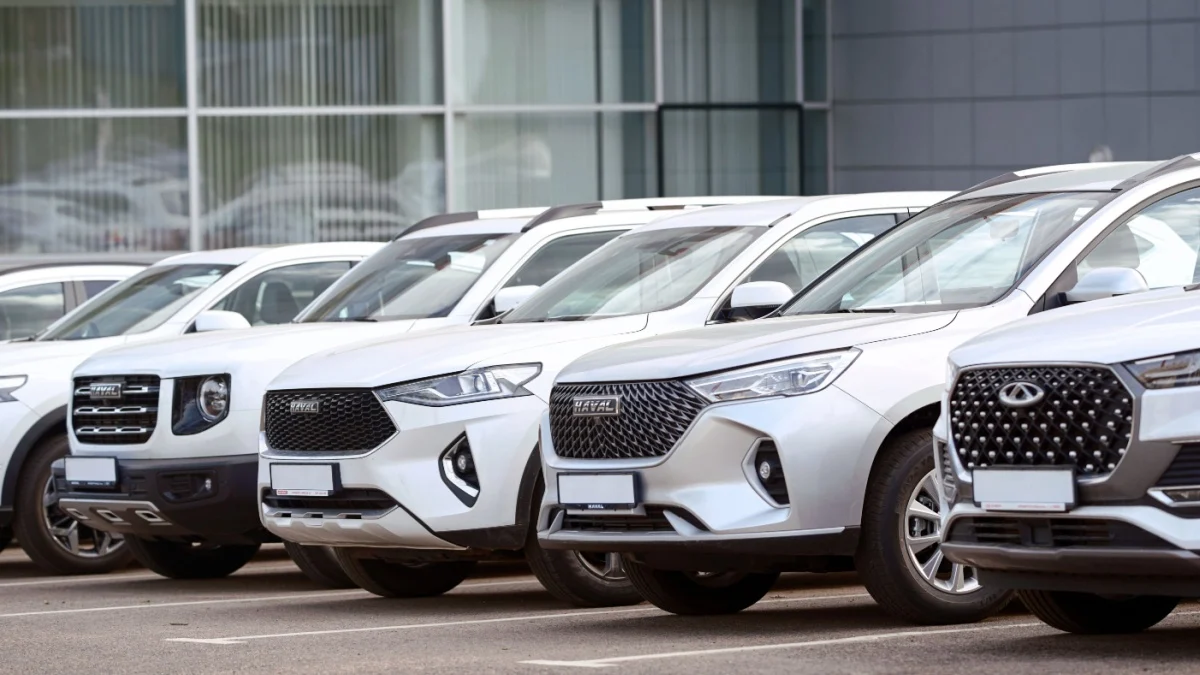
So go on — drive that Omoda, Haval, Jetour or Chery, etc., with pride. You’ve earned it.