
By Staff Writer
South Africans love a road trip. Whether it is Joburg to Durban, Cape Town to the Garden Route or Gauteng to Limpopo for the holidays, the open road feels like freedom. But it is also where many drivers quietly start pushing past the speed limit.
Not always recklessly. Sometimes almost subconsciously. Psychology tells us speeding is rarely just about being in a hurry. It is about perception, emotion and habit.

The biggest myth is that speeding saves meaningful time. On a long trip, increasing your average speed by a few kilometres per hour feels productive. In reality, the time saved is often negligible. Traffic congestion, toll gates, roadworks and heavy vehicles quickly erase any small gains. Yet the risk remains.
Many of our national routes are single carriageways with oncoming traffic. Overtaking requires judgement and patience. Add long-haul trucks, minibus taxis stopping unpredictably and occasional livestock crossings in rural areas and the margin for error shrinks fast.
Another factor is personality. Drivers who are impulsive or thrill seeking are statistically more likely to speed. So are younger drivers and repeat offenders. But even cautious motorists are not immune. Running late, frustration at slow traffic or an earlier argument can subtly change driving behaviour.
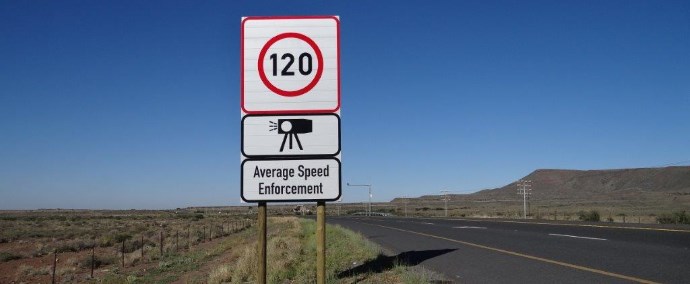
Social norms matter too. If everyone around you is sitting at 130 kmh in a 120 zone, it begins to feel acceptable. When speeding feels normal, the perceived risk drops. But physics does not negotiate.
Even small increases in speed significantly raise crash risk. A modest jump above the limit reduces reaction time and increases stopping distance. On a busy N3 corridor or a narrow Eastern Cape highway, that difference can be the line between a close call and a serious collision.

Higher speeds also mean higher impact energy. When crashes happen at elevated speeds, the likelihood of severe injury or fatality increases dramatically. That is not theory. It is consistently reflected in serious road crash data globally.
So how do you manage it on your next trip?
Start with time. Leave earlier than you think you need to. Build in realistic buffers for traffic and rest stops. Fatigue and time pressure are a dangerous combination.
Use your vehicle’s cruise control or speed limiter where appropriate. Many modern cars also offer speed warning systems that can help you stay disciplined on long stretches.
Plan overtakes carefully and avoid aggressive reactions to slower vehicles. Not every delay requires a response.
Most importantly, shift your mental framing. Ask yourself whether arriving ten minutes earlier is worth increasing the risk to your passengers. On South African roads, unpredictability is constant. Your safety margin should be too.
Someone is waiting for you at your destination. They care far more about your safe arrival than your arrival time.
Drive accordingly.