
By Gugulethu Tshabalala
The idea that travel can improve wellbeing is no longer just romantic thinking — it is increasingly supported by behavioural science and health research. Around the world, medical and psychological experts are recognising what many travellers have long felt intuitively: stepping away from routine environments can have measurable benefits for both the mind and body.
While Sweden recently drew global attention by encouraging conversations between doctors and patients about the wellness value of travel, the broader message applies anywhere — including South Africa.For a country rich in open landscapes, biodiversity, and cultural depth, the real question is no longer whether travel helps, but why it works so effectively.

1. Travel Interrupts Chronic Stress
Modern life keeps many people in a near-constant state of alertness — deadlines, traffic, notifications, and economic pressure all activate the body’s stress response.
Travel breaks that cycle.
When you enter a new environment, your brain shifts from autopilot into awareness mode. Cortisol levels (the primary stress hormone) often decrease when people spend time in natural settings, allowing the nervous system to regulate itself.
This is why even a short bush escape or coastal weekend can leave you feeling mentally lighter.It isn’t indulgence. It is physiological recovery.

2. Nature Quietly Resets the Brain
South Africa offers something many densely urbanised countries struggle to provide: space.
Exposure to natural environments has been linked to:
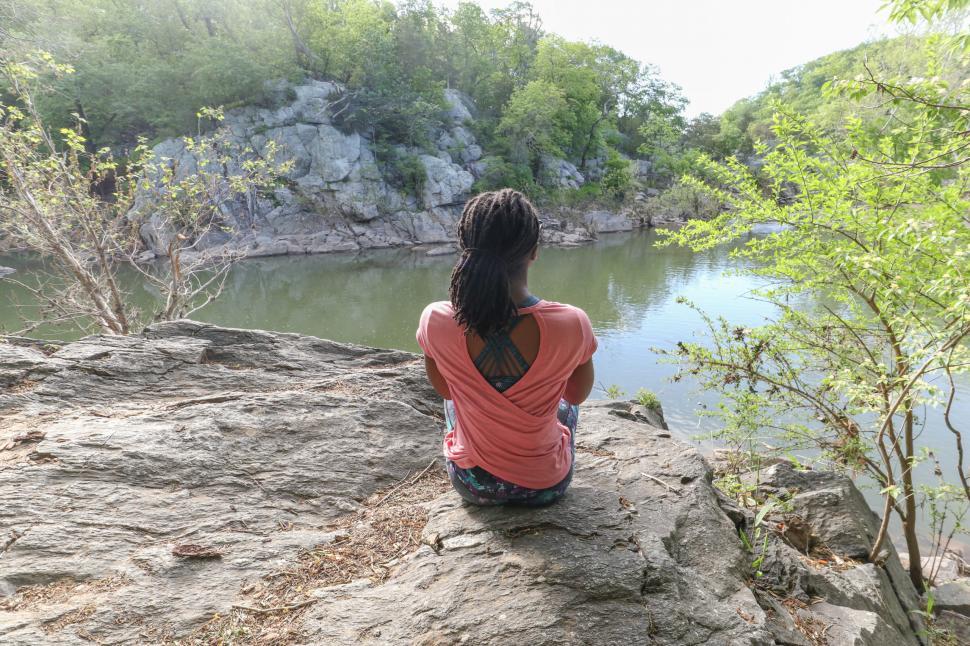
The effect is sometimes called attention restoration — the brain gets a chance to rest from overstimulation.Whether it’s watching the horizon in the Karoo or listening to waves along a remote shoreline, nature demands very little from you. That absence of demand is precisely what allows cognitive recovery to happen.
3. Travel Improves Emotional Resilience
Routine creates efficiency, but too much predictability can narrow emotional bandwidth.
Travel gently challenges the brain:
These experiences build psychological flexibility — the ability to handle change with less distress.In uncertain times, resilience is not a luxury trait. It is a protective one.

4. Movement Supports Physical Health
Travel naturally encourages activity without the structure of formal exercise.
You walk more. You xplore more. You spend less time seated.
Even low-intensity movement improves circulation, supports heart health, and boosts energy levels.Add fresh air and better sleep — common side effects of time away — and the body begins to recalibrate surprisingly quickly.

5. Distance Creates Mental Clarity
There is a reason people say they “found perspective” while travelling.Physical distance often produces psychological distance.Away from familiar pressures, problems can appear more manageable, decisions clearer, and priorities easier to identify.Many people return from trips not just rested — but mentally reorganised.Sometimes what we call escape is actually realignment.

Travel is more than a temporary escape; it is a powerful tool for recalibration. Stepping away from routine allows the mind to clear, the body to recover, and perspective to return.In a world that rarely slows down, choosing to pause may be one of the healthiest decisions you can make.
Sometimes, the simplest prescription is this: Go somewhere that allows you to breathe again.