By Ntambo Moloi-Mabuza
South Africa’s agricultural sector is navigating a difficult period, with business confidence dropping sharply in early 2026 as disease outbreaks, export pressures and rising input costs weigh heavily on the industry.
According to the latest Agbiz/IDC Agribusiness Confidence Index (ACI), confidence among agribusiness leaders fell from 67 in the fourth quarter of 2025 to 49 in the first quarter of 2026, pushing sentiment below the neutral 50-point mark.
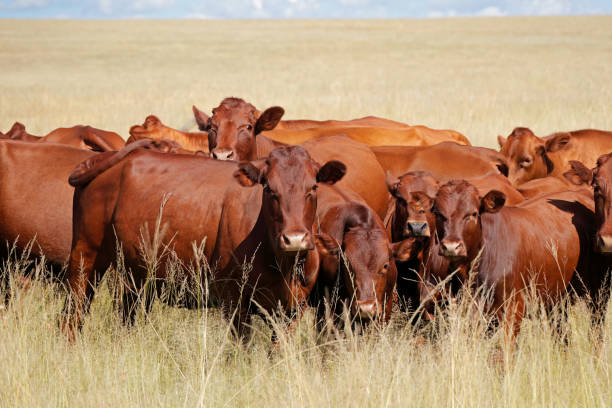
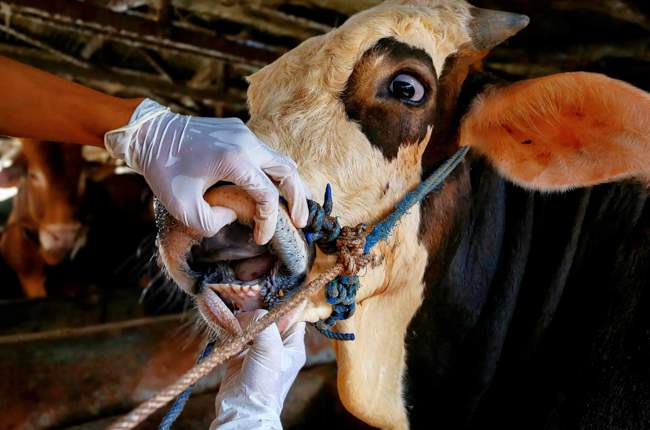
A combination of factors is driving the decline. The country is still dealing with the economic impact of Foot and Mouth Disease (FMD), while additional pressures have emerged from swine fever outbreaks and lower export prices for commodities such as wheat and sugar.
At the same time, global events are adding to the strain. The conflict in the Middle East has pushed up oil and fertiliser prices, increasing production costs for farmers and agribusinesses across the country.
The Agribusiness Confidence Index is conducted quarterly and reflects the views of agribusiness leaders on the state of the sector. It tracks ten indicators that influence decision-making, including turnover, operating income, employment, export volumes and capital investment.
In the first quarter of 2026, two closely watched indicators recorded significant declines. The turnover index dropped from 71 to 50, while the net operating income index fell from 63 to 43. These shifts suggest that agribusiness leaders are increasingly concerned about future sales prospects and the rising cost of doing business.
Despite the overall decline in confidence, a few indicators showed improvement. Sentiment around general economic conditions improved following South Africa’s recent Standard & Poor’s credit rating upgrade and the country’s removal from the Financial Action Task Force grey list.
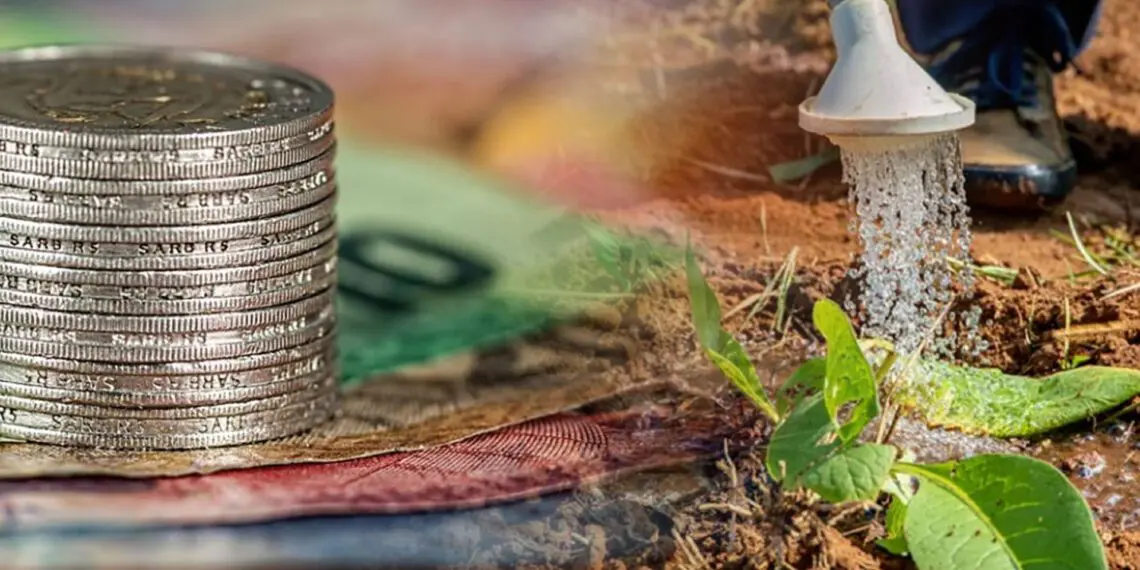
Confidence around financing conditions also improved slightly. Agbiz attributes this partly to the recent drop in interest rates, which has eased conditions for financing agricultural machinery and equipment purchases.
In addition, strong harvests during the 2024–25 season, particularly in field crops and horticulture, helped some producers meet their debt obligations, reducing concerns around bad debt in the sector.
Looking ahead, Agbiz Chief Economist Wandile Sihlobo says the sector’s recovery will depend on how quickly key risks are managed.
“Concerted and speedy vaccinations will get us off the current worrying path,” he says.

However, global pressures remain a concern.
“The Middle East conflict presents new challenges, complicating our exports to the region and putting pressure on fuel and fertiliser prices. These factors may weigh on the sector as we approach the 2026–27 winter crop season and later the 2026–27 summer crop season,” Sihlobo adds.
For now, the latest confidence index serves as a reminder that while South Africa’s agricultural sector remains resilient, it is operating in an increasingly complex and uncertain environment.