By Staff Writer
South Africa has one of the highest pedestrian fatality rates in the world. Walk through any urban centre and the vulnerability is visible. Pedestrians cross multi-lane roads without safe infrastructure. Children walk along busy streets. Informal traders operate close to fast-moving traffic.
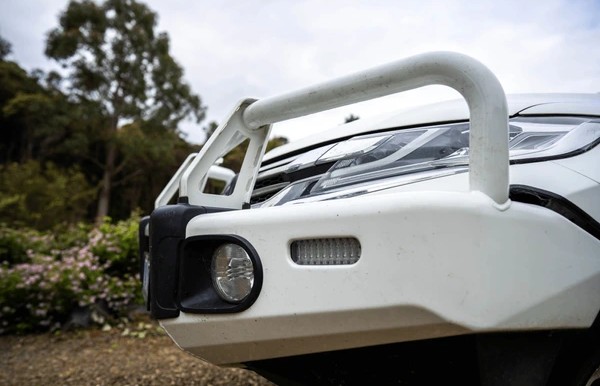
Now add the modern South African vehicle trend into the mix. Bigger SUVs, double-cab bakkies and lifted suspensions. And increasingly, bull bars are mounted on the front.
Bull bars were originally designed for rural realities. On farms and in remote areas, animal strikes are not hypothetical. A collision with livestock can disable a vehicle far from assistance. In that environment, protecting vital components such as the radiator makes practical sense.
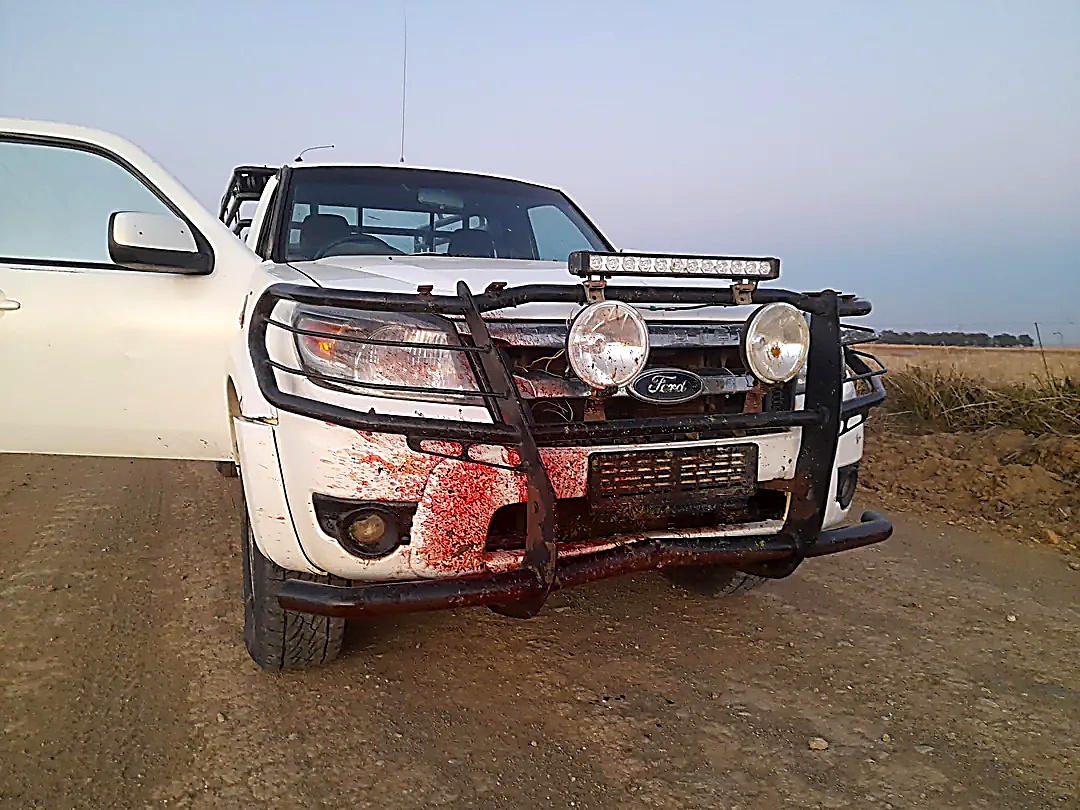
But in urban South Africa, the context is very different. In cities like Johannesburg, Durban and Cape Town, the primary collision risk is not livestock. It is people. Research from multiple countries shows that rigid bull bars significantly increase the severity of pedestrian injuries during a crash. The reason is physics.
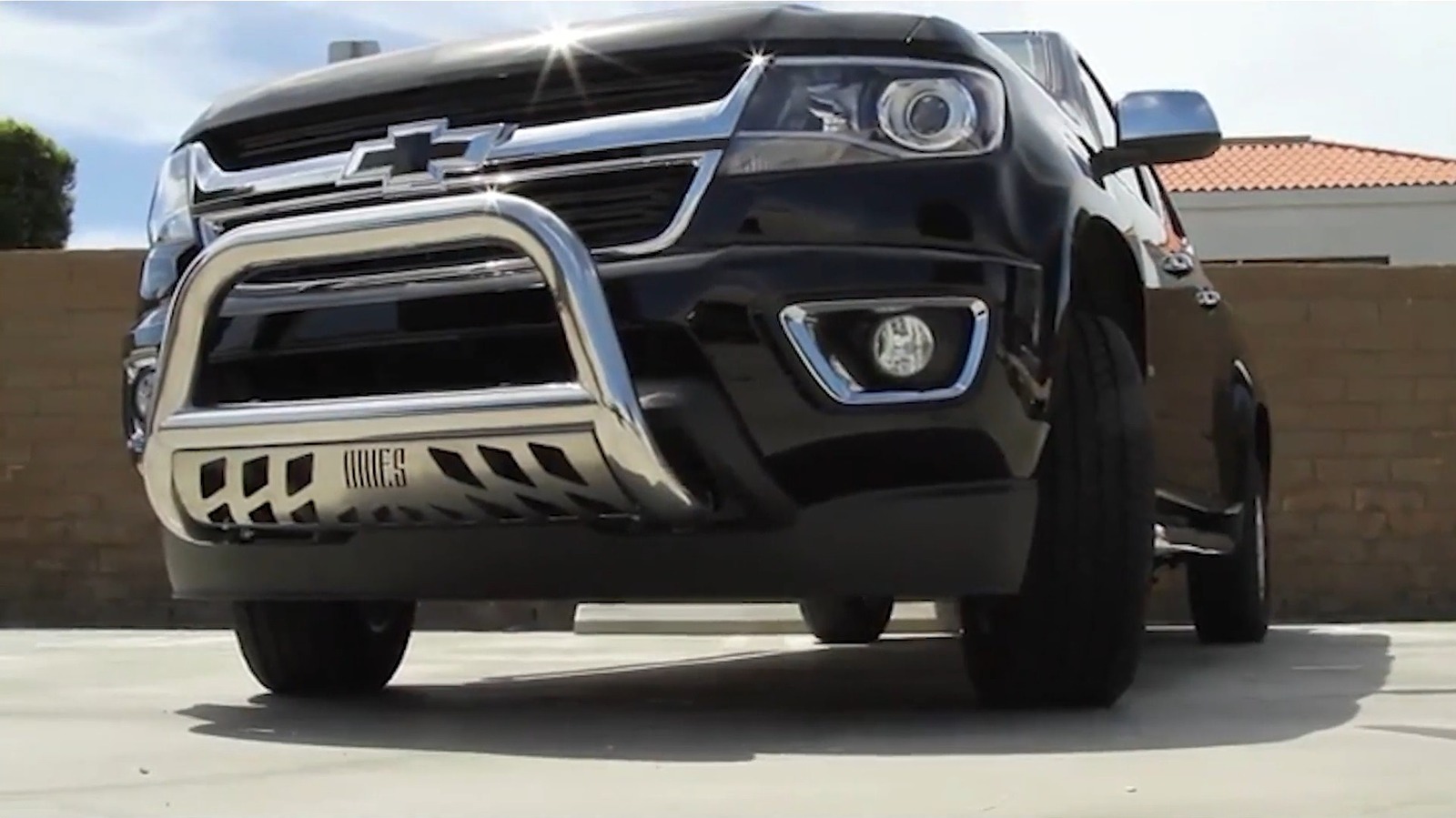
A modern vehicle’s front end is designed to absorb energy in a collision. Bonnet structures deform. Materials crumple. Impact forces are distributed to reduce injury severity. A rigid steel or aluminium bull bar alters that interaction. It concentrates force over a smaller area and interferes with those energy absorbing zones.
Crash simulations have shown that bull bars can increase the speed at which a pedestrian’s head strikes the vehicle, intensifying trauma. Height also matters. When the upper bar sits above bonnet level, impact shifts from thigh to pelvis, rotating the body and increasing head strike severity. In a country where pedestrian exposure is already high, that dynamic should concern us.

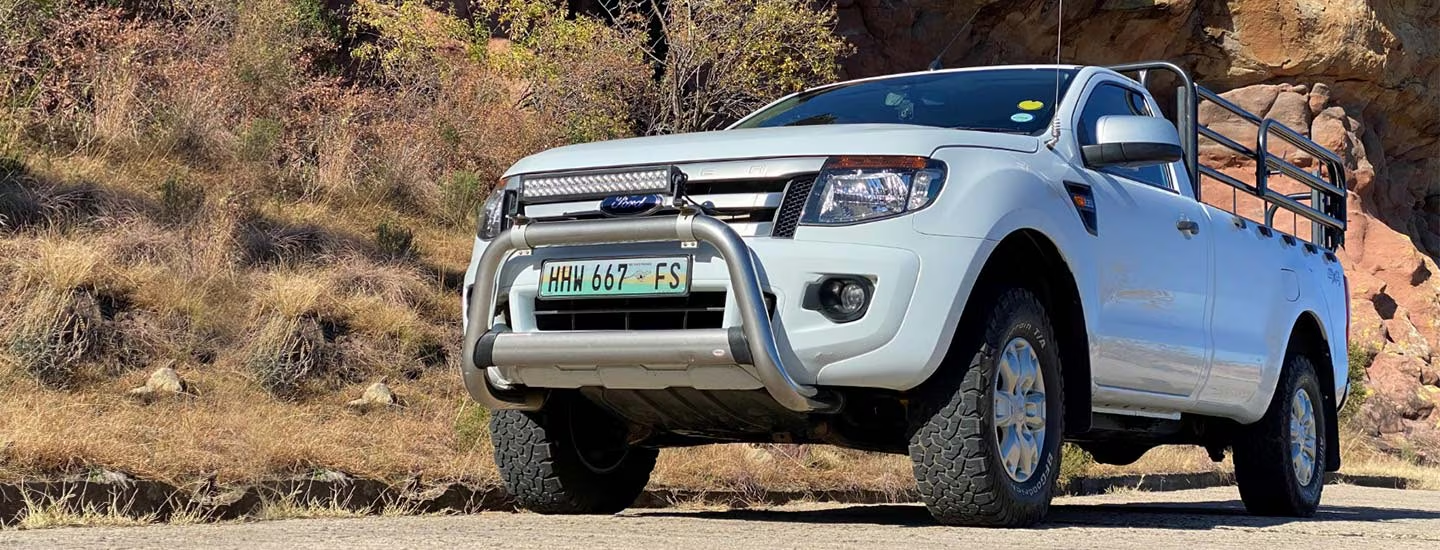
This does not mean every bull bar is inherently irresponsible. In rural provinces such as the Northern Cape, Limpopo or parts of the Eastern Cape, the risk of animal strikes remains real. For drivers regularly navigating remote gravel roads at dawn or dusk, frontal protection serves a purpose. The question is whether the same equipment is justified in Sandton, Umhlanga or Century City.
There is also a cultural layer. Bull bars on urban bakkies often signal toughness or off road capability, even when the vehicle rarely leaves tar. The visual appeal is undeniable. But visual presence does not equal practical necessity.
South African road safety discussions tend to focus on driver behaviour. Speed. Alcohol. Distraction. All valid. Yet vehicle design also shapes outcomes when crashes occur. If a collision with a pedestrian is already devastating, increasing the severity through rigid frontal reinforcement deserves scrutiny.
Perhaps the answer is not an outright ban but context sensitive regulation. Encouraging more pedestrian friendly designs in urban environments while recognising legitimate rural needs would be a balanced approach.
At a minimum, buyers should understand the trade-off. A bull bar may protect your vehicle in certain scenarios. It may also cause harm to others. On roads where vulnerability is already unevenly distributed, every design decision carries weight and in South Africa, that weight is often borne by the person outside the vehicle.