By Staff Writer
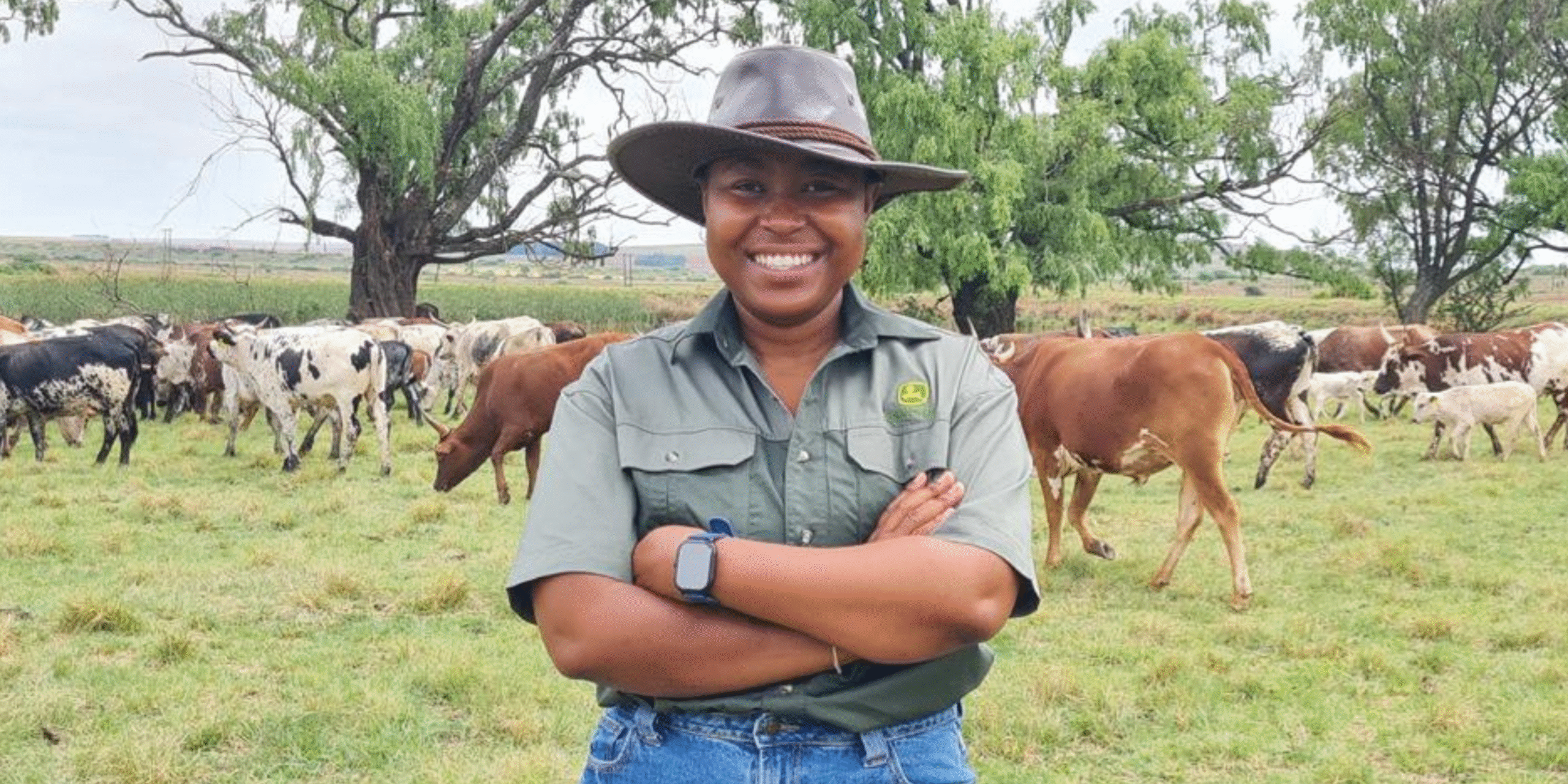
In another life, Cecilia Makgatho might have been behind a camera, building a filming career in New York.
Instead, her story took a very different turn, one rooted in dust, cattle, grief and resilience on a 639-hectare farm near Bronkhorstspruit.
Makgatho had planned to study film production abroad. Then Covid-19 arrived, bringing those plans to a halt. What first felt like a delay soon became something much bigger. In 2021, she lost both her parents and her brother to Covid-19, a devastating blow that changed the direction of her life completely.
“In another life I would probably be behind a camera, not a kraal gate,” she says. “I had planned to study film production in New York. By early 2020 I was preparing to leave South Africa for postgraduate studies. When Covid came, everything stopped.”
What followed was not only personal loss, but a reckoning with legacy. Her parents had built the AP Agricultural Primary Cooperative in 2015 and developed a Nguni herd on land leased through land reform. Her brother was expected to continue that work. Suddenly, that responsibility landed in her hands.
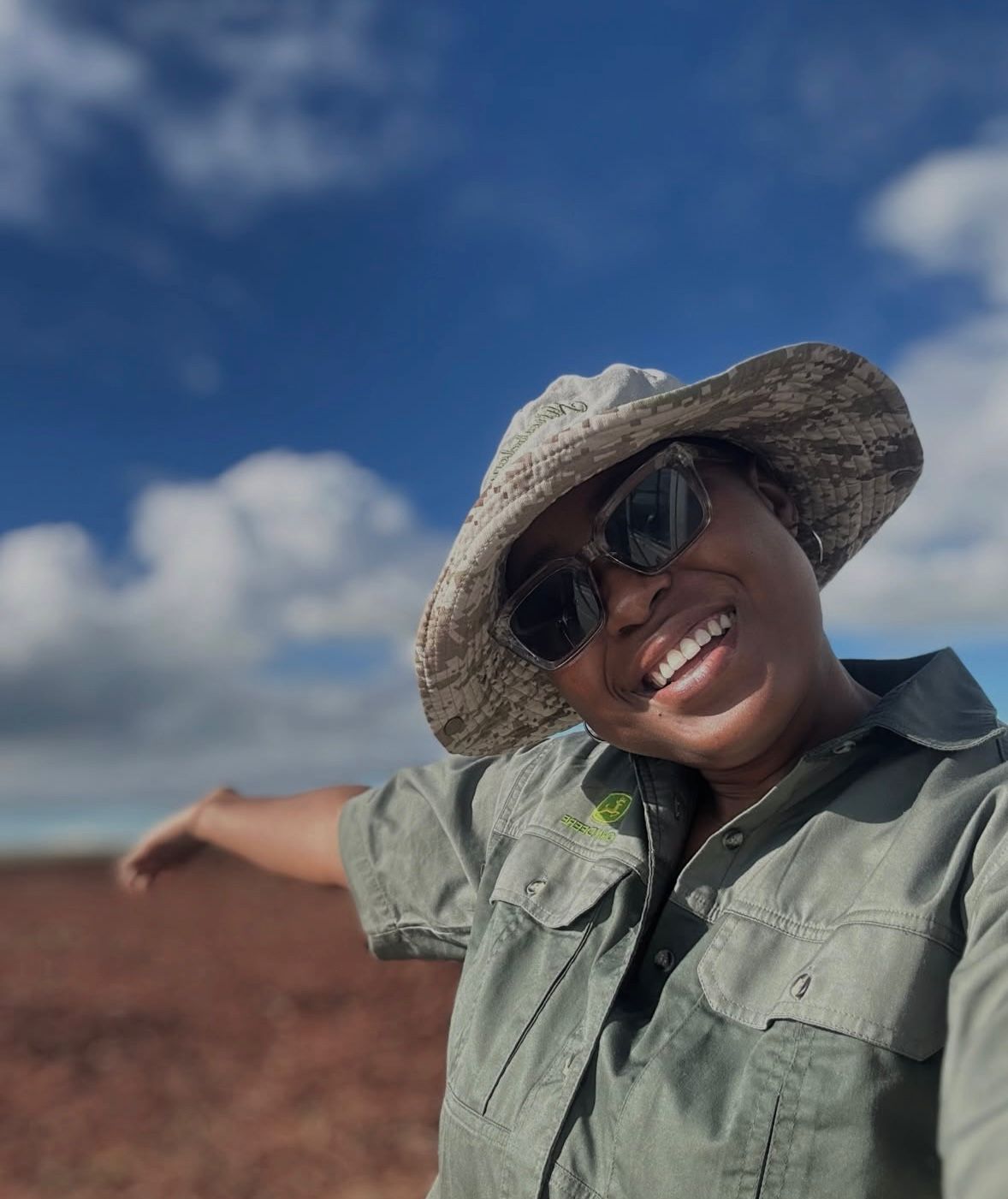
“When they passed away I felt like the ground had opened beneath me,” she says.
At the time, farming was never part of her plan. She had grown up around cattle, but not with the intention of running the business herself. For months, she says, she felt lost. Then came a call from the Gauteng Department of Agriculture asking for the Nguni cattle records.
That moment changed everything.
“I had no idea how to do that. My mother knew every animal by heart. But that call reminded me that my parents had left something alive behind. Something that needed care.”
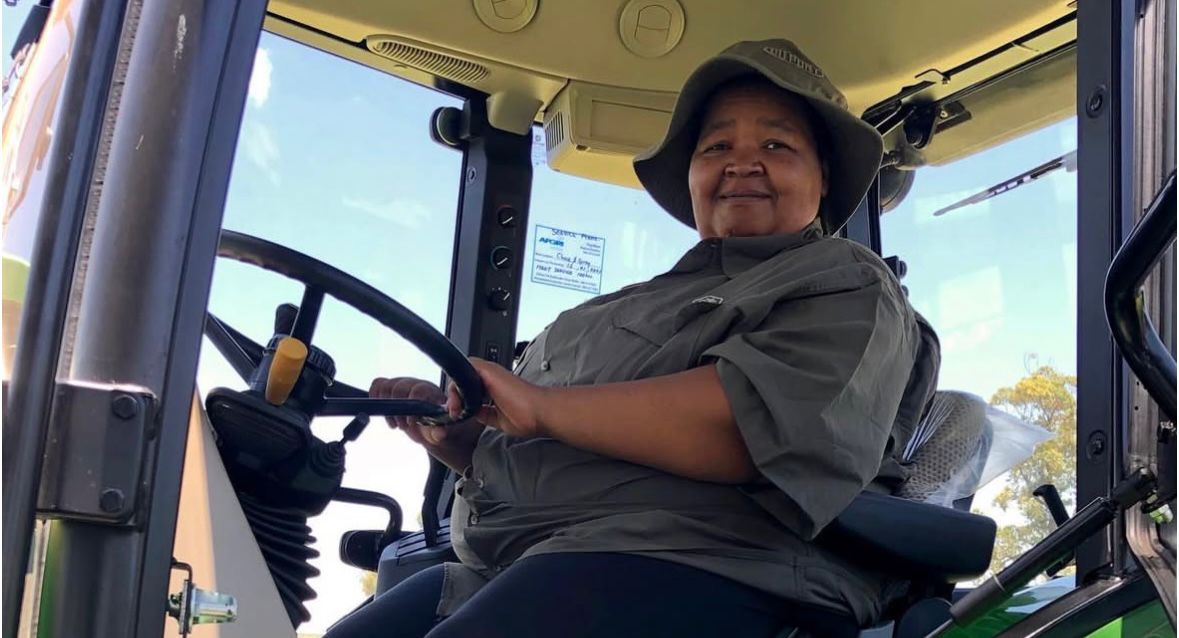
That care soon became commitment.
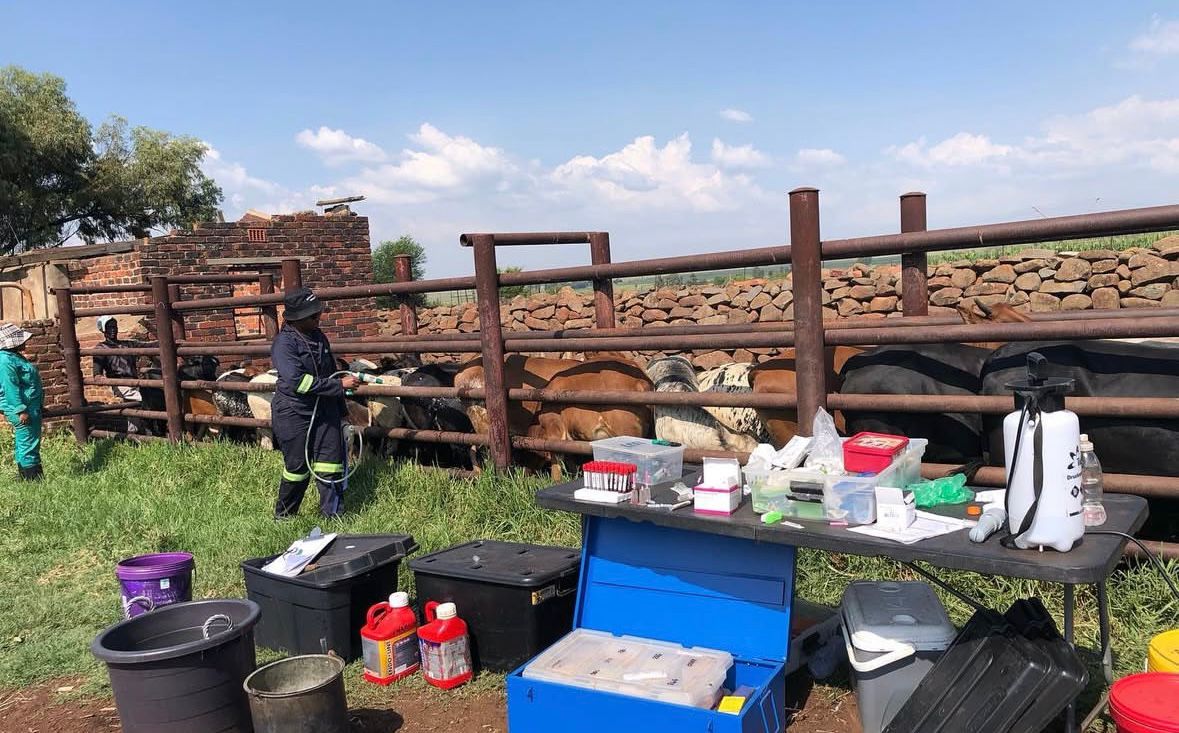
Makgatho began learning the business from the ground up, from record-keeping and breeding decisions to herd management and veterinary basics. It was a steep learning curve, but one she approached with determination.
“Maliviwe (from the Gauteng Department of Agriculture and Rural Development) taught me how to record each animal’s birth date, weight and lineage. That information helps you make proper breeding decisions and avoid inbreeding.”
Her respect for the Nguni breed also grew deeper. Indigenous, hardy and well adapted to South African conditions, Nguni cattle are valued for their fertility, resilience and ability to thrive on natural grazing.
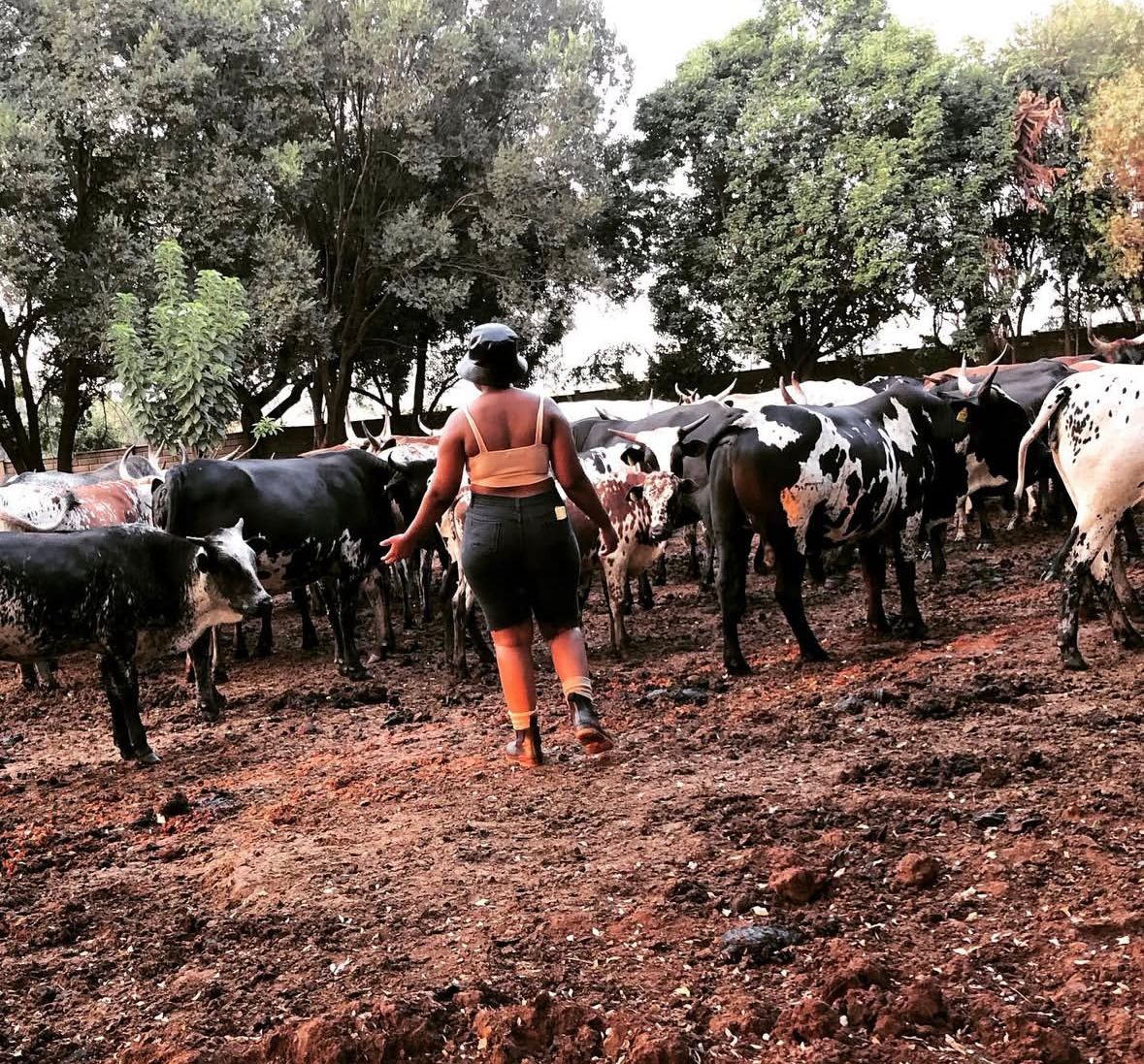
“They are incredibly resilient animals. They resist disease, they are fertile and they adapt well to our environment. You do not need to spend huge amounts on feed supplements because they thrive on grazing,” she says. “I also love their temperament. They are calm animals but very protective.”
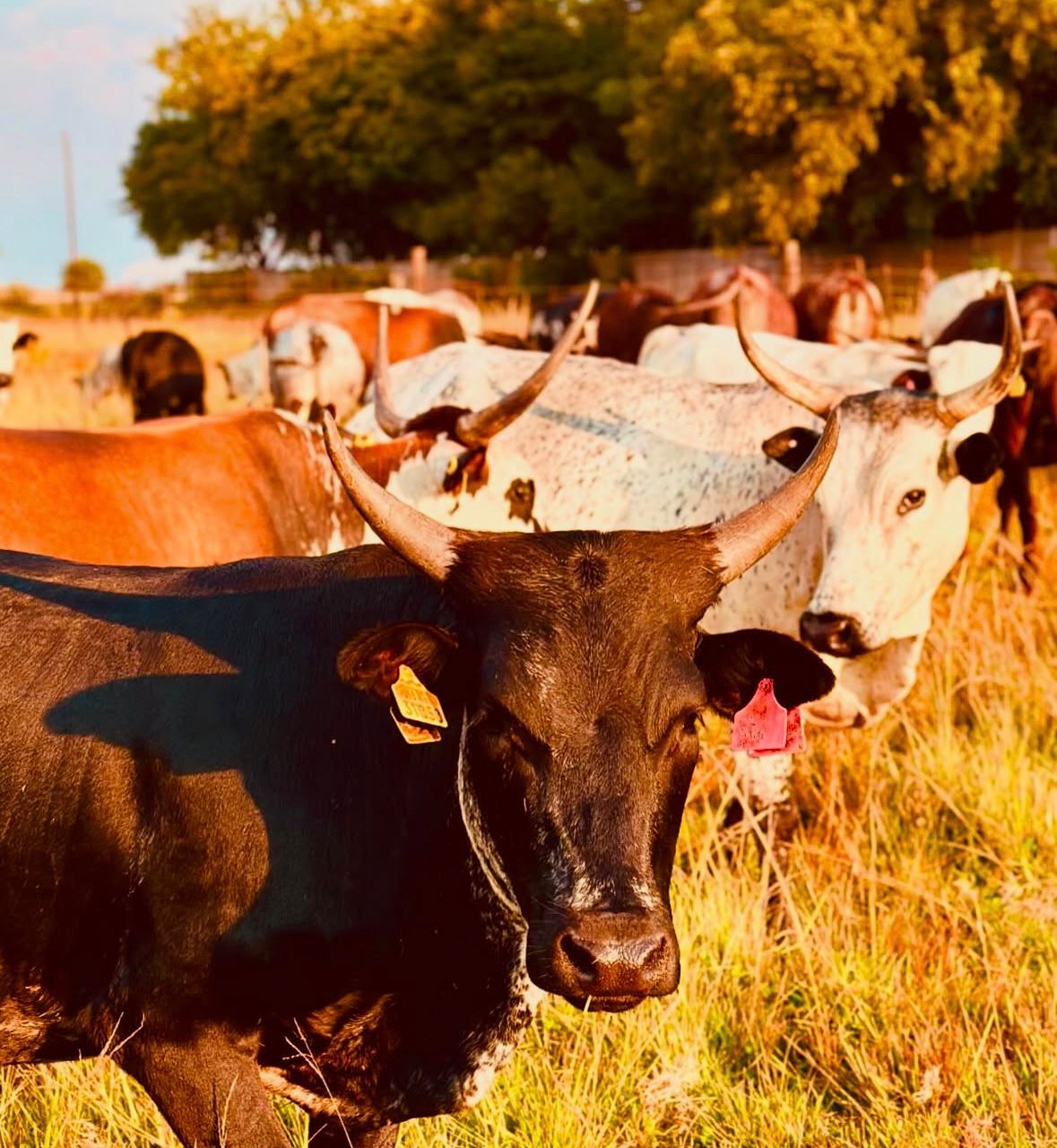
That protective streak, she says, revealed itself dramatically when thieves tried to steal the herd.
“The cattle actually chased them away. They only managed to cut off part of one cow’s tail.”
Makgatho’s farming journey has also been shaped by support from the Gauteng IDC Nguni Cattle Development Project, a partnership involving the Gauteng Department of Agriculture and Rural Development, the IDC and the University of Pretoria. She credits the programme with helping her build confidence and structure as a farmer.
“It gave me structure and guidance. The project helped me understand breeding programmes, record-keeping and herd management.”
What also stands out about Makgatho is her honesty about money. She does not dress farming up as a passion project detached from economics.
“I love money. I say that honestly. Farming must be profitable. If you do not treat it as a business, you will struggle.”
That thinking shapes how she markets her cattle. Rather than depending heavily on auctions, she has focused on cultural markets such as weddings and initiation ceremonies, and even created a stokvel model through which families contribute over time before sharing meat from a slaughtered animal.
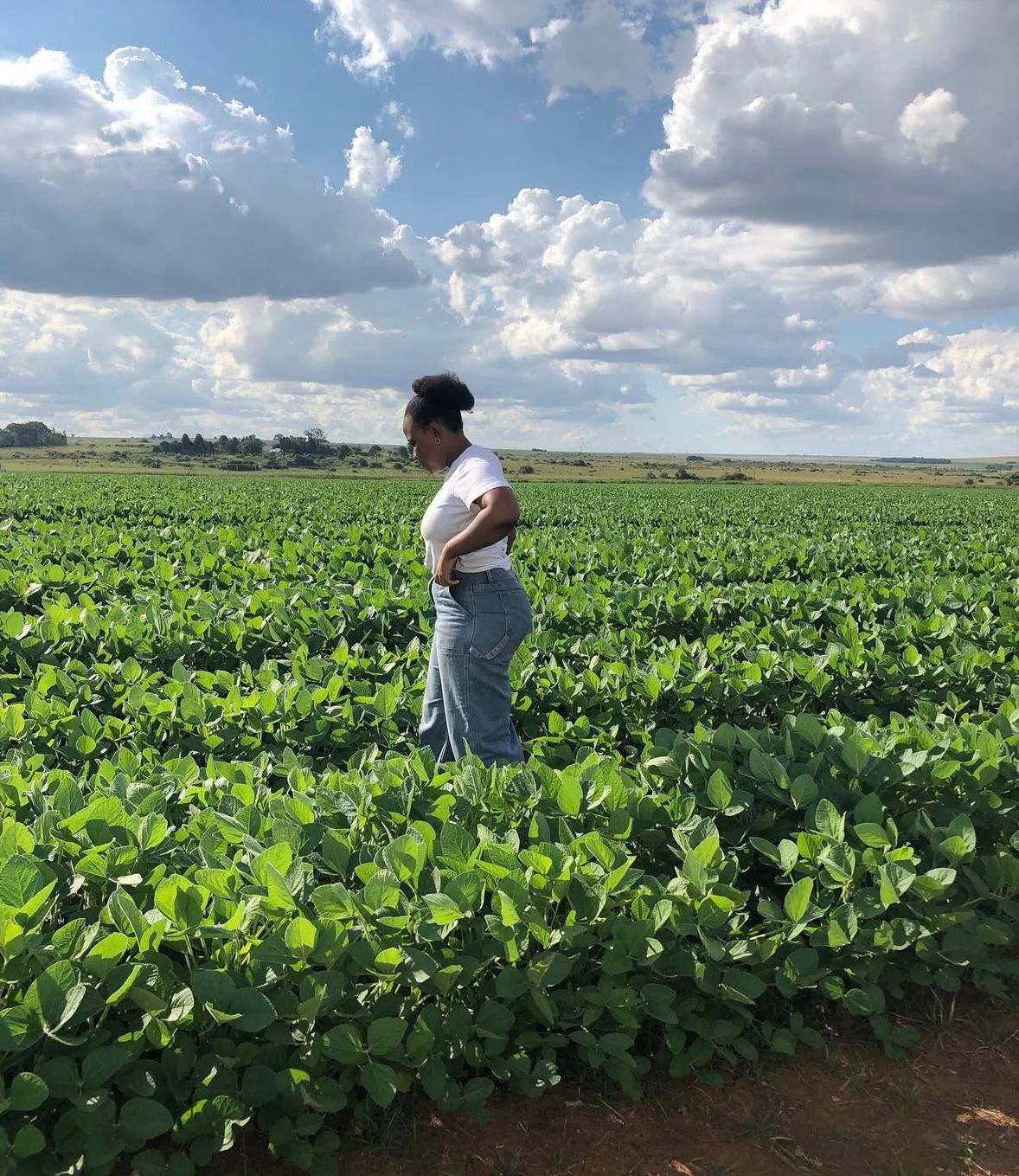
She is equally passionate about bringing more women into agriculture.
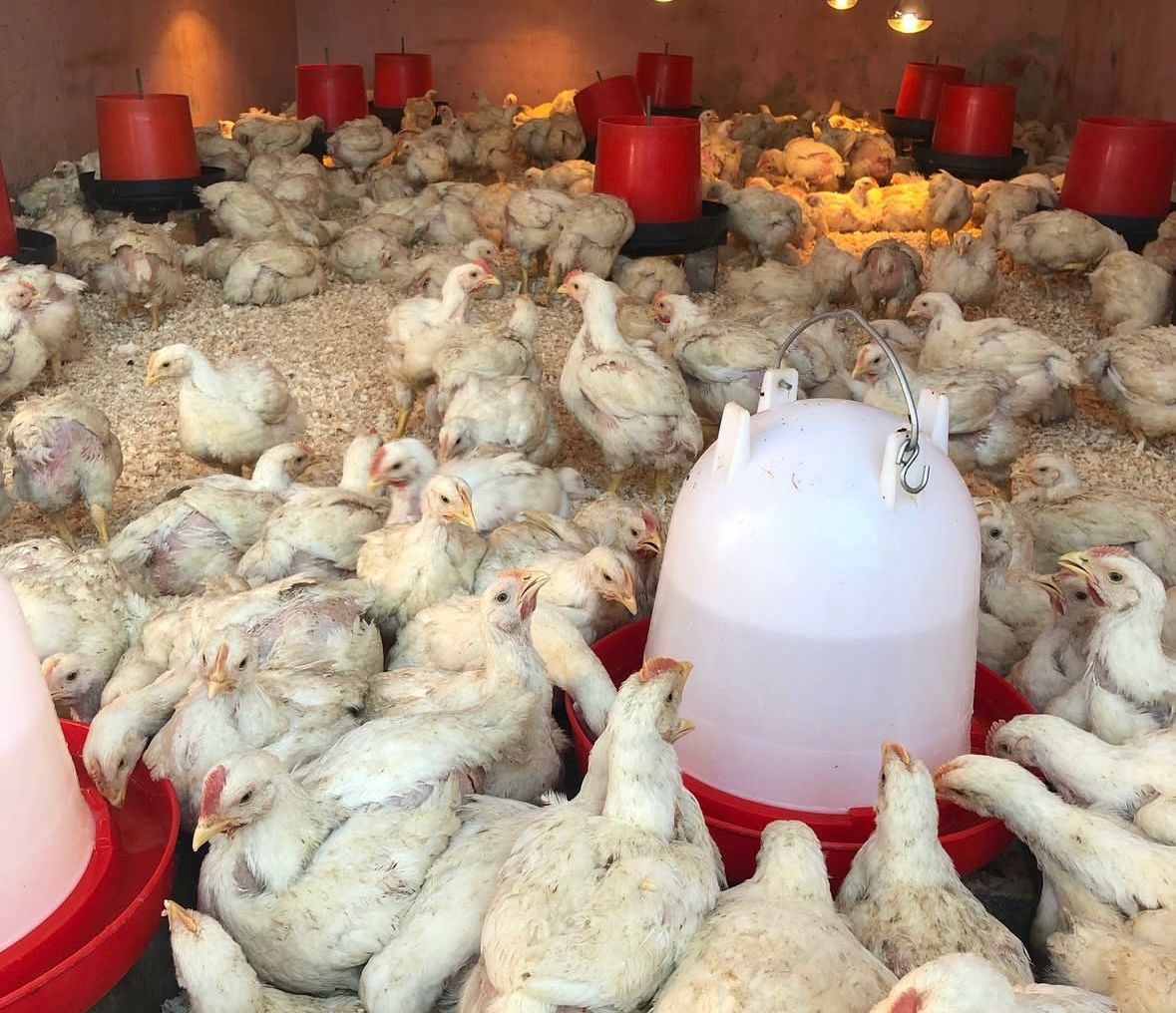
“When I started, I did not see many women leading farms,” she says. “I always tell other women to start small. Whether it is chickens, vegetables or cattle, the important thing is to begin.”
Her long-term vision is bigger than cattle alone. She wants the farm to grow into a model of mixed agriculture, with livestock, crops and perhaps even agri-tourism.
“My background in film taught me the power of storytelling,” she says. “Now my story is rooted in agriculture.” It is a powerful shift. One born from loss, but carried forward with grit, business sense and a deep respect for what came before.
For Cecilia Makgatho, the dream changed. The storytelling did not.