By Staff Writer
In the space of a week, South Africa has been shaken by two road rage incidents that ended in tragedy.
In one, a teenager lost his life after a confrontation with a taxi driver. In another, in the quiet suburb of Emmarentia, a bumper bash escalated into a fatal shooting in front of children. A family outing turned into a nightmare in seconds.
These are not isolated incidents anymore. They are warnings.
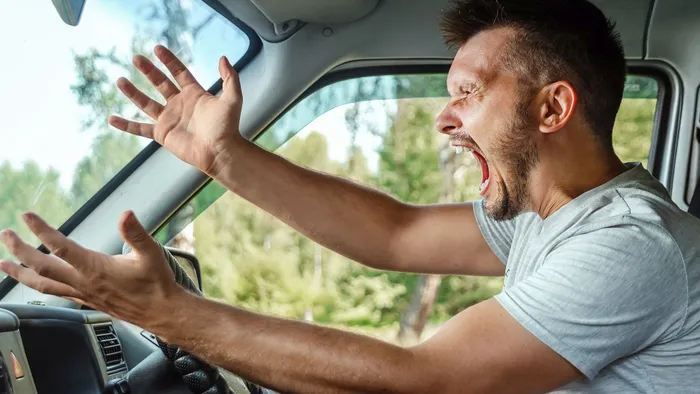
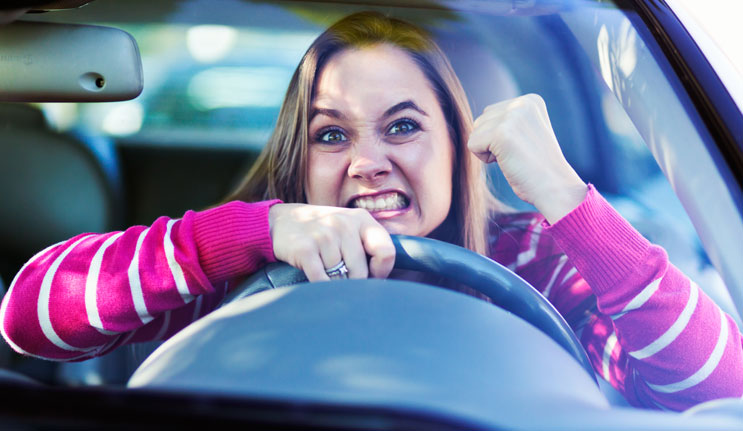
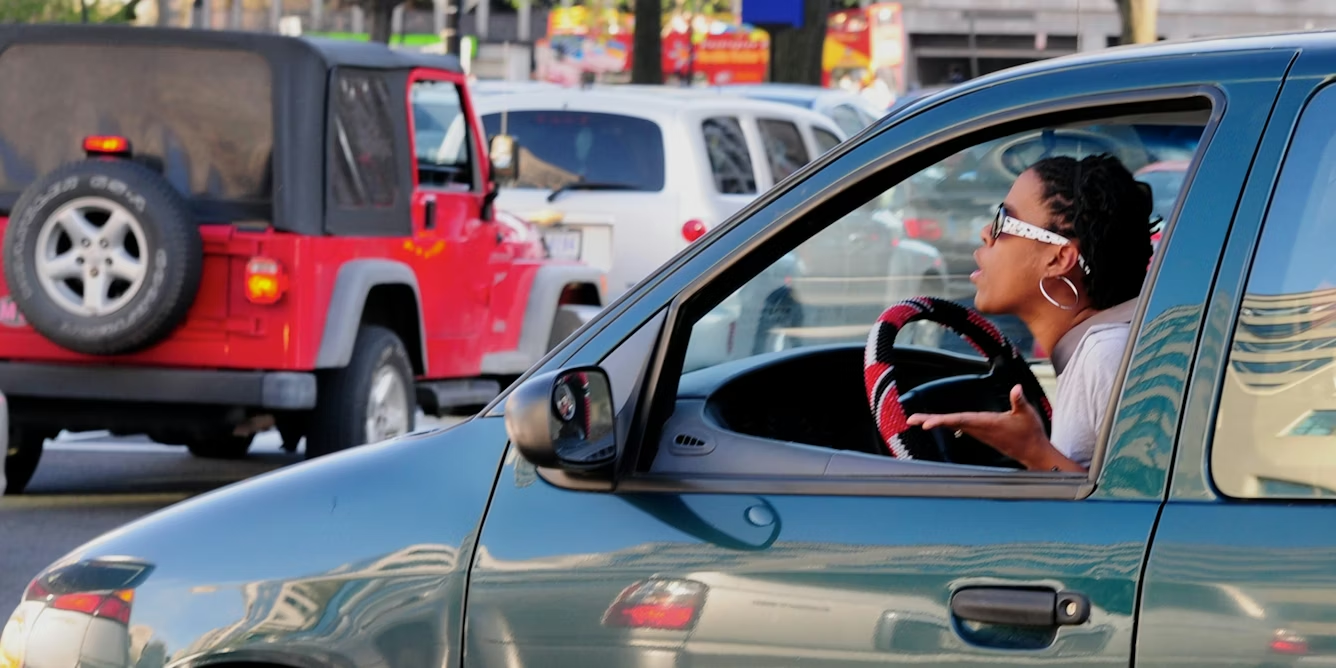
We often dismiss aggressive driving as part of daily life. Someone cuts you off, hoots too long, pushes into your lane. It feels normal. But road rage is not normal. It is the point where frustration turns into something far more dangerous and, often, criminal.
According to safety experts, aggressive driving is usually the starting point. Road rage is what happens when that aggression escalates into confrontation, retaliation or violence. And the truth is uncomfortable. Most road rage has very little to do with driving. It is anger that people carry into their cars. Stress from work. Pressure at home. Frustration that has nowhere else to go. The car becomes the outlet.
So what do you do when you find yourself in that moment?
What to do if you’re caught in a road rage situation
1. Do not engage
The biggest mistake is responding. A gesture, a hoot, eye contact, all of it can be seen as a challenge. Even if you are right, engaging can escalate the situation instantly.
2. Slow down and create space
Distance is your safest option. Change lanes, take the next turn, or pull into a busy public area if you feel threatened.
2. Slow down and create space
Distance is your safest option. Change lanes, take the next turn, or pull into a busy public area if you feel threatened.
3. Stay inside your vehicle
Never get out of your car to confront another driver. What starts as an argument can turn violent in seconds.
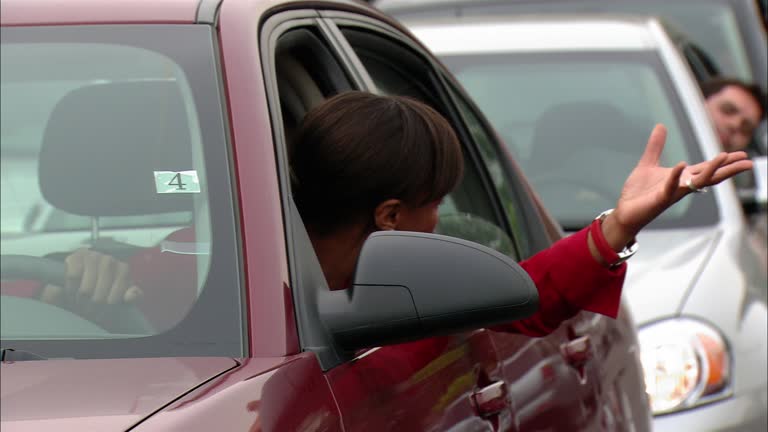
4. Acknowledge, then move on
If you made a mistake, a simple, calm hand gesture can defuse tension. Not to argue, but to show there is no fight to be had.
5. Call for help if needed
If you are being followed or feel unsafe, head to the nearest police station or populated area and call for assistance.
What not to do
Do not chase another driver.
Do not retaliate.
Do not try to “teach someone a lesson”.
And most importantly, do not let your ego take control.
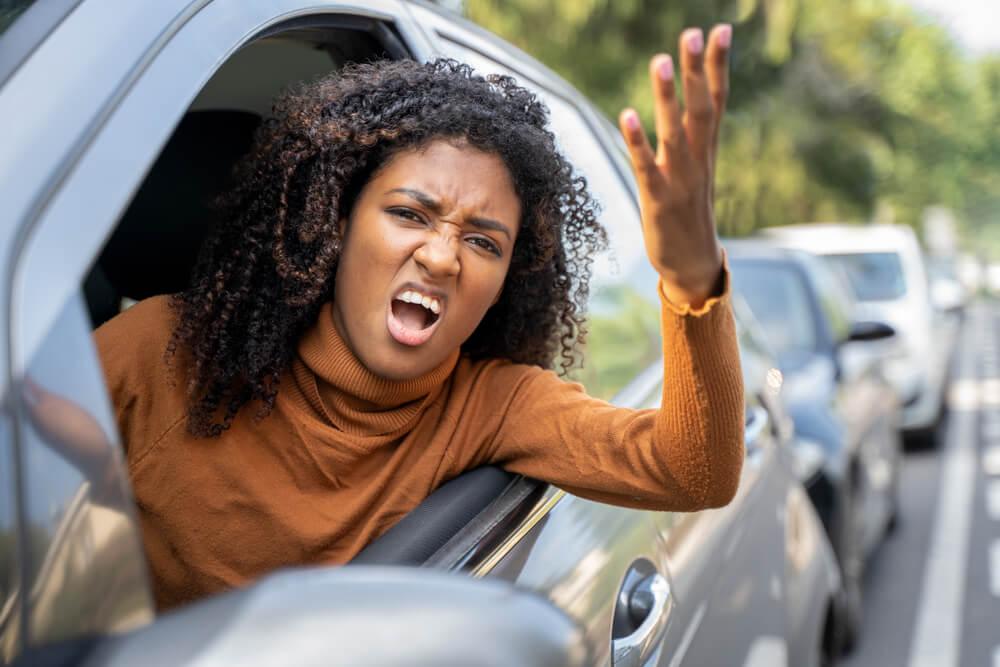
Many road rage incidents are driven by a sense of personal space being invaded. Someone cuts in, and it feels personal. But reacting emotionally is what turns a moment into a crisis.
Why this matters more than ever
We are driving in a high-stress environment. Congested roads, long commutes and a culture that has become increasingly impatient. Add to that the anonymity of being behind the wheel, and people behave in ways they never would face to face.
Alcohol and drugs make it worse. Studies show that in many serious road rage cases, substance use plays a role in intensifying behaviour.
But perhaps the most sobering reality is this: children are often in the car. Watching. Learning.
Nearly half of road rage incidents involve passengers, many of them young. What they see becomes what they understand as normal behaviour on the road.
A shared responsibility
Road safety is not only about obeying rules. It is about how we treat each other in a shared space.
Every time we react with patience instead of anger, we reduce the risk for ourselves and for everyone around us.
Because the difference between a near miss and a headline is often just one decision. On South Africa’s roads, that decision matters more than ever.