By Staff Writer
Tyres are easy to ignore. Until something goes wrong.
For many drivers, tyres are only checked when they go flat. But long before that happens, they may already be unsafe .And when tyres fail, the consequences are immediate. They are the only part of your vehicle that touches the road. Everything from braking to steering depends on them. Yet they are one of the most neglected parts of basic vehicle safety.
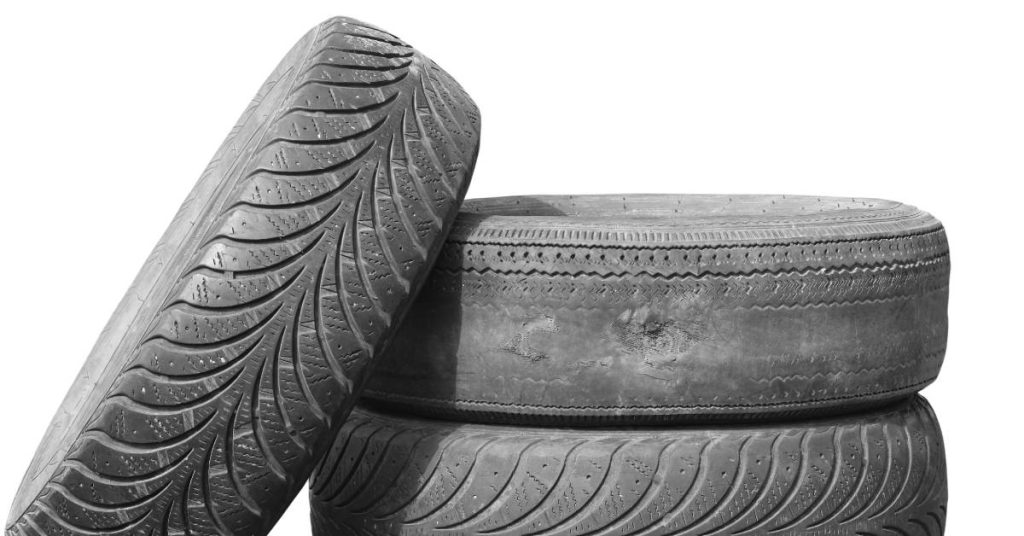
Start with tread. If the grooves on your tyres are worn down, especially below the legal limit, your ability to grip the road is reduced, particularly in wet conditions. That means longer stopping distances and a higher chance of losing control. Then there is tyre pressure. Under-inflated tyres increase fuel consumption and wear unevenly, but more importantly, they can overheat and fail. Over-inflated tyres reduce grip and make the ride unstable.
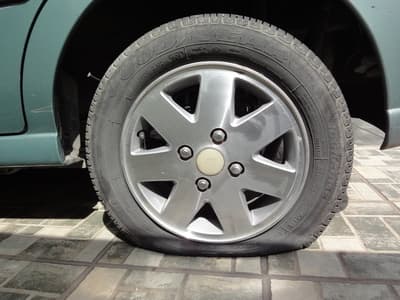
Both are avoidable with a simple check.
What many drivers do not realise is that tyres also age. Even if they look fine, rubber hardens over time, especially in harsh conditions. Cracks on the sidewall or visible damage are warning signs that should not be ignored. Another overlooked issue is mismatched tyres. Different brands or tread patterns on the same axle can affect how the car handles, especially during braking or sudden manoeuvres.
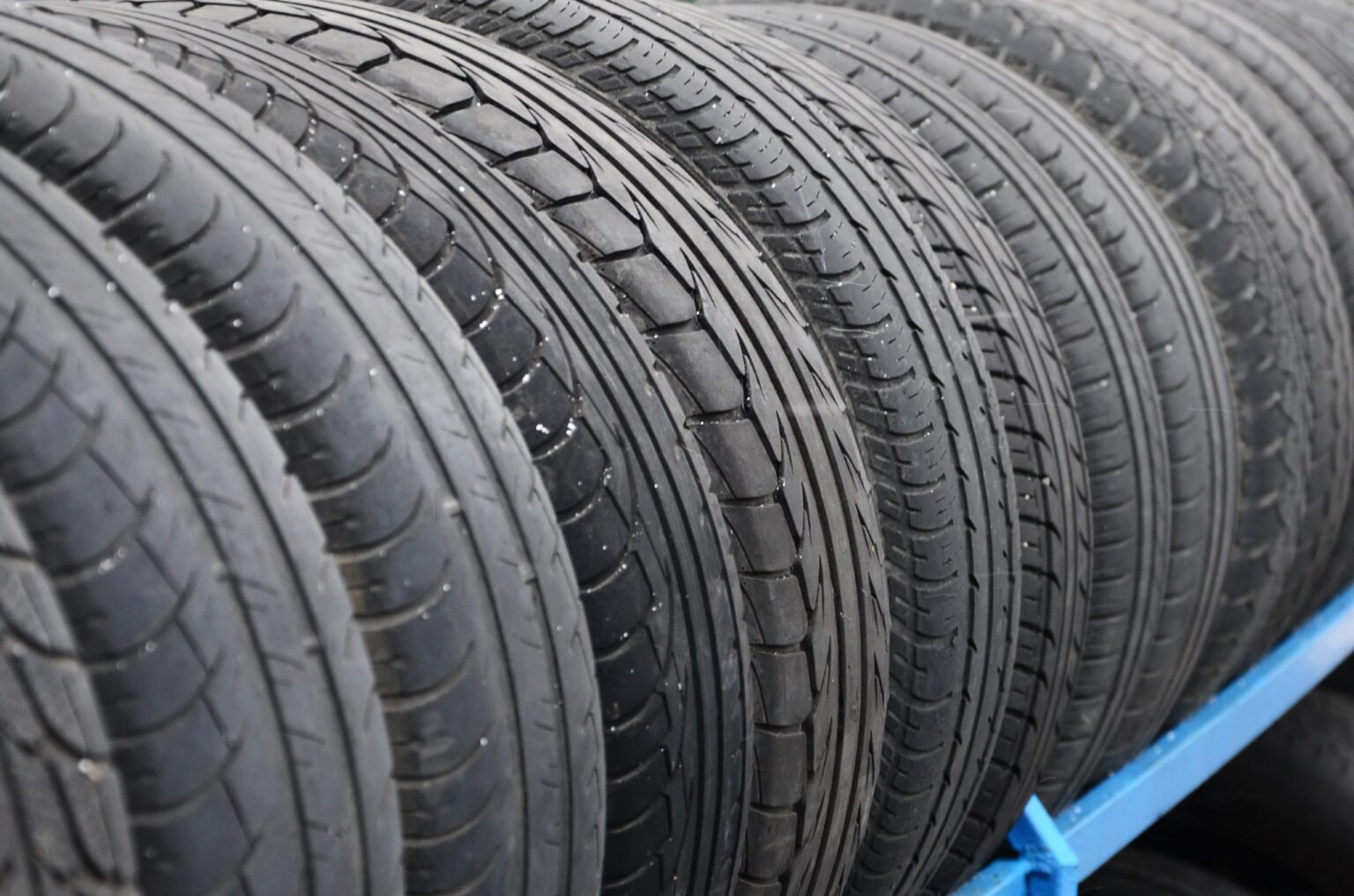
For those driving long distances, carrying heavy loads or travelling on uneven roads, tyre condition becomes even more critical. The good news is that tyre safety does not require specialist knowledge.
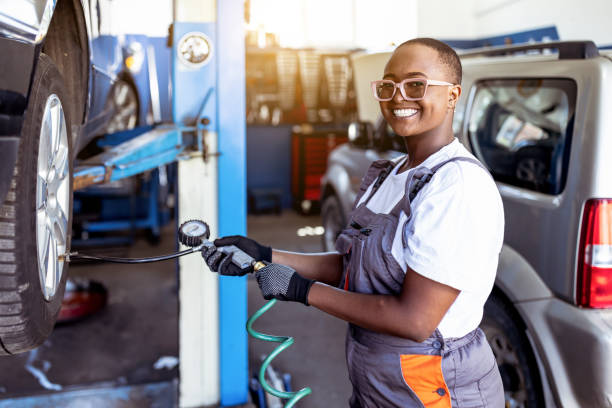
A quick visual check once a week, a pressure check at a fuel station and replacing tyres when needed can make a significant difference. It is not about perfection. It is about awareness.
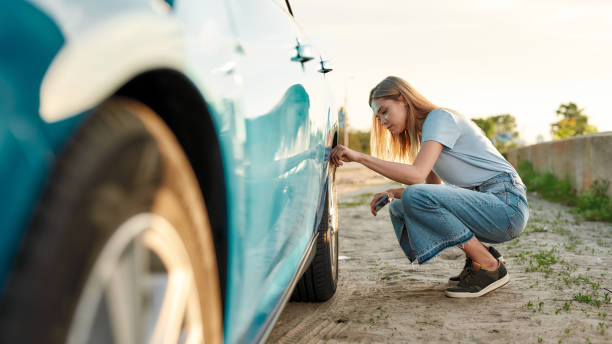
Because when something goes wrong at speed, tyres are often where it starts. And where it could have been prevented.