Staff Writer
Spring has arrived. For many, that means the first signs of green returning to the landscape. For farmers, however, September is when preparations for the season ahead begin, and the decisions made now can shape the next harvest.
Across South Africa's summer rainfall regions, fields are being prepared, seed selected and fertiliser and other inputs planned. And while no farmer can control what the weather will do, there is plenty that can be done before planting to reduce risk.
That preparation may be particularly important this year. The latest Southern African seasonal outlook favours below-normal rainfall across most of South Africa from October to December, with a developing El Niño expected to influence the 2026/27rainy season.
It doesn't mean every farm will be dry or that farmers should panic. Seasonal forecasts deal in probabilities, not guarantees. But they are a reminder that this is not the season to leave important decisions until the tractor is already in the field.
Here are six things worth getting right now.
1. Don't buy seed on reputation alone
Good seed is the beginning of a good crop, but the most expensive or popular varietyisn't automatically the right one for your farm.
Different cultivars are bred to perform under different conditions. Soil, rainfall, temperature, disease pressure and the length of the growing season all matter.
For soybeans, for example, the Agricultural Research Council (ARC) says the length of the growing season is one of the most important considerations when choosing a cultivar. Planting the wrong type for your area can affect when the crop flowers and matures and ultimately how well it performs.
So ask questions before buying. Which cultivar performs well in your area? How does it cope with drier conditions? What diseases is it susceptible to? Are there trial results from farms with conditions similar to yours?
Grain SA similarly recommends discussing your soil, farming practices, resources and local conditions with seed suppliers when choosing maize hybrids. Seed is too important an investment to choose simply because somebody else planted it successfully.
2. Let the soil tell you when it is ready
Spring Day doesn't mean Planting Day.
Planting windows vary by crop and location, and rainfall remains an important part of that decision.
Seed planted into soil without enough moisture may struggle to germinate and establish properly. Waiting too long can create a different set of problems by shortening the growing period or pushing important stages of crop development into less favourable conditions.
The calendar should guide you, but conditions on your farm should have the final say.
Check soil moisture, follow local weather forecasts and know the recommended planting window for your crop and area before putting seed into the ground.
3. Test before you fertilise
Before spending money on fertiliser, find out what is already in your soil.
A soil test can reveal nutrient deficiencies, acidity and other conditions that may affect crop performance. It can also prevent you from paying for nutrients the soil doesn't need.
This is particularly important for a smaller farmer working with a limited input budget. Every rand needs to work.
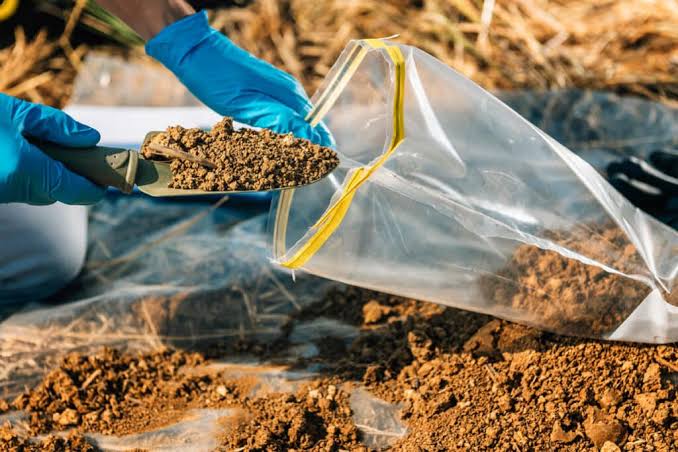
If one section of a field performed poorly last season, don't immediately assume the seed was responsible. The problem could be soil fertility, acidity, drainage or another underlying condition.
Think of a soil test as a health check before the season begins. Diagnose first, then decide what treatment is required.
4. Protect every drop of moisture
If rainfall proves less reliable this summer, the water already in your soil becomes even more valuable. That makes seemingly simple jobs important.
Control weeds early because they compete with your crop for water and nutrients. Where your production system allows, keeping crop residue on the soil surface can help reduce evaporation and protect the ground from excessive heat.
It is also worth checking irrigation equipment before it is urgently needed. A leaking pipe, blocked nozzle or poorly positioned sprinkler wastes water and money.
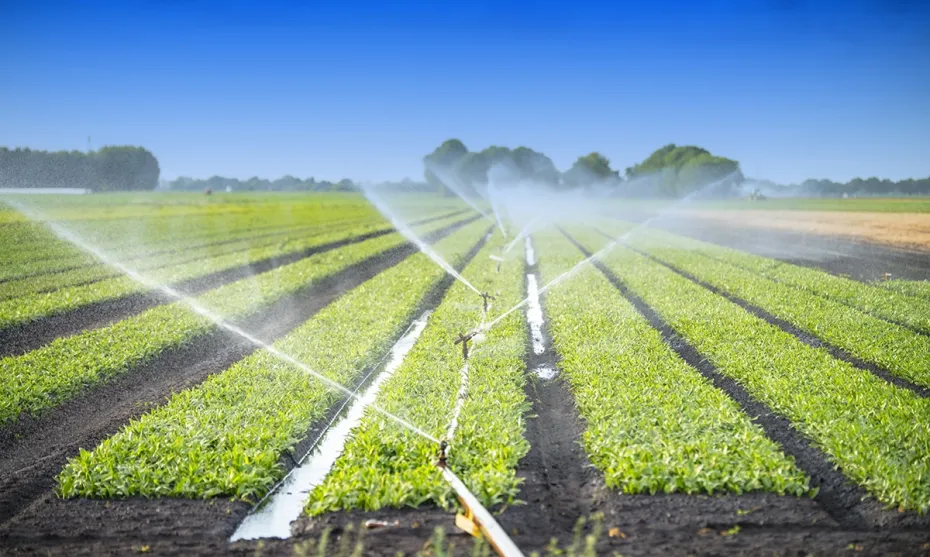
Good water management doesn't begin when the farm becomes dry. It begins before planting.
5. Look backwards before moving forward
One of the cheapest farming tools you have is last season's experience.
Which field performed best? Which cultivar disappointed? Where did weeds become difficult to control? Which part of the farm stayed wet after heavy rain and which dried out first?
Grain SA recommends keeping records of soil tests, seed varieties, inputs and other production information because those records help farmers make better decisions from one season to the next.
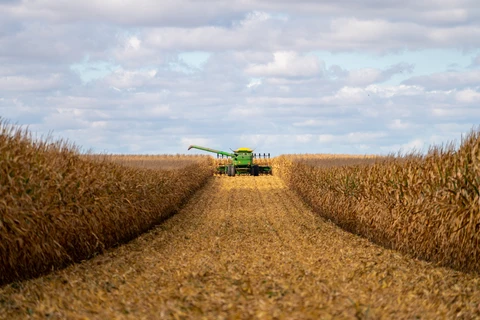
You don't need complicated software. A notebook, spreadsheet or notes on your phone can become a useful history of your farm. Over time, that information helps you stop farming from memory and start making decisions from evidence.
6. Have a Plan B before the rain arrives
Every planting plan should leave room for the unexpected.
What happens if the first rains arrive late? Is there a shorter-season cultivar that could reduce your risk? If your budget becomes tighter, which fields should receive priority? If a particular crop no longer makes sense, what alternatives are suitable for your area?
The ARC's cultivar evaluation work specifically considers factors such as adaptation, yield stability and performance in different production regions because the right cultivar can help farmers manage production risk.
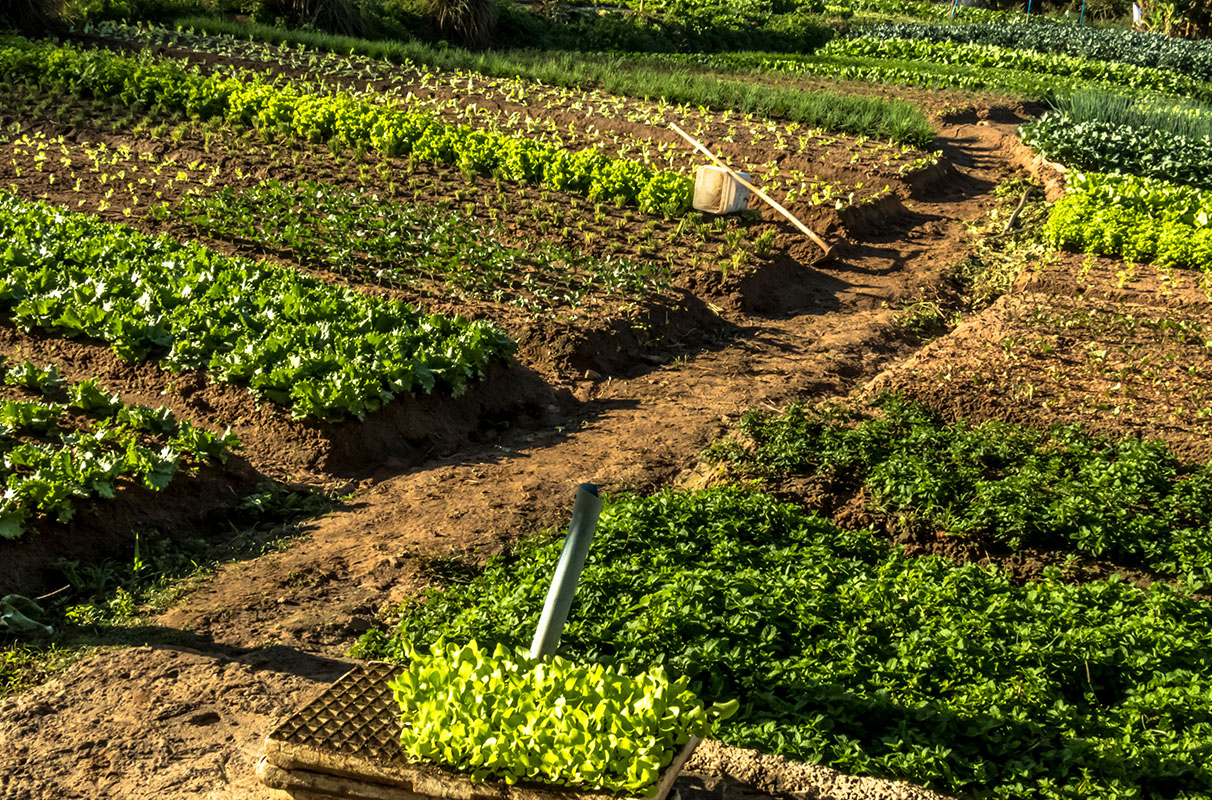
Planning alternatives now doesn't mean expecting the season to fail. It means giving yourself choices if conditions change.
A better harvest starts before planting
Farming will always involve things you cannot control. Rain may arrive early, late or not in the quantities you hoped for. Temperatures can change and input prices can move.
But many of the decisions that influence a harvest remain firmly in the farmer's hands.
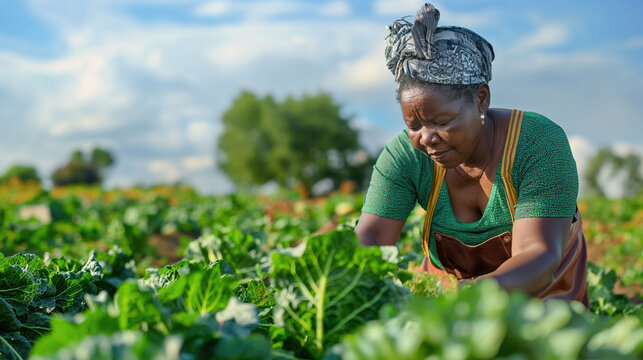
Choosing seed suited to your conditions, understanding your soil, protecting moisture, learning from last season and preparing alternatives don't guarantee a bumper crop.
They do something just as important: they give that crop a better chance before the first seed even touches the soil. And as a new season begins, that may be the best place to start.