Staff Writer
You know how your car feels on the school run, crawling through morning traffic or squeezing into a tight parking space. But would you know what to expect from it if you suddenly had to brake hard, swerve away from danger or navigate a badly damaged stretch of road?
That question stayed with us after this weekend's Festival of Motoring at Kyalami Grand Prix Circuit. Among the new-car launches and displays, visitors could experience vehicles on the circuit, handling track and dedicated 4x4 course, offering a rare opportunity to feel how different cars behave beyond everyday driving.
As Women's Month comes to an end, there is a useful safety lesson in that experience. Knowing your car and how it responds can make you a more confident driver, particularly when something unexpected happens.

Know what happens when you brake hard
Imagine a car pulling out in front of you and forcing you to brake much harder than usual. In a vehicle fitted with ABS, you may feel rapid pulsing through the brake pedalas the system works to prevent the wheels from locking. If you've never experienced that sensation, your instinct may be to ease off the pedal at exactly the moment you need firm braking.
This is where familiarity helps. Consider taking an advanced or defensive driving course where emergency braking and other manoeuvres can be practised safely under professional instruction. Even when buying a new car, ask the salesperson to explain how its braking and safety systems work rather than concentrating only on comfort, connectivity and performance.
Understand the technology you're already paying for
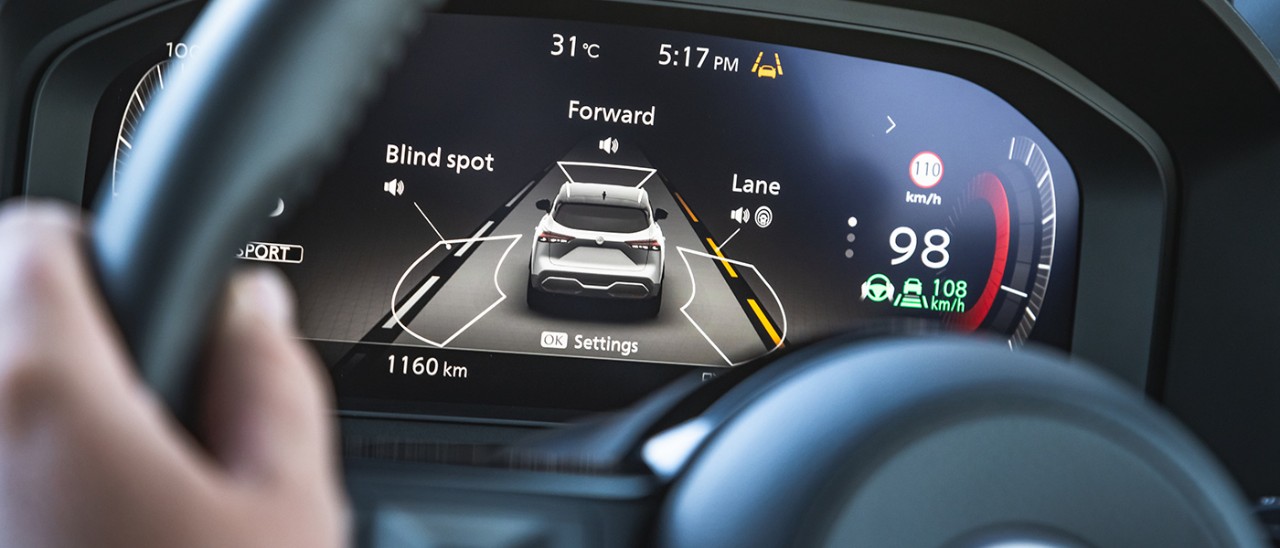
Many newer cars have safety systems quietly watching the road with you, from blind-spot monitoring and lane-departure warnings to reversing cameras, parking sensors and emergency-braking assistance.
Knowing that your car has these features isn't enough. Find out how they alert you, where their controls are and what the warning symbols on your dashboard mean. Spend 20 minutes with the owner's manual, ask your dealership for a demonstration or search the vehicle manufacturer's official online guides.
Most importantly, remember that these systems support the driver rather than replace attentive driving.
Learn the size and limits of your car
Watching SUVs tackle Kyalam's 4x4 course was a reminder that capability varies considerably from one vehicle to another. The same lesson applies when you're nowhere near an off-road trail.
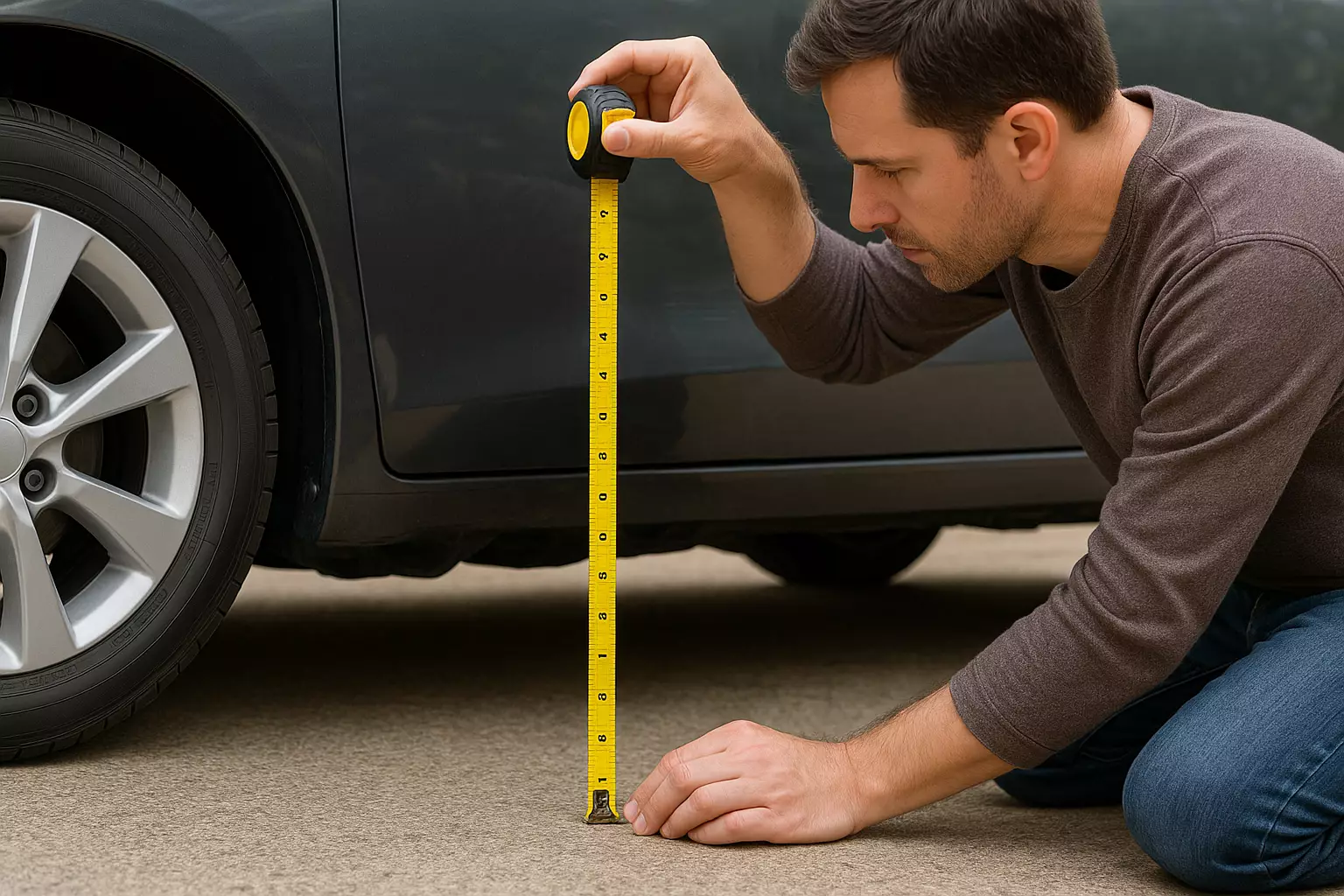
Knowing your car's ground clearance can help you judge whether that enormous pothole, flooded section of road or badly maintained gravel route is something you should attempt or avoid. Knowing where the corners of your vehicle are, how sharply it turns and what you can see through your mirrors also makes everyday manoeuvres safer.
Don't allow the badge on the boot or the height of an SUV to give you false confidence. If the road ahead looks unsafe, turning around can be the smartest driving decision you make.
Make your next test drive count
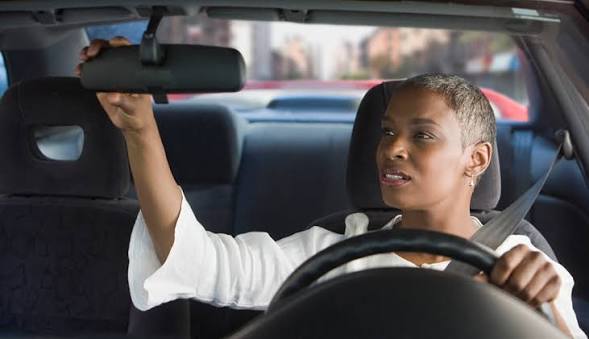
The next time you test-drive a car, use those 20 or 30 minutes differently. Adjust the seat, steering wheel and mirrors yourself. Test the reversing camera and parking sensors. Ask where the spare wheel, jack or tyre-repair kit is stored and how to use it. Find out what roadside assistance is included and ask the salesperson to demonstrate the safety features rather than simply telling you they're there.
You are buying the whole car, so understanding how it can help keep you safe should be part of the buying decision.
Turn familiarity into confidence
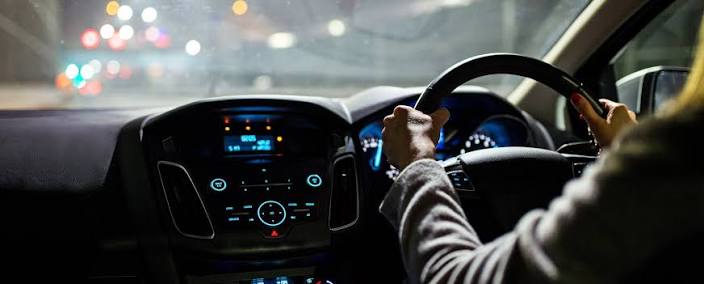
You don't need a racetrack or 4x4 course to start getting to know the car already parked in your driveway. Sit in it this week and find the hazard-light switch without looking. Locate the spare wheel or repair kit. Check that you know how to open the bonnet, activate the fog lights and demist the windscreen. Then find out which driver-assistance systems your car has and how they work.
Women's Month may be ending, but becoming a more confident and informed motorist is something worth carrying forward.
Knowing your car won't prevent every emergency. It can, however, mean that when something unexpected happens, you're not meeting your own vehicle for the first time.