
By Gugulethu Tshabalala
How to spot travel booking scams and still pack your bags with confidence
You've been saving for months, the group chat is buzzing, and suddenly , there it is. The deal that makes your jaw drop in the best possible way. Flights from Joburg to Cape Town for next to nothing. A five-star Airbnb in Ballito for less than a McDonald's family meal. A safari package that somehow includes game drives, accommodation, and all meals for a price that shouldn't be possible.

The excitement is real. The desire to book immediately is completely understandable. But here's the thing , some of those deals are exactly what they look like. And others? Not so much. The good news is that most travel scams are entirely avoidable once you know what to look for. And knowing doesn't mean being paranoid, it just means being switched on. So let's talk about it, without killing the vibe.
Six things to keep in mind before you hit "pay now"
If it feels too good to be true, pause , don't panic
A genuine sale is a beautiful thing. Airlines drop fares, guesthouses offer off-peak specials, and last-minute deals are very real. But there's a difference between a great deal and an impossible one. If The Royal Madikwe Luxury Safari Villas is listed at R800 per night on a random Facebook group, but R37 000 per night everywhere else, that gap should give you pause. Scammers rely on urgency and excitement to switch off your instincts. The simple fix? Take a breath, open a few tabs, and compare.

Book through platforms you actually know
Stick to booking platforms with a solid reputation. Booking.com, Airbnb, Expedia, Safari Now, Travel Start, and airline websites are your safest bets. These platforms have built-in protections: verified listings, review systems, and customer service you can actually reach. Be extra cautious with deals that come through WhatsApp groups, unsolicited emails, or pop-up websites you've never heard of. If you're on a site you don't recognise, check the URL carefully , fake sites often swap a letter or add a word to mimic the real thing.
Read the reviews — all of them
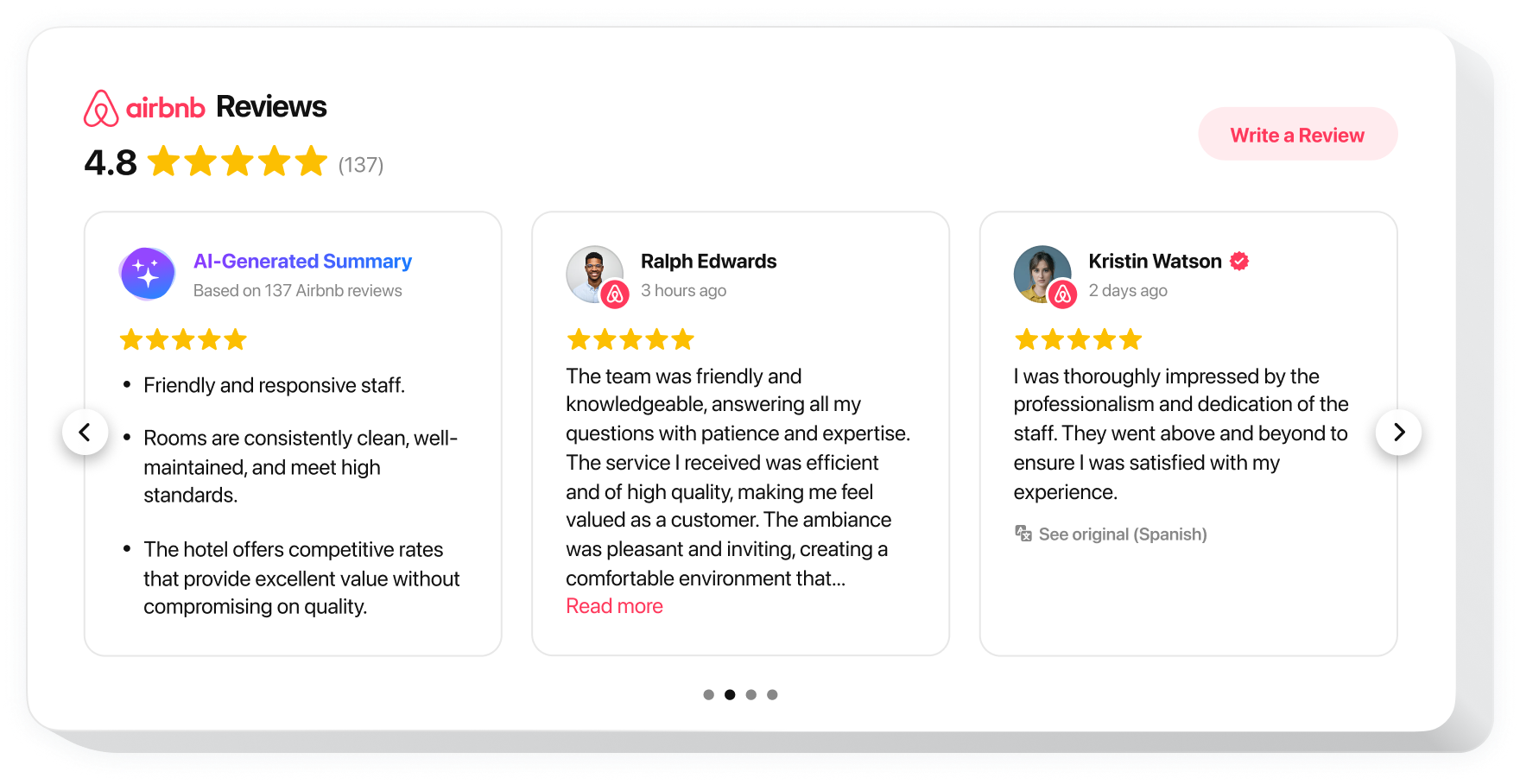
Reviews are your best friend. A legitimate property or service will have a trail of honest feedback from real travellers. Look for consistent themes, recent dates, and responses from the host or operator. Watch out for listings with zero reviews, or suspiciously glowing reviews that all sound the same. On Airbnb, for example, a host with 200 five-star reviews has a track record worth trusting. A host with three reviews from last week and a villa that looks like it's been photoshopped from Pinterest? That's worth a closer look.
Please don't EFT money to a stranger
This one is especially important for South African travellers, because EFTs are so normal in our daily lives. But sending an EFT to an unknown accommodation provider, a "travel agent" you found on Instagram, or someone who slid into your DMs with a deal is a massive risk. Once that money leaves your account, it's almost impossible to recover. Use a credit card where possible (it offers dispute protection), or a secure platform like PayFast or PayPal. If a "host" refuses anything other than a direct bank transfer and insists you move quickly , that's your sign to walk away.

Always verify your booking after you've paid
Once you've booked and paid, don't just screenshot the confirmation and forget about it. Go directly to the airline, hotel, or car hire company's official website and verify that your booking actually exists. Scammers sometimes send convincing fake confirmation emails that look exactly like the real thing. Call the property. Email them directly via an address you found on their official website, not one from the booking confirmation you received. This two-minute check can save you from arriving at an airport with no seat, or a holiday address that doesn't exist.

Trust that little voice in your head
Your gut is surprisingly good at this. If something feels off, the communication is pushy, the listing photos look borrowed, the "agent" can't answer specific questions about the property, or there's constant pressure to pay right now before the deal expires listen to that feeling. Legitimate hosts and operators want your business, but they're not going to evaporate if you take 24 hours to do your homework. Pressure tactics are almost always a red flag. Your instincts are part of your travel kit , use them.

Quick red flags to watch for
Travelling is one of the most joyful things you can do and a little awareness goes a long way toward protecting that joy. Being informed isn't about being fearful. It's about walking into every trip with your eyes open and your wits about you, so that the only surprise waiting for you at your destination is how stunning it is.
South Africa has some of the most incredible travellers in the world , adventurous, resourceful, and endlessly curious. Add "scam-savvy" to that list, and there's genuinely nothing stopping you from xploring wherever your heart takes you. Book smart. Travel boldly. The world's waiting.