By Staff Writer
Last week’s sudden shift in weather caught much of South Africa off guard. One day it was business as usual, the next it was bitterly cold, with strong winds, heavy rain, patches of snowfall and thick mist settling in across parts of the country. For many drivers, the biggest challenge was not just the conditions themselves, but how quickly they changed.
On the road, that shift can happen in an instant. A clear stretch suddenly turns into ablur of rain on the windscreen. Mist rolls in and softens the edges of the road. Spray from trucks reduces visibility to a few metres ahead. In those moments, what you thought you could see is no longer reliable, and the road demands a different kind of attention.
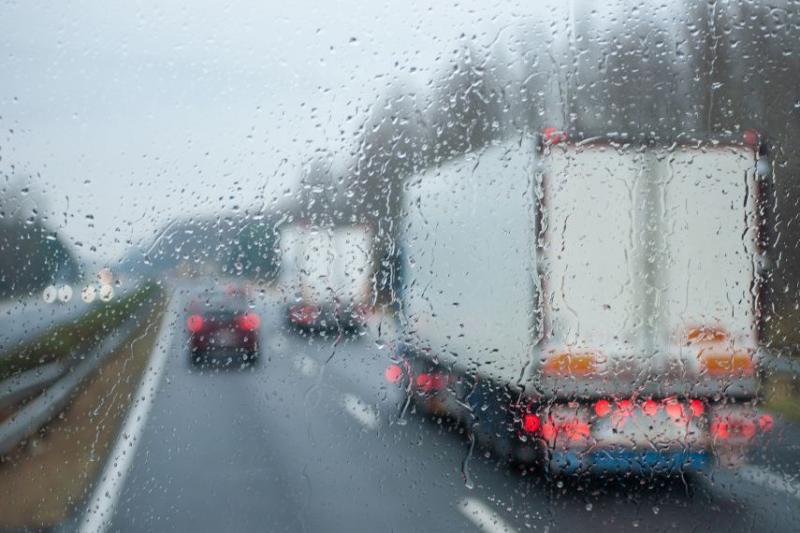
These are the conditions where vigilance matters most. Not because something hasalready gone wrong, but because everything can change before you have time to react.
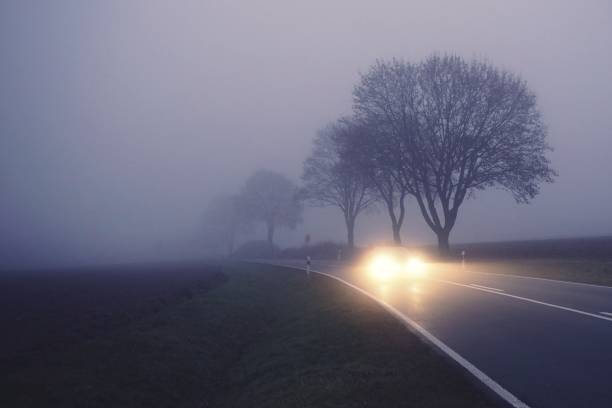
It could be early morning mist on a rural road, dust kicked up by a truck, smoke from aveld fire or sudden fog rolling in. Whatever the cause, visibility drops fast, and with it, your margin for error.
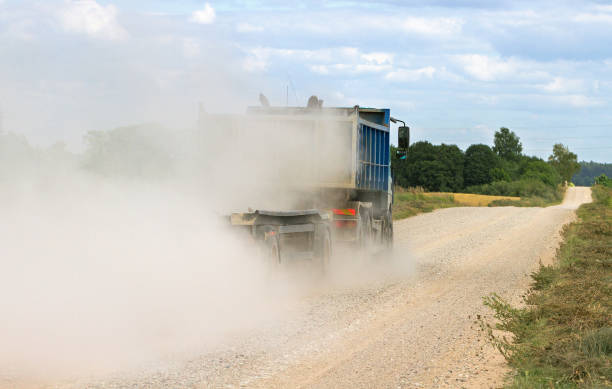
Many drivers instinctively panic in these conditions. Some brake hard. Others keep theirspeed, hoping to push through. Both reactions can be dangerous.
The safer response is quieter, more deliberate.
Start by easing off the accelerator, not slamming on the brakes. Sudden braking can cause the vehicle behind you to collide with you, especially if they cannot see clearly either. Increase your following distance. What feels like enough space in clear conditions is rarely enough when visibility drops.
Your lights matter here, but how you use them matters even more. High beams can reflect off fog, dust or smoke and make visibility worse. Use low beams so that other drivers can see you, and so you can maintain a clearer view of the road ahead.

One of the biggest mistakes drivers make is trying to follow the car in front too closely, using their taillights as a guide. If they make a sudden move or stop, you will not have time to react. Instead, focus on the left edge of the road as a reference point and keep your speed steady and controlled.
If conditions become too severe, the best decision may be to pull over safely. But do this properly. Move completely off the road if possible and switch on your hazard lights. Stopping in the lane, even with hazards on, creates a serious risk for approaching vehicles.
For many South African drivers, especially those travelling between towns or farming areas, these conditions are not rare. They are part of everyday driving.
That is why awareness matters.
Driving is not only about handling the vehicle. It is about reading the environment andresponding early. When visibility starts to drop, that is your signal to adjust, not to push through.
Because when the road disappears, what keeps you safe is not luck. It is how you choose to respond.