By Staff Writer
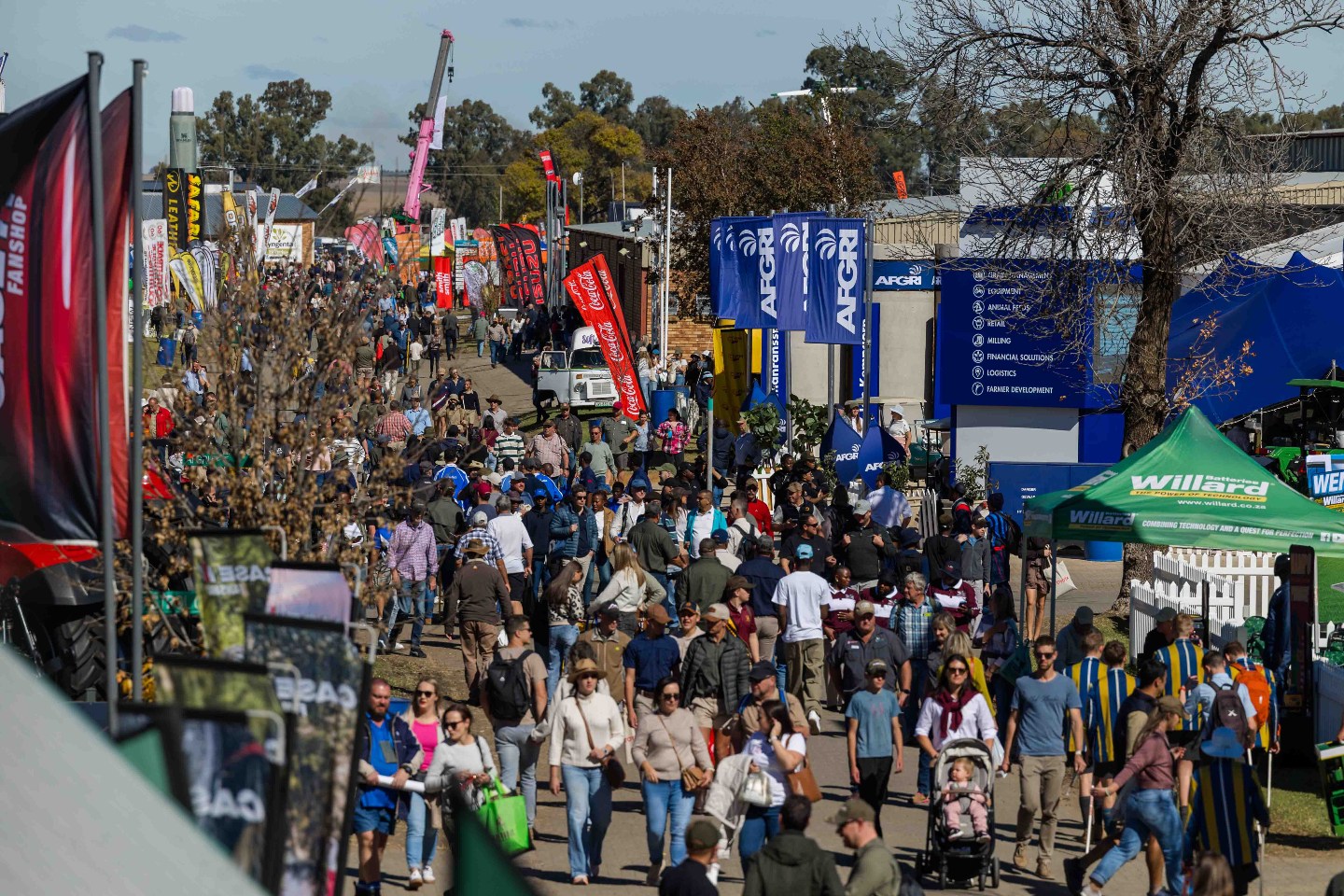
NAMPO has a way of making first-time visitors feel both inspired and overwhelmed. One moment you are standing next to a combine harvester taller than a house, the next you are listening to conversations about drones, exports, financing, biofuels and the future of farming in South Africa. For many emerging farmers who made the journey to Bothaville this year, NAMPO 2026 was a glimpse into what is possible.
Under the theme “Resilience through Innovation”, this year’s NAMPO reflected both the pressures and opportunities shaping agriculture. Rising fuel and fertiliser costs, failing infrastructure, logistics bottlenecks and climate uncertainty dominated many conversations. Yet despite these challenges, the mood remained optimistic and solutions-driven.
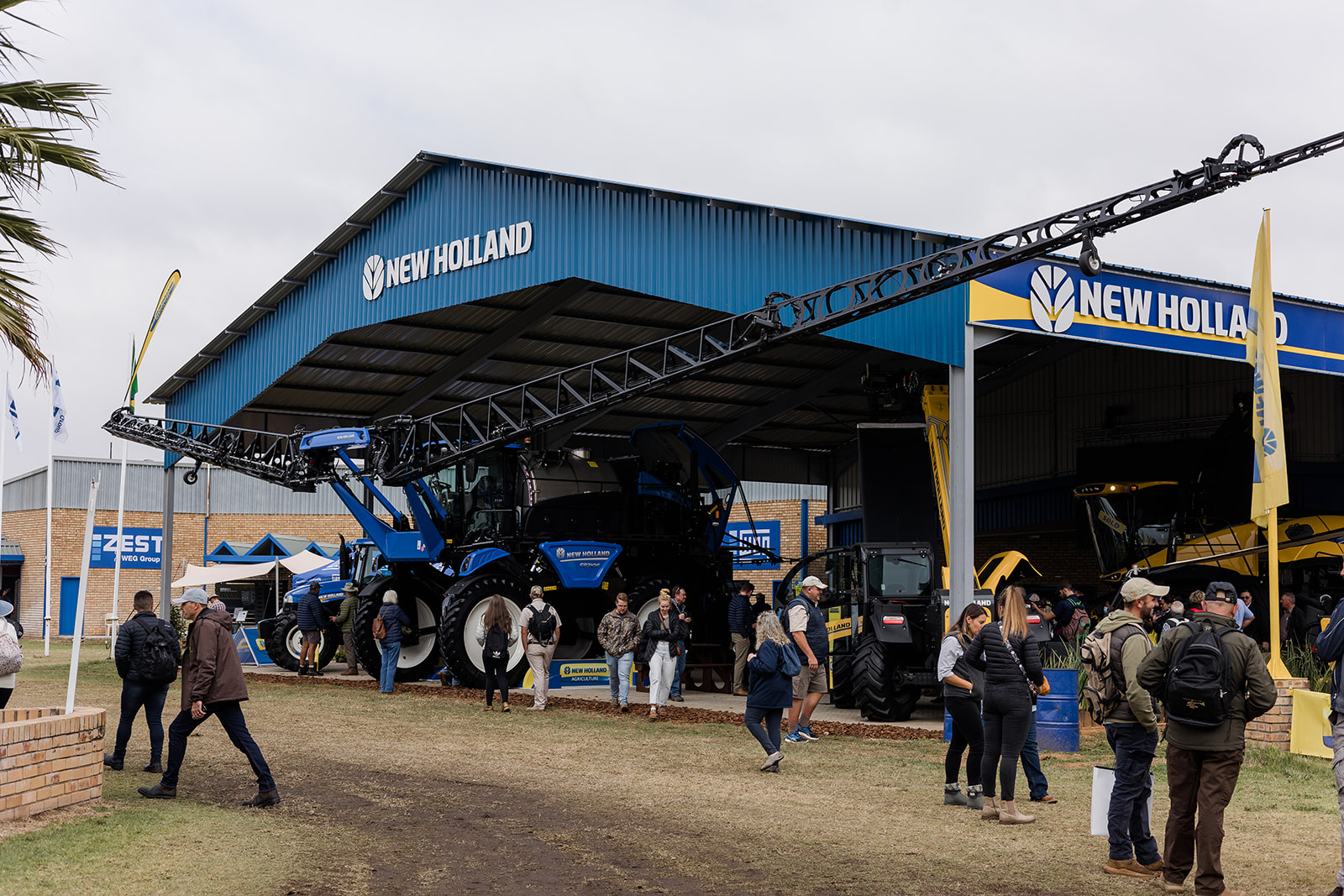
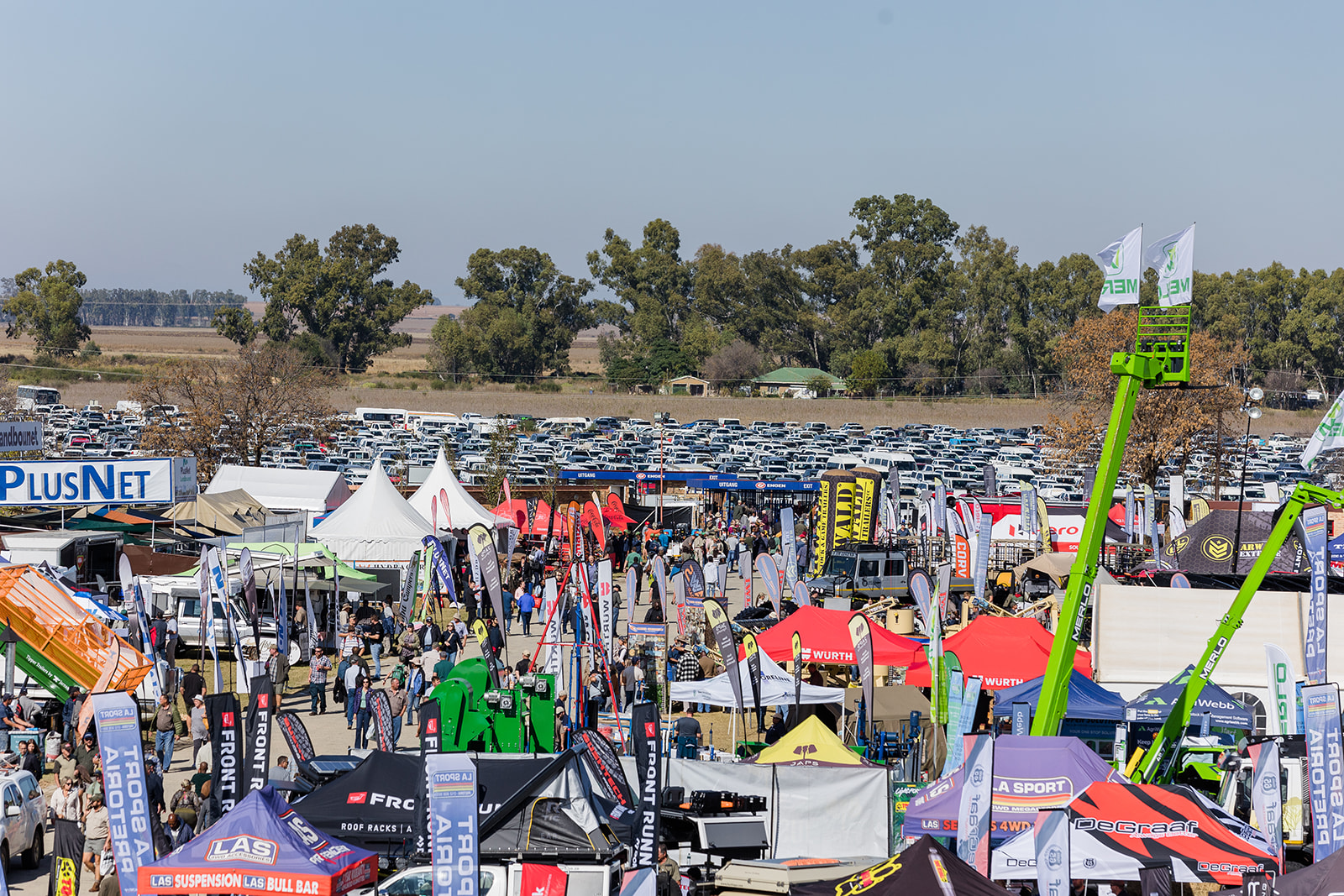
Walking through NAMPO Park, visitors could see just how quickly farming is evolving. New combine harvesters from John Deere, New Holland and Case IH showcased bigger capacity and improved fuel efficiency. Drone demonstrations and autonomous machinery showed that technology is no longer reserved for commercial mega-farms. Itis increasingly becoming part of mainstream agriculture.
The international halls were packed with machinery and ideas from countries such as Italy, China and Argentina, while local innovators reminded visitors that South African farmers continue to find practical solutions to everyday farming challenges.
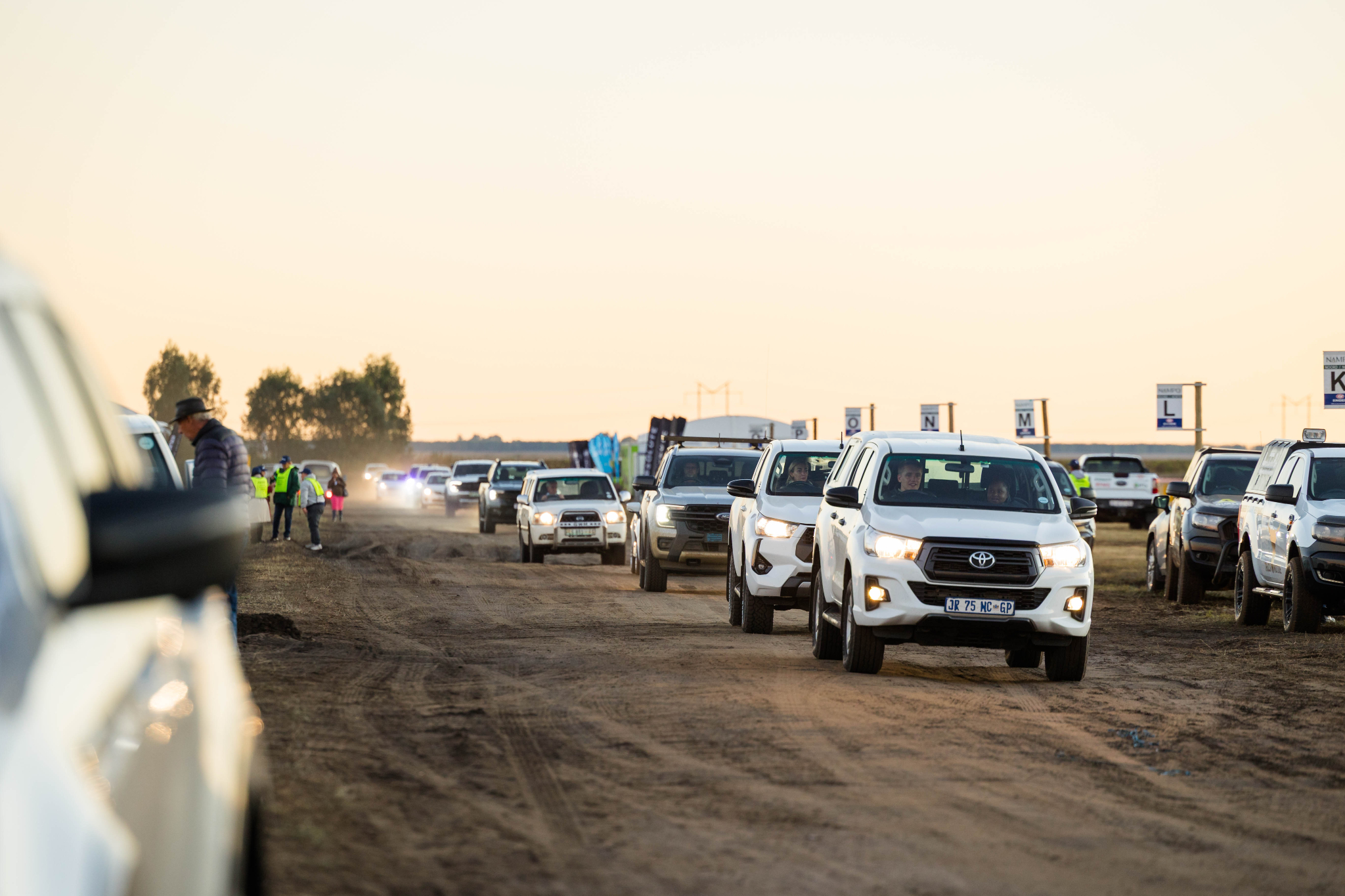
Then there was the energy around mobility. From the unveiling of the new ninth-generation Toyota Hilux to the record-breaking gathering of 1 545 Hilux vehicles, NAMPO once again showed how deeply farming and motoring are connected in South Africa.
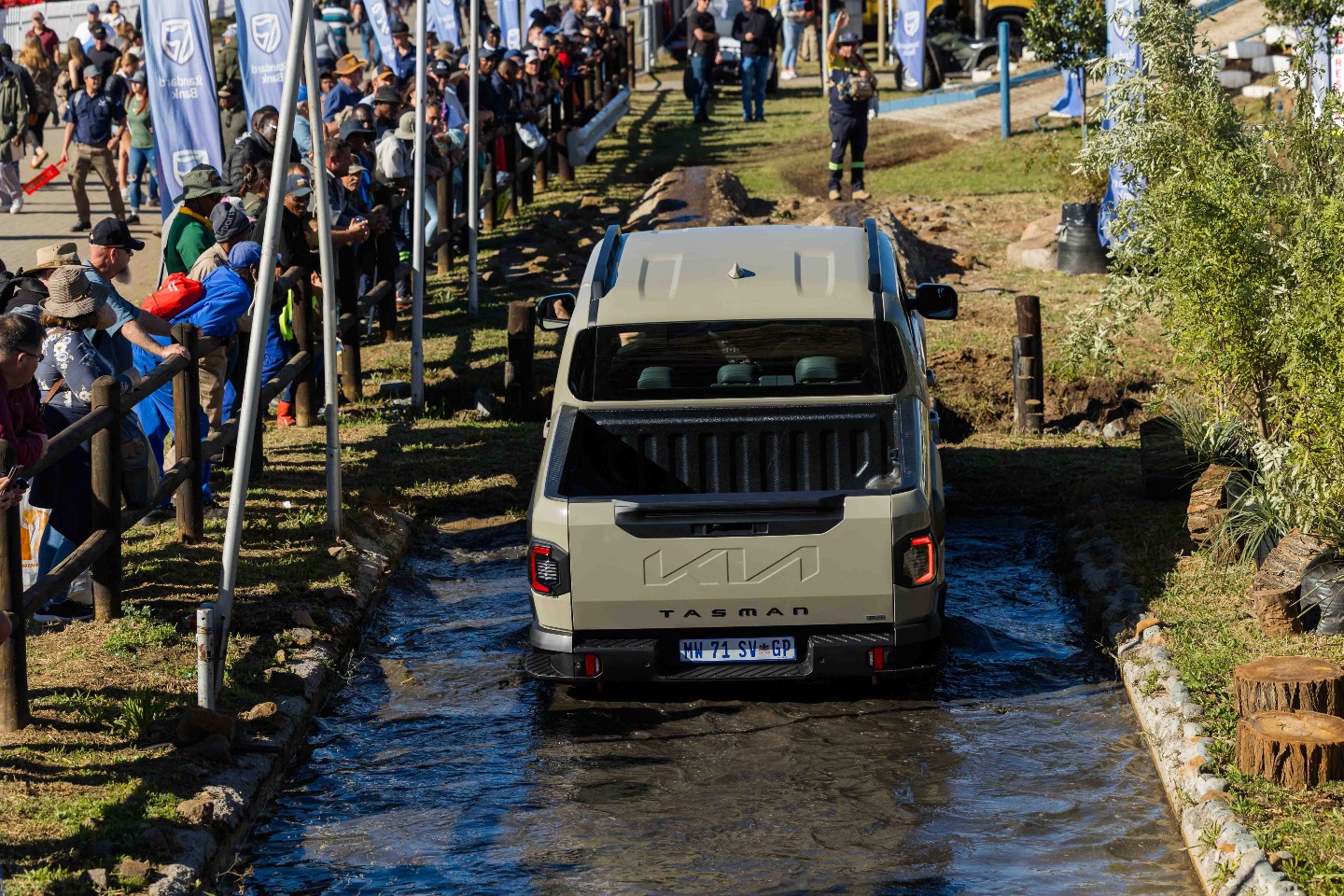

But beyond the machinery, vehicles and exhibitions, some of the most important conversations at NAMPO focused on one key question: how do emerging farmers move from survival to sustainable commercial farming?
That conversation matters because many first-time visitors leave NAMPO inspired, but unsure where to begin.
One of the strongest themes emerging from this year’s discussions was that farming today is no longer only about planting and harvesting. It is about understanding the full agricultural value chain. Grain SA, banks, government and organisations such as the Kagiso Trust spoke openly about the need to help emerging farmers gain access not only to land, but also to finance, markets, logistics and mentorship.
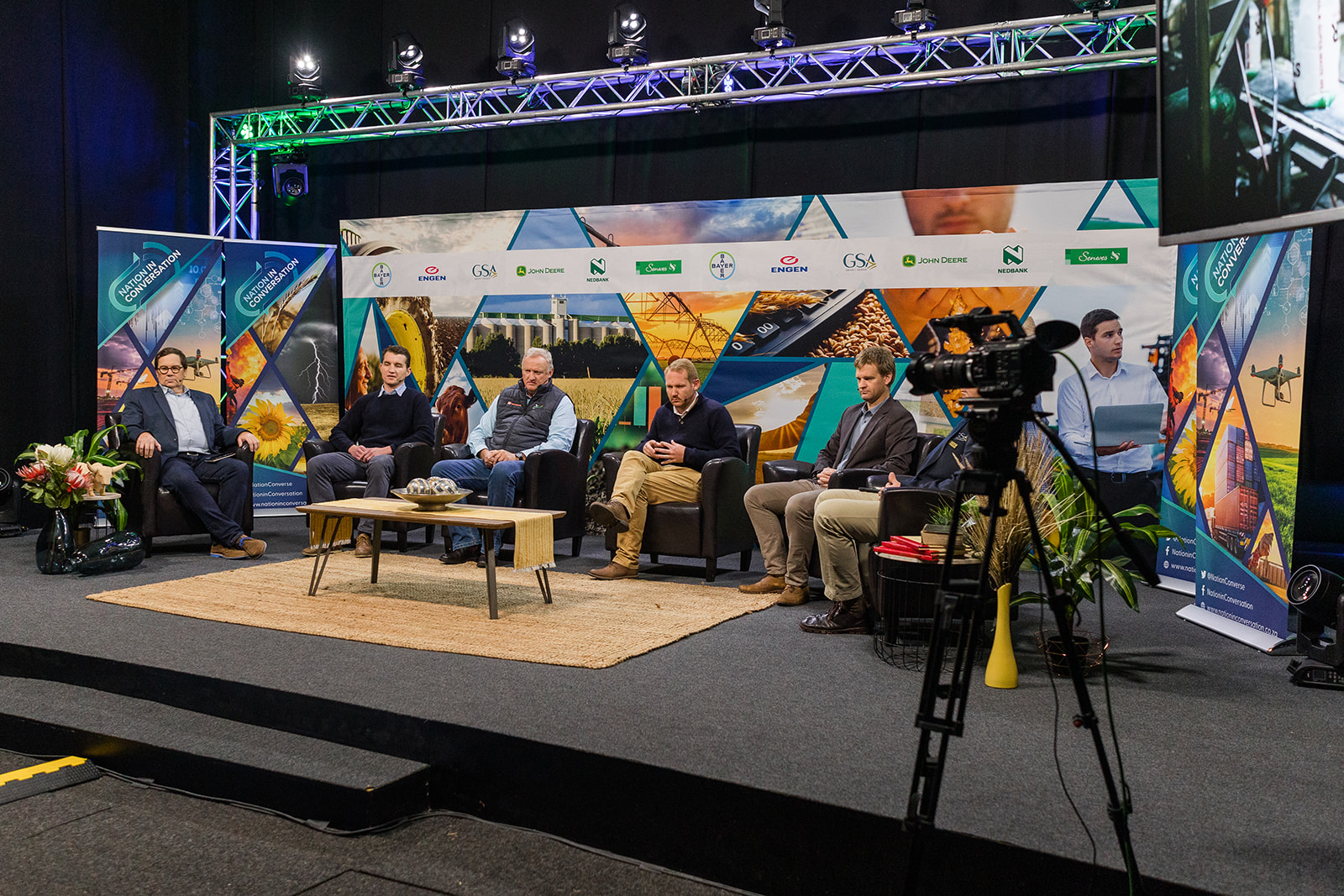
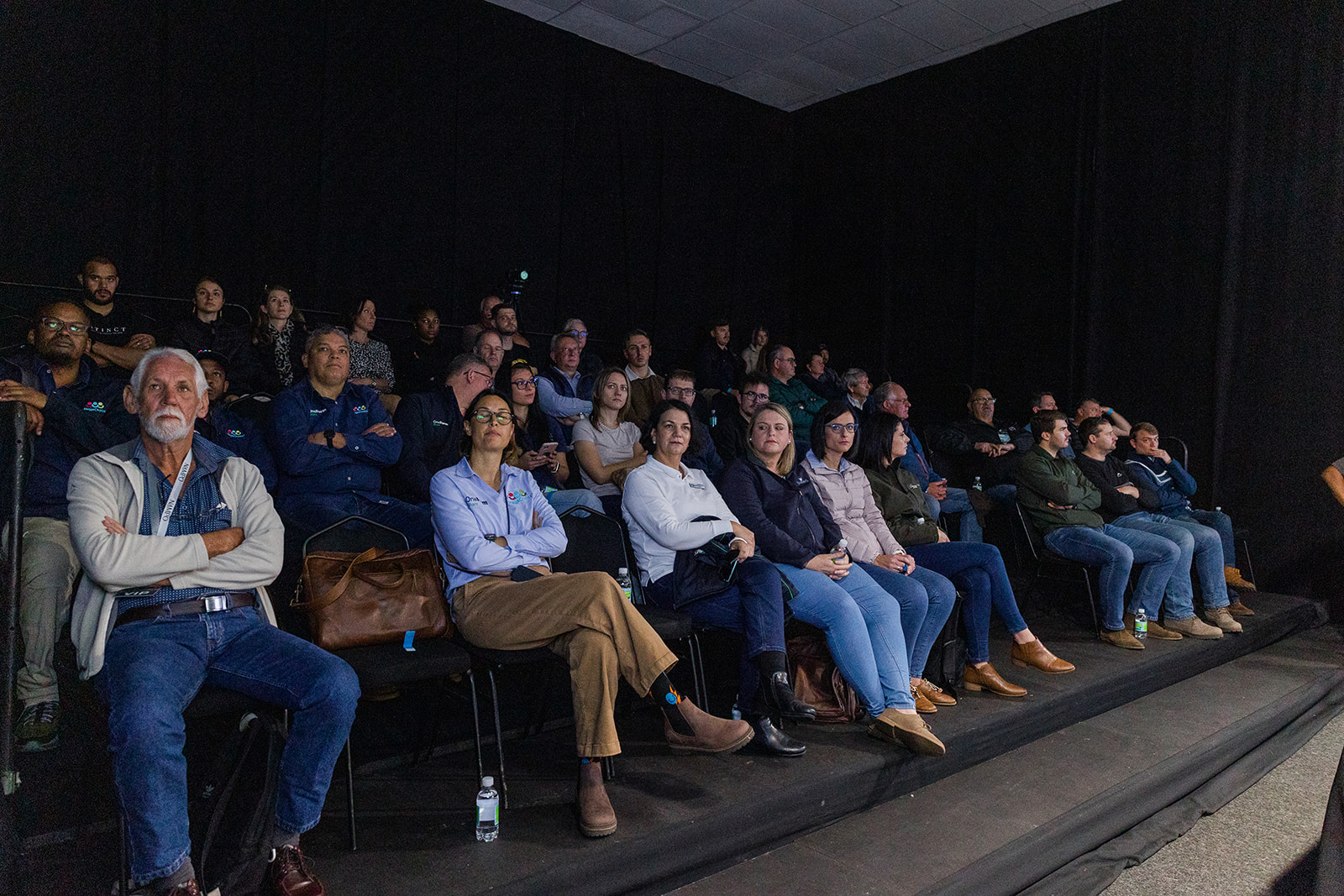
This builds on an important shift already highlighted in Xploreza’s previous reporting on blended finance and farmer participation. Traditional financing alone is often not enough for new farmers because many do not yet have title deeds, credit history or established infrastructure. What is increasingly needed are blended models that combine funding, mentorship, technical support and market access.
So where does an emerging farmer start after NAMPO?
Firstly, focus on relationships before machinery. One of the biggest lessons from successful developing farmers is that partnerships matter. Farmer organisations, commodity groups, co-operatives and mentorship programmes can open doors to markets, training and financing opportunities.
Secondly, start small, but think commercially from day one. Many emerging farmers fail because they approach farming only as production. Commercial farming means understanding input costs, logistics, market demand and cash flow.
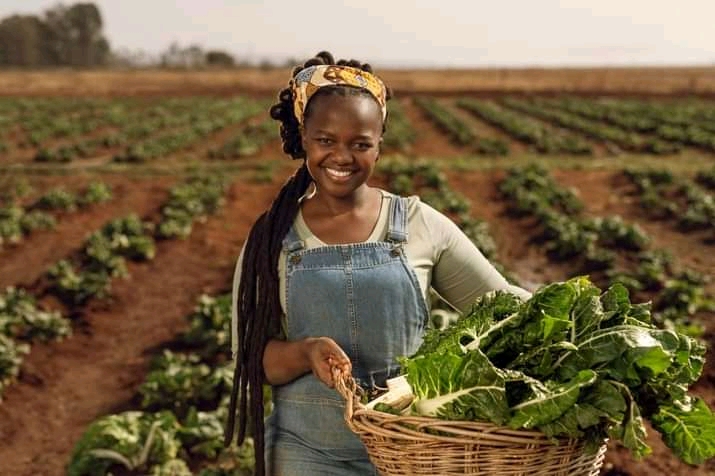
Thirdly, pay attention to value addition. Grain SA repeatedly spoke about the importance of moving “more value, not just more grain”. This means exploring opportunities beyond raw production, whether through livestock feed, processing, packaging or local supply chains.
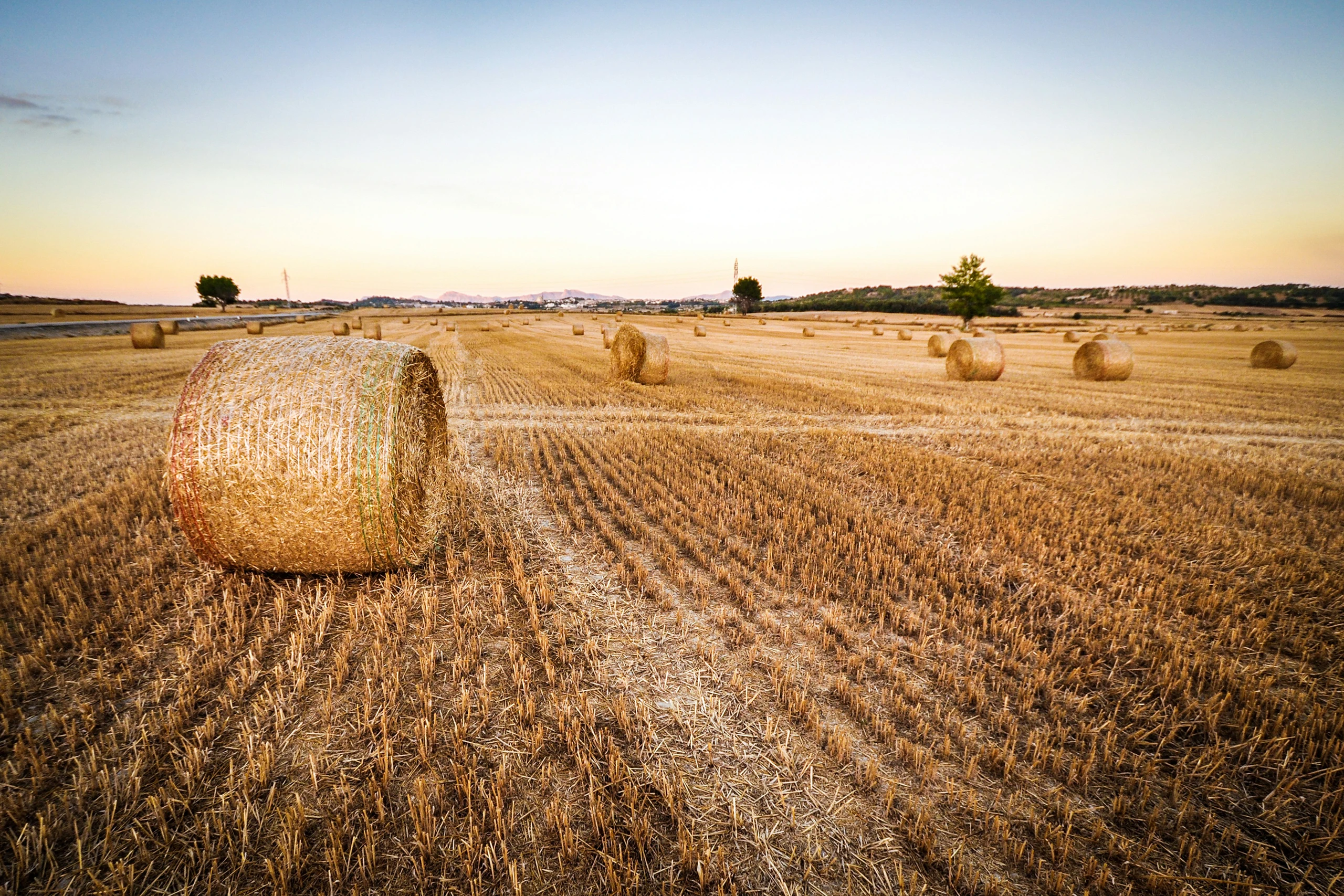
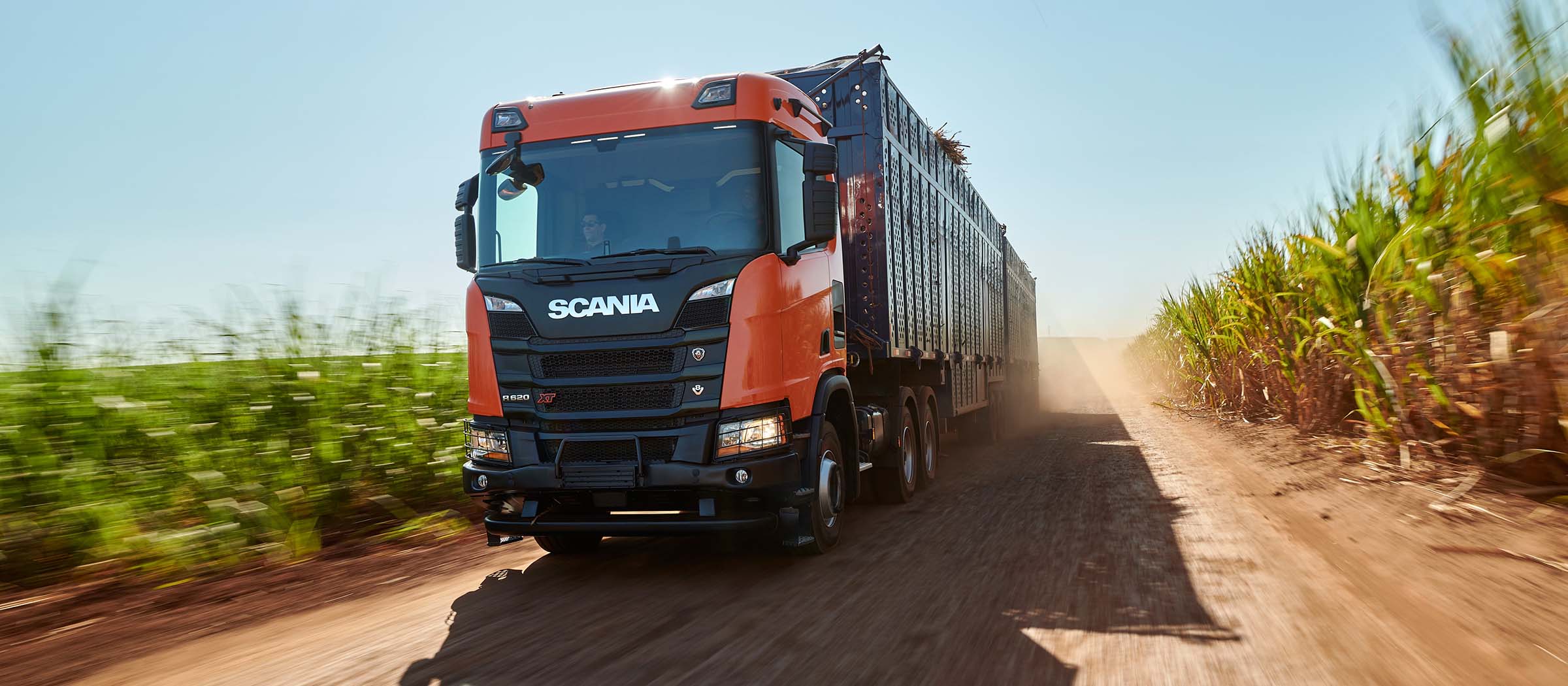
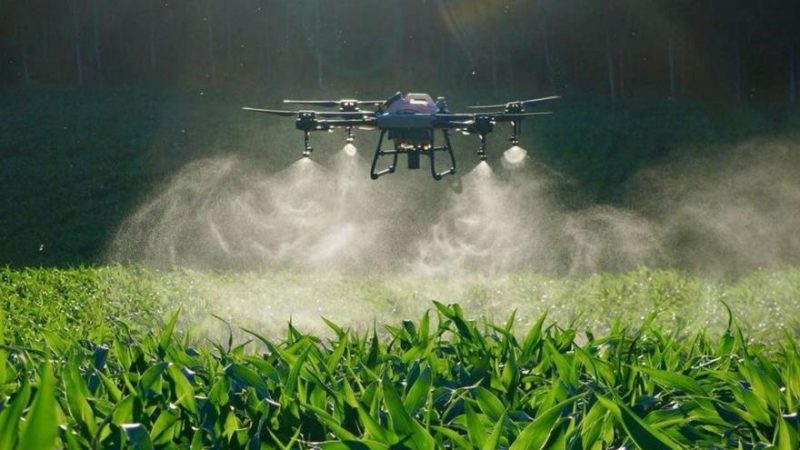
Technology is another important area. While some equipment at NAMPO looked expensive and intimidating, digital tools are becoming more accessible. Simple technologies such as moisture-monitoring apps, drone spraying services and online market platforms can improve productivity and decision-making even on smaller farms.
Emerging farmers should also understand that agriculture is increasingly collaborative. Government, private banks and development organisations are now more actively discussing blended finance, export opportunities and shared-risk models. The important thing is to become visible within the ecosystem.
For many visitors, NAMPO 2026 may have felt like stepping into a world far bigger than they imagined. But perhaps that is exactly the point. Agriculture in South Africa is changing rapidly, and while the barriers remain real, so do the opportunities.
The challenge now is to move from inspiration to action.