By Aurelia Mbokazi Kashe
Electric cars are not known for making a grand entrance. They slip quietly into driveways, parking lots and suburban streets, often arriving with little more than the faint whirr of an electric motor. Their appeal usually revolves around efficiency, sustainability and saving the planet one charge at a time.
The all-new iCAUR V23 clearly missed that memo.
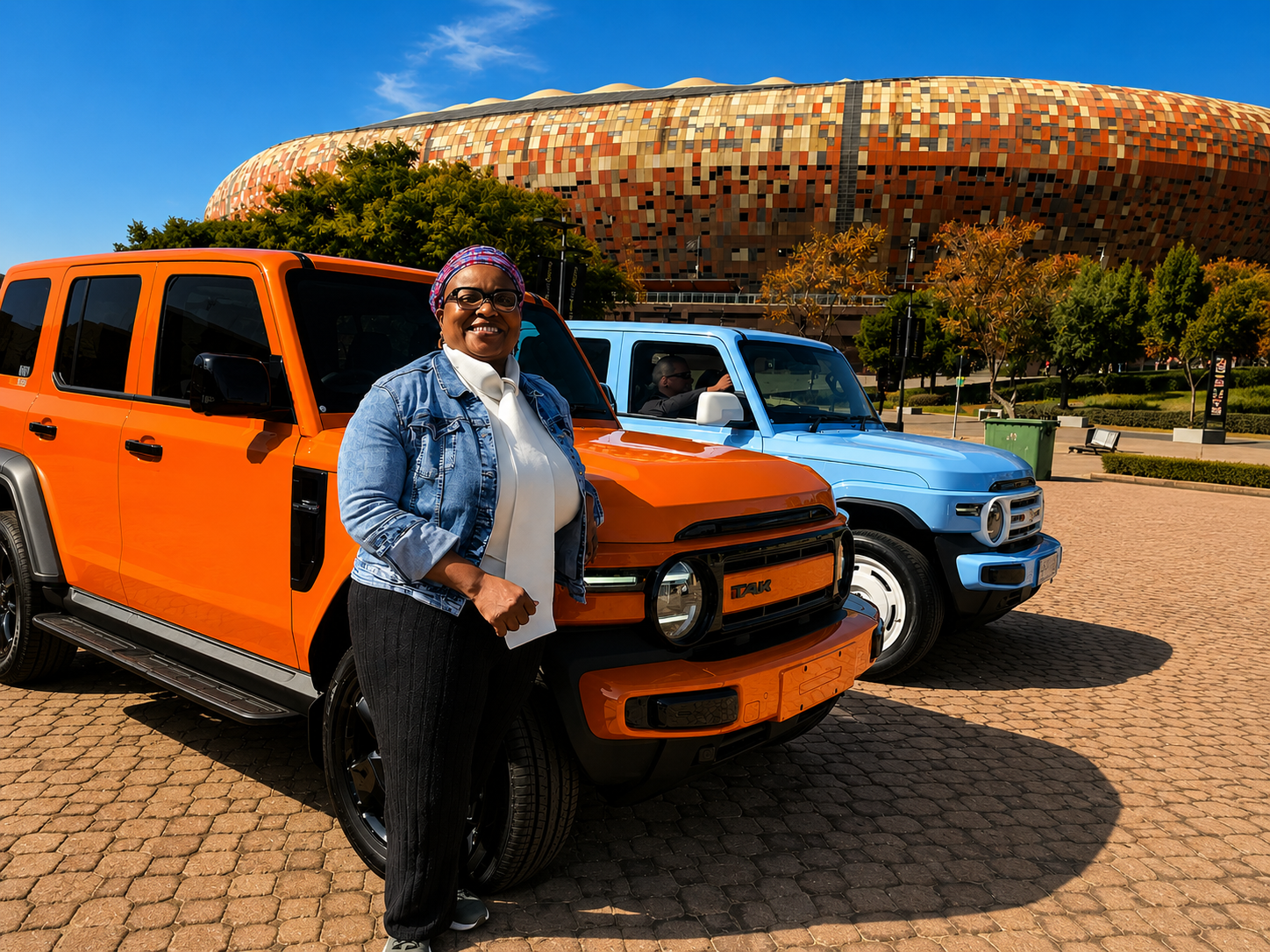
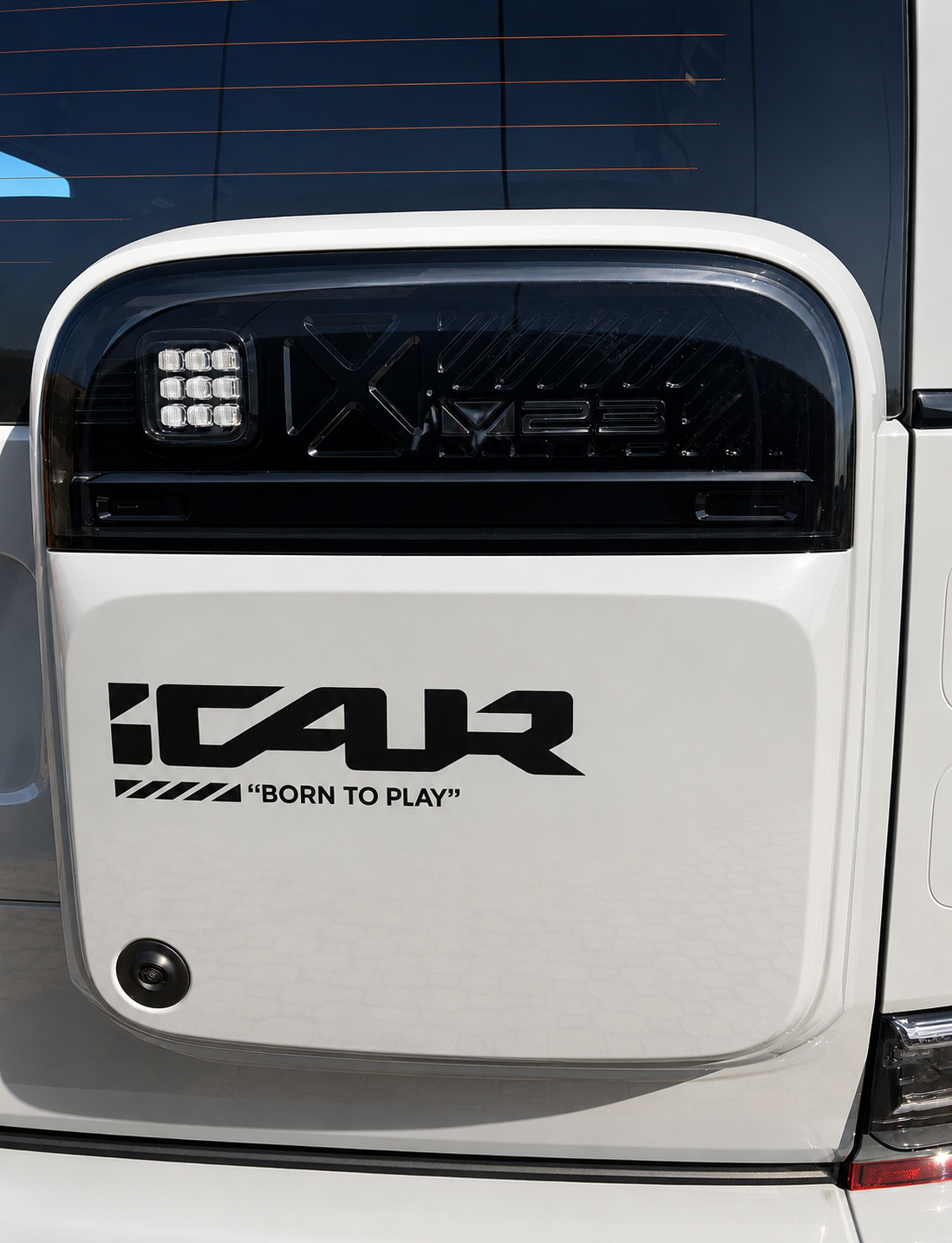
When the retro-inspired electric SUV made its South African debut at FNB Stadium on Thursday, 28 May, it arrived with a bang. There was colour, energy, hooters and enough personality to fill one of the country's most iconic sporting venues. Journalists, influencers and content creators poured into the stadium to witness the arrival of a vehicle that proudly wears the slogan Born To Play. And that slogan made perfect sense. The V23 burst onto the local motoring scene, determined to remind us that cars can still be fun.
First Impressions
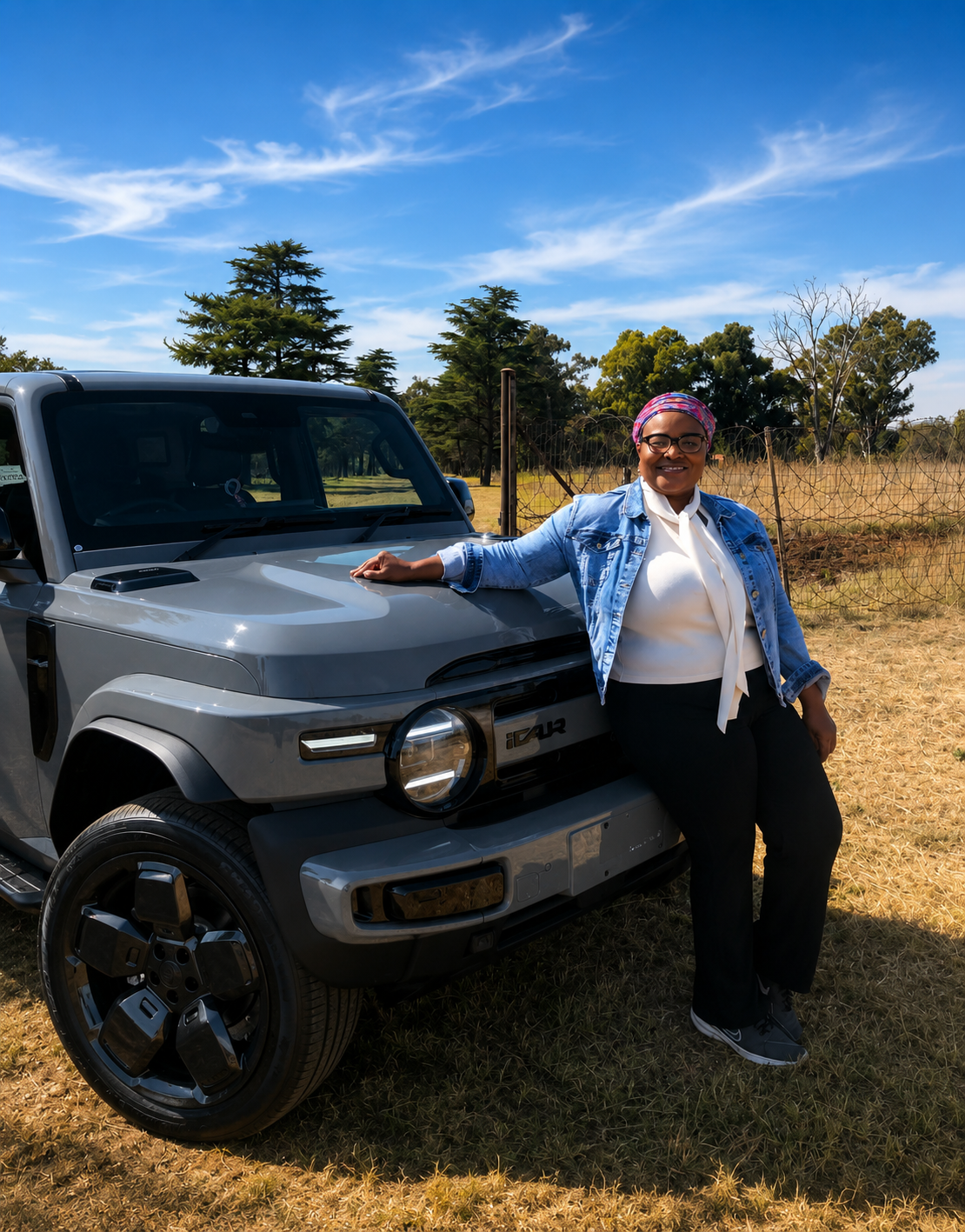
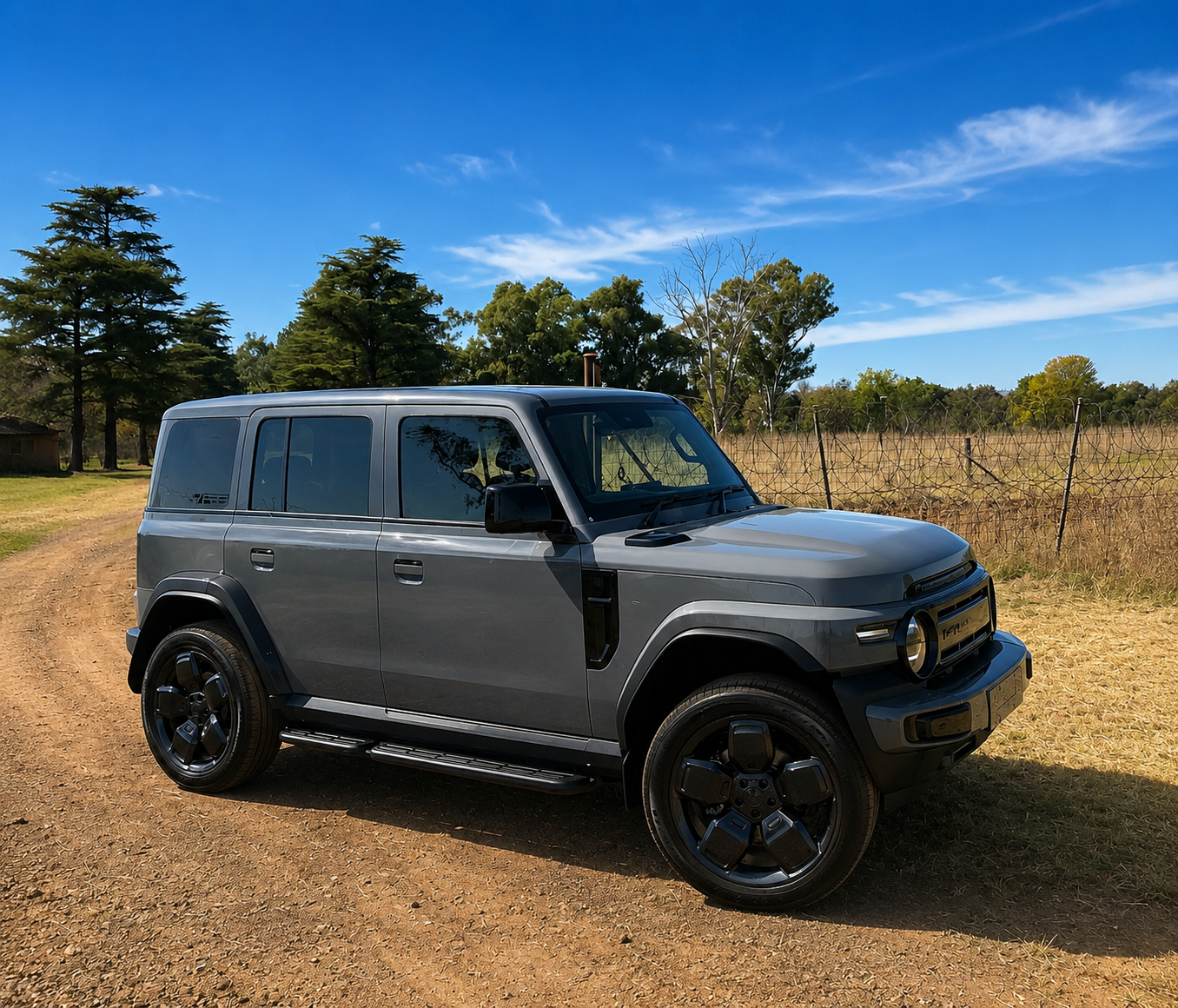
That message was impossible to miss. From its upright stance and squared-off proportions to its playful colour palette and extensive customisation options, the V23stands out on South African roads. It combines retro off-road influences with modern electric design in a package that feels both nostalgic and futuristic at the same time.
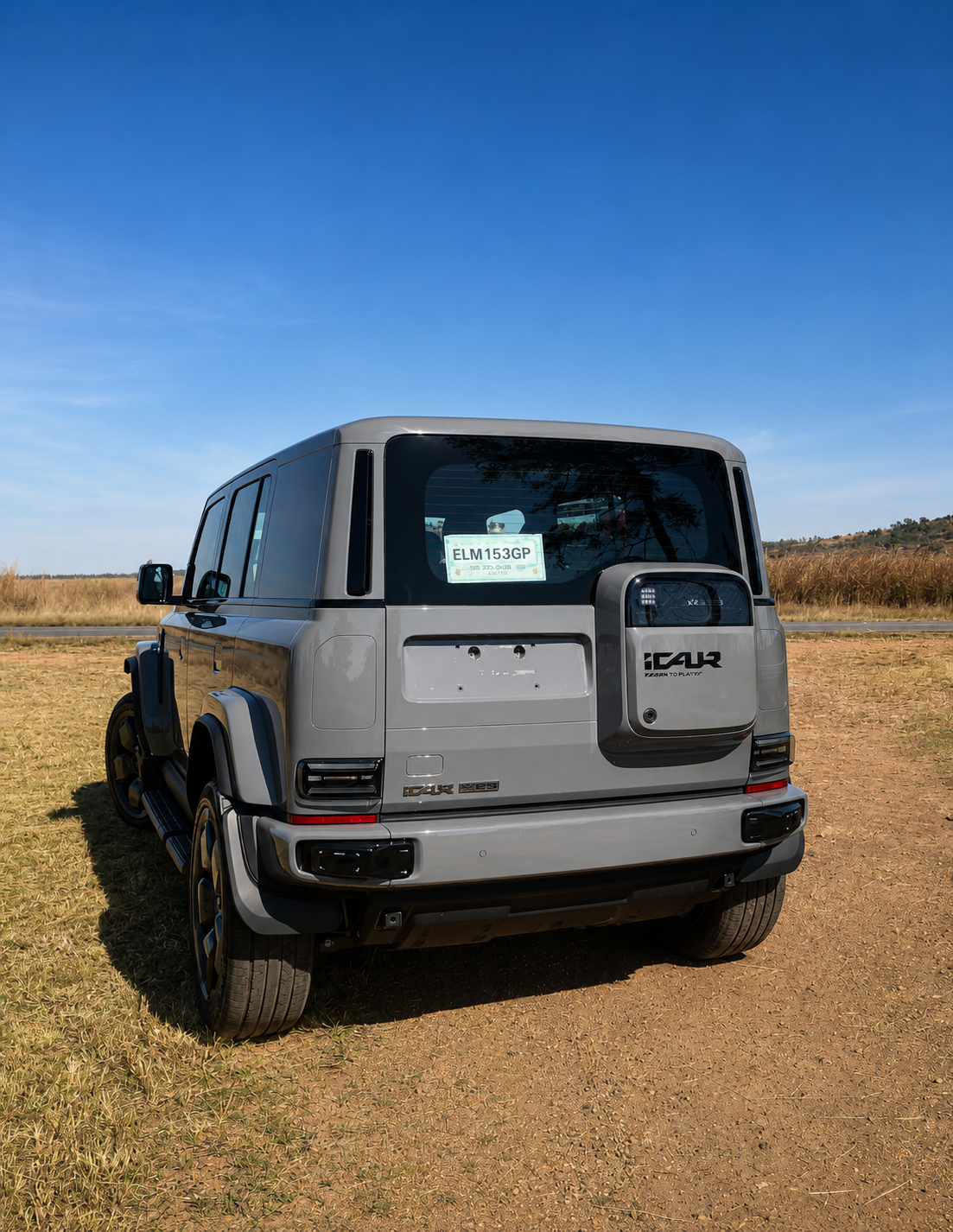
The boxy shape attracted attention wherever we went. As our convoy rolled out of FNB Stadium and headed south towards the Vaal in Sedibeng, the V23 is not the kind of vehicle that blends into traffic. Heads turned and people stared, while others asked questions out of curiosity when we stopped for coffee and photo opportunities.
Behind the Wheel
The first thing that struck me once I got behind the wheel was how playful the V23 feels.
Like most electric vehicles, acceleration is immediate. The moment you touch the accelerator, the vehicle responds with smooth, effortless urgency. Whether pulling away from traffic lights or overtaking slower-moving traffic, there is always enough power on tap.
The launch route offered a mix of urban roads and freeway driving, and the V23 handled both with ease. It felt planted, composed and surprisingly comfortable.
One thing worth noting is that it felt like the speed is electronically limited to 140 km/h. That became apparent once speeds climbed on the freeway, although for everyday South African driving it is unlikely to be an issue.
A Cabin Designed for Modern Life
Despite its compact dimensions, the cabin feels remarkably spacious.
The seating position is high and commanding, visibility ahead is excellent and the seats proved comfortable throughout the drive. As someone who often finds compact vehicles a little restrictive, I was pleasantly surprised by how accommodating the cabin felt.
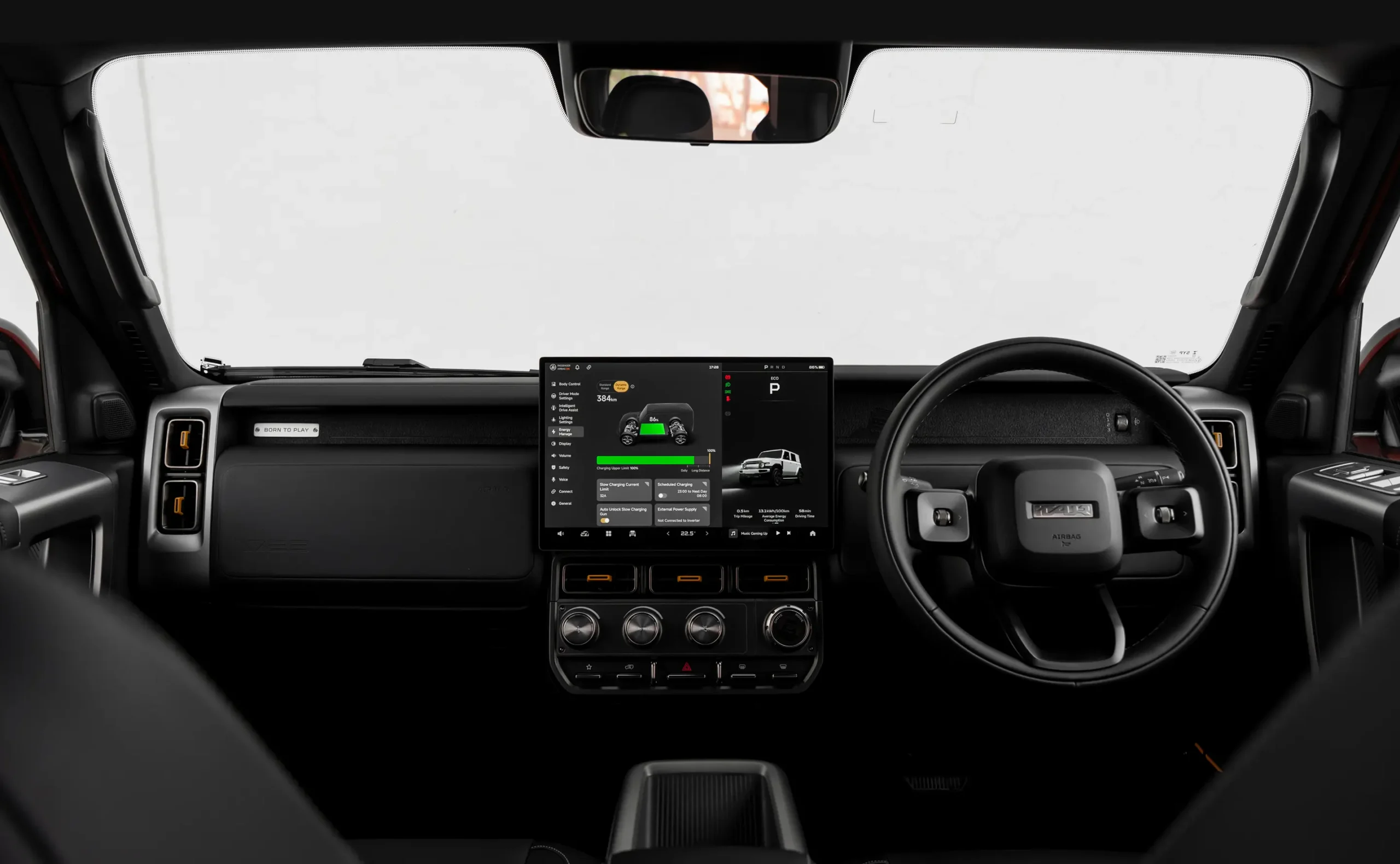
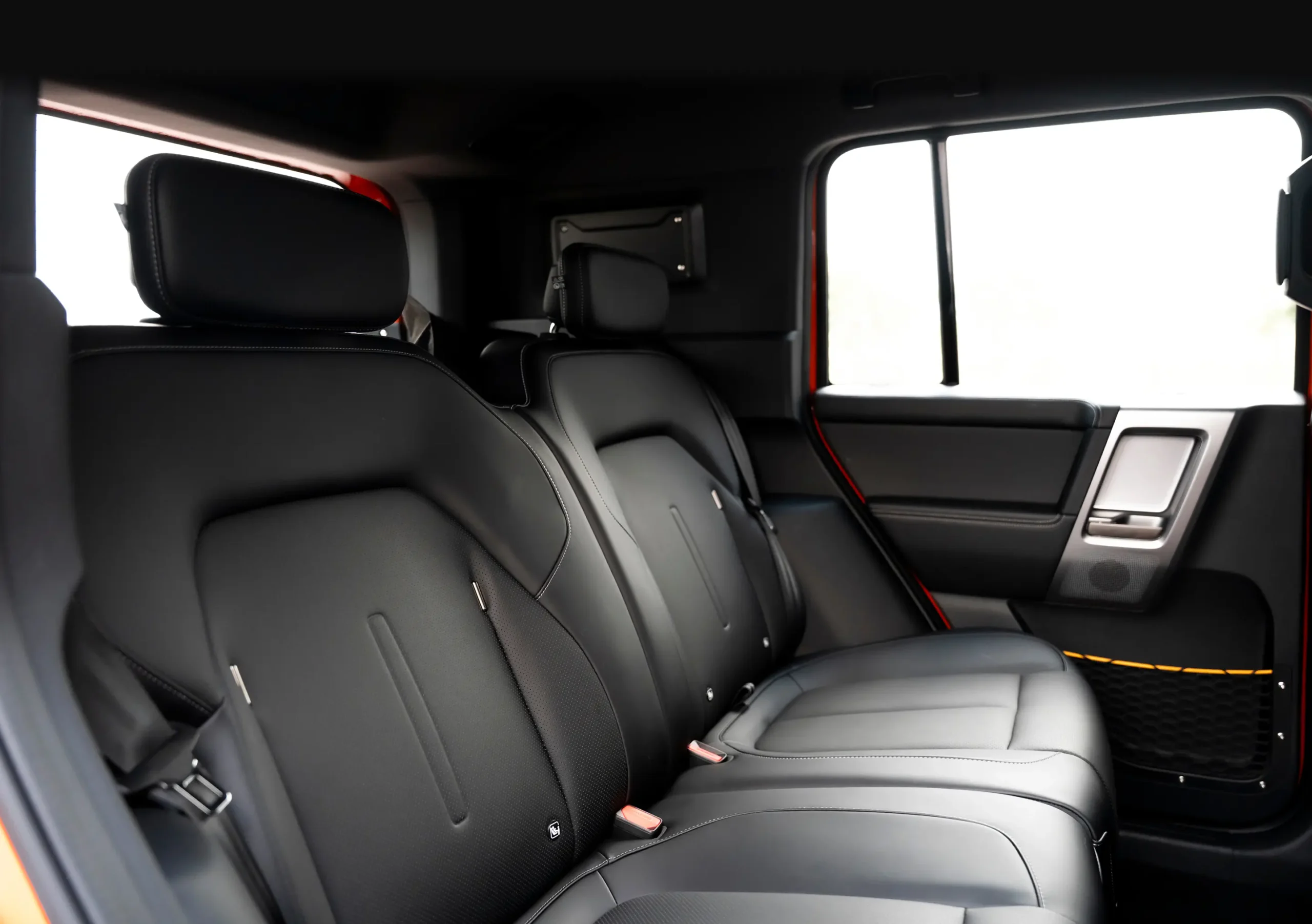
The interior is clearly aimed at a digitally connected generation. The large 15.4-inchtouchscreen dominates the dashboard, while wireless Apple CarPlay, Android Auto and multiple USB ports ensure devices remain connected.
What impressed me most, however, were the storage solutions.
There are clever spaces everywhere. Water bottles, phones, cables, sunglasses and everyday essentials all have a place. It sounds like a small detail, but these practical touches make a significant difference in daily use.
The cabin is also impressively quiet. Given its upright shape and chunky styling, I expected more wind and road noise. Instead, the V23 delivered a refined and relaxed driving environment.
Not Quite Perfect
No vehicle is without compromise. The thick rear pillars do affect rearward visibility, creating a slightly darker feeling towards the back of the vehicle. I also found myself wishing for a head-up display. With so much technology onboard, it feels like a feature that would have complemented the overall experience and allowed drivers to keep their eyes on the road more consistently.
Born To Play
The bigger question is whether South Africans are ready for a vehicle like this.
Priced from R519 900 for the 2WD and R669 900 for the AWD, the V23 enters an increasingly competitive market while offering a distinctive alternative to more conventional electric vehicles.
What iCAUR seems to understand is that the future of electric mobility may not be won through logic alone. People still buy with their hearts and want cars with personality, something that makes them turn around and take a second look after parking it.
The V23 may not convert every South African into an EV enthusiast overnight. What it does prove, however, is that electric cars do not have to be serious, sensible or predictable. Sometimes they can simply be fun and that, perhaps, is exactly what South African roads need right now.