By Staff Writer
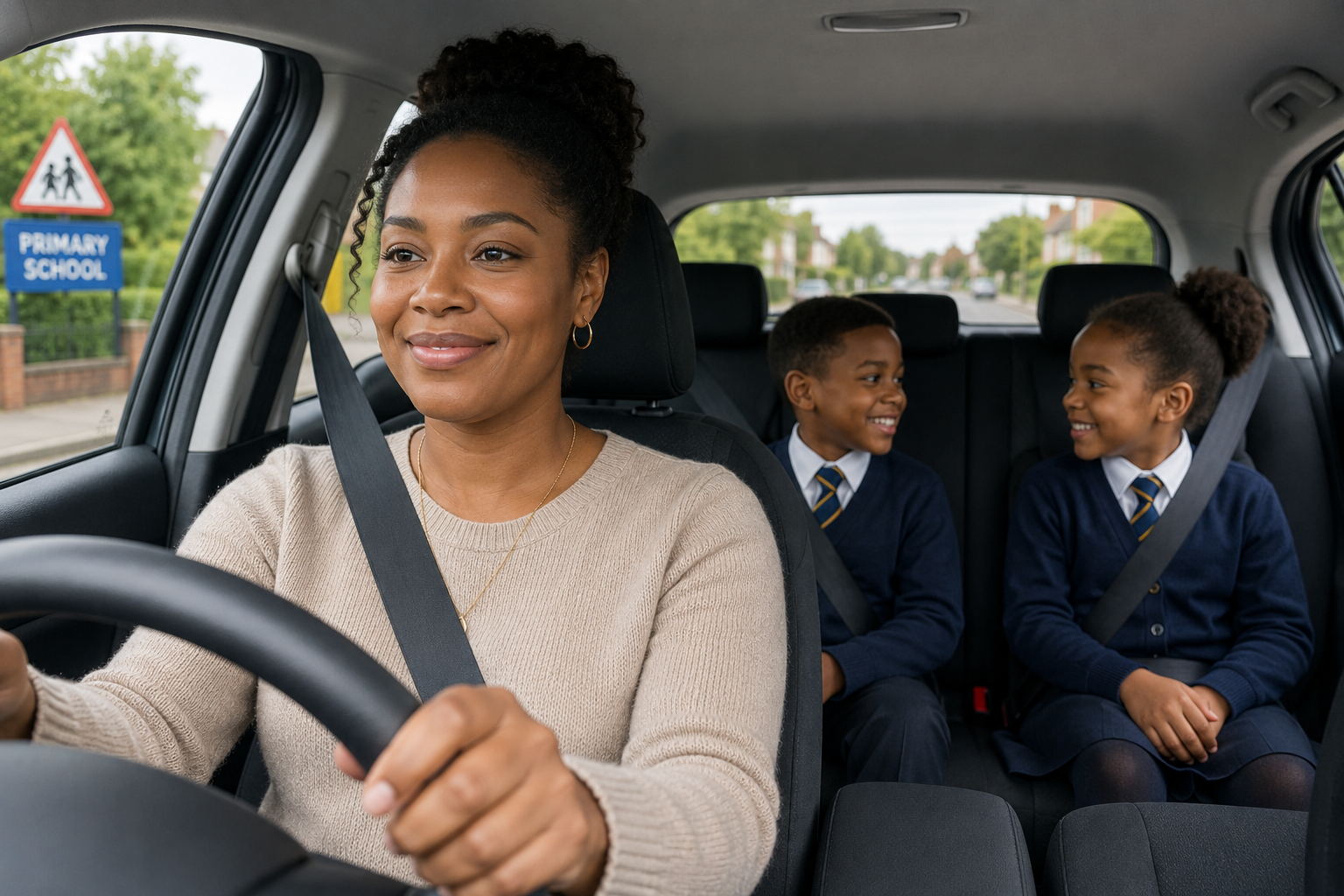
Every weekday morning, thousands of South African parents load children into vehicles, navigate familiar roads and pull up outside school gates to drop them off before continuing with the rest of their day.
Yet within a narrow window of just a few minutes, school zones transform into some of the busiest and most unpredictable traffic environments in the country.
Vehicles queue along pavements. Scholar transport vehicles compete for space.Children hurry across roads. Parents double-park while trying to save time. Security guards attempt to maintain order while latecomers rush through the gates.
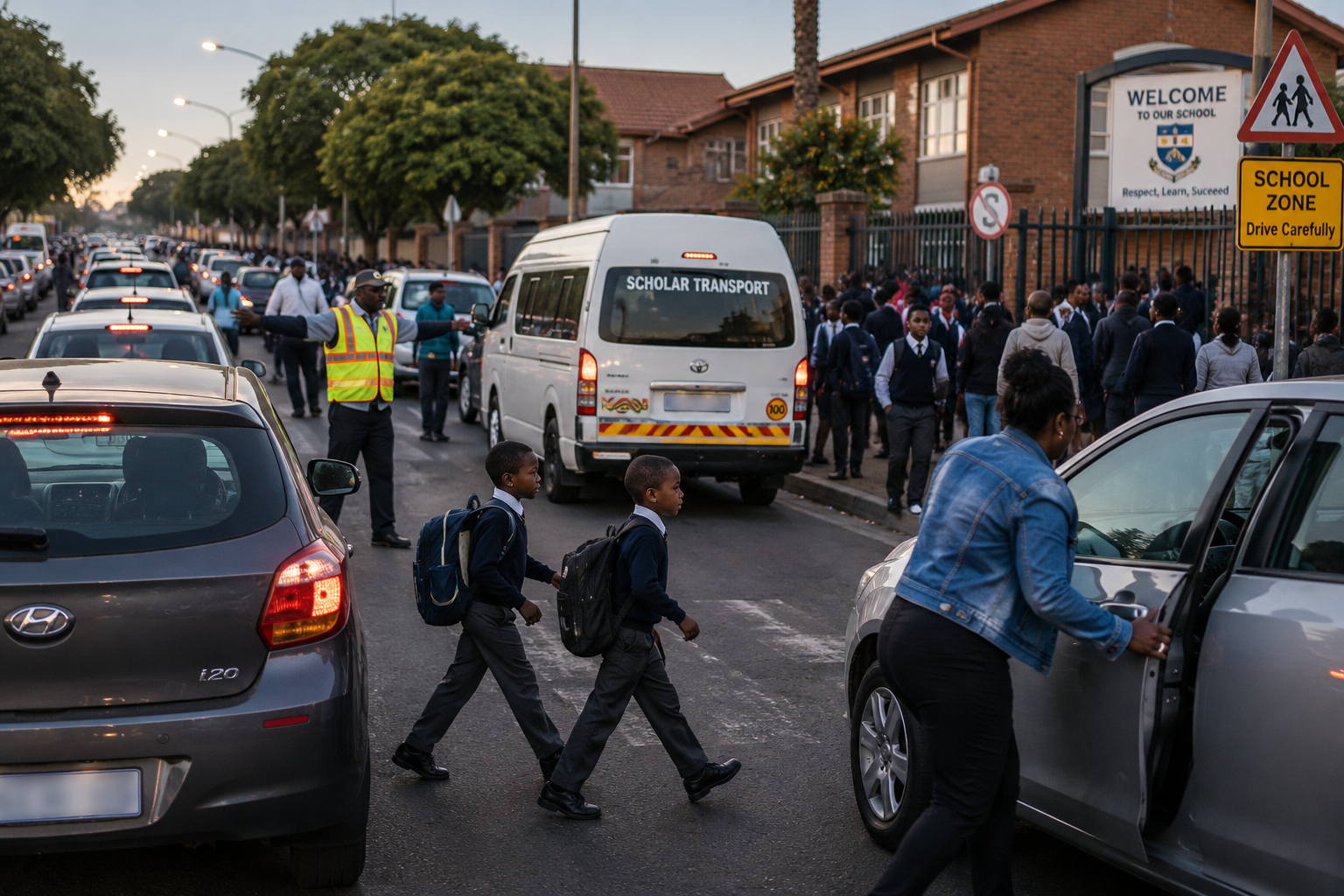
It is a scene repeated daily across the country and communities, and can sometimes be volatile. While national road safety conversations often focus on highways, speeding and long-distance travel, some of the most significant mobility risks occur much closer to home.
For younger children especially, the world can look very different from behind a parked vehicle. A child stepping between two stationary cars may be completely invisible to an approaching motorist until it is too late.
The challenge is not simply about volume. It is about competing demands. Parents are often balancing work commitments and tight schedules. Scholar transport operators are working against strict routes and collection times. Children are focused on getting to class. Everyone is moving with urgency.
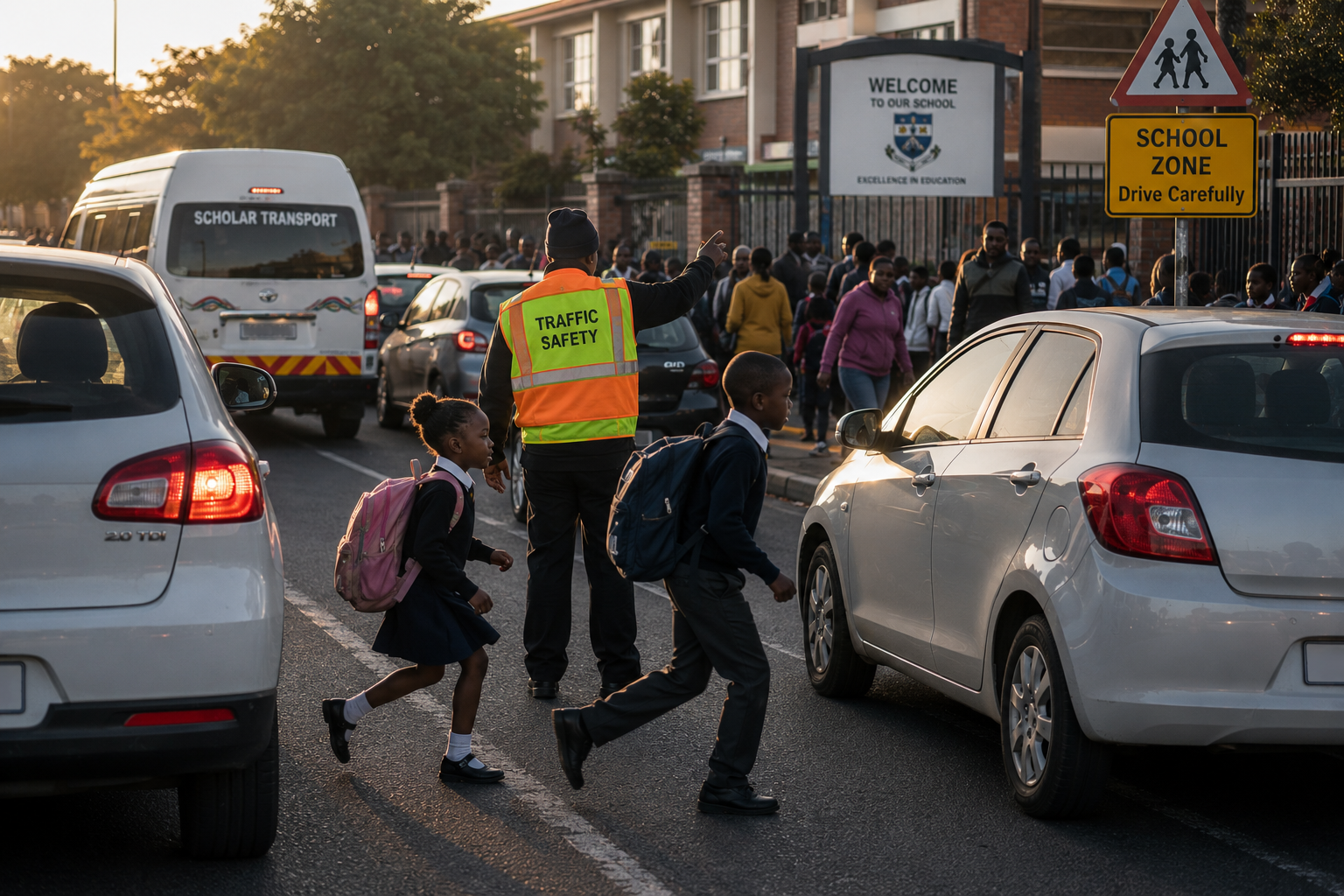
Pedestrians face their own challenges. According to the Automobile Association of South Africa, pedestrians remain among the country's most vulnerable road users .School environments place large numbers of children alongside moving traffic at precisely the times when congestion is at its peak.
Yet many schools have demonstrated that small changes can make a significant difference. Dedicated drop-off zones, staggered arrival times, active scholar patrols and greater cooperation between parents, schools and transport providers can help reduce conflict and improve traffic flow.
Perhaps the biggest lesson is that school safety extends beyond the school gate itself. The journey to school is often the first daily lesson children receive about mobility behaviour. They observe how adults respond to traffic, interact with other road users and navigate shared spaces.
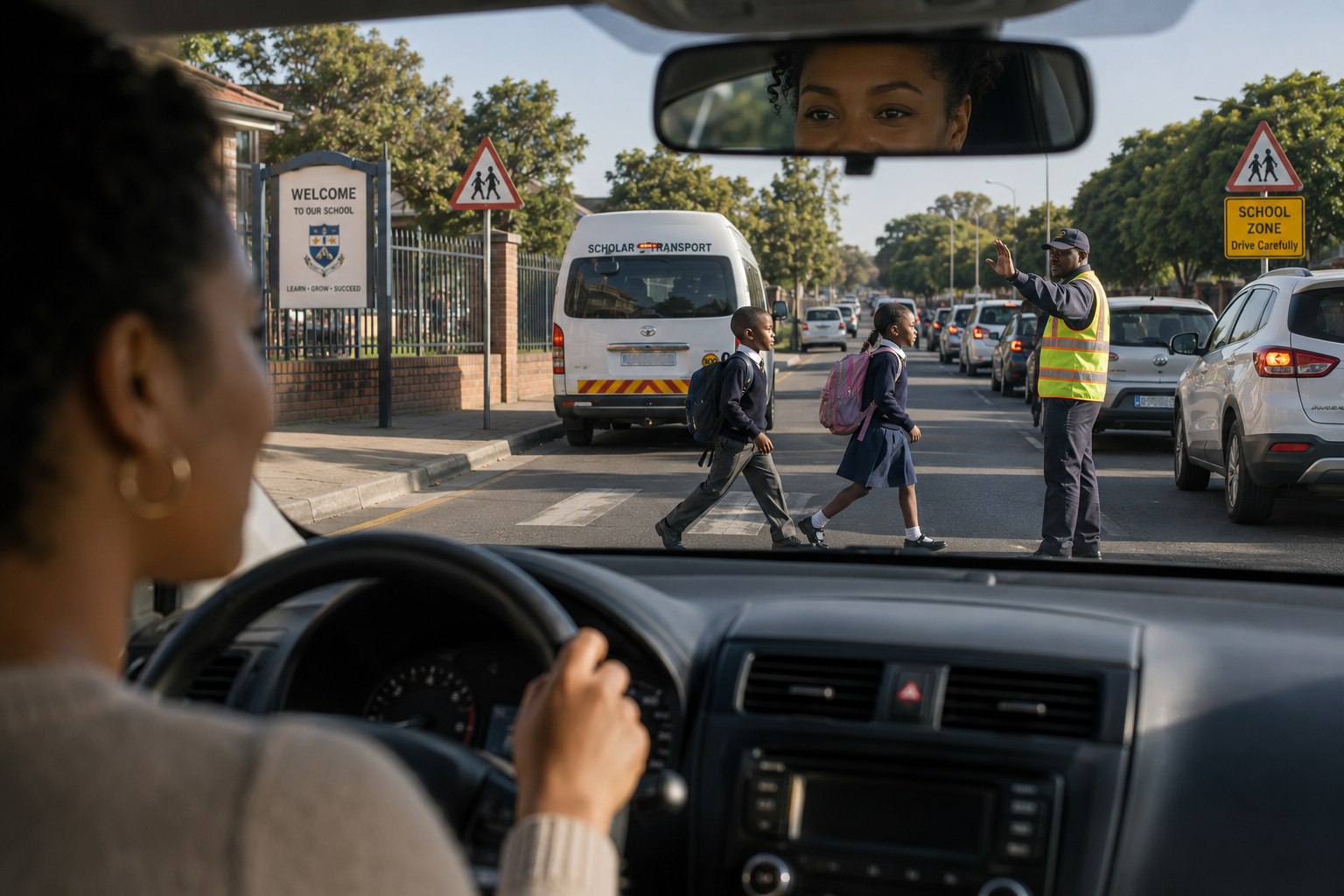
When motorists exercise patience, follow designated routes and remain alert around children, they contribute to more than just safer school zones. They help model the kind of road culture South Africa needs.
The school run may last only a few minutes each morning, but those few minutes offer a powerful reminder that safer roads are not built on highways alone. They are built in everyday moments, through small decisions, shared awareness and a collective commitment to looking out for one another.