Rand for rand, the "best" place to sleep on your next trip depends less on which platform you open first, and more on where you're going, who you're going with, and whether load shedding is still your problem to solve.
By Gugulethu Tshabalala
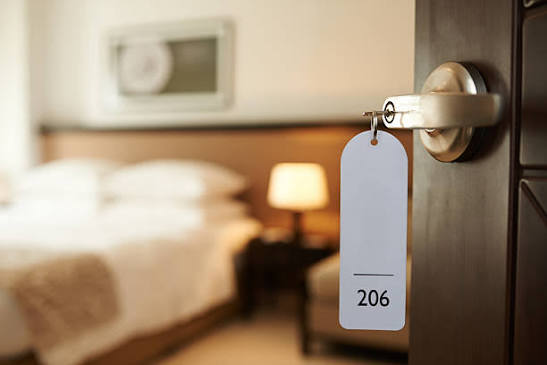
It's 9pm on a Friday and you've just landed at OR Tambo after a delayed flight. The last thing you want is to hunt for a self-check-in code in the dark.
Fast forward a month, and you're piling four kids and a cooler box into the car for a week in the Garden Route, where a hotel room would mean four separate bookings and three trips to a restaurant a day.
Same country, same traveller, completely different answer. That's really what the hotel-versus-Airbnb question comes down to in South Africa right now: not which is "better," but which one matches the trip you're actually taking.

Two Trips, Two Very Different Answers
Rather than compare hotels and Airbnbs in the abstract, it helps to look at how the math actually plays out for two common South African trips.
Scenario 01 · Solo business trip
Sandton, two nights, one laptop bag
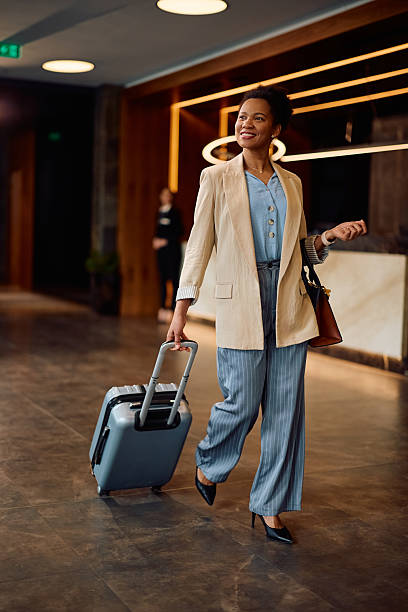
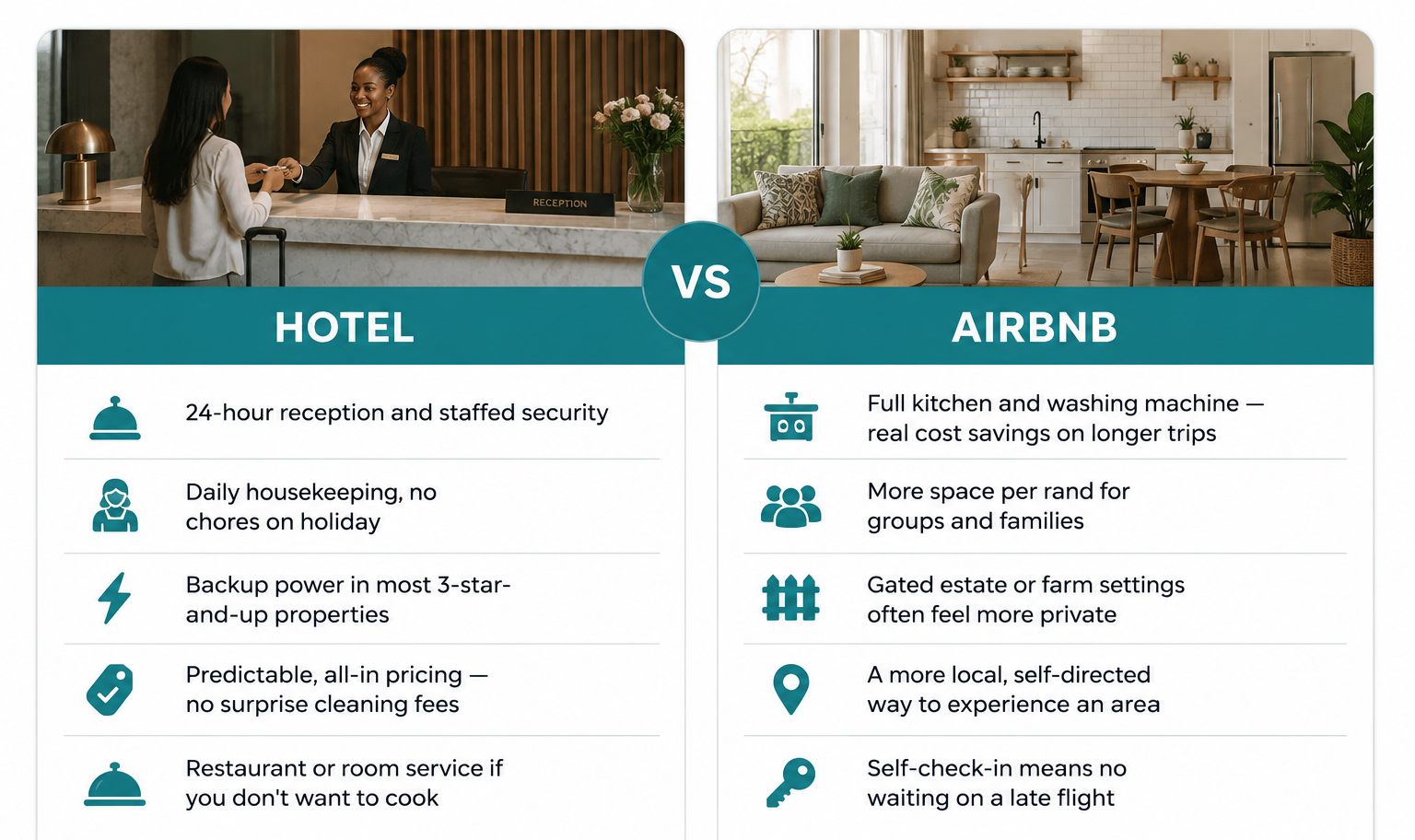
For a short, work-focused stay, a mid-range Sandton hotel wins on almost every count: 24-hour reception for a late arrival, backup power that keeps working through load shedding stages, secure basement parking, and a bill you can hand straight to finance without itemising a cleaning fee.
Mid-range hotel, per night≈ R1,400–R1,900
Self-catering apartment (Rosebank), per night≈ R900–R1,300
Scenario 02 · Family week away
A week in the Overberg, two adults, two kids
Stretch the same budget across seven nights for a family of four and the picture flips. A self-catering farm cottage with its own braai area means three home-cooked meals a day instead of restaurant bills, plus space for the kids to actually run around , something no standard hotel room offers at this price point.
Farm cottage or guest cottage, per night≈ R1,200–R1,800 (whole unit)
Equivalent hotel — 2 rooms, breakfast included≈ R3,200–R4,000
What Each One Actually Gets You
The South African Curveballs
Load shedding and backup power
Most branded hotels from 3-star up now run generators or inverters as standard, so a power cut barely registers. Airbnb is a lottery, some hosts have solar and battery backup, plenty don't. If you're booking self-catering, message the host directly and ask about load shedding cover before you pay. It's a normal question, not an awkward one.
Security and parking
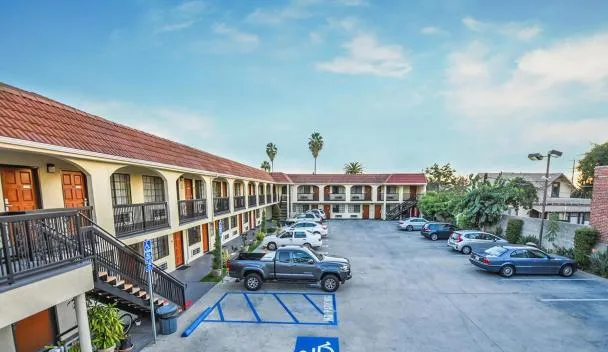
Gated estate Airbnbs and farm stays often feel safer than a standalone city-centre listing, precisely because of the estate's own access control. In cities, always confirm whether parking is on-street or secured , it changes the real value of a "cheaper" listing once you factor in what you're willing to risk overnight.
Before You Book, Check This
The Bottom Line
There's no single right answer for South Africa in 2026 — there's a right answer for your trip. Short, work-focused, arriving late or travelling solo: a hotel earns its higher nightly rate through convenience and consistency. Longer, self-driven, travelling as a family or group: a self-catering Airbnb usually stretches your rand further and gives you room to actually relax.
The one habit worth building either way is comparing the total cost of the stay, not just the number on the search results page and factoring in the very South African details, like backup power and secure parking, that most global travel advice doesn't think to mention.