By Gugulethu Tshabalala
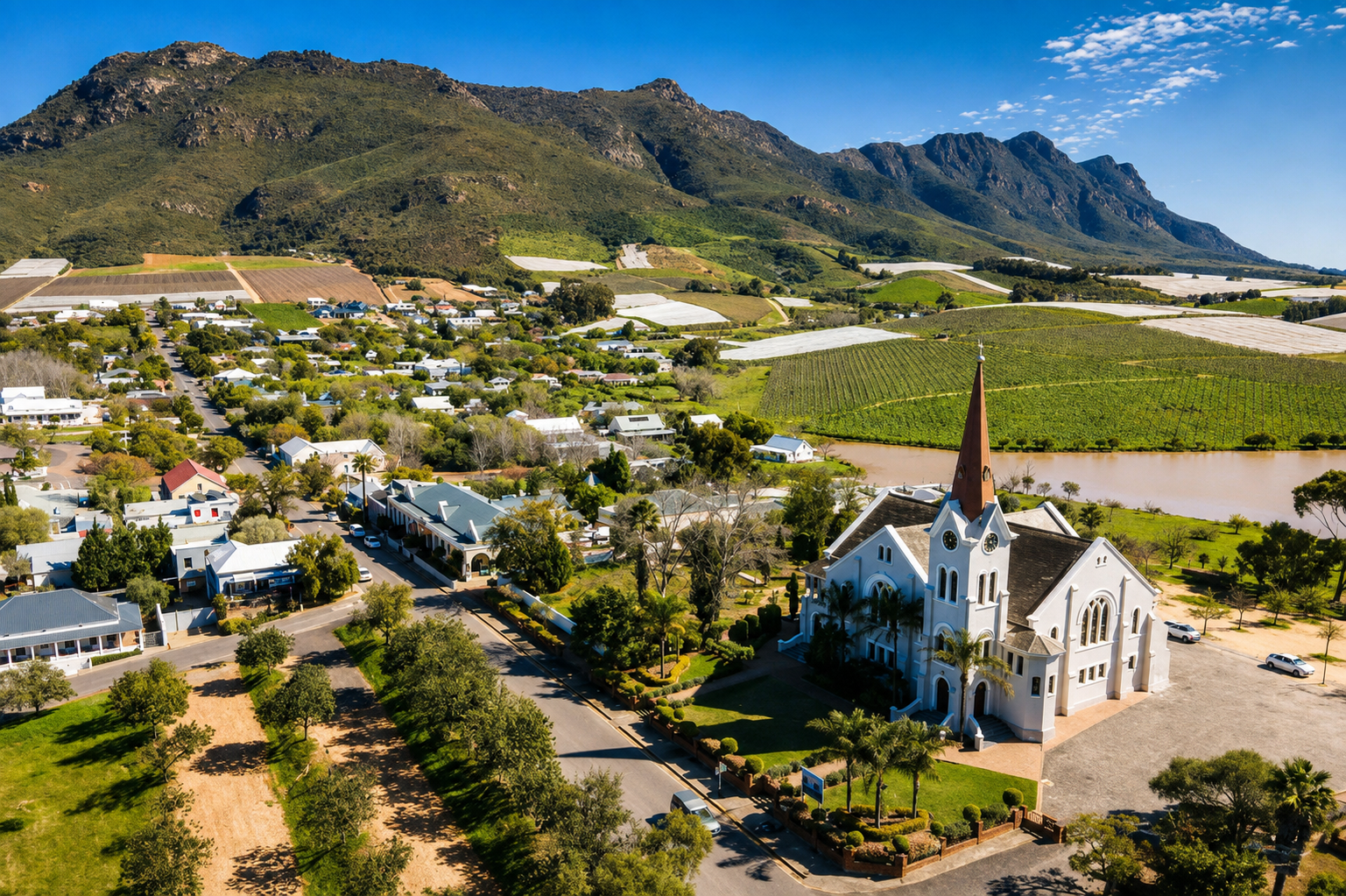
There is something wonderfully unhurried about Riebeek Kasteel. This small village in the Riebeek Valley offers the kind of escape that does not require a packed itinerary, mountains to look at, vineyards and olive groves to xplore, galleries to wander through, restaurants to discover, and enough history to make even a slow walk through town feel like a journey through another era.
The Riebeek Valley is often described as one of the Western Cape's hidden gems , a place where wine, nature, adventure, food and culture come together. And perhaps that is the best way to understand the town. You don't really come here to rush. You come here to linger.
A village surrounded by the Swartland
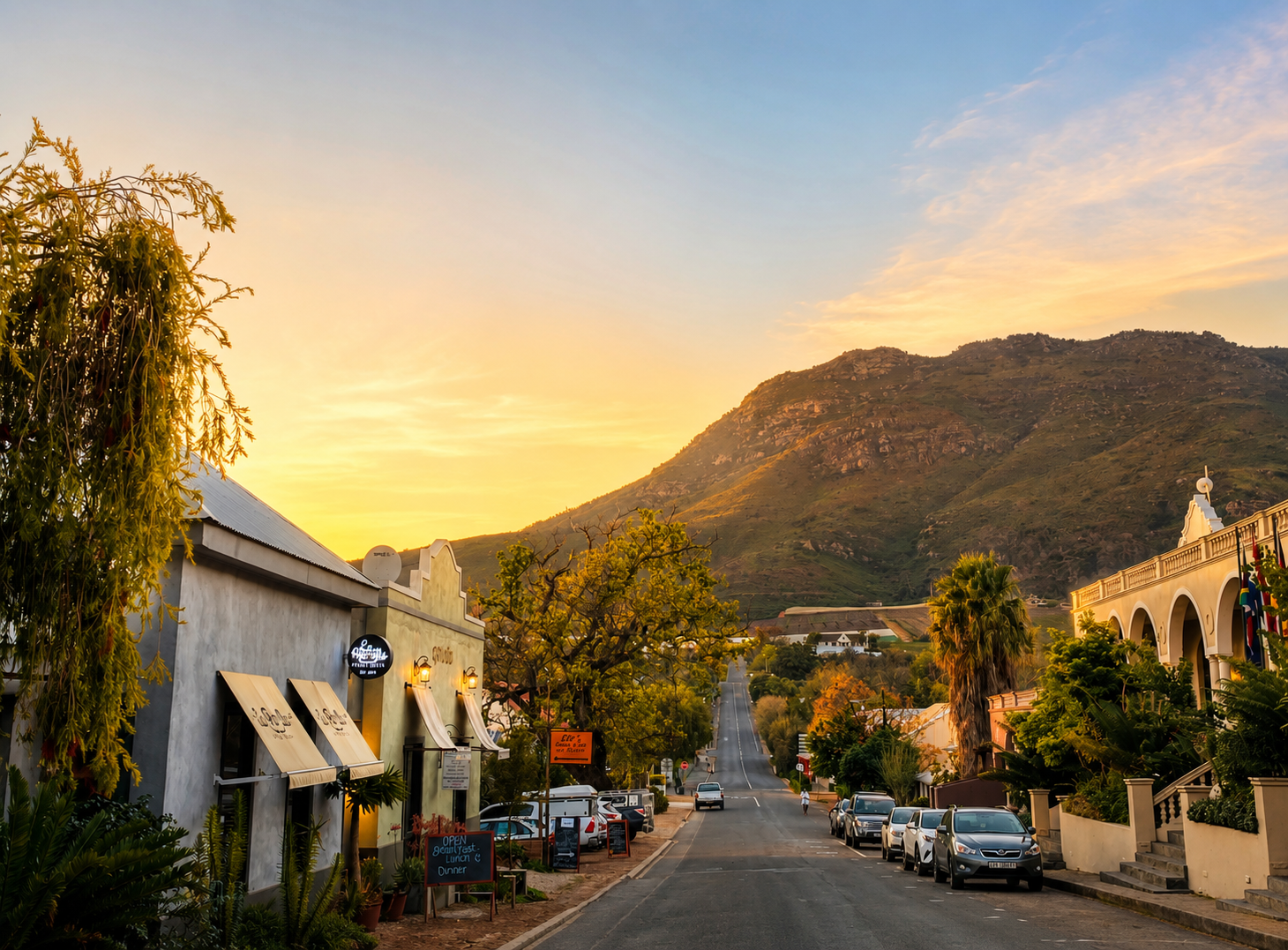
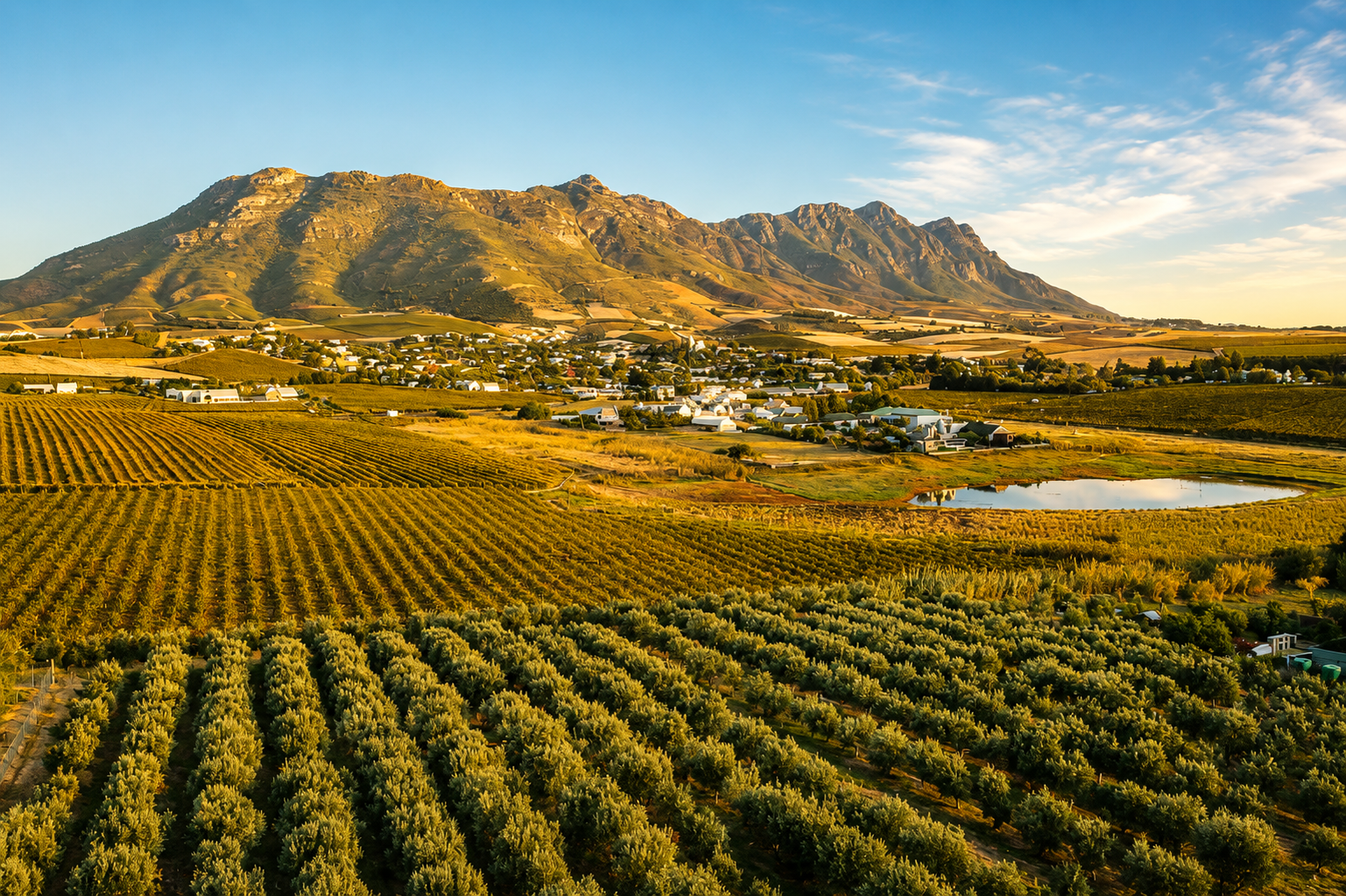
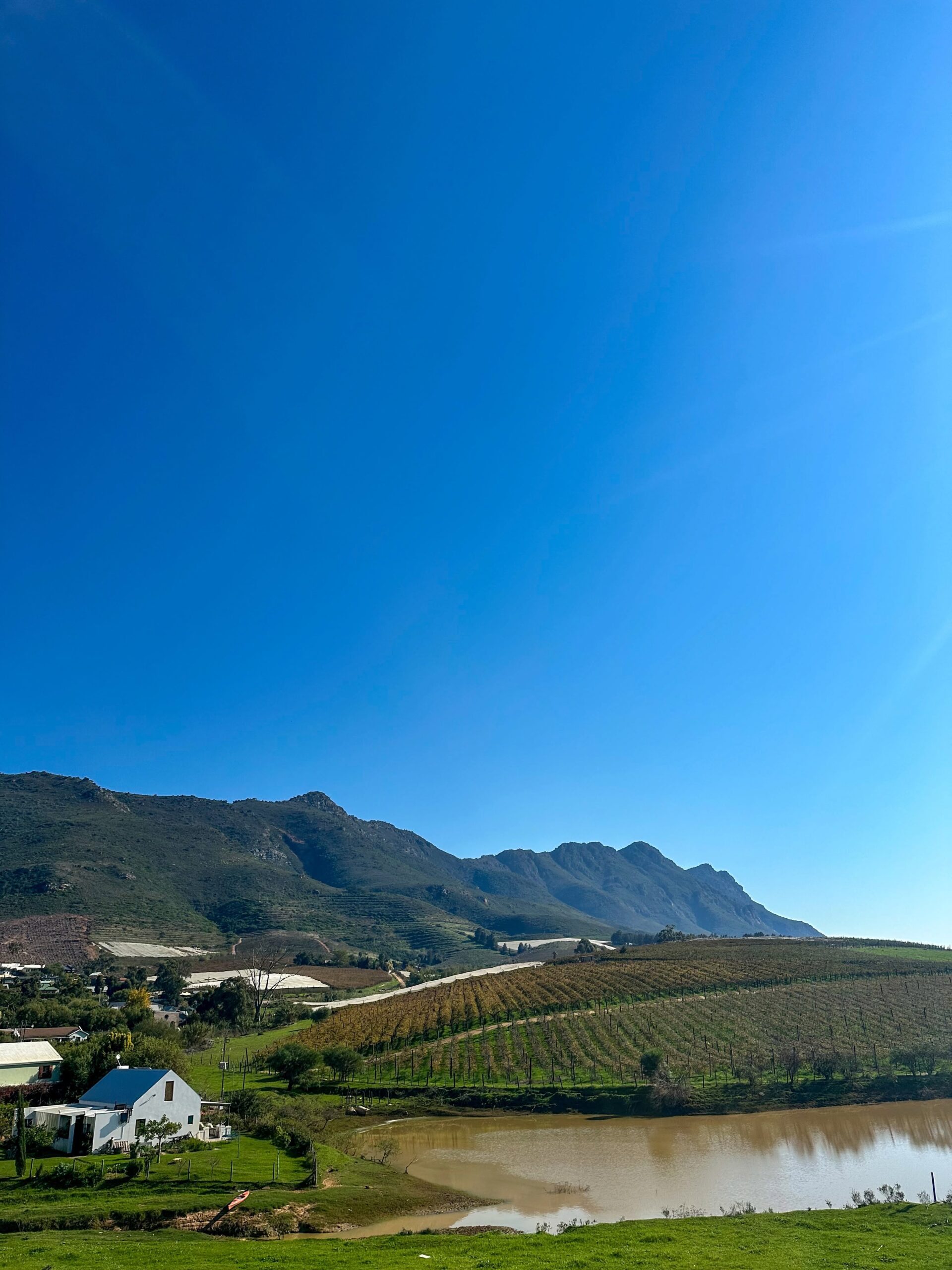
Riebeek Kasteel sits in the picturesque Riebeek Valley, surrounded by vineyards, olive groves and mountains, on the slopes of the 946-metre Kasteelberg. Its landscape is one of the first things that makes an impression, but the town's character is equally distinctive. Cape Dutch and Victorian architecture contribute to its historic appearance, while galleries, craft shops, restaurants and locally owned businesses give it a contemporary energy. The result is a village that feels rooted in its history without being trapped in it.
It is also this combination that has attracted artists, writers and creatives to the area , the Riebeek Valley's "Arts Town" community is well established ; giving Riebeek Kasteel a reputation that stretches well beyond its wine and agricultural heritage. For travellers, that means there is more to do here than simply admire the scenery.
Start with the story
Riebeek Kasteel takes its name from Jan van Riebeeck: in February 1661, an inland expedition under Pieter Cruythoff climbed a mountain here and named the fertile valley below in the Commander's honour. Farmers settled the valley in the following centuries, and by 1900 the town had been laid out around its church, making it one of South Africa's oldest towns.
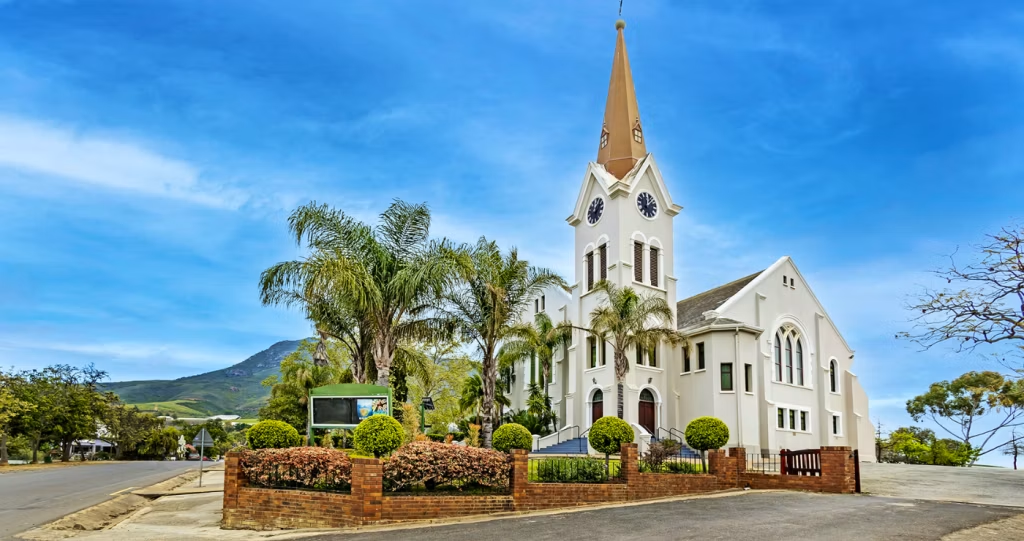
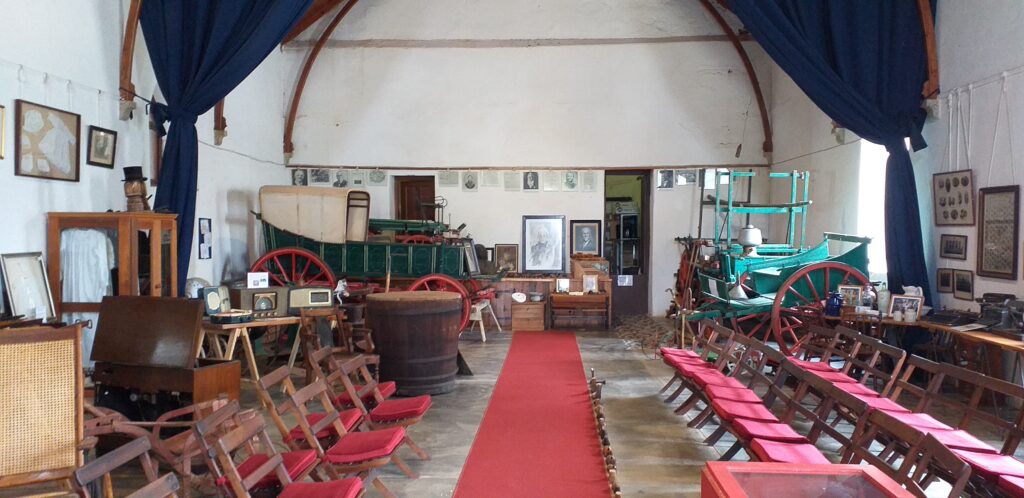
One of the most fascinating places to begin exploring that history is the Riebeek Valley Museum, housed inside De Oude Kerk, the original Riebeek Kasteel church, its cornerstone laid in 1855 and the building completed in 1856. Rather than being just another stop on a sightseeing itinerary, the museum provides context for the landscape surrounding the town: the farms, settlements and communities that shaped the region, including a horse-drawn hearse dating to 1880 and artefacts from the Voortrekker families who settled the valley. For a destination that's often marketed purely for its food and wine, this historical layer matters, it's a reminder that Riebeek Kasteel's story started long before the weekend getaway.
Where olives and wine take centre stage
Ask what defines the Riebeek Valley today and two answers come up quickly: wine and olives. The region is renowned for both, and visitors can experience that agricultural heritage through wine tastings, olive products, estates and restaurants.
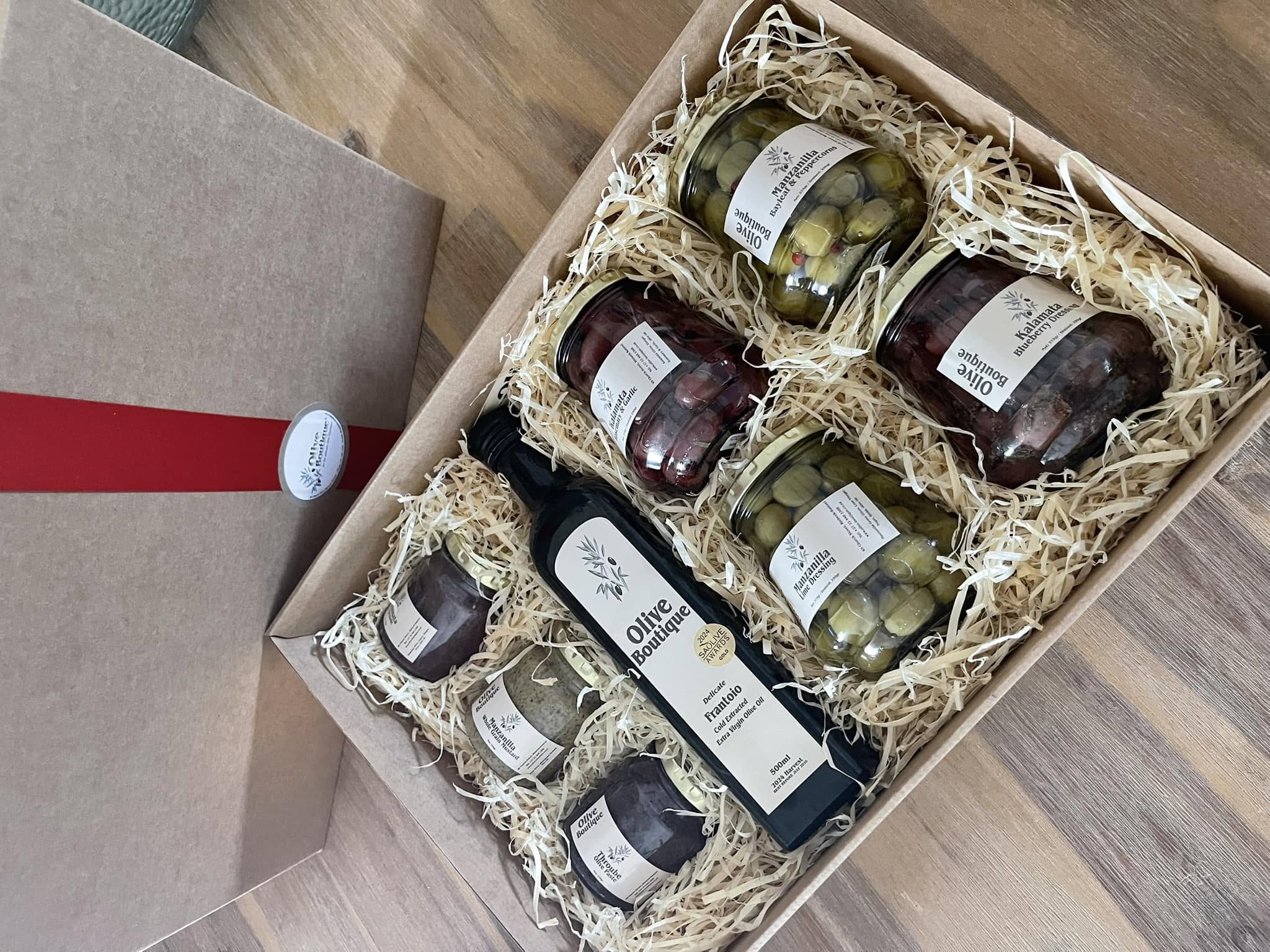
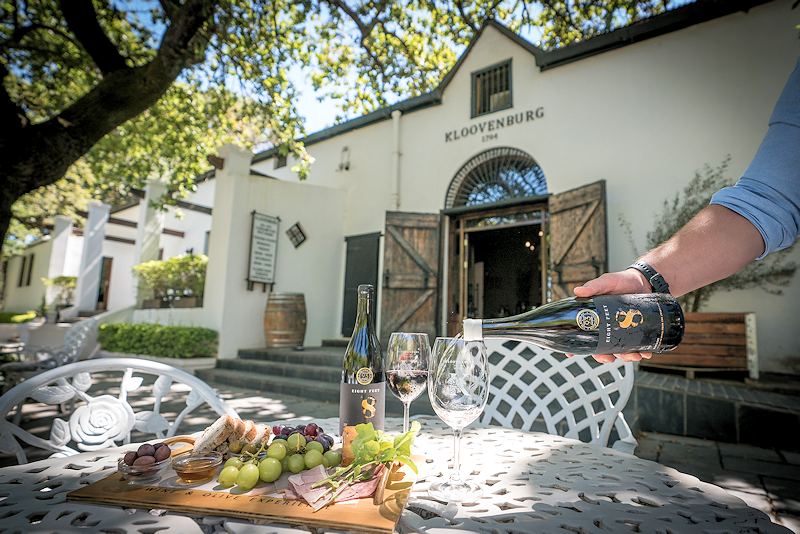
One of the best-known destinations is Kloovenburg Wine & Olive Estate. Its history reaches back to 1704, when the Bothma family were among the valley's first settlers. Today, the third-generation Du Toit family has developed Kloovenburg into far more than a wine farm — combining wine tasting, an olive boutique, retail spaces, restaurants, accommodation, a play area and hiking trails. It's precisely this kind of experience that makes Riebeek Kasteel interesting: you can arrive for the wine and end up spending the whole afternoon exploring the landscape, sampling local produce, or simply enjoying the views.
Lace up your walking shoes
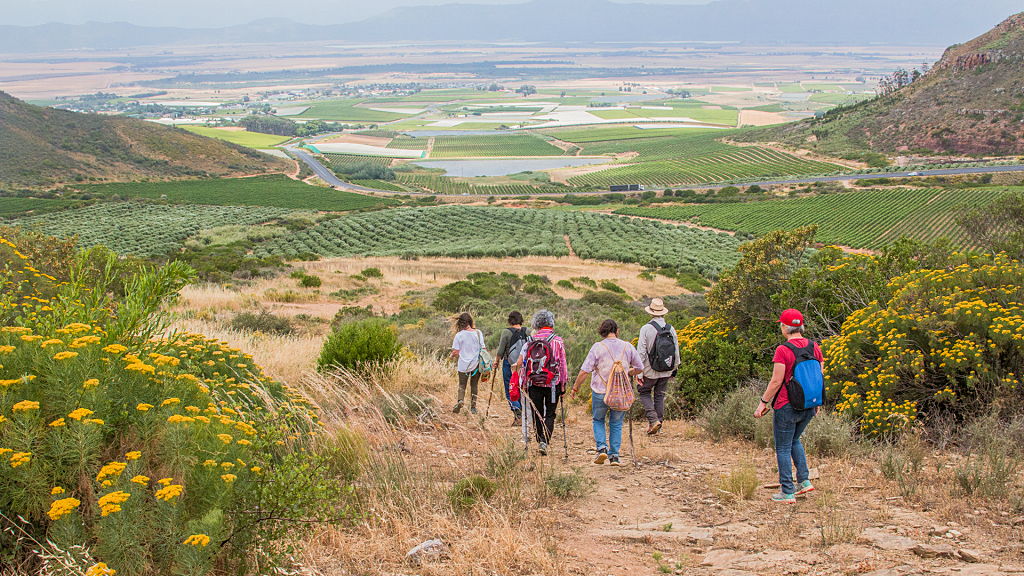
Riebeek Kasteel is not only for foodies. For travellers who prefer to earn their lunch, the Kloovenburg hiking trails offer a way to experience the surrounding mountains on foot. The trails begin from the lookout point at Eight Feet Village and range from easy, short walks to longer, more strenuous routes, leading into the indigenous Kasteel Mountains where hikers can encounter mountain fynbos and wildflowers. It's a different perspective of the valley — instead of looking at the vineyards and mountains from a restaurant terrace, you get to move through the landscape itself.
A town with an artistic side
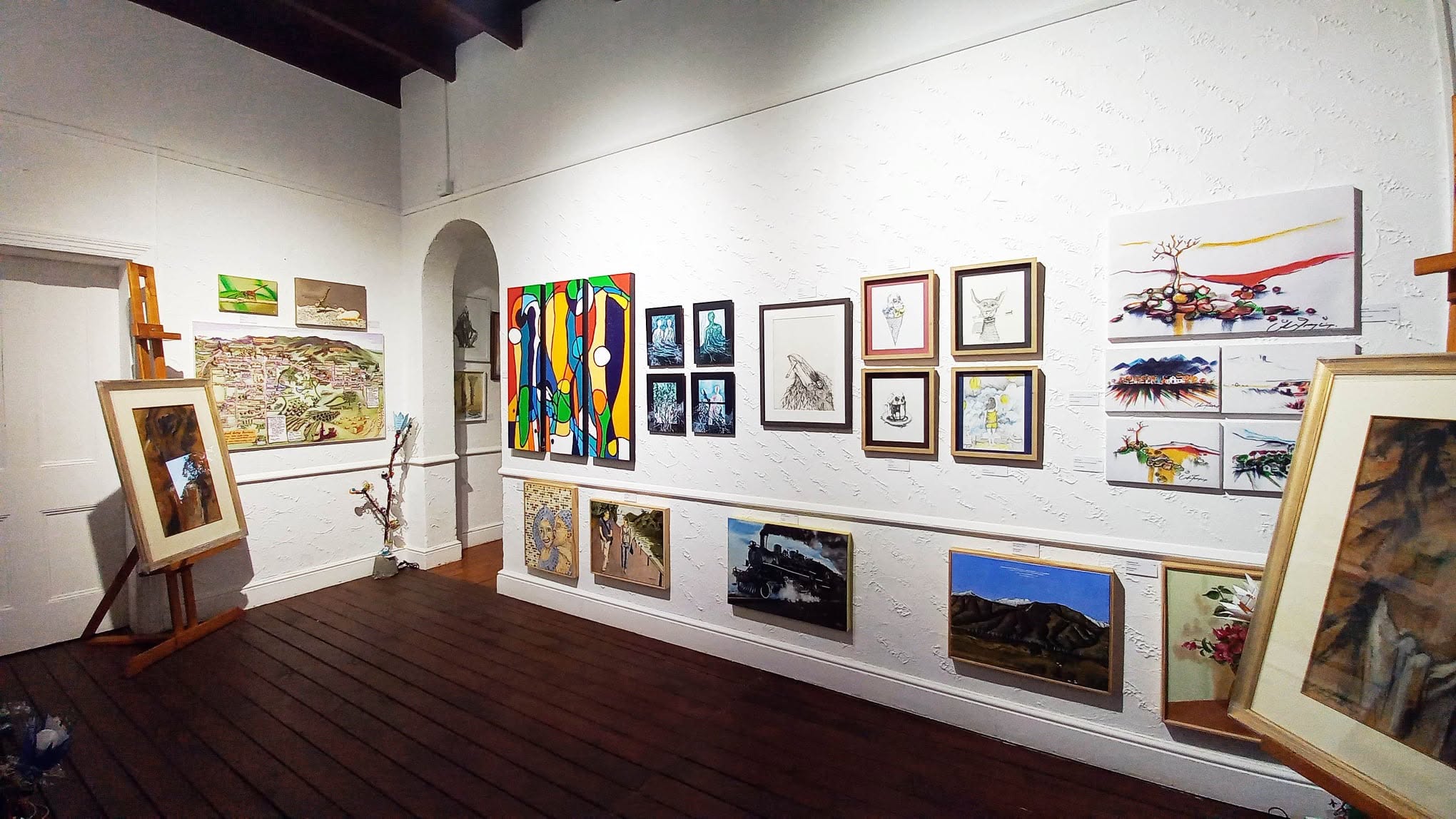
Riebeek Kasteel's creative community is another reason the village feels different from a conventional countryside escape. At Gallery 7 on Plein, the focus is on providing a platform for non-professional and emerging artists from the Riebeek Valley, a safe space to exhibit, often for first-timers.
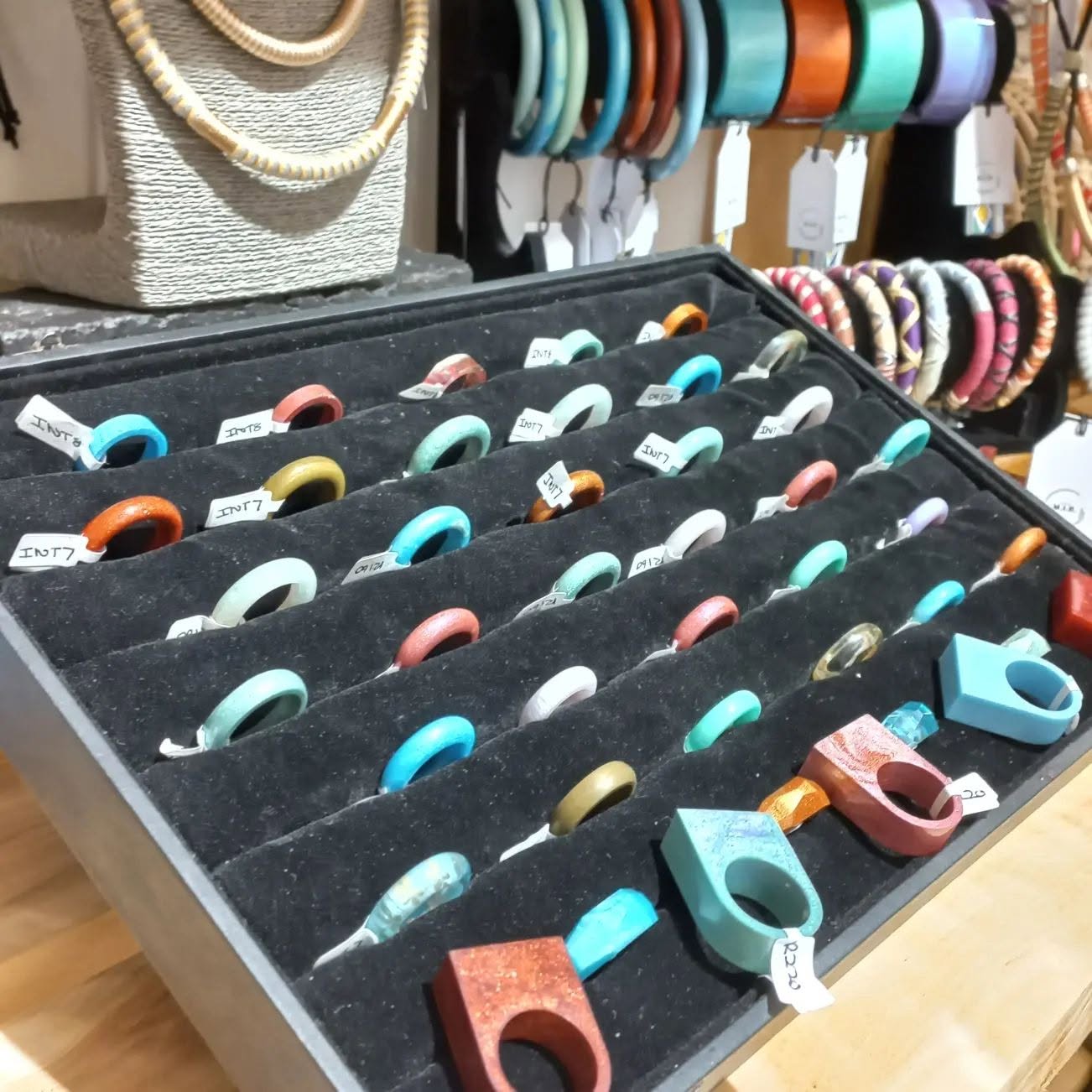
Then there is Made in Riebeek, a craft destination on Plein Street dedicated to handmade goods produced entirely within the Riebeek Valley. The initiative also runs a community project known as the Crochet Grannies, whose handmade creations form part of the shop's offering. These are the kinds of places that reward curious travellers , you might arrive looking for a souvenir and leave with something that actually tells a story about the community you've just visited.
Don't skip the village market
If you want to see Riebeek Kasteel at its most lively, time your visit for the first Saturday of the month. The Village Market on the Square runs from 09:00 to 13:00, bringing food vendors and artisans into the village square , plants, essential oils, clothing, jewellery, crafts and art, with the surrounding village offering plenty of opportunity to keep exploring once you've finished browsing. It's a good example of what makes small-town travel appealing: the market isn't an attraction separated from the community. It is part of the community.
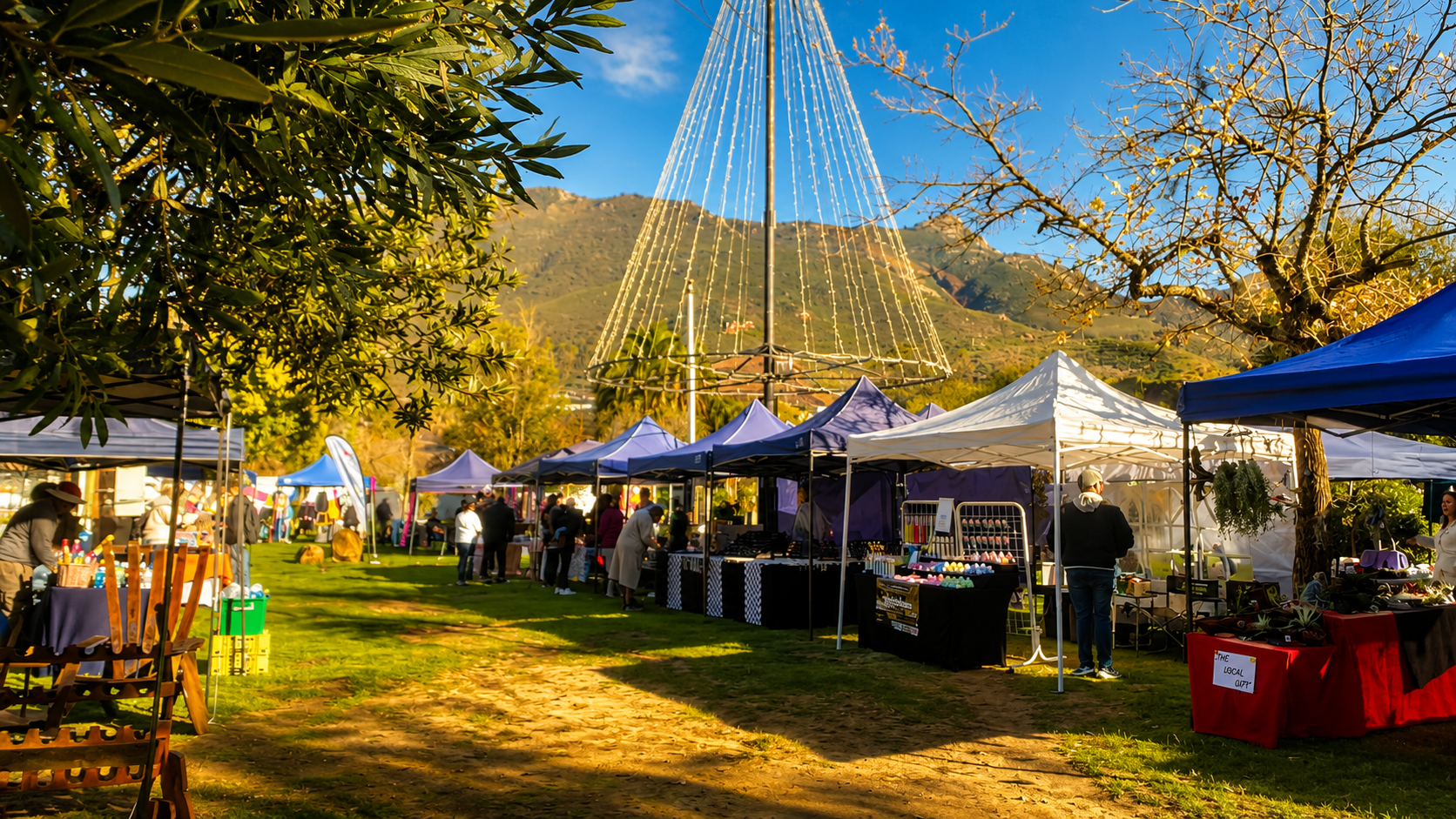
Riebeek Kasteel's Village Market runs on the first Saturday of every month (excluding January), 09:00–13:00, on the Square opposite Kasteel Motors Garage.Next market from today (13 August 2026): Saturday, 5 September 2026.
Come hungry
For a town of its size, Riebeek Kasteel has an impressive dining scene, spanning French-inspired cuisine, country-style cooking, bakeries, wine bars and restaurants overlooking the valley.
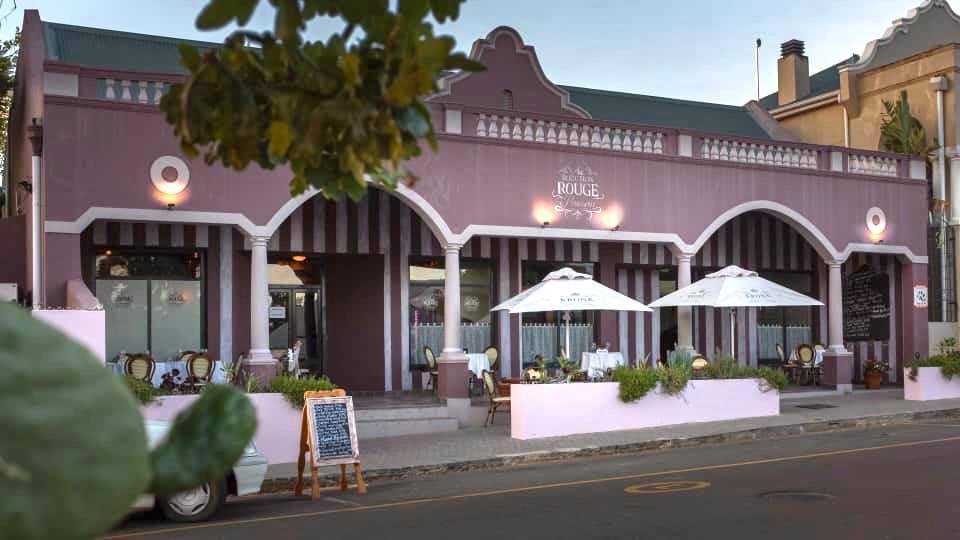
Au Bouchon Rouge — Parisian-inspired brasserie from chef-owner Julien Debray, using local suppliers and West Coast seafood.
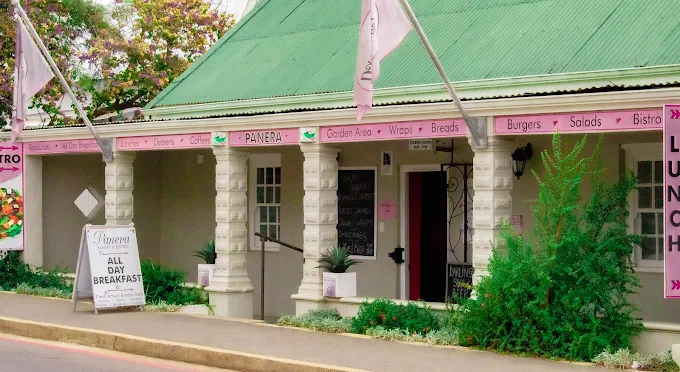
Panera Bakery & Bistro — artisan breads, pastries and cakes alongside relaxed breakfasts and lunches, with vegan-friendly options.
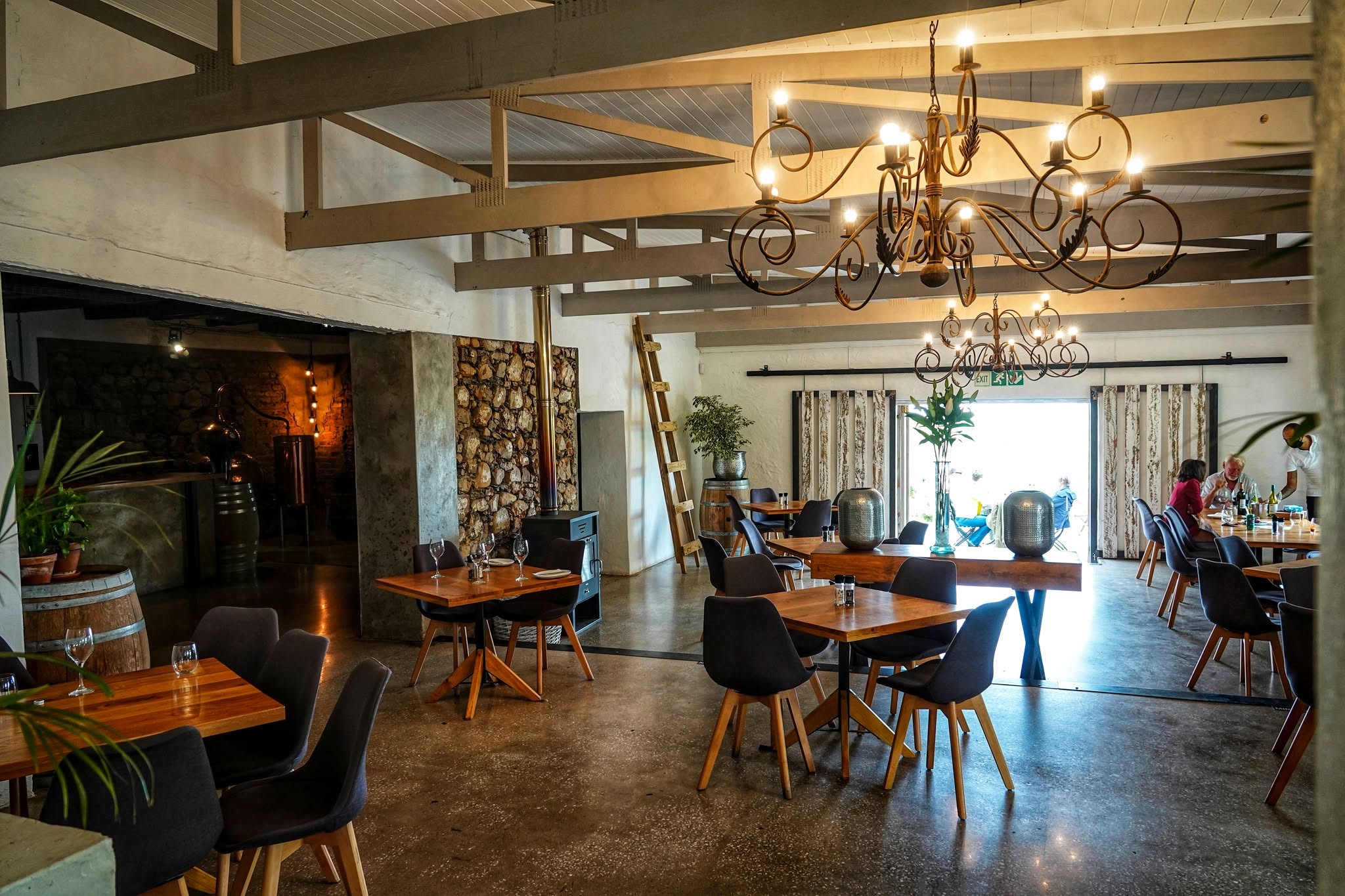
The Barn — Mediterranean-inspired food in a setting built for lingering, with valley views.
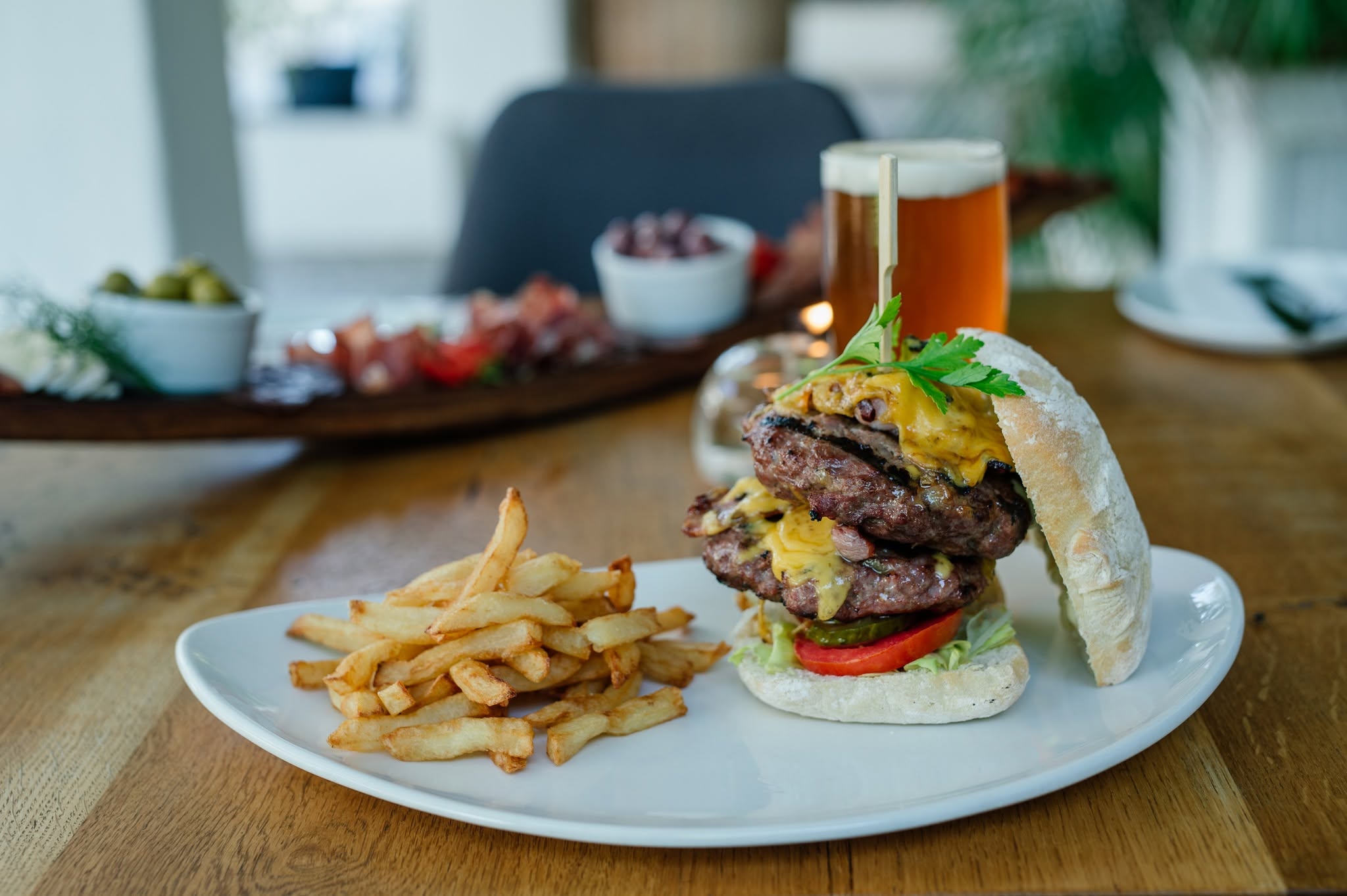
In other words: you do not need to leave the village hungry.
There is even a garden worth xploring
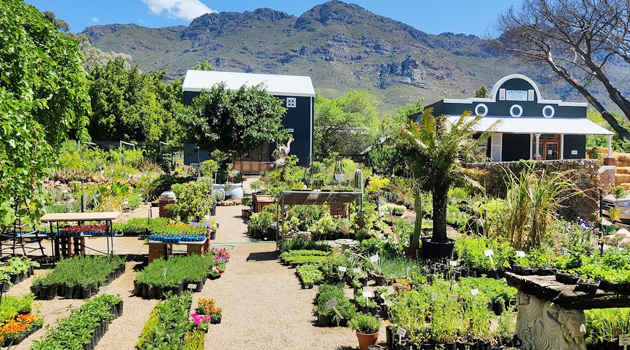
For something a little different, The Garden offers visitors a chance to explore a botanical garden cultivated by Alison Prest over three decades. The focus is on indigenous plants, with Prest sharing knowledge on cultivation, medicinal uses and Japanese gardening philosophy. It's open on Saturdays and Sundays of the first weekend of each month from 10:30, with visits also possible by appointment — exactly the sort of experience that's easy to miss if you only follow the obvious tourist route. And that's part of Riebeek Kasteel's charm.
Stay the night
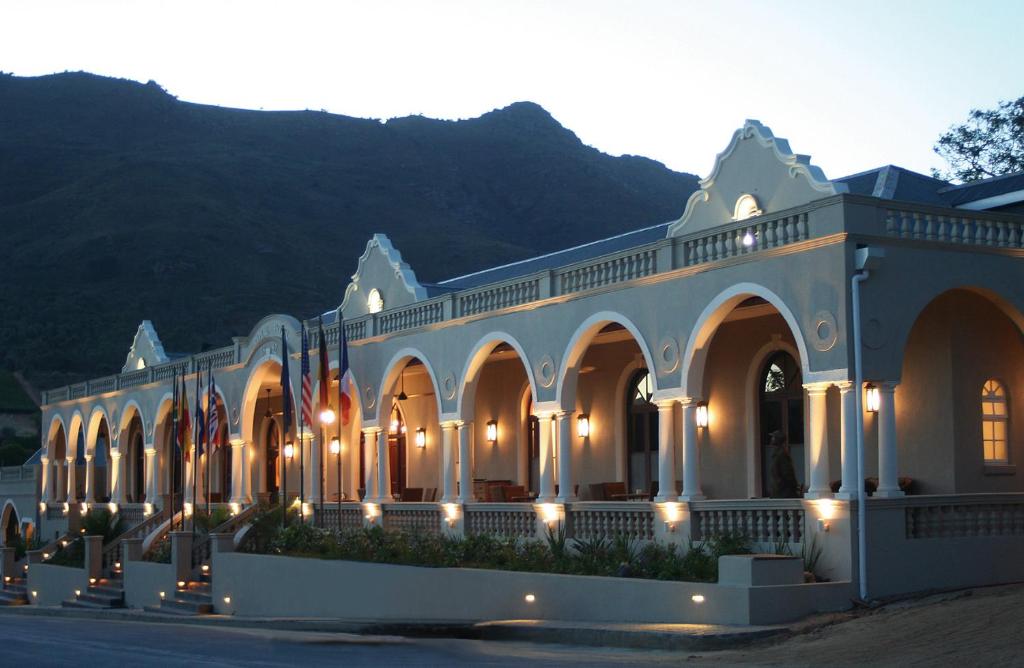
While Riebeek Kasteel is close enough to Cape Town for a day trip, staying over changes the experience entirely. Among the best-known options is The Royal Hotel, at the heart of the village. Built in 1862, it's recognised as the oldest licensed hotel in the Western Cape, with former prime ministers Jan Smuts and D.F. Malan ; both born in the Riebeek Valley , counted among its historic guests. Its restaurant and accommodation make it possible to turn a quick visit into a proper weekend escape, and arguably that's the better way to experience the town: give yourself time, have dinner, stay over, wake up slowly, have coffee, then decide what you feel like doing next.
Why Riebeek Kasteel belongs on your Xplore list
Riebeek Kasteel may be small, but it has an unusually rich combination of experiences. History lives in its buildings and museum. Agriculture is visible in its vineyards and olive groves. Its food scene reflects both local produce and international influences. Its galleries and craft shops reveal a creative community. And its surrounding mountains invite you to step outside and explore. Most importantly, it still feels like a village — increasingly valuable in a world of rushed weekends and over-planned holidays.
So if your next getaway doesn't need to involve a packed schedule, a crowded resort or a long-haul flight, consider heading into the Swartland instead. Come for the wine. Stay for the food. Xplore the history. Find the art. Walk the mountains. And, most importantly, give yourself permission to slow down.