By Aurelia Mbokazi
August is a month of transition on many South African farms.
In the summer rainfall regions, one season is winding down and another is beginning to come into view. Harvesting is largely behind many producers, while decisions about soil, seed, fertiliser, water and the next planting cycle are moving up the priority list.
It is also a good time to ask a simple question: could you be farming smarter?
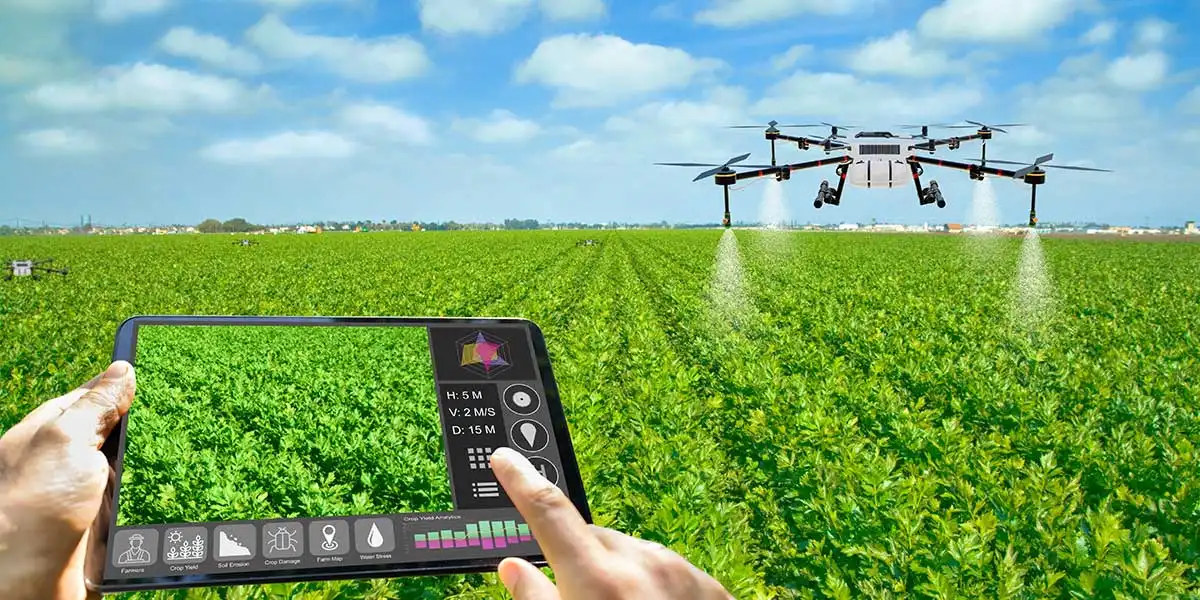
Agricultural innovation can sound intimidating, particularly for a smallholder or emerging farmer somewhere between producing for the household and building a commercial business. Talk of artificial intelligence, drones, sensors and precision agriculture can easily create the impression that technology belongs on large farms with equally large budgets.
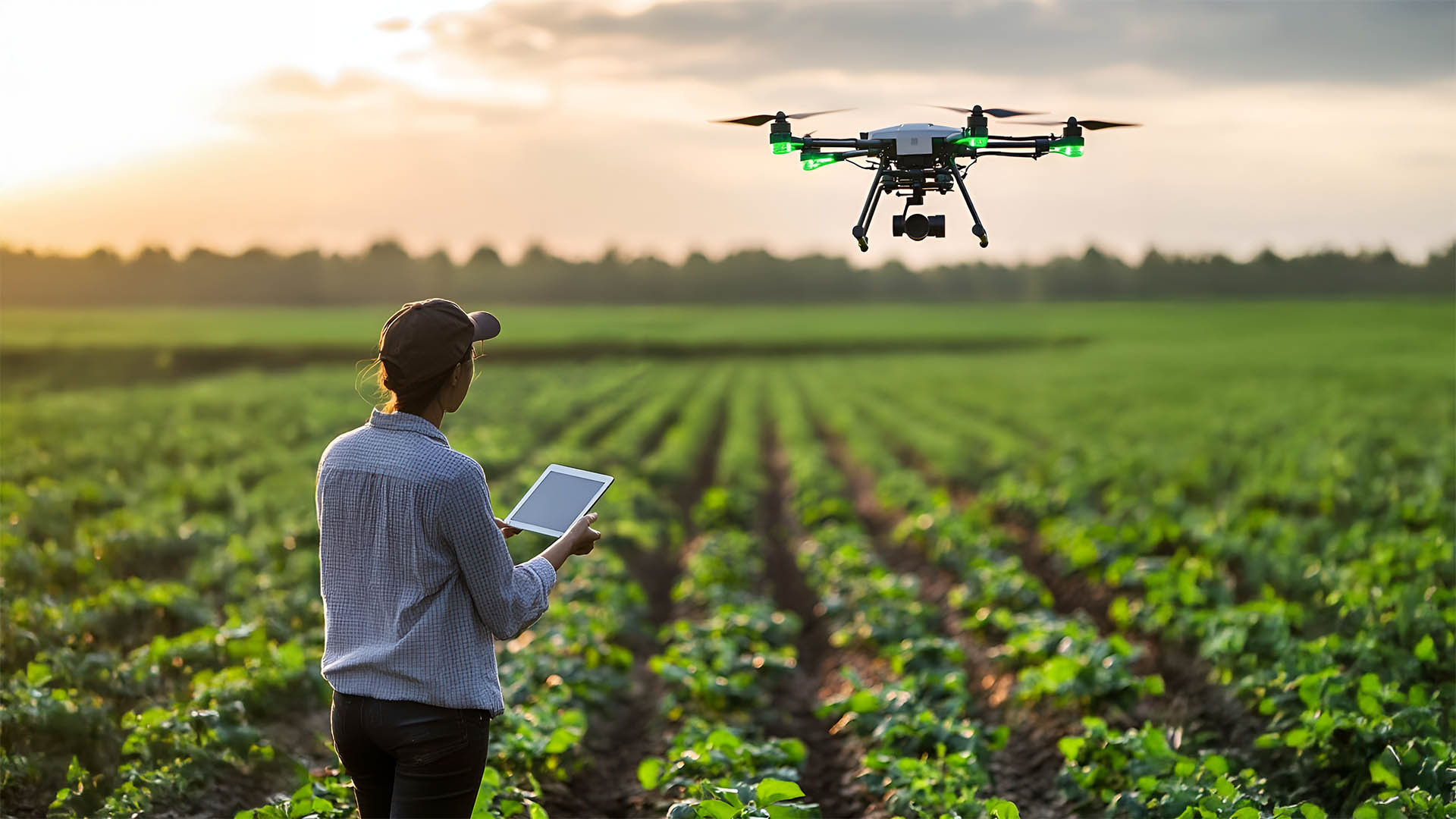
But useful agricultural innovation doesn't always require expensive machinery.
Sometimes it is an app on the phone you already own, a soil test before buying fertiliser or a sensor that tells you whether your crops actually need water.
The technology isn't necessarily new. What matters is knowing what is available and finding the tools that solve a real problem on your farm.
Here are five worth exploring before the next season gets underway.
1. Put agricultural advice in your pocket
Sometimes the most useful farming technology is the phone you already own.
The Agricultural Research Council's ARC Hub is a free digital platform designed for smallholder and commercial farmers. It provides information on crops, livestock, animal and plant health, agro-processing and training.
There is also AgriCloud, which uses location and weather information to provide farm-specific guidance, including forecast planting dates and suitable spraying conditions.
For a smaller farmer who doesn't have an agronomist readily available, access to reliable information can make a difference.
A Gates Foundation feature from India illustrates the principle well. Farmer Sradhanjali Pradhan uses a free agricultural helpline when she spots pests or crop damage. Instead of losing valuable time travelling to find assistance, she can seek advice quickly and share what she learns with neighbouring farmers.
South Africa's services are different, but the lesson travels well: getting the right information early can prevent an expensive problem later.
How to access it: The ARC Hub is free online and available for Android and iOS. Farmers who need additional guidance can approach their provincial agriculture department and ask for an agricultural extension officer, essentially an adviser who works directly with farmers on production and other agricultural challenges.
2. Test the soil before spending on inputs
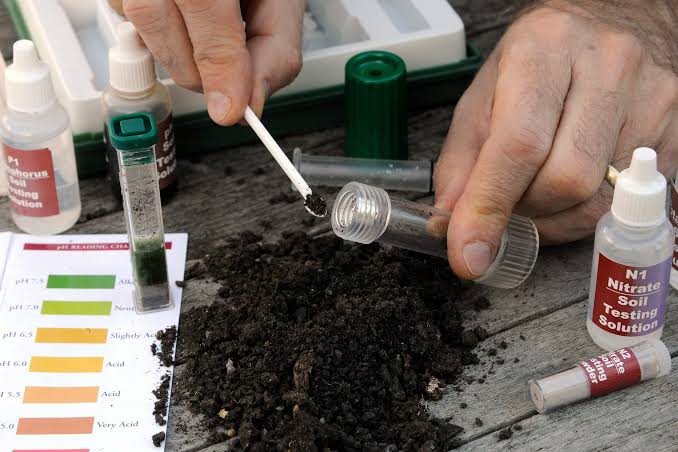
Before ordering fertiliser for the coming season, find out what your soil actually needs.
Soil testing isn't new, but it remains one of the simplest ways of making more informed decisions about inputs.
A farmer can collect soil samples and submit them for laboratory analysis. The results can indicate nutrient levels and help determine whether the soil needs particular fertilisers or lime rather than simply repeating what was applied last season.
The ARC operates analytical laboratories that accept soil samples, including samples sent by courier. It has also developed mobile soil-testing laboratories, essentially testing facilities that can travel into farming communities and analyse farmers' soil closer to where they operate.
This matters when fertiliser and other inputs are expensive. Applying nutrients your soil doesn't need isn't only inefficient; it is money going into the ground without necessarily improving your crop.
How to access it: Farmers can contact the ARC's Soil, Climate and Water analytical services directly about submitting a soil sample and obtaining a quotation. Your provincial agriculture department can also advise on soil-testing services available closer to your farm.
The principle is simple: test first, then spend.
3. Let a sensor tell you when the soil needs water
Walking into a field and deciding that it "looks dry" isn't always the best way to determine whether crops need irrigation.
A soil-moisture sensor is placed in the ground and measures how much moisture is actually available around the roots. Depending on the system, the reading can be checked on a small display or sent to a phone or online dashboard.
That gives a farmer something much more useful than guesswork: information that can help determine whether to irrigate now, wait another day or reduce the amount of water being applied.
For a small vegetable operation, this doesn't have to mean installing sensors across every hectare. A farmer could begin with one or two sensors in representative sections of a field or tunnel and use those readings alongside knowledge of the crop and soil.
That can be particularly valuable in a water-scarce country such as South Africa.
How to access it: Ask an irrigation supplier or agricultural technology company specifically about entry-level soil-moisture sensors suitable for the size of your operation. Explain what you grow, how large the area is and how you currently irrigate before buying anything.
Start small and establish whether the information actually improves your irrigation decisions.
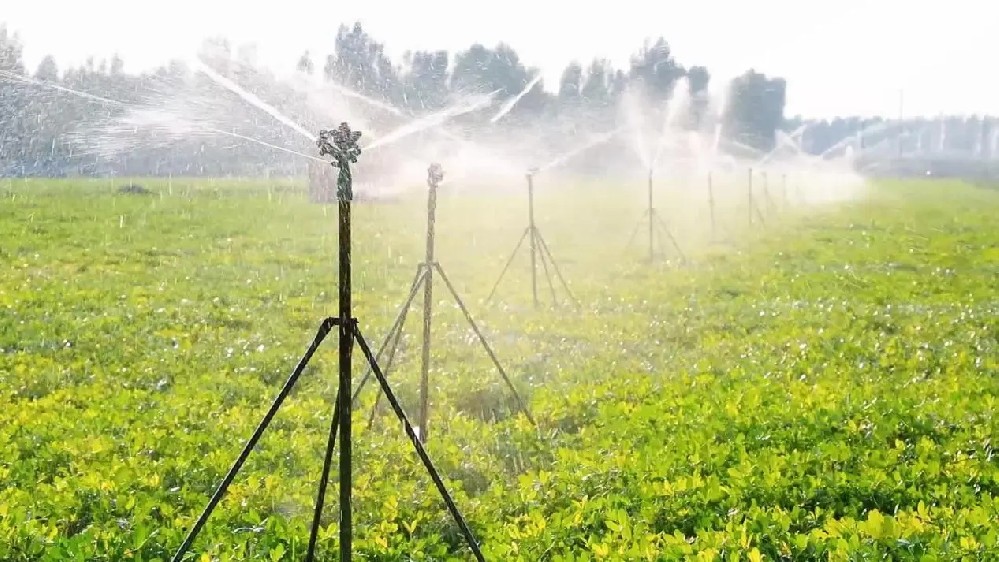
4. Use precision agriculture without buying a drone
Drones are probably one of the most visible symbols of modern farming, but a farmer doesn't necessarily need to own one to benefit from what they can see.
Think of it this way: walking through a field tells you what is happening immediately around you. A drone or satellite image gives you a view of the entire crop.
That imagery can reveal sections where plants are under stress, areas with possible water or nutrient problems and changes in crop growth that may deserve closer inspection.
The CSIR's Precision Agriculture Information System takes information collected from satellites, drones and field-based sensors and analyses it to provide farmers with usable information about soil variability, crop health and potential threats. Its system is also designed to support decisions around soil preparation, irrigation, fertiliser use and crop monitoring.
For a smaller farmer, however, the practical starting point may be much simpler: hire the technology when you need it rather than buying it.
A professional agricultural drone or precision-farming service can map a field or inspect a crop at a particular stage of the season. That allows a farmer to benefit from the technology without carrying the cost of owning and operating specialised equipment.
How to access it: Look for professional agricultural drone or precision-farming service providers operating in your area and ask exactly what information you will receive after the survey. Compare quotations and, particularly for spraying, ensure the operator meets the relevant South African regulatory requirements.
5. Share the technology and the cost
Perhaps one of agriculture's most useful innovations isn't a device at all.
It's collaboration.
In the Indian farming community profiled by the Gates Foundation, women farmer spooled their resources to buy equipment including a power tiller, grass cutter and agricultural sprayer. When they weren't using the machinery themselves, they rented it to other farmers and shared the income.
It is an idea with obvious relevance for African smallholders.
Five neighbouring farmers may not each need their own specialised piece of equipment. A cooperative, producer group or even a carefully structured arrangement between neighbouring farmers can spread the purchase and maintenance costs while ensuring equipment is used more regularly.
The same thinking can extend beyond machinery to technology and specialist services.
And sharing creates another valuable resource: knowledge. If one farmer learns how to use a new tool effectively, that experience can benefit everyone participating in the arrangement.
Start with the problem, not the technology
Innovation doesn't mean turning a small farm into a high-tech operation overnight.
It might mean testing your soil before buying fertiliser. Checking agricultural information on your phone. Installing one moisture sensor. Hiring a drone service when you need a better view of what is happening across your crop. Or sharing equipment with neighbouring farmers instead of buying something that spends most of the year standing in a shed.
For smaller and emerging farmers, these can be practical steps towards lowering input costs, using water more carefully and identifying problems earlier.
As the next production cycle approaches, don't start by asking which technology your farm needs.
Start with the problem you want to solve. Then find the simplest innovation that can help you solve it.