By Aurelia Mbokazi
South Africa needs more farmers. Not just people growing food for their households, but a new generation of skilled farmers who can turn small beginnings into productive businesses, create jobs and help feed the country.
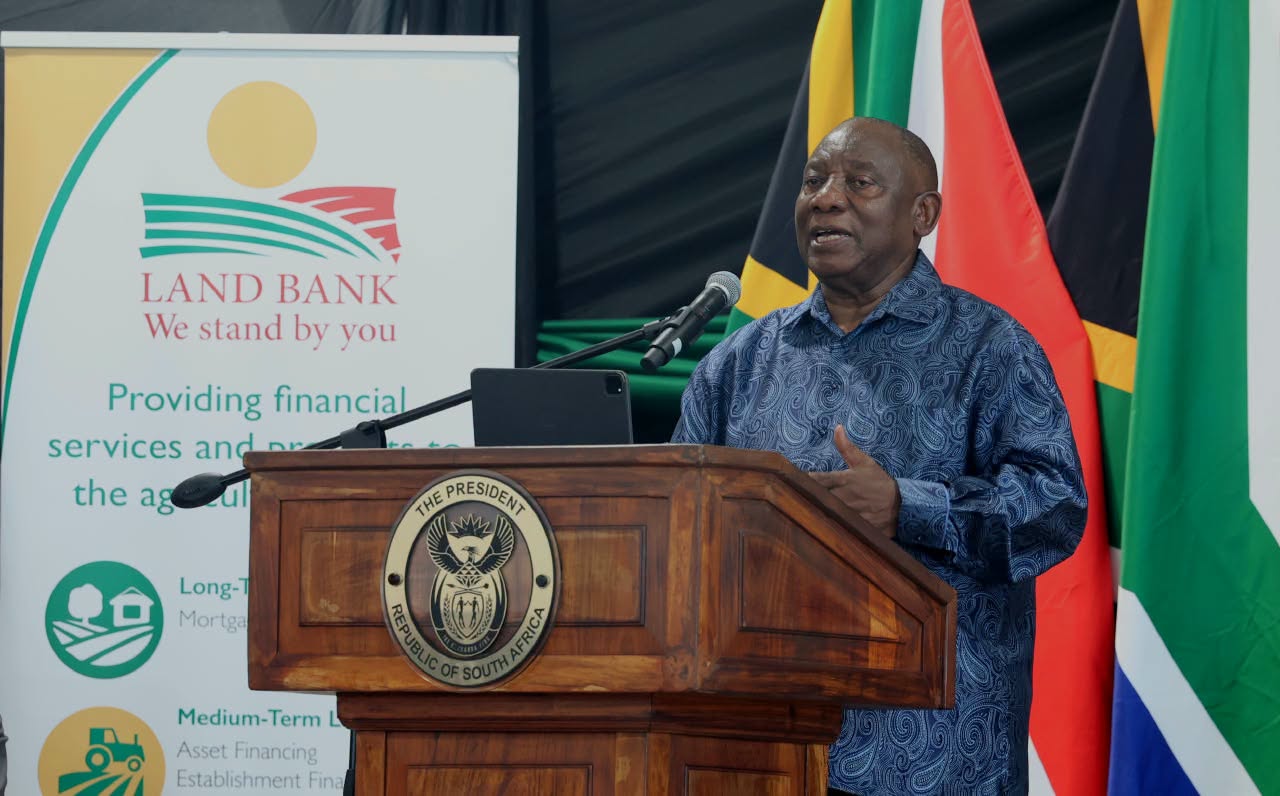
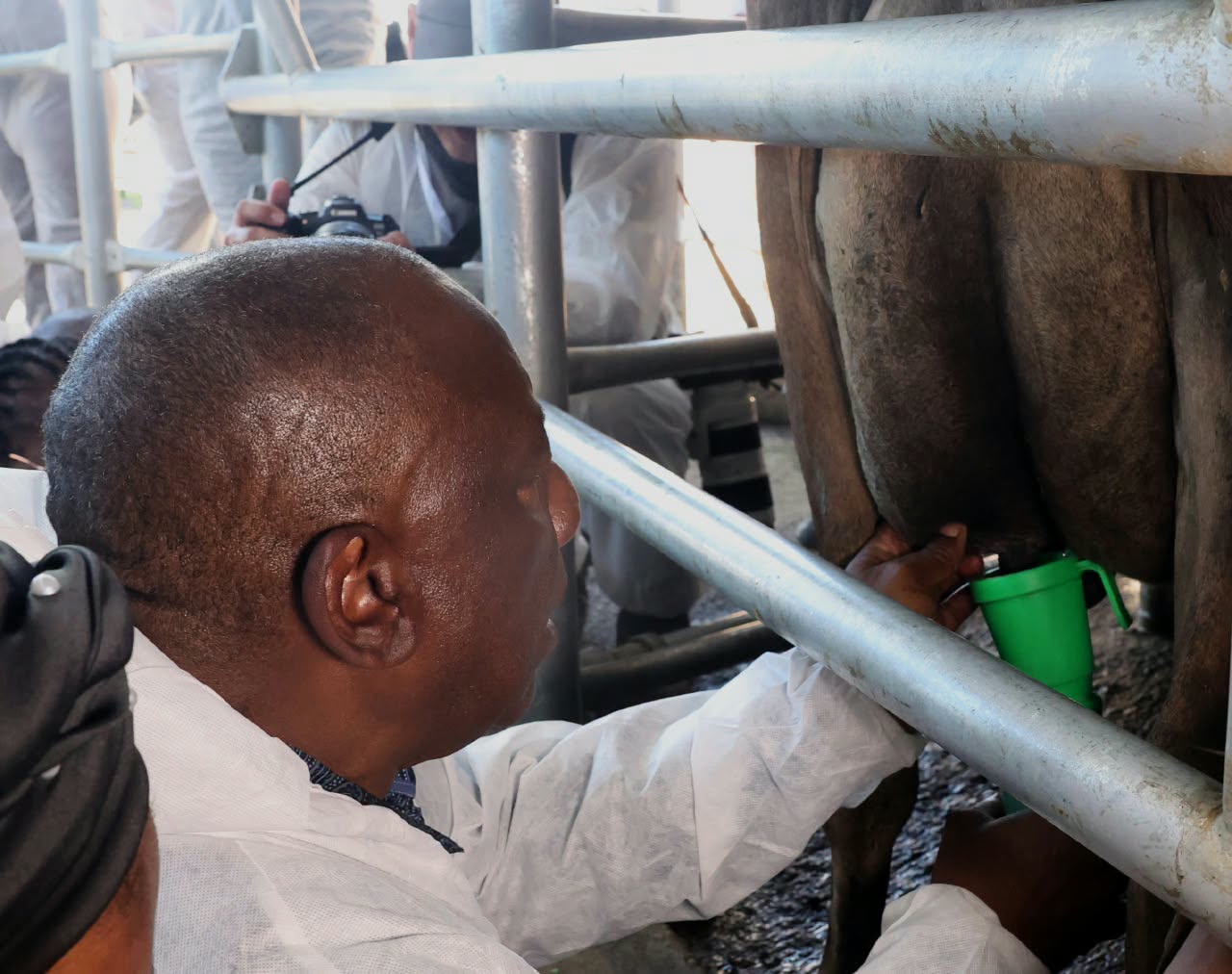
That was one of the strongest messages in President Cyril Ramaphosa's weekly newsletter to South Africans, following his visit to Redlands Farm, a commercial dairy operation in Stutterheim in the Eastern Cape.
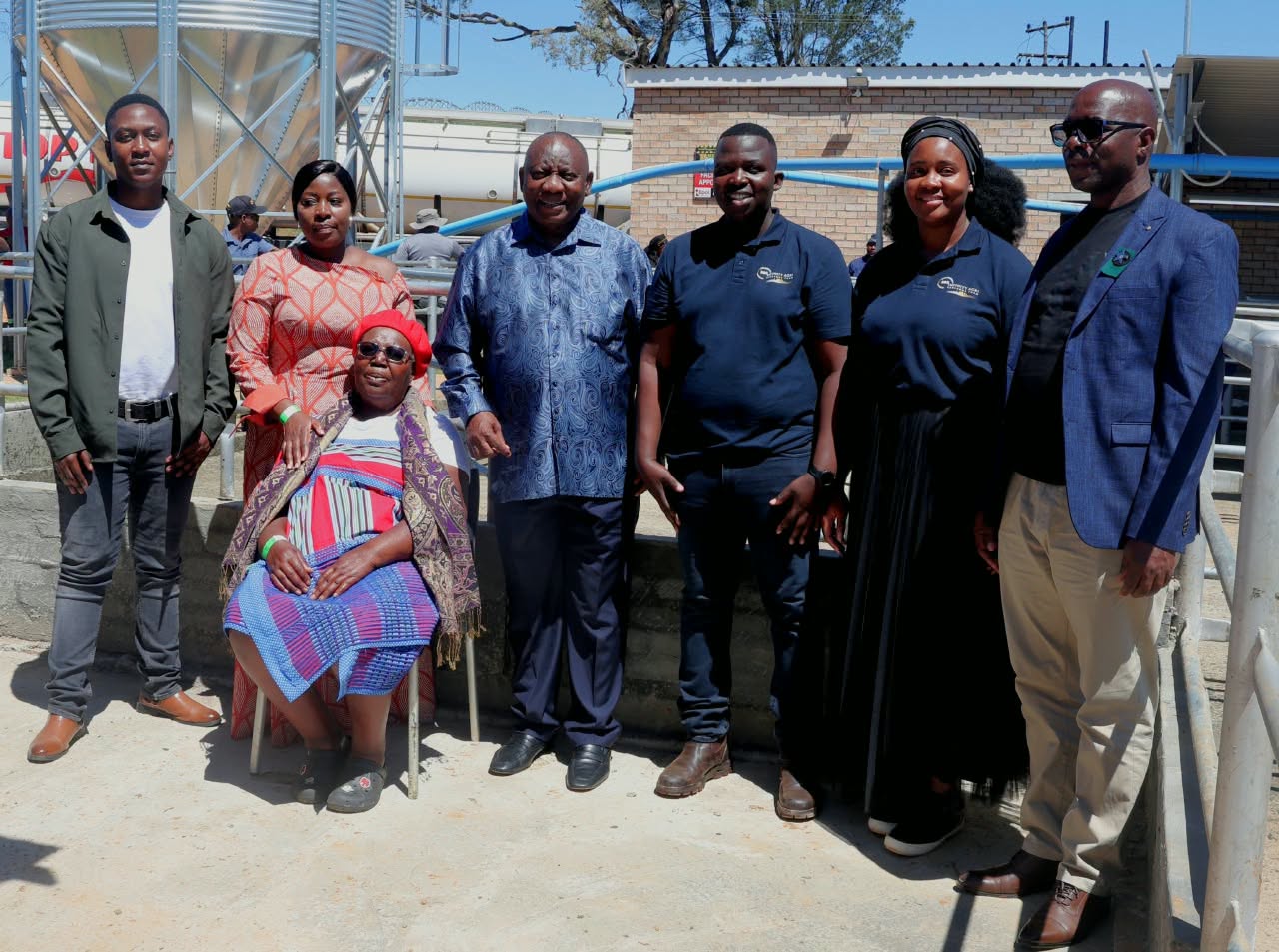
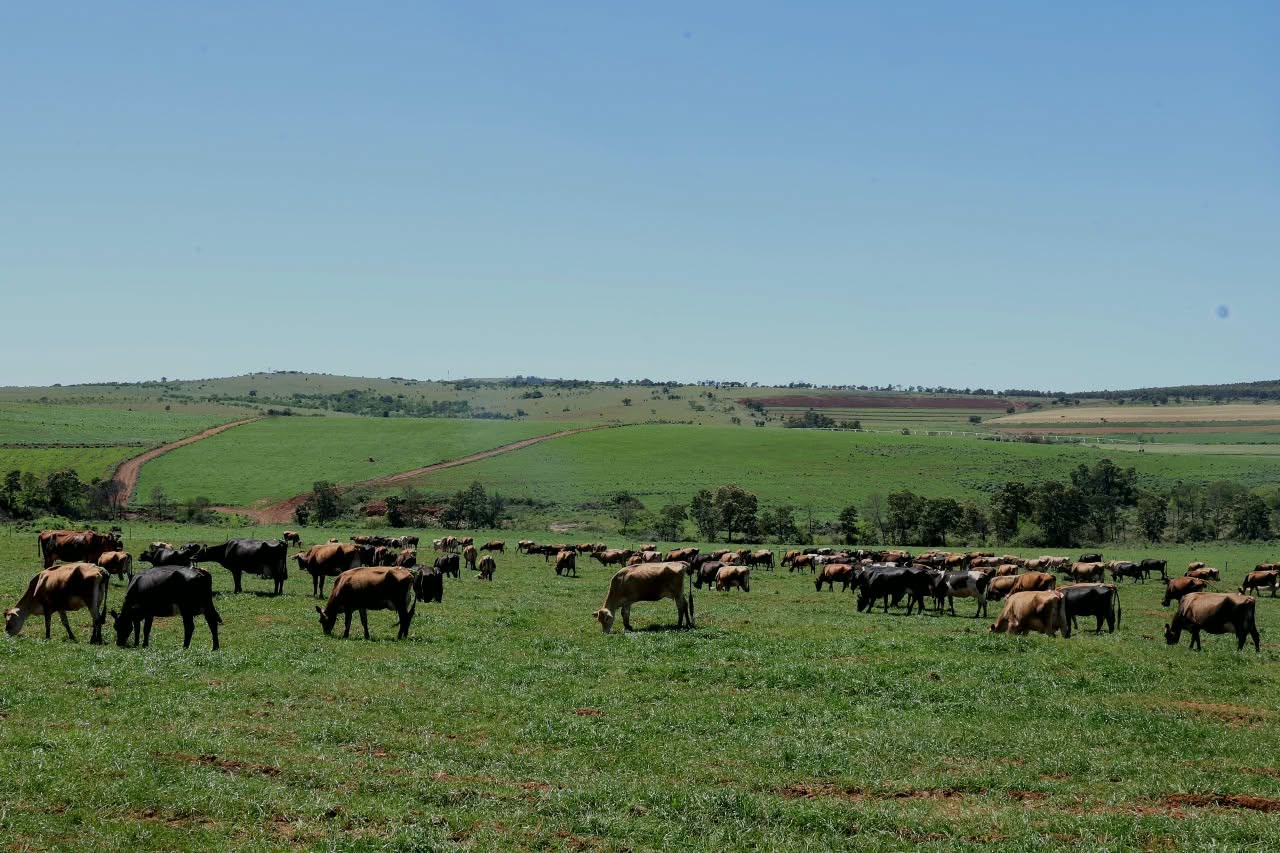
The farm is owned and run by young black farmers who have expanded their business with financial support from the Land Bank.
Their success raises an important question for anyone who has ever considered farming: what does it actually take to move from growing a few crops or keeping a handful of animals to running a successful agricultural business?
As the President's newsletter makes clear, the answer involves considerably more than having land.
Start small, but think beyond the harvest
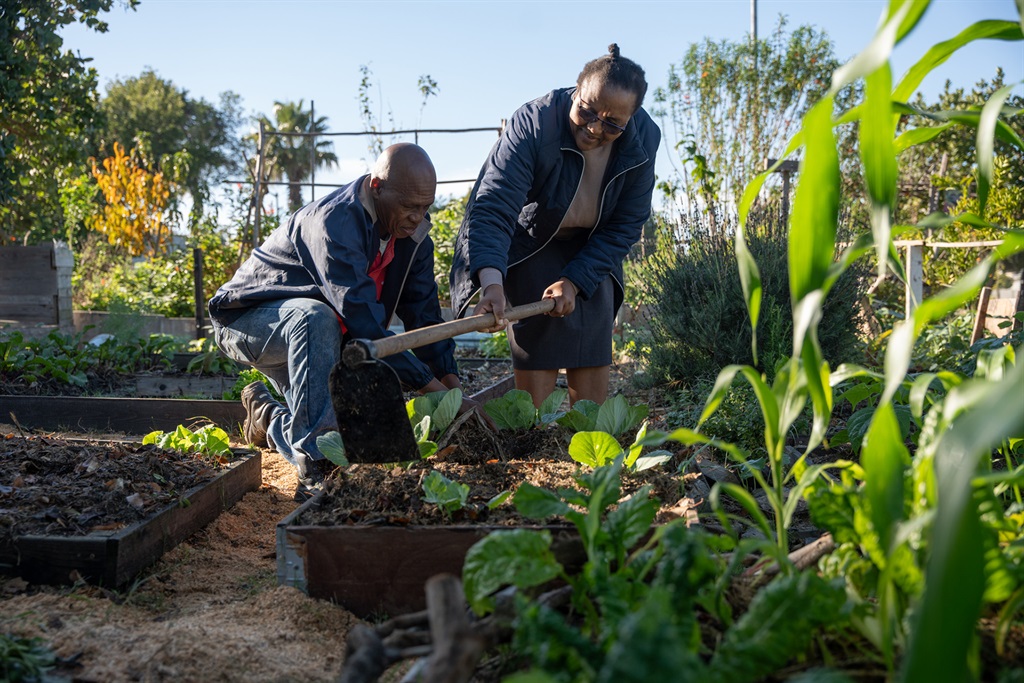
For many aspiring farmers, the journey begins with whatever space is available. It could be a backyard vegetable garden, a rented plot, a community farming project or a small piece of family land.
There is nothing wrong with starting small. It offers an opportunity to learn without immediately taking on the financial risks of a large operation.
But there is an important difference between growing food and building a farming business.
A successful harvest is encouraging. A sustainable business requires knowing what it costs to produce that harvest, who will buy it, how much they are prepared to pay and whether there will be enough money left to plant again.
Before expanding, start keeping records of your expenses, yields and sales. These figures will help you understand whether the operation is financially viable and what needs to improve.They also become useful when approaching potential lenders or funding partners.
Land is important, but knowledge matters too
Ramaphosa argues that South Africa must expand its agricultural base and develop more skilled commercial farmers.
"We need to cultivate a new generation of farmers not only to address the inequalities of the past but to meet the needs of the future," he writes.
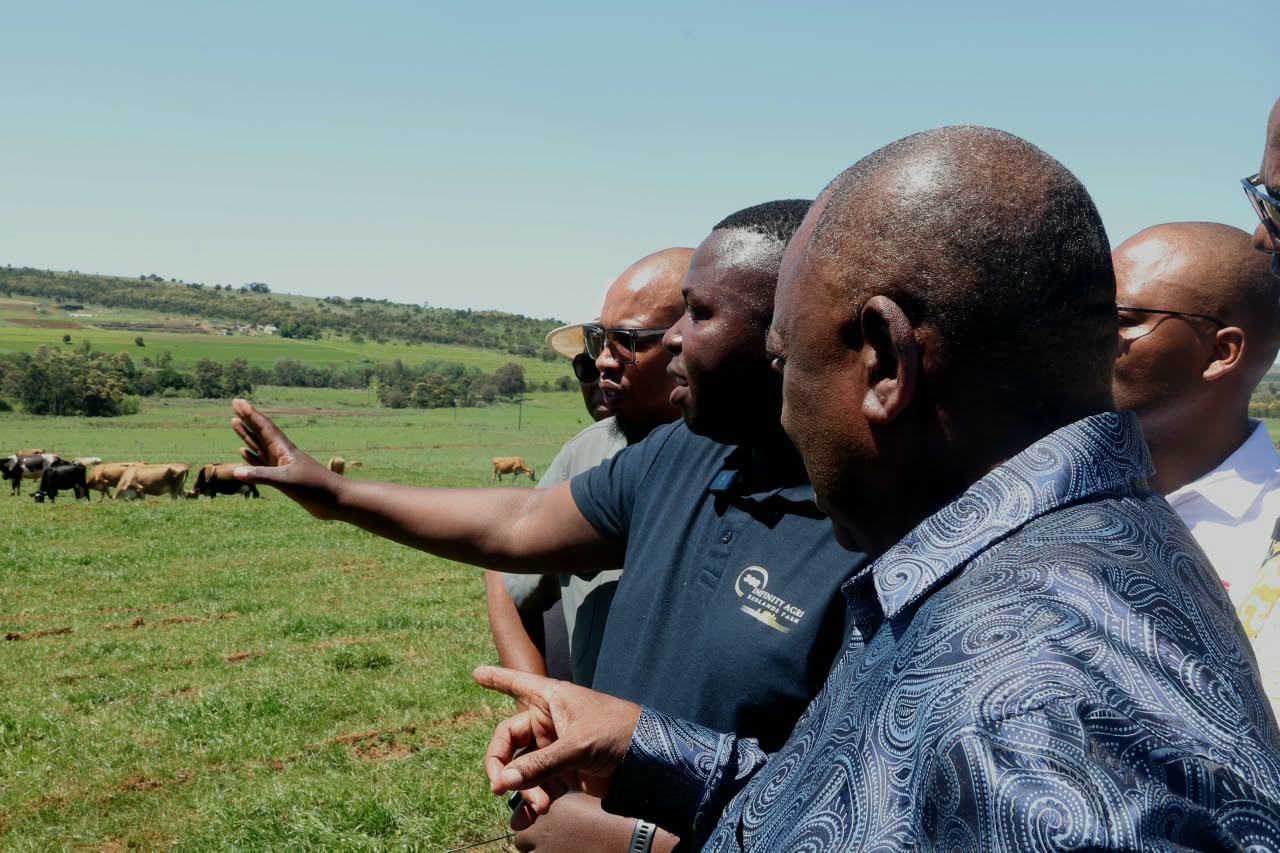
He identifies access to land as a critical starting point, outlining government's intention to release approximately 2.5 million hectares of state-owned land to black farmers through the Proactive Land Acquisition Strategy, together with title deeds.
However, land on its own cannot guarantee success.A farmer must understand the crops or livestock being produced, local weather conditions, soil health, disease risks and the practical demands of running an operation.
For someone starting out, this means investing time in learning before investing heavily in equipment, livestock or planting material.
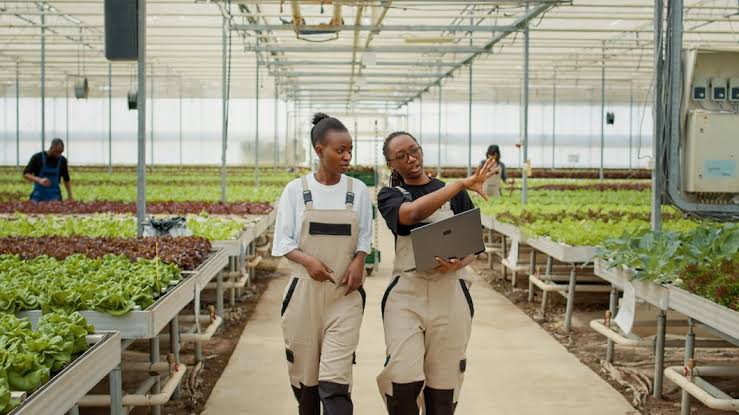
Visit established farms where possible. Attend agricultural workshops, speak to extension officers and seek advice from farmers producing similar crops or livestock in your area.
The more you understand your chosen farming activity, the better prepared you will be to manage its challenges.
Find people who can help you grow
One of the most useful points in the President's letter is his emphasis on mentorship.
He acknowledges that much of the knowledge needed to farm successfully comes through practical experience and learning from established farmers.
He also recognises the work of agricultural organisations including Grain SA, the Citrus Growers' Association, Potatoes South Africa, Red Meat Industry Services and the National Wool Growers' Association in developing emerging farmers.

For a newcomer, these organisations can be useful starting points when looking for crop-specific information, industry contacts and relevant farmer-development opportunities.
The important thing is to find support suited to what you actually want to produce. A vegetable grower needs different technical advice from someone planning to raise cattle.
A farmer growing maize commercially will face different challenges from someone supplying herbs and leafy vegetables to local restaurants.
Good mentorship can help you avoid expensive mistakes, but it should also help you become more confident in making your own decisions.
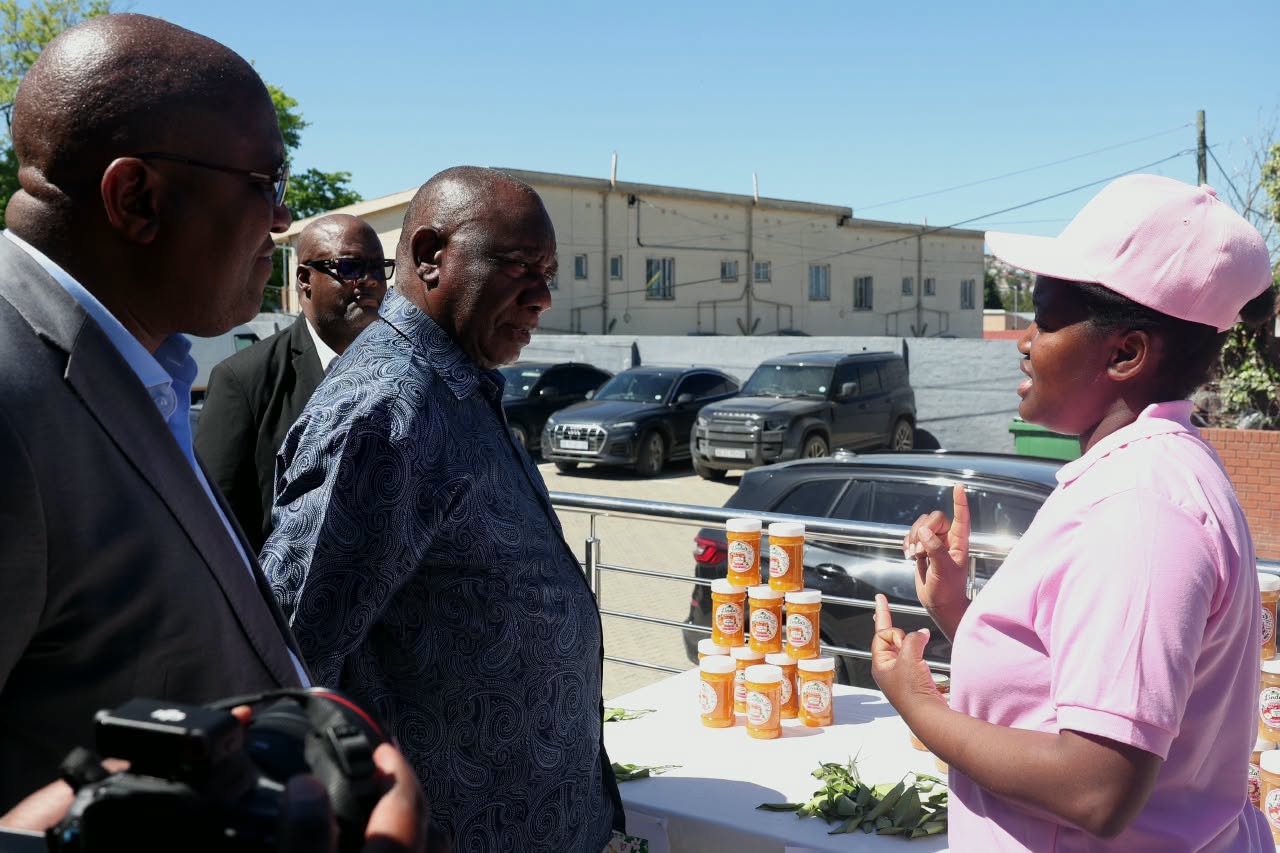
Understand how agricultural funding works
Access to finance remains one of the biggest barriers facing emerging farmers.
In his newsletter, President Ramaphosa highlights Redlands Farm as an example of how financial support can help an agricultural business expand.
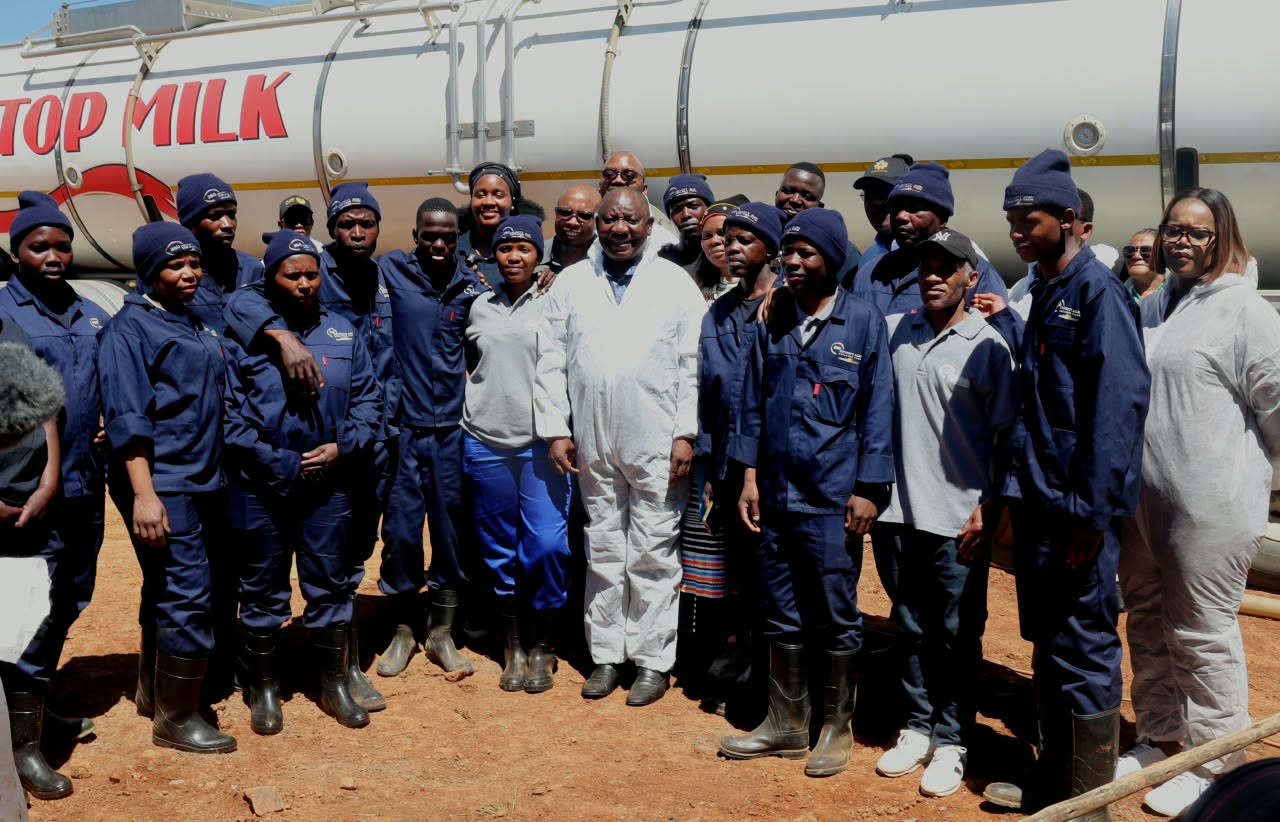
The farm benefited from the Land Bank's Blended Finance Scheme, which combines government grant funding with loan finance.
This is an important distinction. Blended finance is not simply free money handed to anyone who wants to start farming. It combines different forms of funding to support qualifying agricultural enterprises.
For an aspiring farmer, the first step should be understanding the funding requirements and whether the business is ready to apply.
That means having a realistic business plan, production budget, evidence of access to suitable land and a clear understanding of the intended market.
It is also worth investigating what support is available through provincial agricultural departments, relevant commodity organisations and agricultural development programmes.
Before borrowing money, calculate whether the farming operation can realistically generate enough income to meet its obligations.
Know your market before expanding
South African agriculture already plays a significant role in the economy.
According to figures cited by Ramaphosa, the sector employs approximately 944,000 people directly, with another 200,000 working across the broader agricultural value chain. He also reports that agricultural exports reached a record R270 billion in 2025.
These figures illustrate the scale of the industry, but they do not mean every new farmer must immediately aim for export markets. For someone starting out, the first opportunity may be much closer to home.
Local households, fresh-produce traders, restaurants, informal markets and small retailers may provide potential customers, depending on what you grow and the quantities you can supply.

Speak to prospective buyers before increasing production. Find out what they need, how regularly they need it, what quality they expect and how payment works.
Growing more is only worthwhile if you have somewhere profitable to sell what you produce.
Build a farm that can grow with you
The President's message is ultimately about creating more opportunities for South Africans to participate meaningfully in agriculture.
But for an aspiring farmer, the most useful lesson is that growth needs preparation.
Start with what you can manage. Learn your crop or livestock enterprise properly. Keep records, find experienced people to guide you and understand your market before committing to major expenses.
When the time comes to expand, you will have something far more valuable than an ambition to farm. You will have practical experience, a clearer business plan and a better understanding of what it takes to succeed.
And that is how a small farming project can begin its journey towards becoming a sustainable agricultural business.