
By Staff Writer
When was the last time someone assessed your driving?
For many South Africans, the answer is probably the day they passed their driving test. Since then, they have spent years navigating traffic, school runs, highways and long-distance journeys, gradually becoming more comfortable behind the wheel.
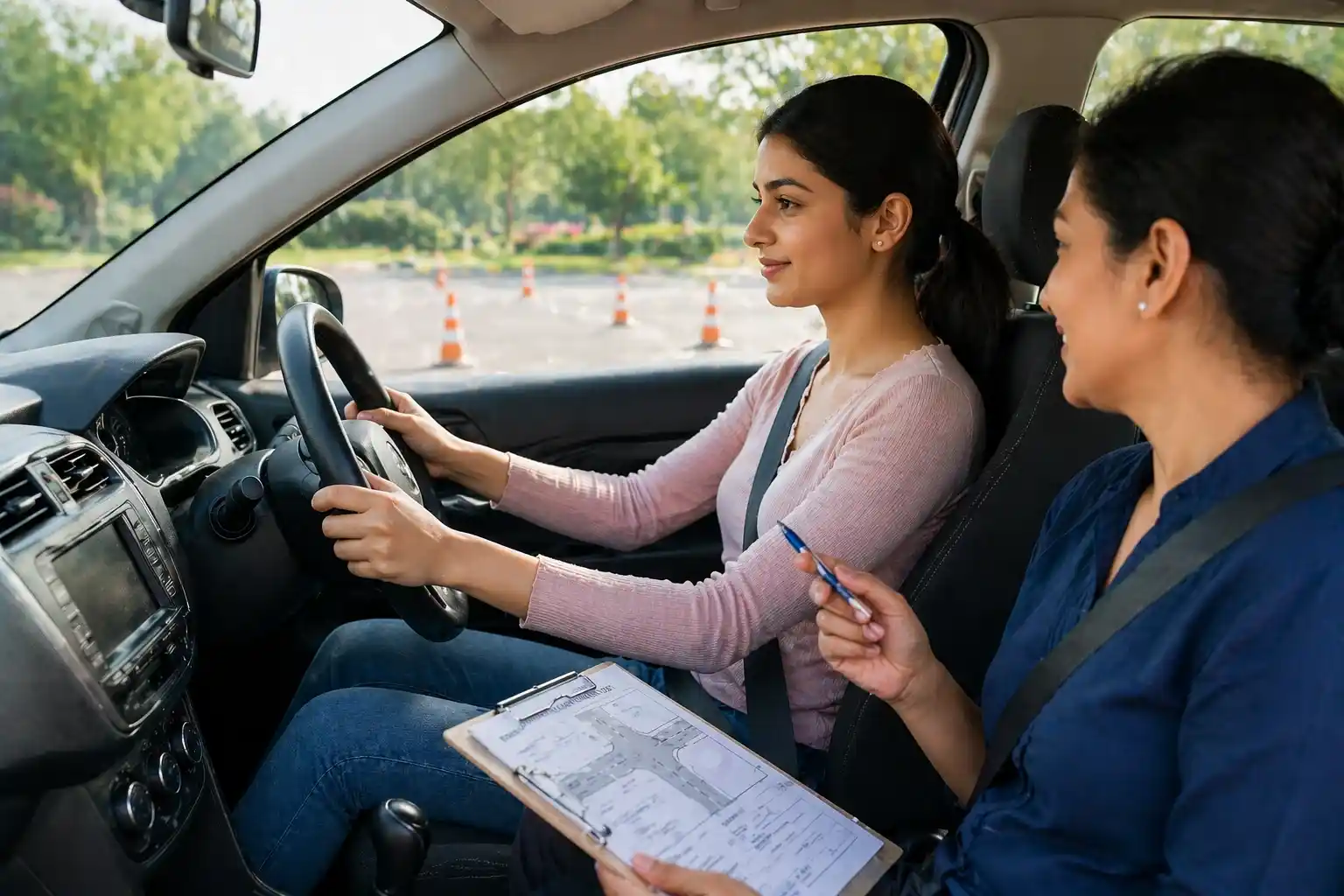
Arrive Alive's information on driver experience highlights something worth remembering: safe driving involves more than operating a vehicle. It requires hazard recognition, sound judgement, appropriate reactions and an understanding of our own limitations.
Those skills can continue developing long after we receive our licences.
Experience and confidence are not the same
You may be completely comfortable driving your usual route to work but feel less confident on a mountain pass, a busy freeway or a gravel road after heavy rain.
That does not necessarily make you a poor driver. It means there are conditions you have not yet learnt to manage confidently.

Arrive Alive notes that inexperienced drivers may struggle to anticipate hazards they have never encountered, including tyre failures, sudden flooding, animals crossing the road and challenging weather.
Recognising where you need more experience is an important part of driving responsibly.
Learn what your car can do
Modern vehicles come with different braking systems, stability controls and driver-assistance features. But how familiar are you with yours?
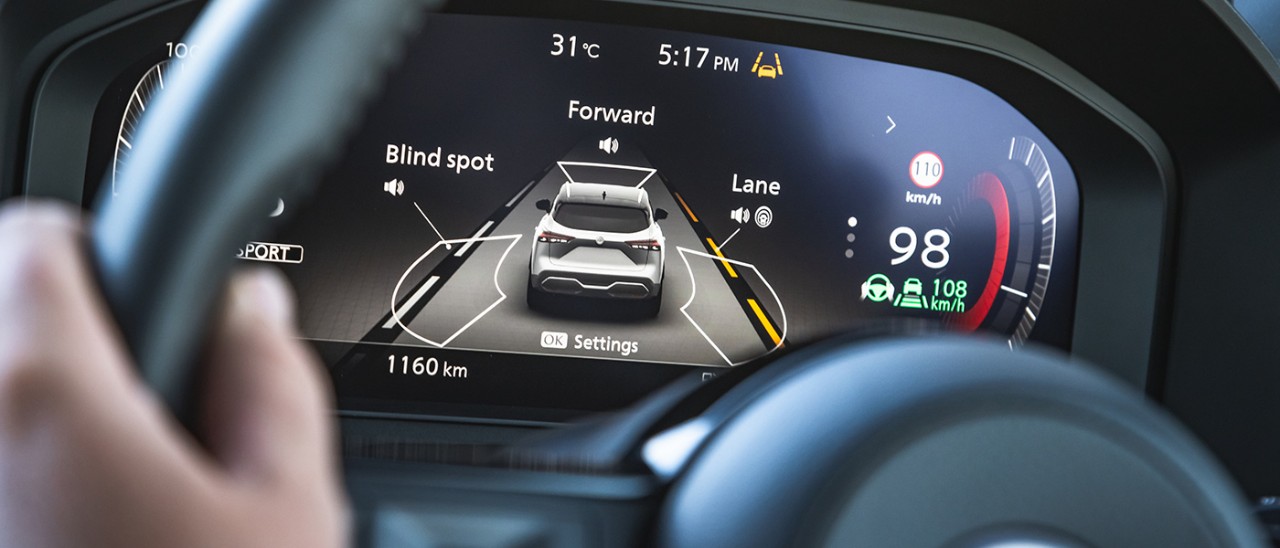
Read the relevant sections of your owner's manual and learn what the warning lights and safety systems mean.
If you have never experienced how anti-lock braking works, for example, consider a reputable driver-training programme where you can learn under professional supervision.
Understanding how your vehicle behaves can help you respond more calmly when something unexpected happens.
Make defensive driving part of your education
A defensive driving course can help you develop skills that ordinary daily driving may not teach.
Look for training that covers observation, following distances, hazard anticipation, emergency braking and managing difficult road conditions.

A qualified instructor can also identify habits you may have developed over the years, from poor seating positions to late braking or inadequate mirror checks.
Training should improve your judgement and control, rather than encourage you to take greater risks.
Give new drivers room to learn
If you have a newly licensed driver in the family, remember that passing the test is only the beginning.
Encourage them to gain experience gradually, starting with familiar routes before progressing to more demanding conditions.

Discuss situations they may encounter, such as aggressive motorists, sudden weather changes and pressure from passengers.
Most importantly, demonstrate the behaviour you want them to adopt. Young drivers learn from what they see adults doing behind the wheel.
Keep learning, whatever your age
Even experienced drivers can benefit from a refresher course, particularly when changing to a larger vehicle, returning to driving after a long break or preparing for unfamiliar terrain.
Before the festive season begins, consider whether there is a driving skill you would like to improve.

It might be freeway confidence, parking, driving at night or learning how your vehicle responds in an emergency.
Transport Month may be over, but the commitment to safer driving should continue.
Your licence gives you permission to drive. Continuing to learn helps you become the driver you want to be.