By Aurelia Mbokazi-Kashe
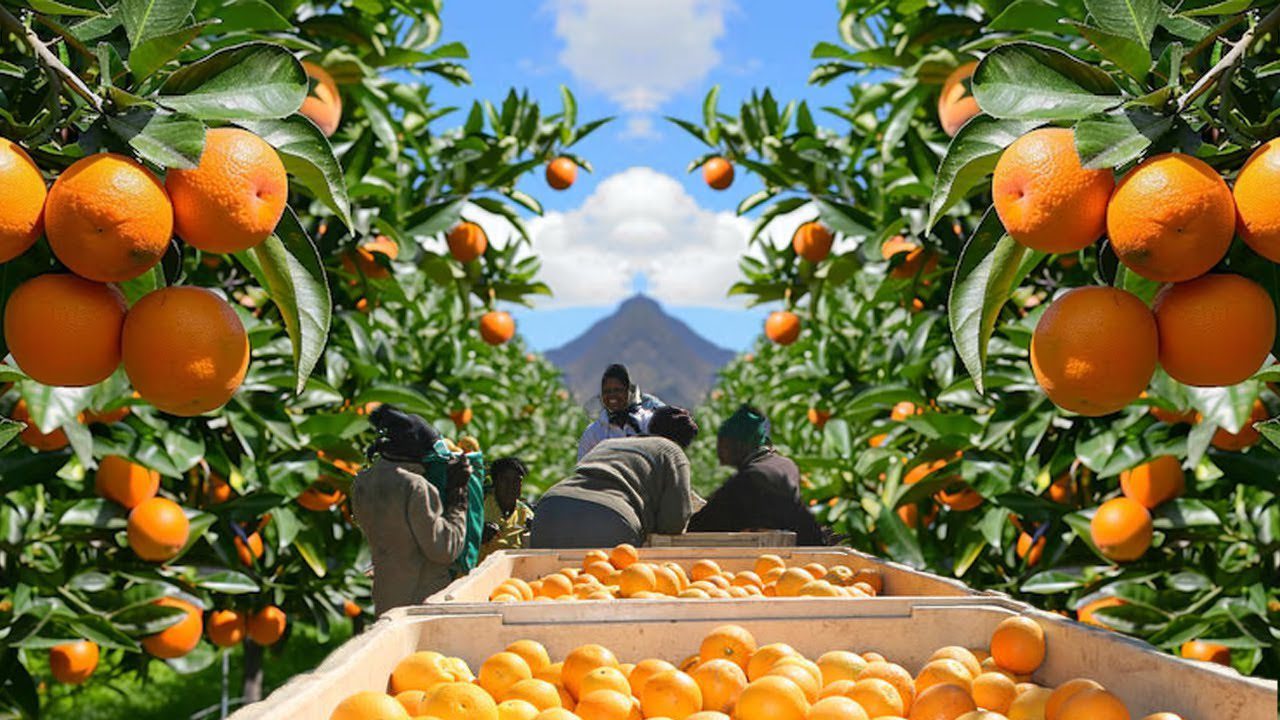
Citrus farming is booming, and South Africa is one of the world’s top citrus producers. From juicy oranges and lemons to easy peelers like naartjies and mandarins, citrus fruit is always in demand, both locally and abroad. Over the past two decades, citrus exports have grown steadily, creating thousands of jobs and injecting much-needed income into rural communities. Even when times are tough, citrus has proven to be a resilient and profitable crop. South Africa’s citrus season kicked off in April, and each year our high-quality fruit finds eager buyers around the world. According to the Citrus Growers’ Association of Southern Africa (CGA), around 6% of our citrus goes to the United States, supporting an estimated 20 000 jobs along the supply chain.

Looking ahead, the citrus industry is full of promise. The CGA has set an ambitious goal to export 260 million cartons of fruit by 2032 and create 100 000 new jobs. This season alone, nearly 33 million cartons of lemons, each weighing 15 kilograms, are expected to be shipped internationally. With such strong demand and a clear growth strategy, citrus farming is a smart and sustainable career choice. Citrus farms flourish in provinces such as the Western Cape, Northern Cape, Eastern Cape, KwaZulu Natal, Limpopo, North West and Mpumalanga. Whether you are an aspiring farmer or just exploring new income opportunities, citrus could be the path to your future.
A Beginner’s Guide to Citrus Farming
If you are dreaming of turning your land into a thriving business, citrus farming offers real potential. With the right preparation, you can build a profitable business. Here is a simple, step by step guide to help you get started.
1. Understand the Market
Before planting anything, do your research. Oranges, lemons, limes and mandarins are always in demand, but the price and popularity of different varieties can change with the seasons and export trends. Knowing what sells will help you plan smartly.

2. Choose the Right Location
Citrus trees need specific conditions to grow well. Look for land with deep, well drained soil, a warm climate, and good access to water. South Africa’s diverse landscape allows for many different citrus varieties—just make sure to match your crop to the local conditions.
3. Create a Solid Plan
A business plan is your roadmap. Set clear goals, plan your budget, map out your
marketing strategy, and detail how your farm will operate day to day. Good planning helps you stay on track and avoid costly mistakes later.
4. Use a Map to Visualise Your Farm
Start with an aerial photo or topographic map to sketch your farm layout. Planning where to place trees, roads, irrigation lines and buildings makes farm management much easier later on.

5. Get to Know Your Natural Resources
Citrus farming depends on three key resources:
Soil: Citrus needs deep, healthy soil that drains well. Avoid areas with mixed soil
layers that hold water differently. It is best to test your soil and prepare it properly before planting.
Water: These trees are thirsty. A mature citrus orchard can use up to 10 000
litres of water per hectare annually. Make sure you have access to a reliable
water source such as a river, borehole, dam or canal. The closer your orchard is to the source, the lower your irrigation costs.
Climate: Citrus thrives in warm, subtropical climates. You need hot summers to
develop sweet fruit and mild winters that are free from frost. Hail and strong
winds can damage crops, so protect your orchard with windbreaks and smart planting choices.

6. Work with the Land
Topography matters. Hills and slopes affect how water flows across your land. On
uneven ground, plant along contour lines to reduce erosion and make it easier for machinery to operate.
7. Harvest at the Right Time
Picking at the right moment ensures the best taste and shelf life. Handle fruit gently during harvest and packaging to maintain quality and freshness.

8. Sell Smart
Think about how and where you will sell your produce. Local markets, retailers, and
export opportunities are all worth exploring. Building relationships and attending industry events can open doors and create lasting partnerships.
9. Treat Your Farm Like a Business
Think about how and where you will sell your produce. Local markets, retailers, and
export opportunities are all worth exploring. Building relationships and attending industry events can open doors and create lasting partnerships.

10. Think Long Term
Farming is not just about the next season—it is about building something that lasts.
Sustainable practices like conserving water, protecting your soil, and supporting
biodiversity will help your farm thrive for years to come. With global demand on the rise and plenty of local support available, this is a great time to consider citrus as your next big move.