Staff Writer
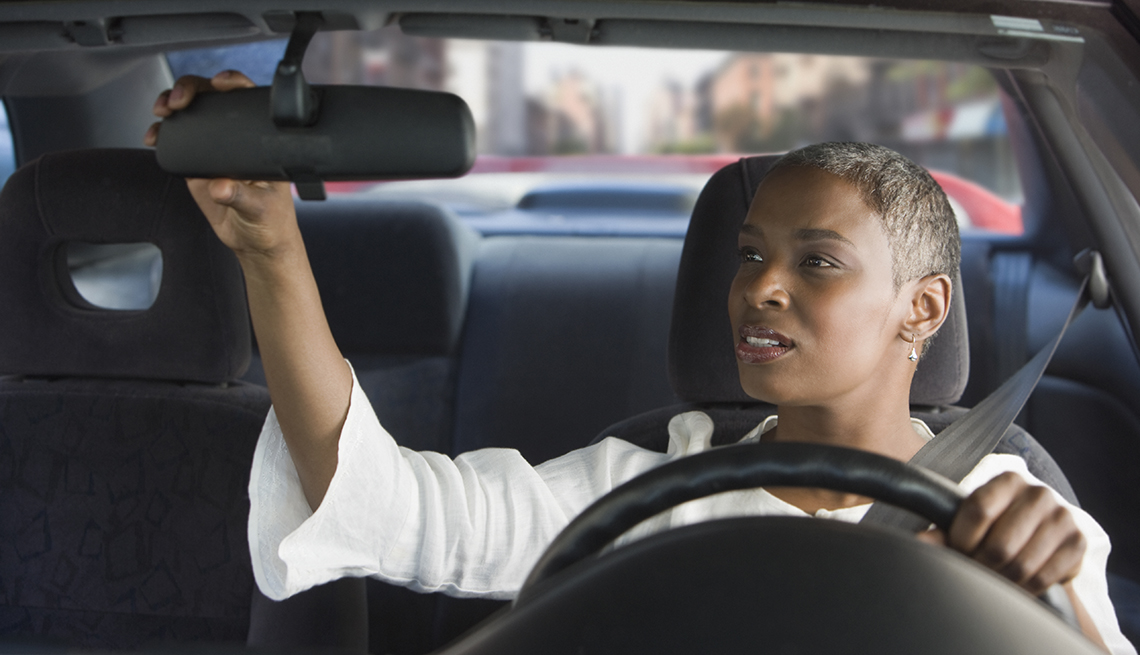
With Freedom Day and Workers’ Day falling so close together, many South Africans turned the past week into a well-earned road trip. From long-haul getaways to quick family visits, our cars became trusted companions once again. And while we often focus on the destination, it’s worth pausing to appreciate the safety features working quietly in the background to help get us there and back.

Modern vehicles sold in South Africa in recent times, even at the more affordable end of the market, come equipped with a solid baseline of safety technology. Here are some of the key features that make a real difference on our roads.
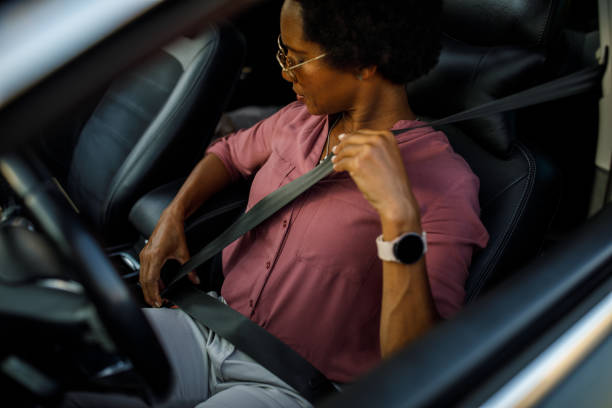
Seatbelts – Still the First Line of Defence
It may sound basic, but seatbelts remain one of the most effective safety features in any vehicle. They restrain occupants during sudden stops or collisions, reducing the risk of serious injury. Many newer vehicles also include pre-tensioners, which tighten the belt instantly on impact to keep you securely in place.
Airbags – Cushioning the Impact
Most modern cars now come standard with at least dual front airbags, and many offer side and curtain airbags too. These deploy in milliseconds during a collision, cushioning the head and chest and reducing the force of impact. It’s a simple concept, but one that saves lives every day.

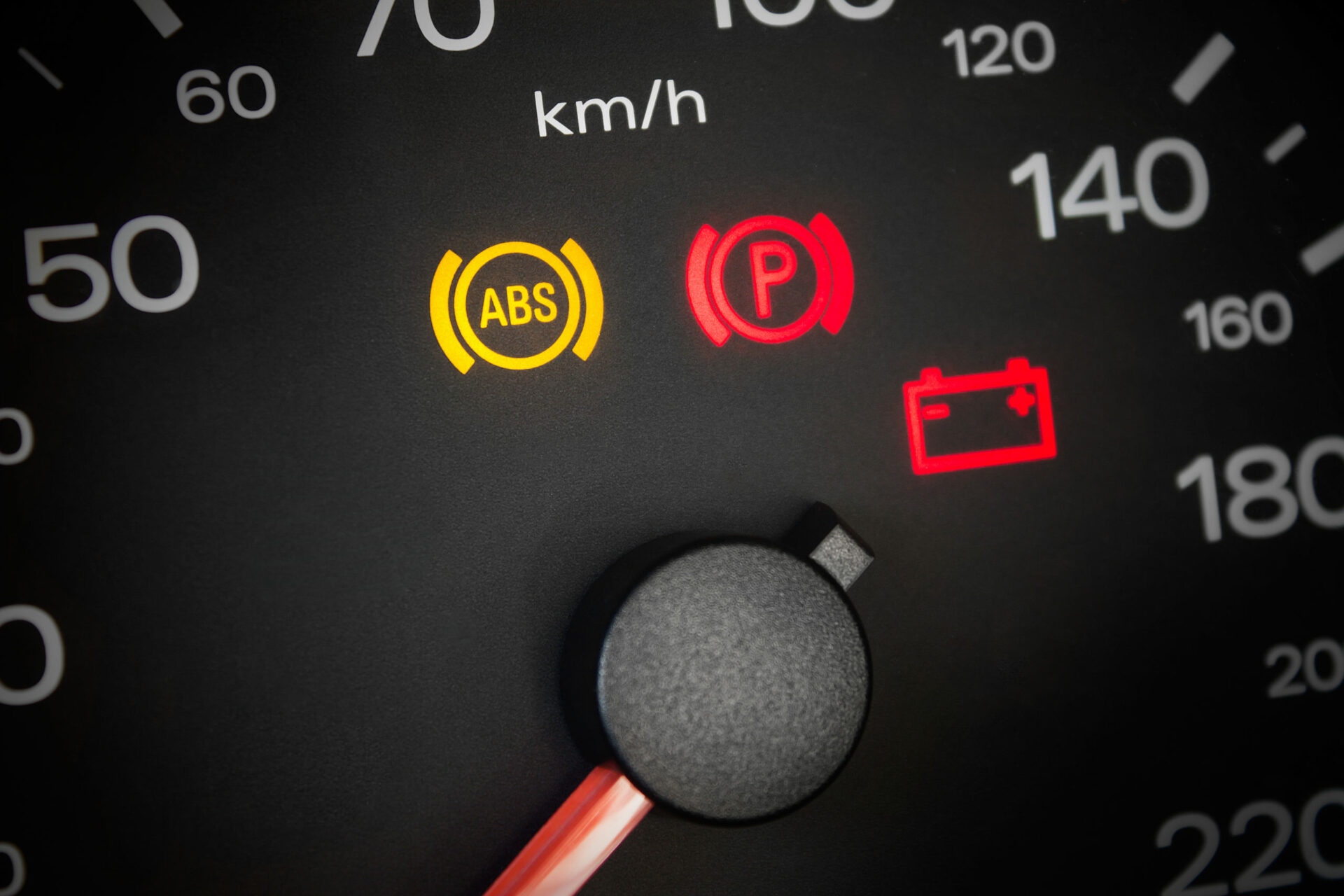
ABS (Anti-lock Braking System) – Staying in Control
ABS prevents your wheels from locking up under heavy braking. Instead of skidding uncontrollably, you maintain steering control, allowing you to manoeuvre around obstacles while stopping. On wet or uneven South African roads, this can make all the difference.
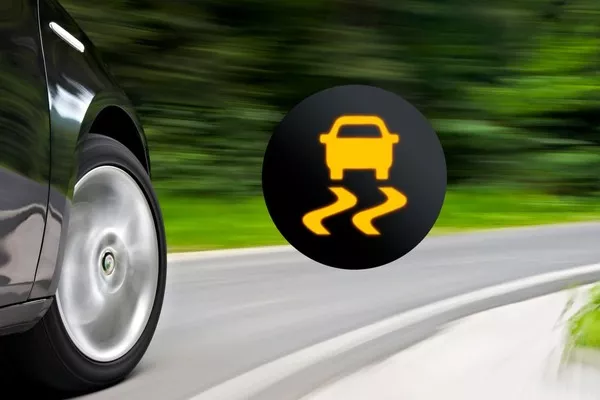
Electronic Stability Control (ESC) – Keeping You on Track
ESC steps in when your car senses a loss of control, such as during a sudden swerveor sharp corner. It automatically applies braking to individual wheels to help stabilise thevehicle. It’s particularly useful in emergency situations where oversteering orundersteering could lead to a crash.
Rear Parking Sensors and Cameras – Seeing What You Can’t
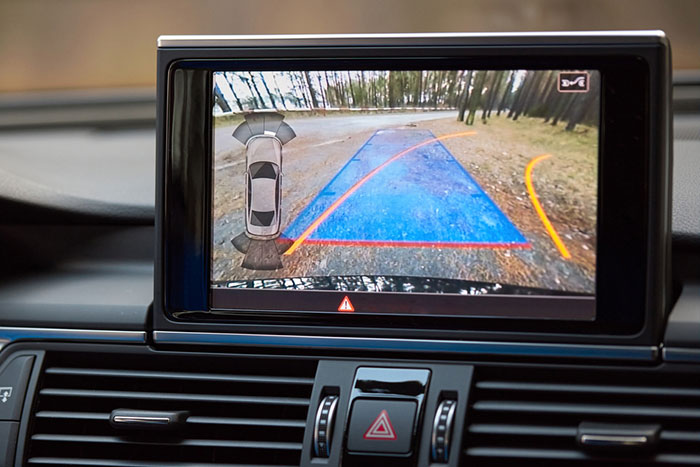
Navigating tight parking spots or reversing in busy areas can be stressful. Rear parkingsensors and cameras help by detecting obstacles and giving you a clear view behindthe car. In urban environments, where children or pedestrians may be nearby, thisfeature adds an important layer of safety.
Lane Departure Warning – A Gentle Nudge Back
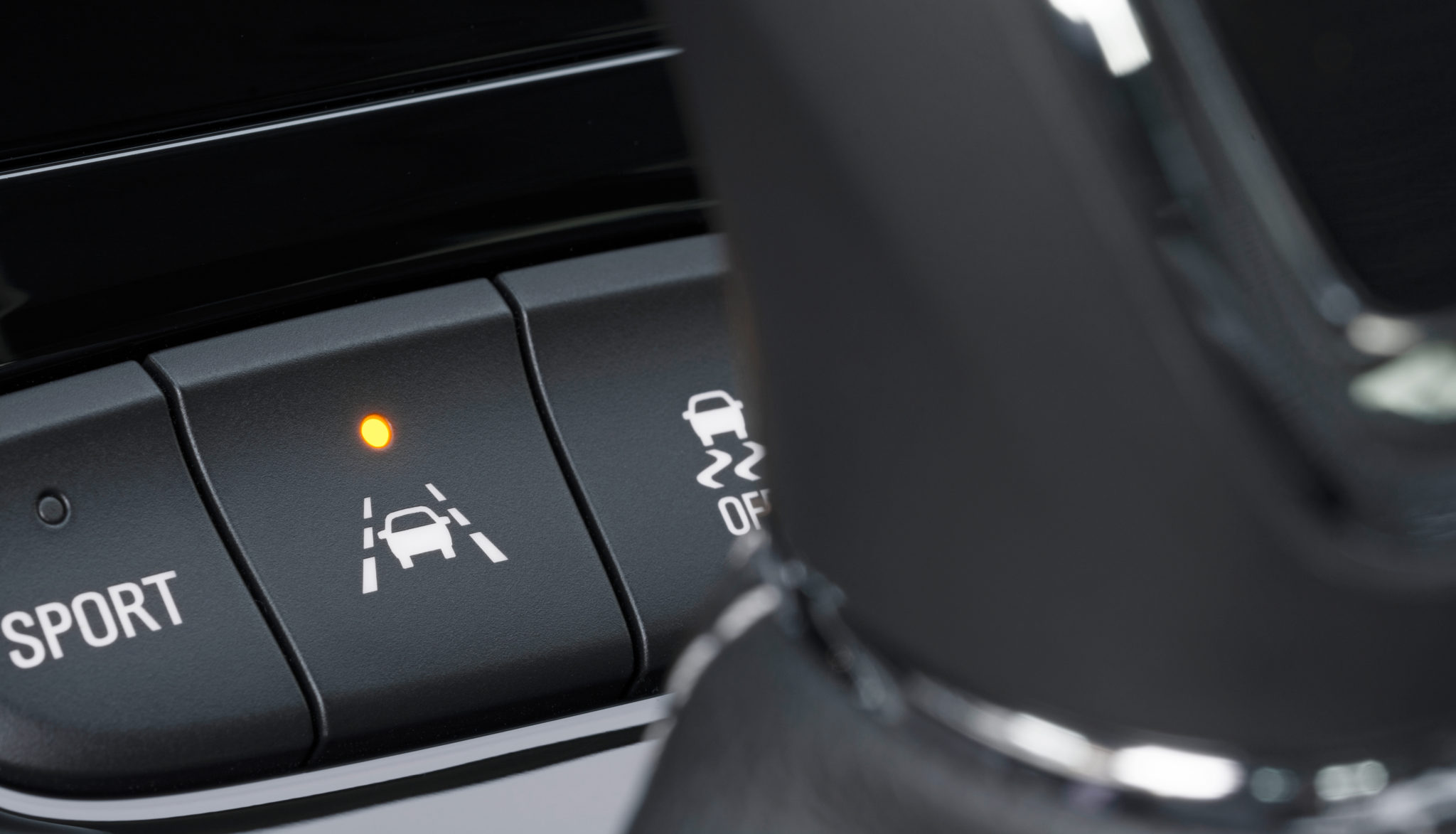
This system monitors road markings and alerts you if you unintentionally drift out of your lane. Some versions even provide slight steering assistance to guide you back. On long drives, where fatigue can creep in, this feature acts as a helpful reminder to stay focused.
Automatic Emergency Braking (AEB) – Acting When You Don’t
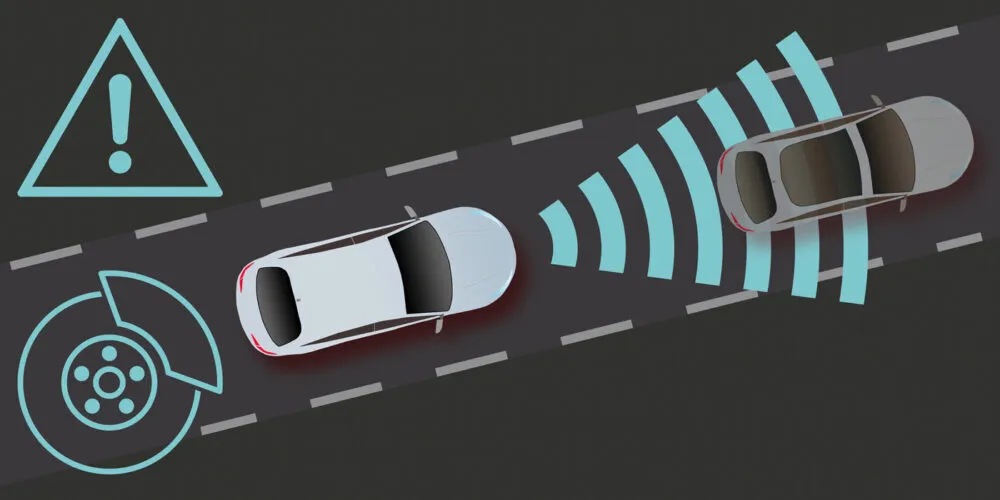
AEB uses sensors to detect potential collisions with vehicles or pedestrians ahead. If you don’t react in time, the system can apply the brakes automatically to reduce or avoid impact. It’s one of the newer features becoming more common, even in mid-range vehicles, and a real game-changer in preventing accidents.
The Human Factor Still Matters Most
As impressive as these features are, they are there to support, not replace, the driver.Staying alert, obeying speed limits, and avoiding distractions remain the most importantsafety measures of all.
Whether it’s a quick trip to the corner shop or a long-distance escape, the goal is alwaysthe same: arrive safely. The technology in today’s vehicles gives us a stronger safetynet than ever before, but it’s how we use it that ultimately makes the difference.
Drive safely. Arrive alive.