By Aurelia Mbokazi
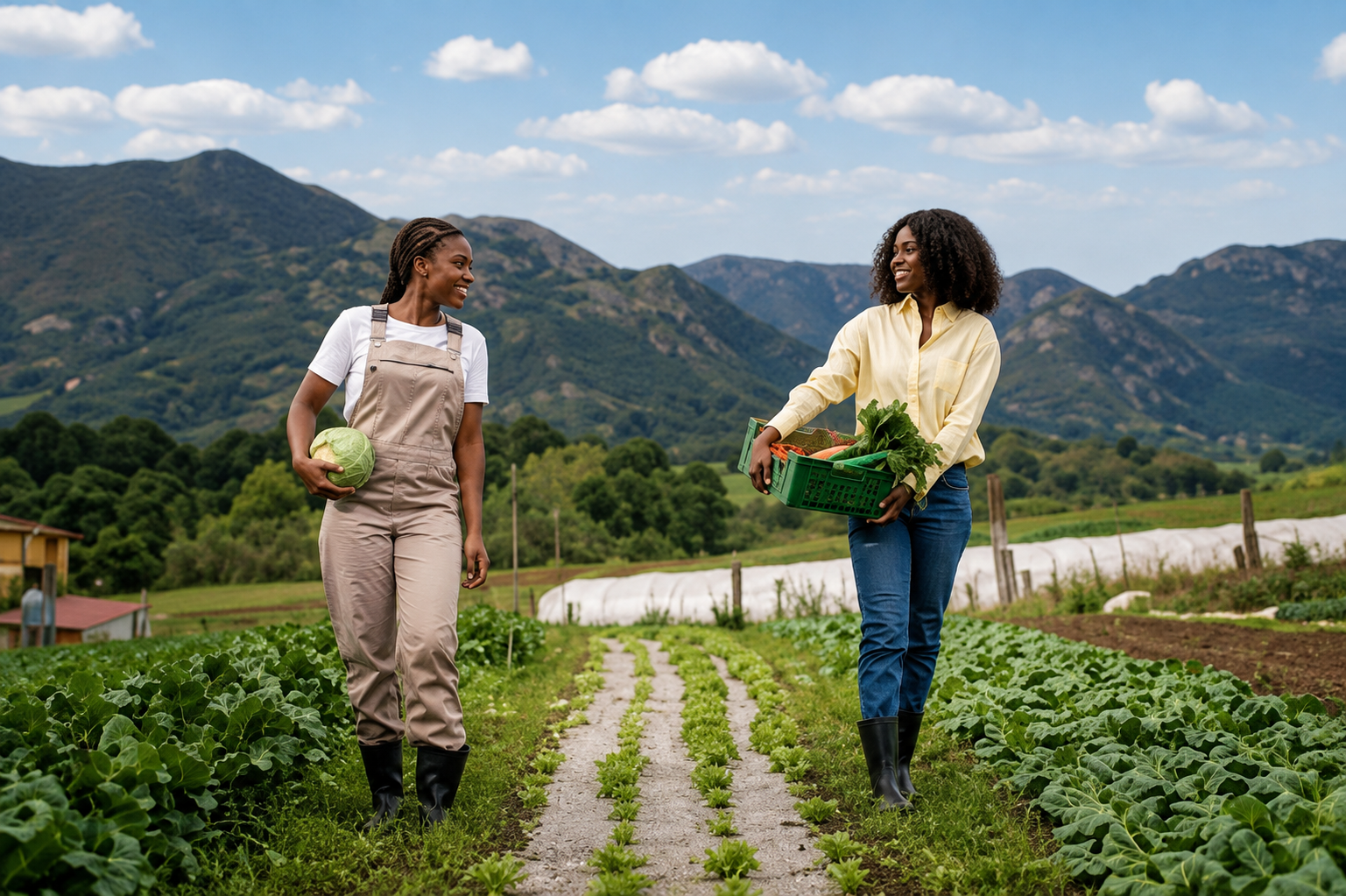
Look across South African agriculture today and women are everywhere. They areplanting and harvesting, and are also in laboratories and boardrooms, analysingmarkets, developing new farming systems, making wine, opening export opportunitiesand building businesses that create jobs in their communities.
As South Africa marks Women's Month, this is an opportunity to take stock. Not only of the barriers that remain, but of how much women are already contributing across the agricultural value chain.
Agriculture is bigger than the farm gate
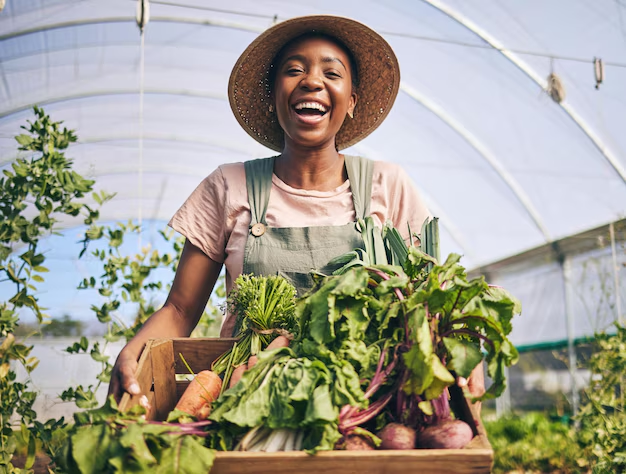
Women have always played an important role in South Africa's food system, although much of that contribution has historically been less visible.
The Department of Agriculture describes women as central to the country's foods ystem, from producing food and running farms and cooperatives to processing agricultural products, creating jobs, training others and supporting rural communities.
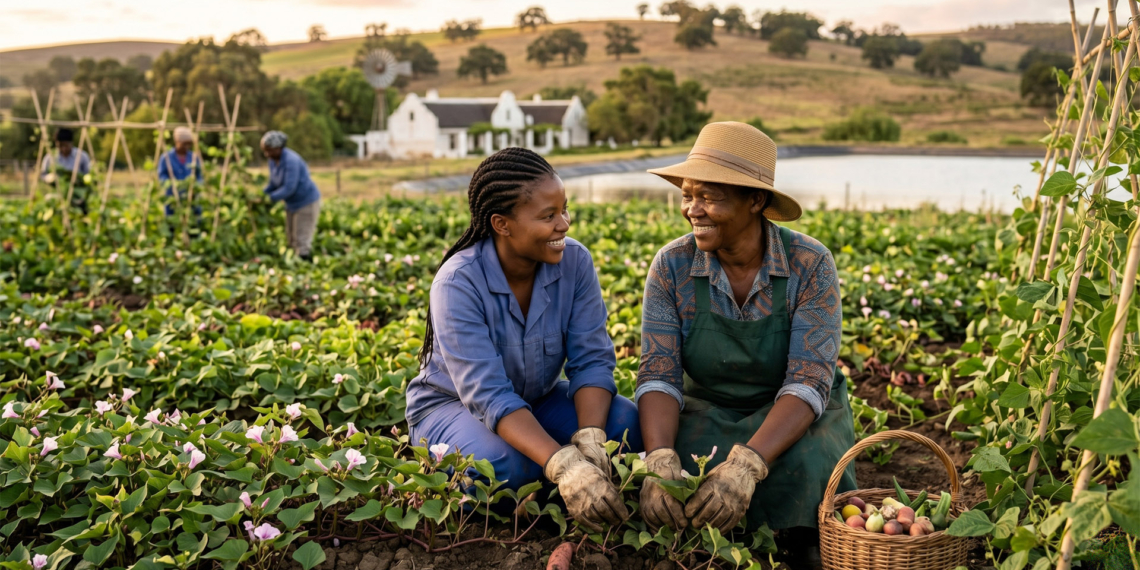
Increasingly, women are also building careers in the scientific, financial and technological parts of agriculture.
That distinction matters, particularly for young women considering their future careers. You don't necessarily have to own a farm to build a career in agriculture.
From the orchard to the boardroom
Few people illustrate that changing landscape better than Fhumulani Ratshitanga, CEO of Fruit South Africa.
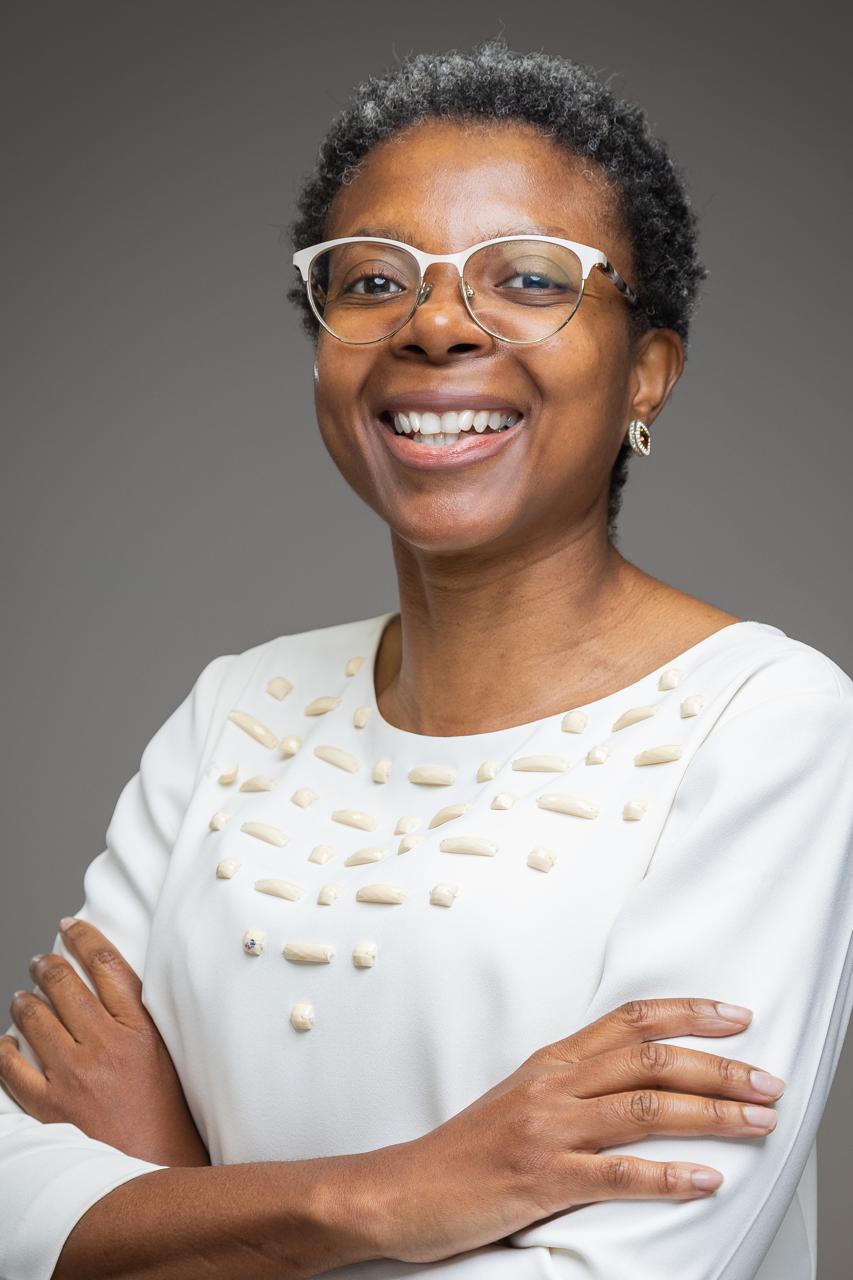
Her career has taken her from working in plant pathology laboratories and inspecting fruit destined for international markets to leading the umbrella organisation representing South Africa's major fresh-fruit industry associations.
When XploreZA spoke to Ratshitanga, she acknowledged the growing presence offormidable women in agricultural leadership who are helping to shape policy, driveinnovation and influence the direction of the sector.
For Ratshitanga, however, progress is not simply about appointing women for the sake of representation.
"When it comes to leadership, including the role of women, I believe it's less about gender and more about capability," she told XploreZA. "What matters most is having the right people, with the right skills and drive."
Perhaps that is one of the strongest measures of progress: reaching a point where seeing a woman running a major agricultural organisation is no longer considered unusual.
Women growing businesses and communities
Across the stories XploreZA has told, that progress takes many forms.
Sisters Nqobile and Nokukhanya Cele started Imisebe Agri Services with a small piece of land and a few seedlings after participating in a Women in Farming programme in 2022. They have since expanded to a hectare in Mariannhill, Durban, growing spinach, cabbage and butternut while supplying informal markets and working towards formal retail.
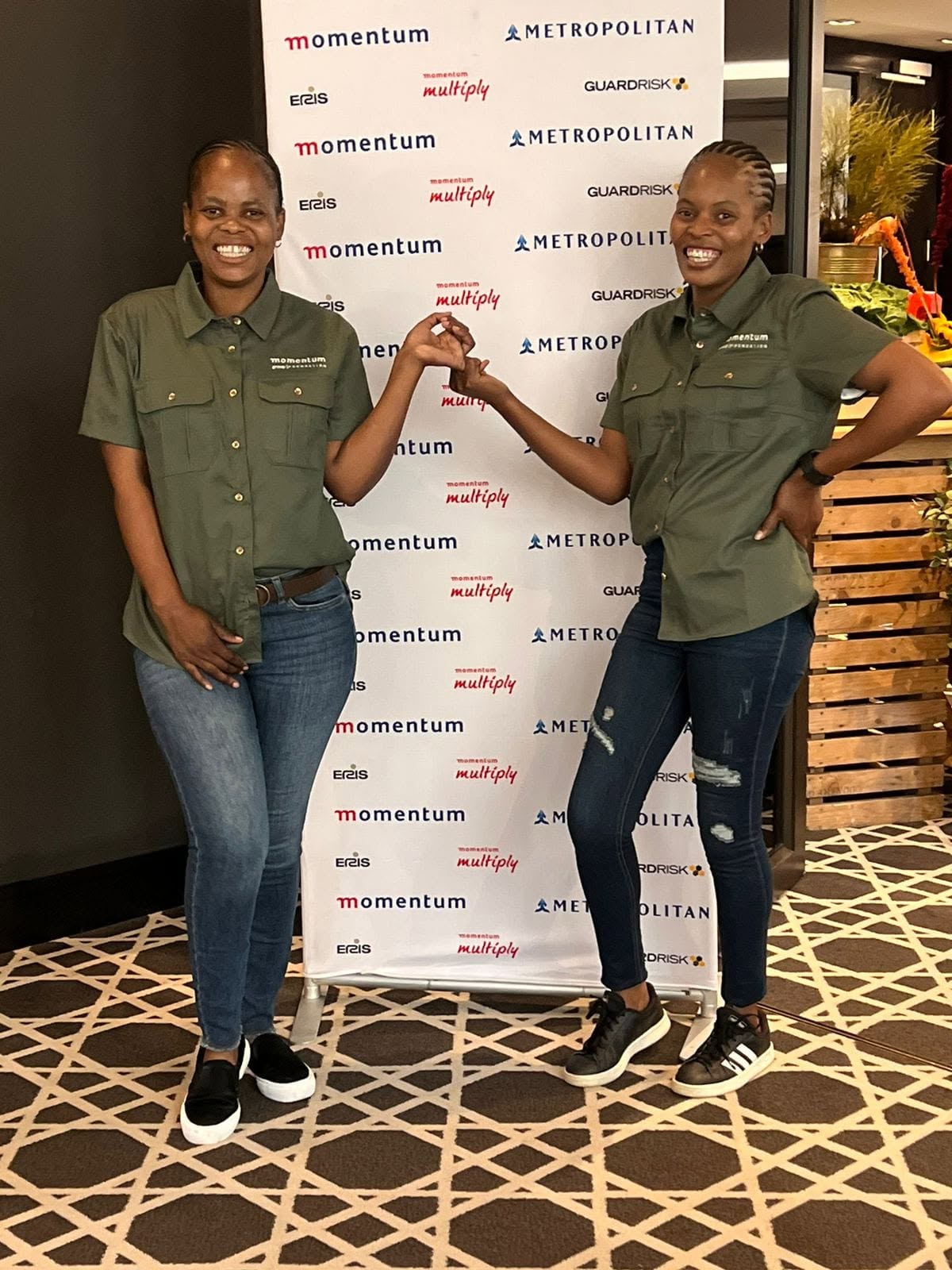
Their ambition goes beyond growing produce. They want to expand their operation, create jobs and help more women and young people enter agriculture.
Nonhlanhla "Ma Joye" Joye followed an entirely different path. When illness left her unable to work, she began growing vegetables to feed her family. After chickens destroyed her first crop, she developed the Umgibe farming system, using suspended soil-filled bags to grow food while conserving water and making productive use of small spaces.
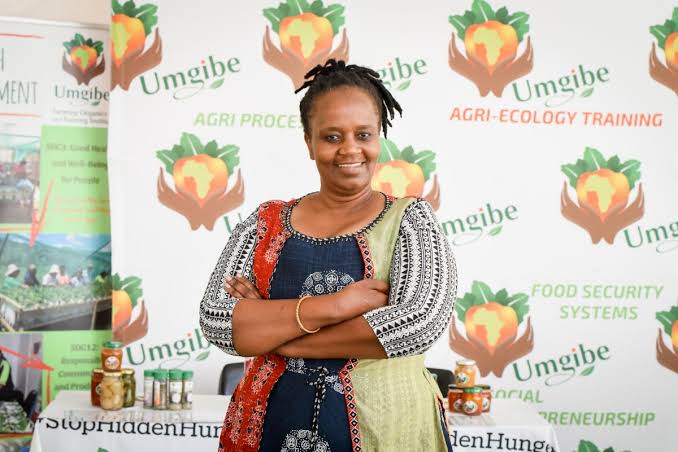
What began as necessity grew into an agricultural enterprise and training organisation with a mission to help one million people feed themselves by 2030.
Their journeys are a reminder that there is no single route into farming. Sometimes it begins with opportunity, sometimes with necessity. What matters is what can be built from that beginning.
Agriculture needs scientists and economists too
Women such as Ngwanamakgamatho Naledi Setsiba show why our definition of a career in agriculture needs to stretch much further.
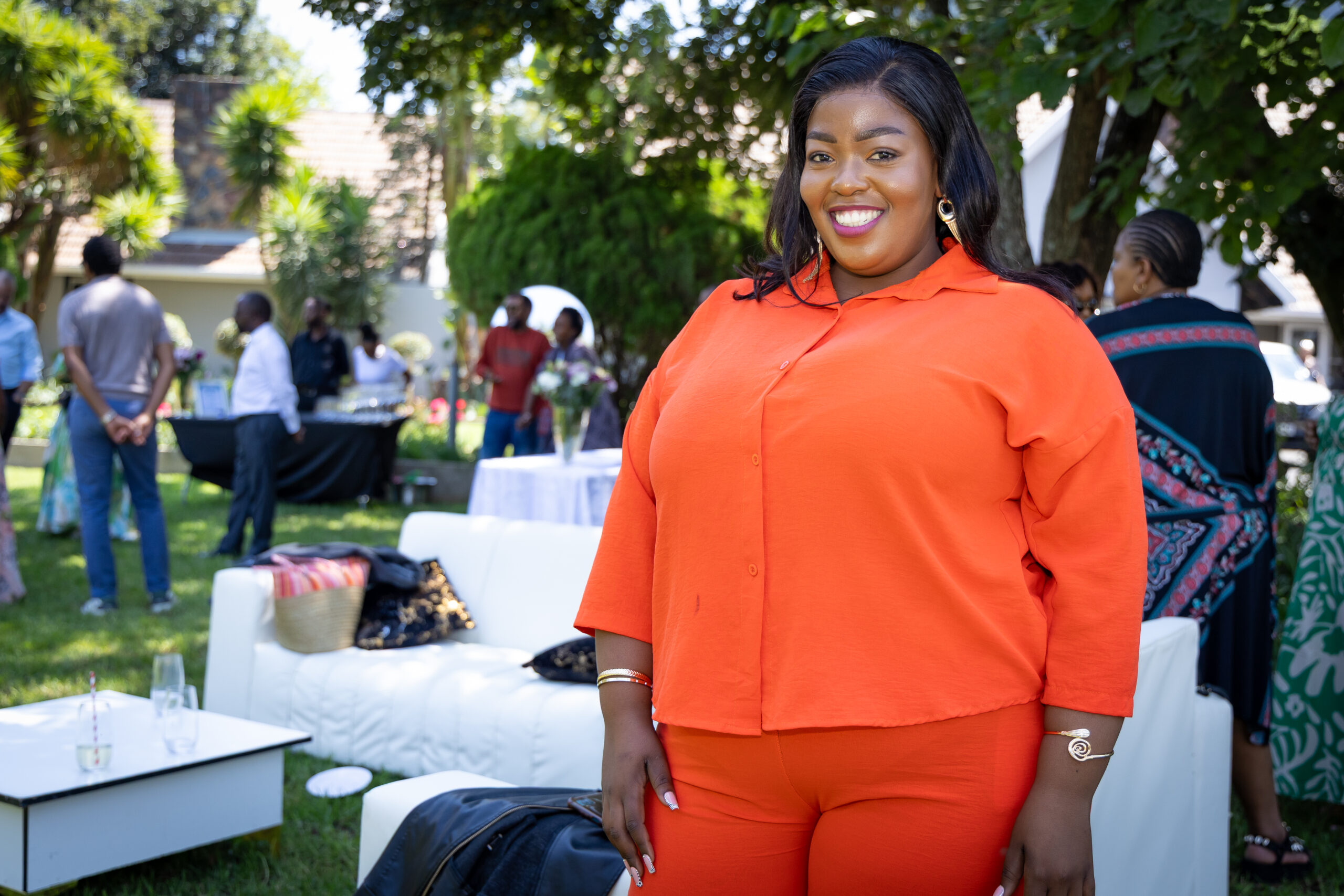
Setsiba is an agricultural scientist and PhD candidate at Tshwane University of Technology whose research focuses on post-harvest technology. Her work looks at what happens to food after it has been produced, including how to reduce losses, improve productivity and use agricultural science to strengthen food security.
" If we can save crops at the post-harvest stage, we can help reduce food waste and contribute to food security and the economy," she told XploreZA.
Agricultural economist Banelise Mhlangu represents another part of that value chain. Growing up in Mamelodi, she initially never imagined agriculture as a career. Today, her work brings together agricultural economics, community development and practical farming knowledge to help create systemic change.
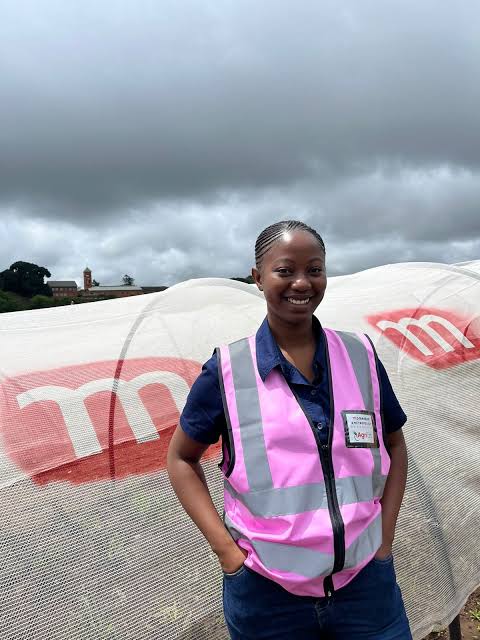
As Mhlangu told XploreZA, "Agriculture is not confined to rural spaces; it connects to every part of society"
That is an important message for the next generation. Agriculture needs farmers, but it also needs researchers, economists, engineers, veterinarians, financiers, technologists and entrepreneurs.
Adding value beyond the harvest
Praisy Dlamini's journey into winemaking adds yet another dimension.
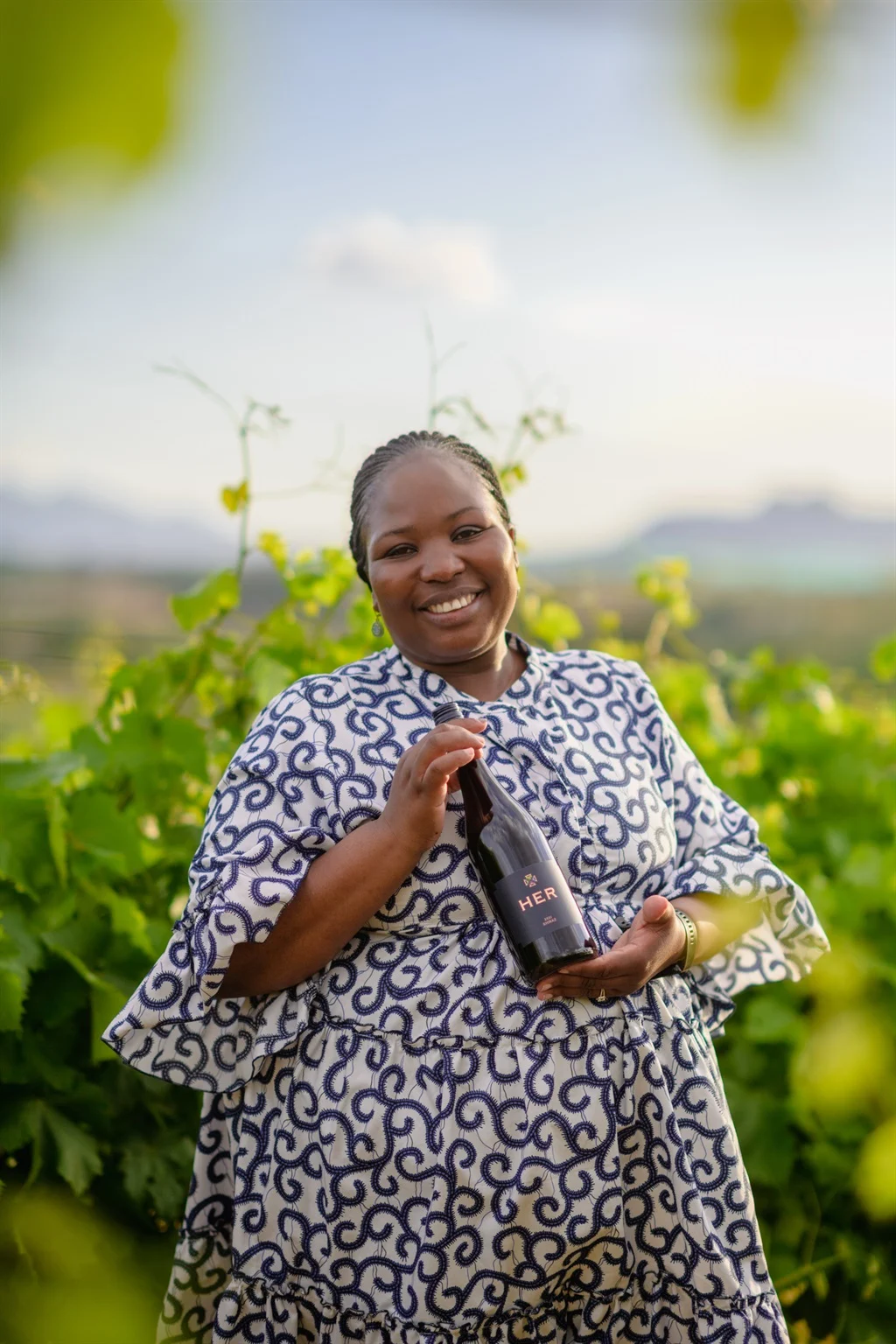
A Department of Agriculture bursary introduced her to agriculture as a teenager from Empangeni. She chose winemaking, drawn to what she describes as the marriage between science and art.
Today, Dlamini is General Manager and Winemaker of HER Wine Collection, helping build a women-led business while creating greater visibility for women in an industry in which they have historically been underrepresented.
Her journey also highlights the opportunity that exists beyond producing the raw agricultural product. Growing grapes is agriculture, but so are processing them, developing a brand, managing a business and taking the finished product to market.
A new generation is finding its voice
Women's influence is also becoming more visible in the conversations shaping the future of agriculture.
This month, agricultural economist and Senwes credit liaison officer Carla Myburgh was named the 2026 Women's Voice in Agriculture winner.
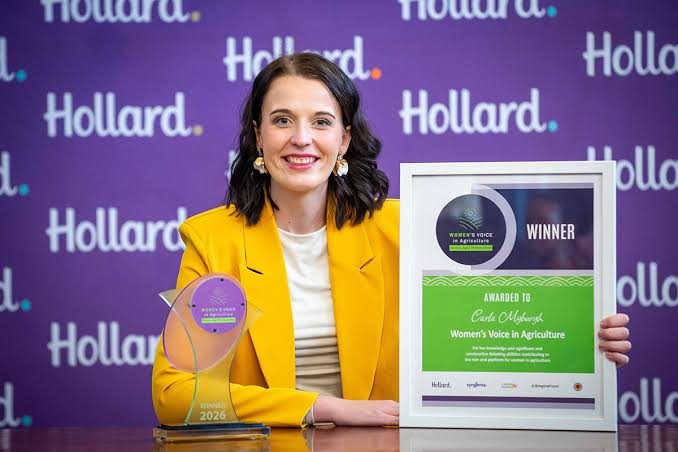
"I wish more women would act on the belief that agriculture is more than a job, and that it's a profession that comes from a deep-rooted passion," she said in accepting the award.
Myburgh also argued that leadership, resilience and innovation are not defined by gender.
Her recognition matters because transformation is not only about who owns farms. It is also about who finances agriculture, who shapes its institutions and who gets heard when decisions about the future of the sector are made.
But access still matters
Celebrating progress does not mean pretending the work is finished.
Women continue to face challenges accessing land, finance, technology, markets and technical support. Government itself acknowledges these constraints and has called for greater use of programmes aimed at helping women farmers, graduates and cooperatives grow their businesses and careers.
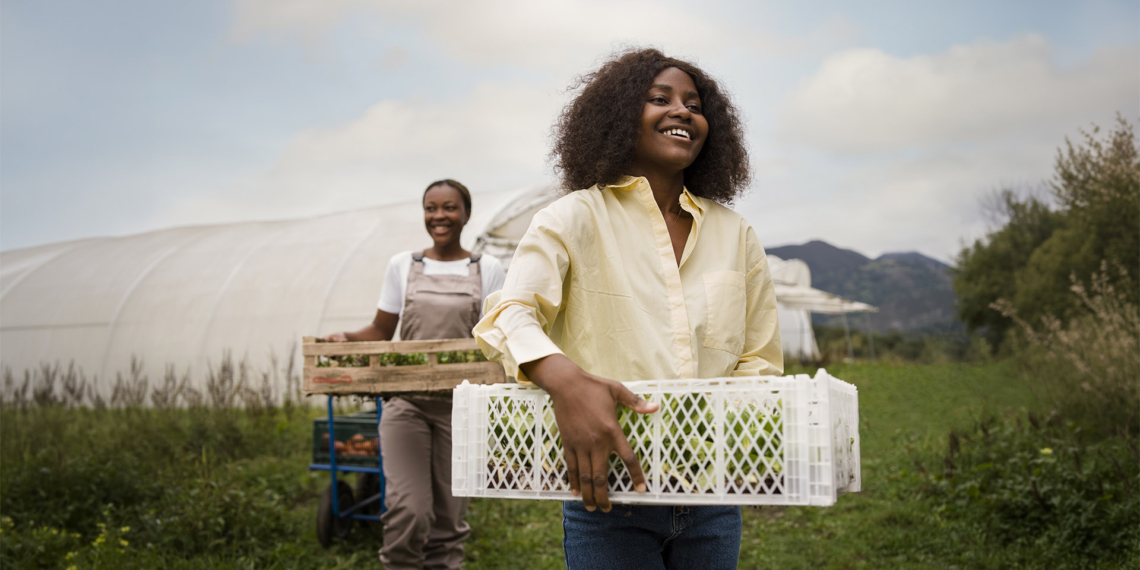
The real test is whether those opportunities translate into sustainable businesses, meaningful careers and long-term participation in the sector rather than short-term interventions.
The next chapter is already being written
Perhaps the story of women in South African agriculture no longer needs to begin by asking whether they belong there.
They already do.
They are growing food, researching how to save it, analysing markets, developing new farming systems, turning agricultural produce into consumer brands and making decisions in boardrooms.
The challenge now is to ensure that more women have access to the land, finance, skills, technology and markets they need to follow.
Ratshitanga offered young women entering agriculture some wonderfully uncomplicated advice when XploreZA interviewed her: "Believe in yourself, and your abilities, and never stop learning."
This Women's Month, the women XploreZA has met across South African agriculture offer plenty of reason to believe in where the sector is going.
They are not waiting for agriculture's future to arrive; they are building it.