By Aurelia Mbokazi
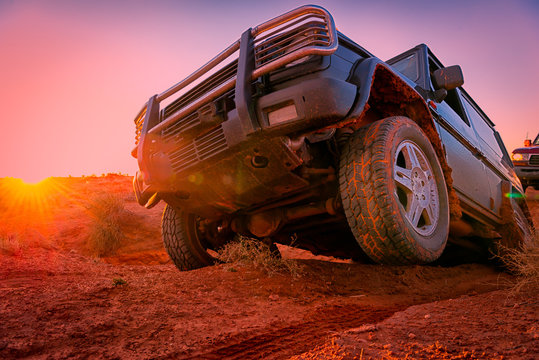
From behind the wheel, a steep 4x4 descent always looks even steeper. You reach the top, peer over the bonnet, and have that strange feeling in your belly that questions everything you are about to do. Surely we’re not actually going down there? Then the instructor gives you the go-ahead, the vehicle inches forward and suddenly you're discovering a side of the car you may never encounter ordinarily. You ask yourself: Why on earth would anyone voluntarily drive a perfectly good car down there?
I had one of those moments at a vehicle launch recently. Off-roading isn't necessarily my favourite activity, but with an instructor beside me explaining what the vehicle was doing and, more importantly, what I needed to do, something changed. I stopped concentrating on how intimidating the obstacle looked and started understanding how the vehicle was designed to tackle it.
Later this week, I'll be doing another 4x4 driving programme, and it raises an interesting road-safety question. How many of us buy SUVs and bakkies with impressive off-road capability but never actually learn how to use it?

Start with training, not a trail
If you've never driven off-road, your first lesson shouldn't happen halfway up a rocky hill with friends shouting instructions through the window.
Look for a reputable 4x4 training programme where you can learn in a controlled environment with an experienced instructor. Some manufacturers offer owner experiences or driving programmes, while independent driver-training organisations also provide courses.
That last skill may be the most important. Good off-road driving isn't about proving how brave you are. It's about judgement.
Learn what all those buttons actually do
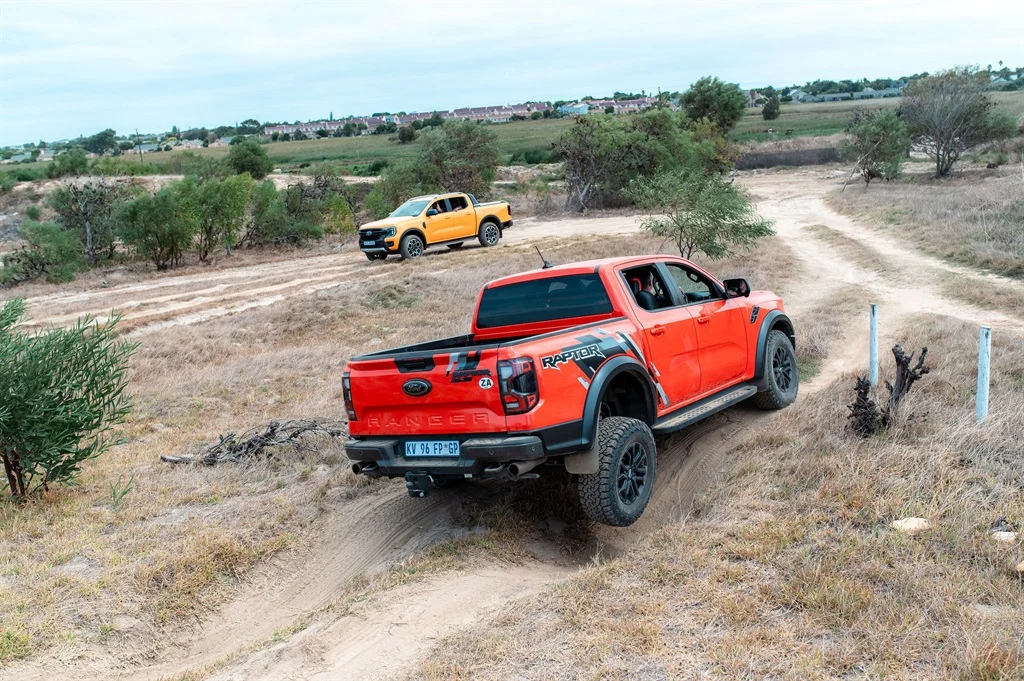
If your vehicle has 4H, 4L, a differential lock, hill descent control or selectable terrain modes, do you know when to use them?
Don't wait until you're stuck to start searching through the owner's manual.
Four-wheel-drive systems vary between vehicles, but broadly, high-range four-wheel drive can provide additional traction on appropriate loose surfaces, while low range is intended for more demanding situations where controlled, low-speed progress is required. Differential locks and terrain-management systems can provide additional assistance in certain conditions.
Your owner's manual should be your starting point because using these systems incorrectly can affect the way the vehicle behaves.
Your tyres are part of the lesson
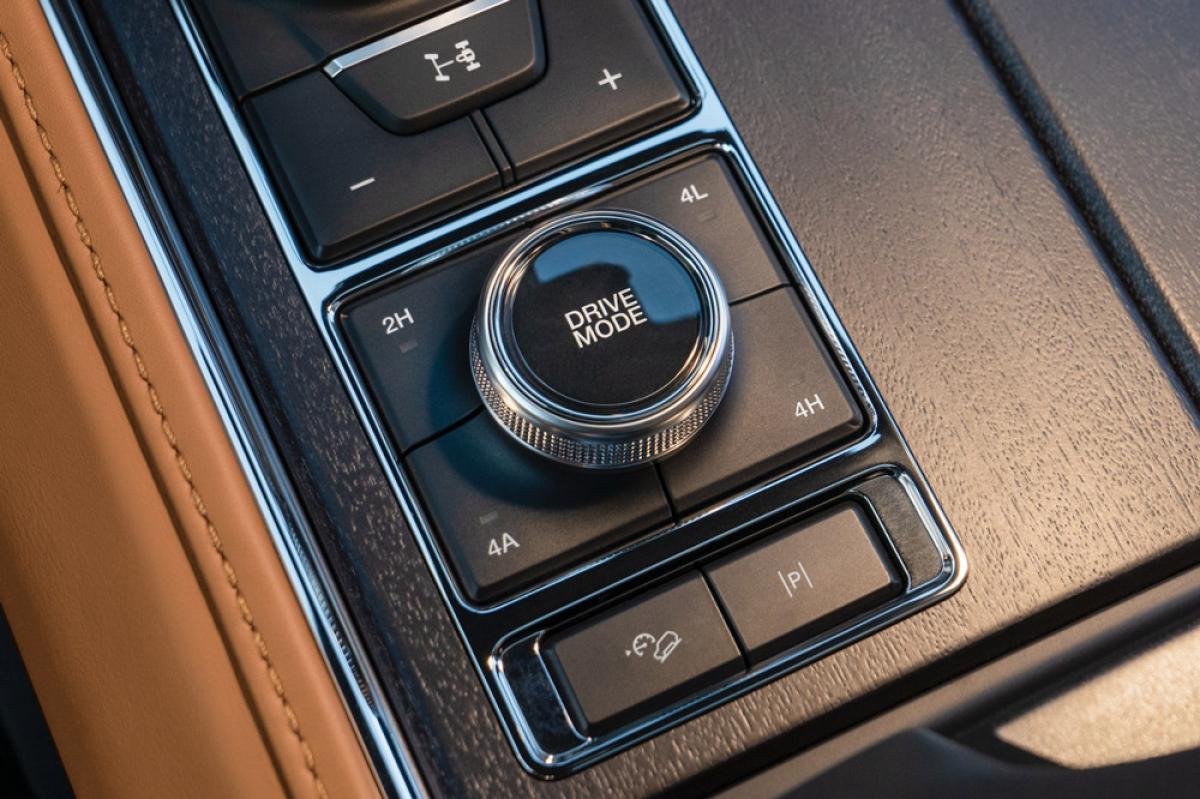
Off-road driving quickly teaches you how important tyres are.
On tar, tyre pressures should follow the vehicle manufacturer's recommendations for the load you're carrying. In some off-road conditions, such as sand, experienced drivers may reduce tyre pressure to improve the tyre's footprint and traction, but this should be learnt properly rather than guessed. Tyres must also be returned to the appropriate road pressure before normal driving resumes.
Before heading anywhere remote, check the condition of your tyres and spare, and know where your jack and wheel-changing equipment are kept. The AA recommends that motorists know their vehicle's correct tyre pressures and where basic equipment such as the spare wheel and jack are located.
Take the lesson back onto the road
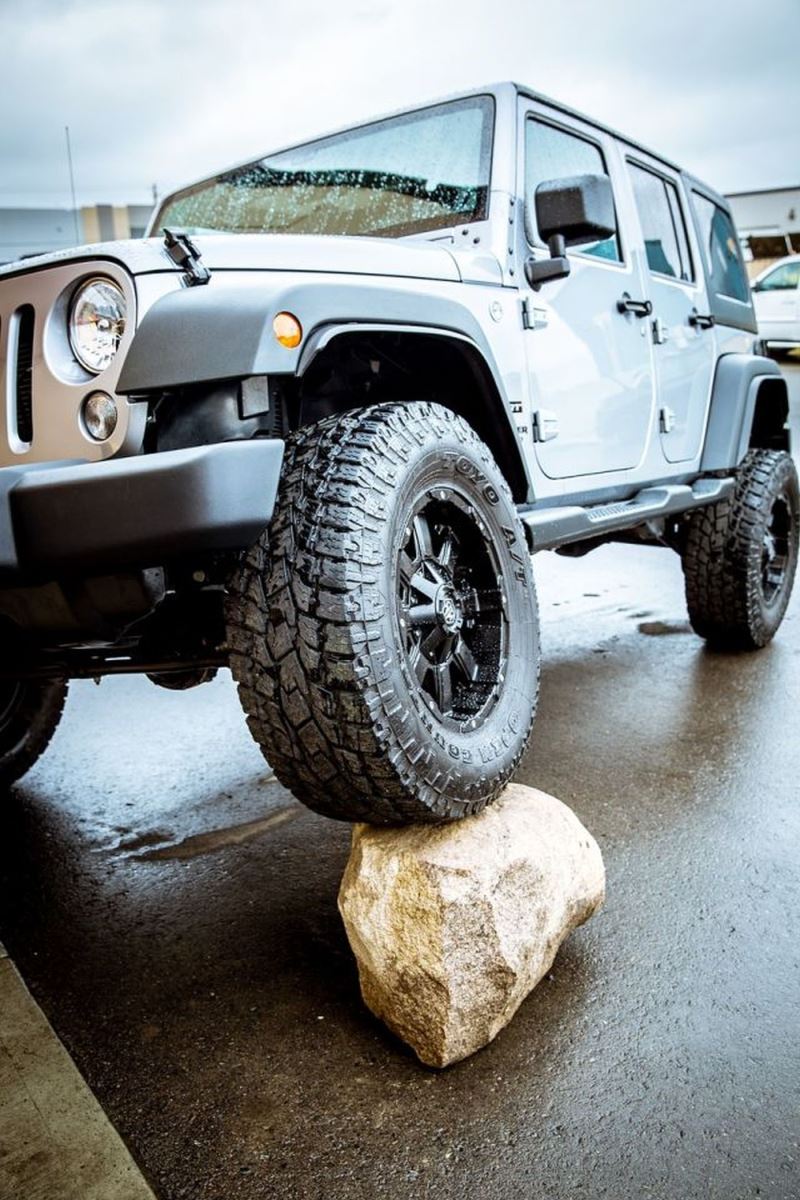
You may never plan to conquer a mountain pass or spend weekends crawling over rocks, but 4x4 training can still teach useful everyday driving habits.
You become more aware of where your wheels are, how large your vehicle really is and how weight shifts on an incline. You learn to look further ahead, choose your line before reaching an obstacle and use measured inputs rather than reacting in panic.
Think about how useful some of that becomes on a badly maintained gravel road, approaching a washed-out section after heavy rain or deciding whether that enormous puddle ahead is something you should drive through at all.
Training also teaches an underrated driving skill: knowing when to stop, get out and assess what's ahead.
Capability feels different when you understand it
There is a particular confidence that comes from discovering that the intimidating descent in front of you is manageable when you understand your vehicle and follow the correct technique.
That confidence shouldn't make us reckless. It should make us calmer, more informed drivers.
So, if there's a 4x4 parked in your driveway and its most challenging expedition so far has been climbing the kerb outside the school, perhaps it's time to find out what you and your vehicle can actually do.
Book the course. Ask the questions. Learn the buttons. Practise with someone qualified beside you.
You already paid for the capability. Learning how to use it safely may be one of the most valuable extras you add to the car.