By Johan van Biljon and Dr Tingmin Yu
Across South Africa, farmers are navigating growing pressure as input costs continue to climb. Fuel prices remain unpredictable, while fertiliser costs have become increasingly difficult for farmers to absorb. Global geopolitical tensions, supply chain disruptions, and energy market volatility continue to influence farming operations far beyond the countries where these pressures originate.
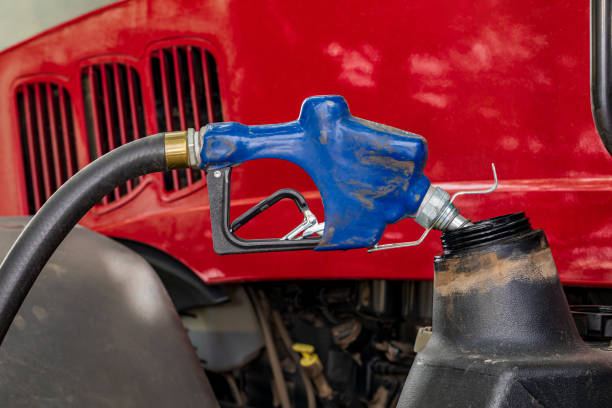
For emerging farmers building businesses from the ground up, these realities carry real consequences. Every litre of diesel counts; each unnecessary trip across a field adds cost and every maintenance decision can influence profitability.
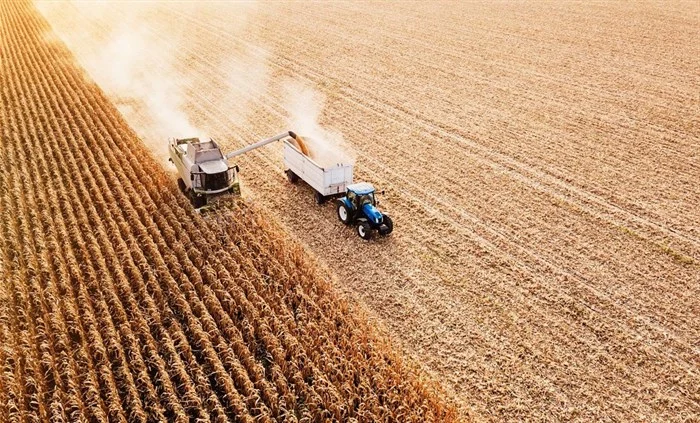
Fuel is often viewed simply as a transport expense attached to a bakkie, tractor or delivery vehicle. In agriculture, however, fuel sits at the centre of daily operations. It powers tractors preparing fields, pumps moving water, harvesting equipment and the machinery that keeps farming businesses running.
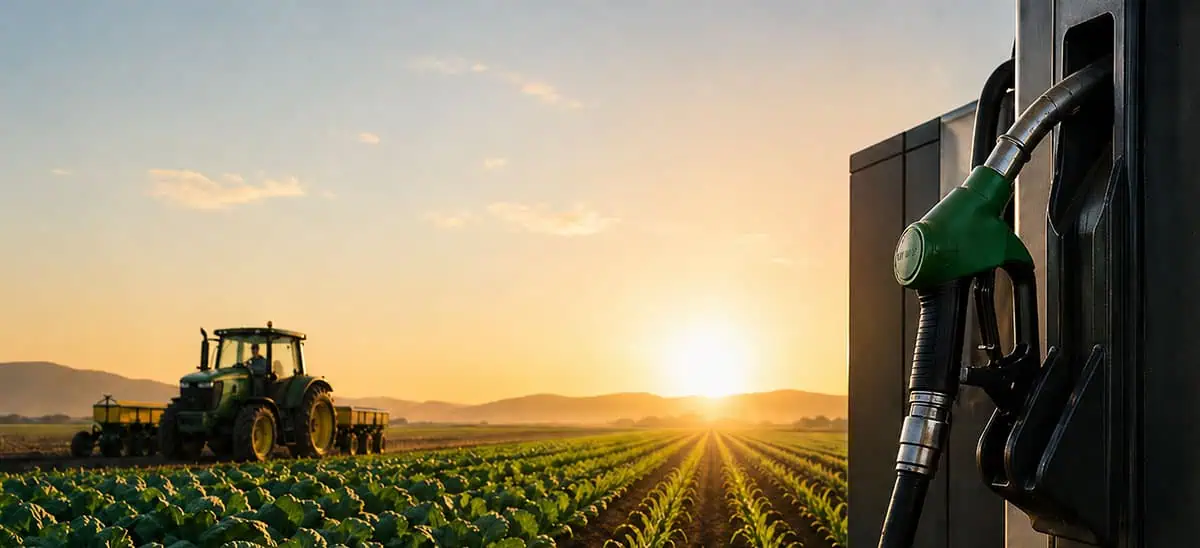
As costs rise, efficiency becomes increasingly important. Fuel management is no longer only a motoring consideration; it has become an agricultural business imperative.
Maintenance remains one of farming & simplest wins
One of the easiest places to begin is machinery maintenance.
A tractor that is not properly maintained rarely performs efficiently. Over time, that inefficiency often appears through increased fuel consumption, reduced productivity and avoidable repair costs.
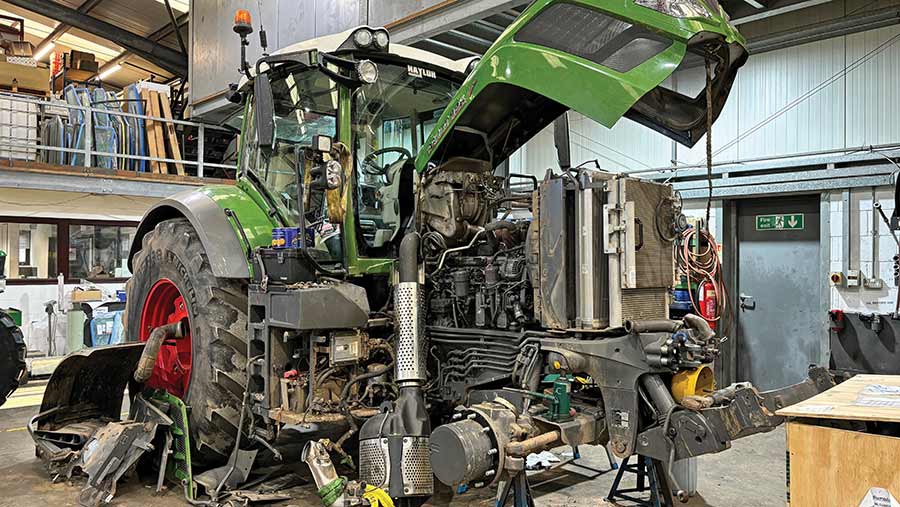
Replacing air and fuel filters when required, changing oil regularly and maintaining moving components properly can improve efficiency significantly. Well-maintained machinery also reduces breakdowns, saving both money and valuable production time.
For emerging farmers working hard to build sustainable operations, preventative maintenance often costs far less than reactive repairs.
Bigger is not always better
When it comes to farm machinery, bigger does not always mean better. Many farmers naturally assume that larger equipment automatically delivers stronger performance, but choosing the right machinery for the task can have a significant impact on fuel efficiency and operating costs.
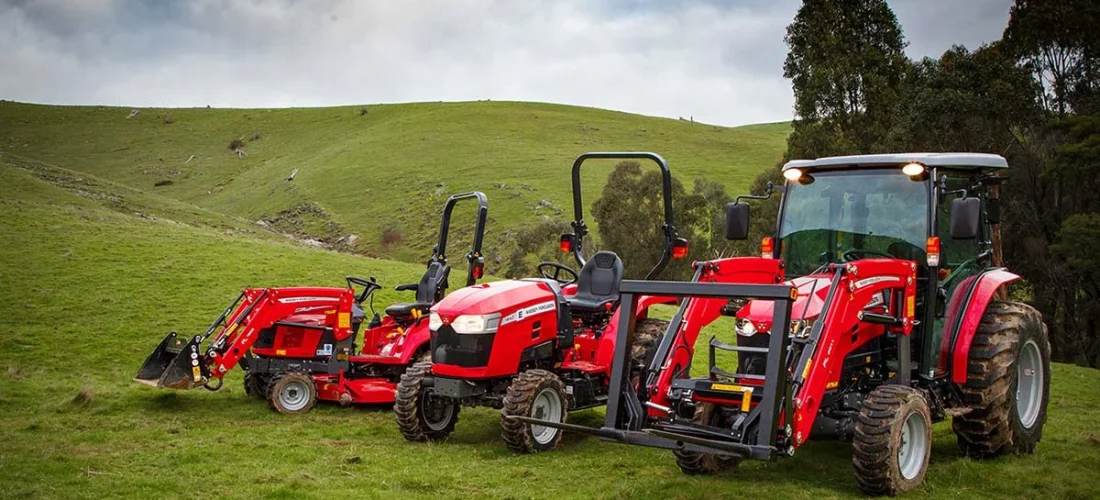
A tractor that is too large for lighter work may consume unnecessary fuel, while machinery that is too small for demanding operations can place additional strain on the engine and increase wheel slip. Over time, both scenarios can reduce efficiency and add avoidable costs to the farming operation.
Effective mechanisation is often less about maximum power and more about finding the right balance. Matching the tractor correctly to the implement helps improve productivity, reduce fuel consumption and ensure machinery performs as efficiently as possible. For farmers focused on protecting margins, the right fit can make all the difference.
Speed affects more than time
Operating speed influences fuel efficiency more than many farmers realise. While there is often pressure to cover more ground in less time, working faster does not always translate into working more efficiently.
Driving too slowly can under utilise engine capacity, while excessive speed may place unnecessary strain on machinery and increase fuel consumption. The objective is not simply to move more quickly through a task, but to operate equipment at a speed that allows it to perform efficiently and consistently.
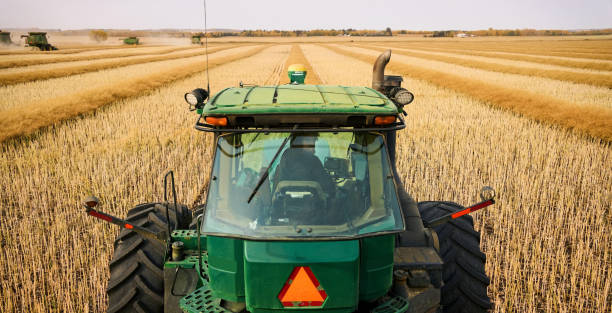
Farmers can also look out for warning signs that machinery may not be operating optimally. Excessive black smoke from a tractor, for example, can indicate engine overloading and poor fuel efficiency. Small adjustments behind the wheel, combined with good operating practices, can quietly improve productivity while helping to manage fuel costs over time.
Every turn costs money
Field planning is another area where farmers can quietly lose money without realising it. Unnecessary trips between fields, overlapping operations and inefficient turning patterns may seem small in isolation, but over time they contribute towards increased fuel consumption and higher operating costs.
Careful route planning and reducing unnecessary movement can improve efficiency and deliver meaningful savings across a season. In farming, profitability is often shaped by routine decisions, and the way work is planned and executed in the field can have a bigger impact on the bottom line than many farmers realise.
Technology is reshaping efficiency
Technology is playing an increasingly important role in improving efficiency on modern farms. Precision agriculture tools such as guidance systems, field mapping, auto-steer technology and yield monitoring are helping farmers reduce waste, improve input accuracy and make better use of resources while lowering unnecessary energy consumption.
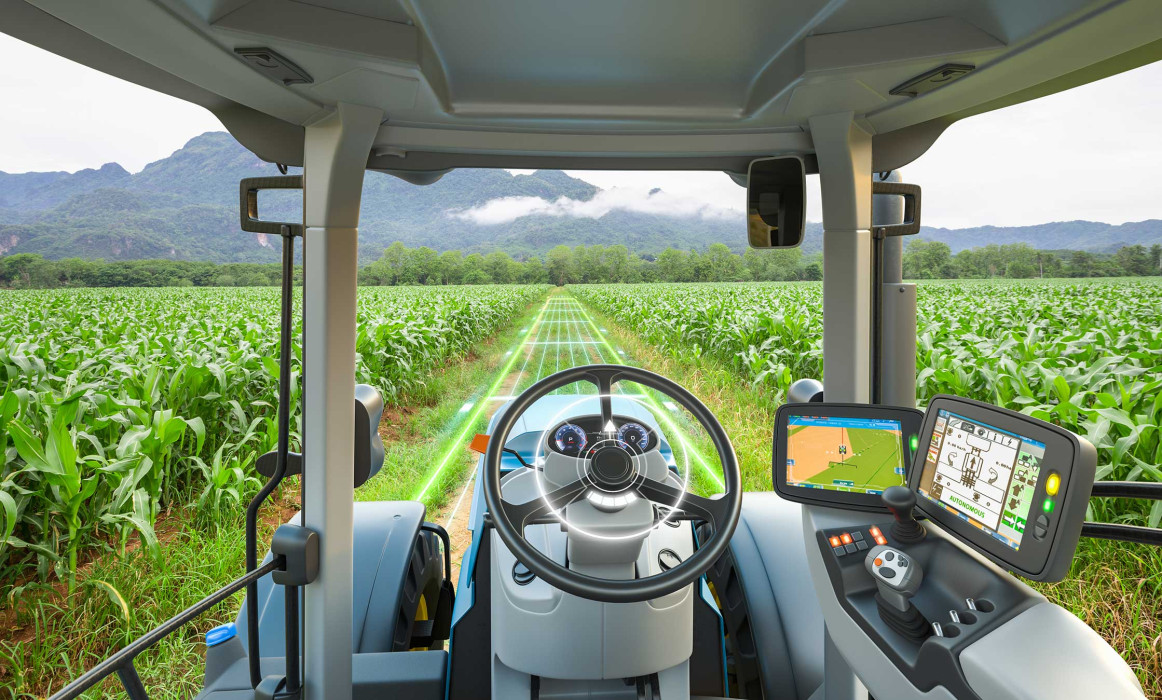
While these technologies may not yet be accessible to every emerging farmer, they offer a glimpse into the future of agriculture and how farming businesses are evolving. Increasingly, technology is becoming more than a productivity tool. It is also becoming an important contributor to profitability, helping farmers make more informed decisions while building stronger and more sustainable operations.
Looking beyond diesel
As input costs continue placing pressure on farming businesses, some farmers are also exploring alternative ways to improve efficiency and reduce reliance on traditional fuel sources. Small operational changes, such as proper fuel storage, can help minimise evaporation losses and improve overall fuel management, particularly during warmer conditions.
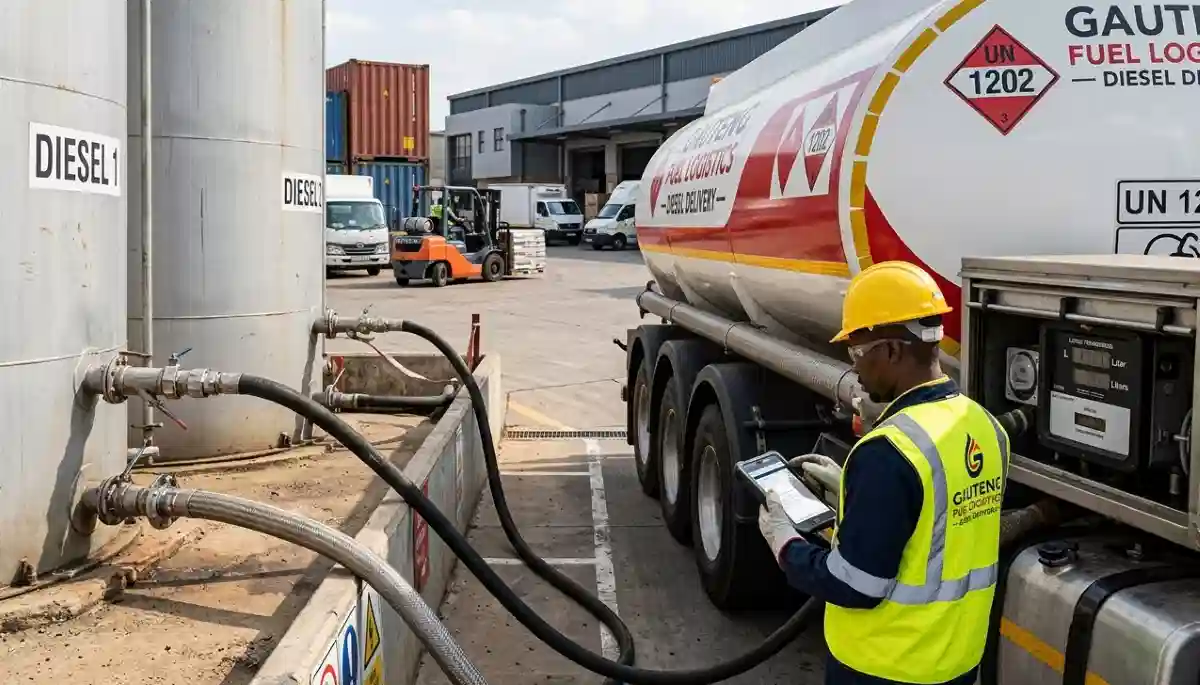
Other solutions are beginning to gain attention as agriculture evolves. Biodiesel presents opportunities in certain production systems, while solar-powered pumps are increasingly helping reduce dependence on diesel-driven operations, particularly in water management. For farmers looking to strengthen sustainability while protecting profitability, these alternatives are becoming an increasingly important part of long-term planning.
Small decisions build stronger businesses
Perhaps the biggest lesson for farmers is also the simplest. Protecting profitability rarely comes from one major intervention. More often, it is shaped by disciplined decisions made consistently over time.
Maintaining machinery properly, matching equipment to the task, planning operations carefully and managing fuel more strategically may seem like small adjustments in isolation, but together they can make a meaningful difference to efficiency and long-term sustainability.
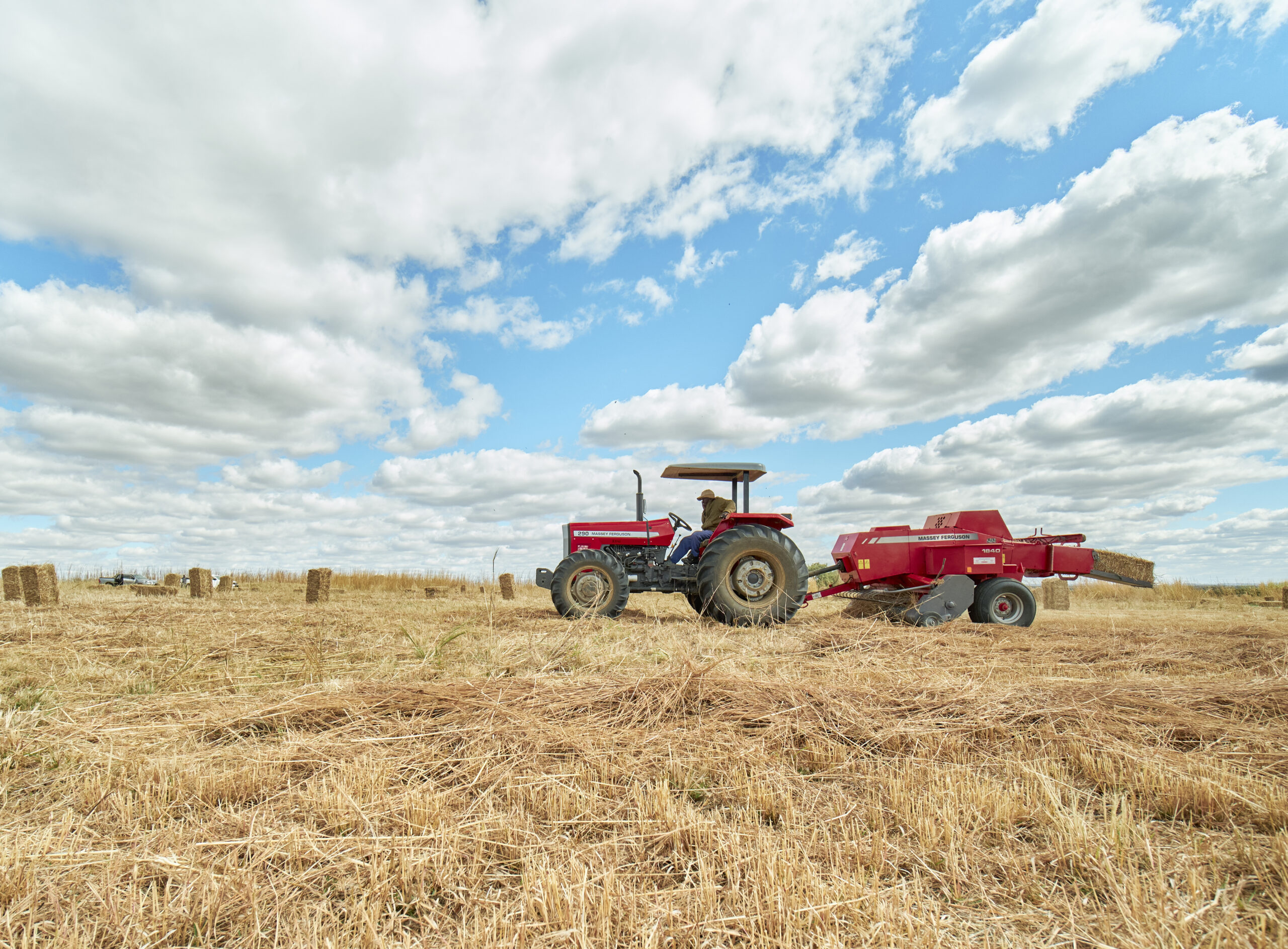
For emerging farmers building businesses in a demanding environment, profitability is influenced not only by what leaves the farm, but also by what is saved along the way. Increasingly, smarter mechanisation is becoming more than an operational consideration. It is proving to be an important business tool in building stronger and more resilient farming enterprises.
This article first appeared in the AgriAbout from the ARC-Natural Resources and Engineering Agricultural Engineering Campus.