By Blessings Masuku and Colleta Gandidzanwa
In parts of Johannesburg, a small patch of spinach, herbs or sweet potatoes can mean far more than a greener neighbourhood. It can help stretch a household food budget, supply a community kitchen and, in some cases, bring in a little extra income.
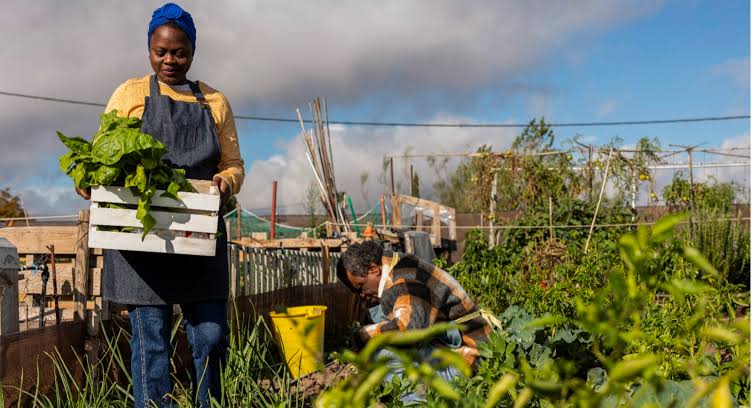
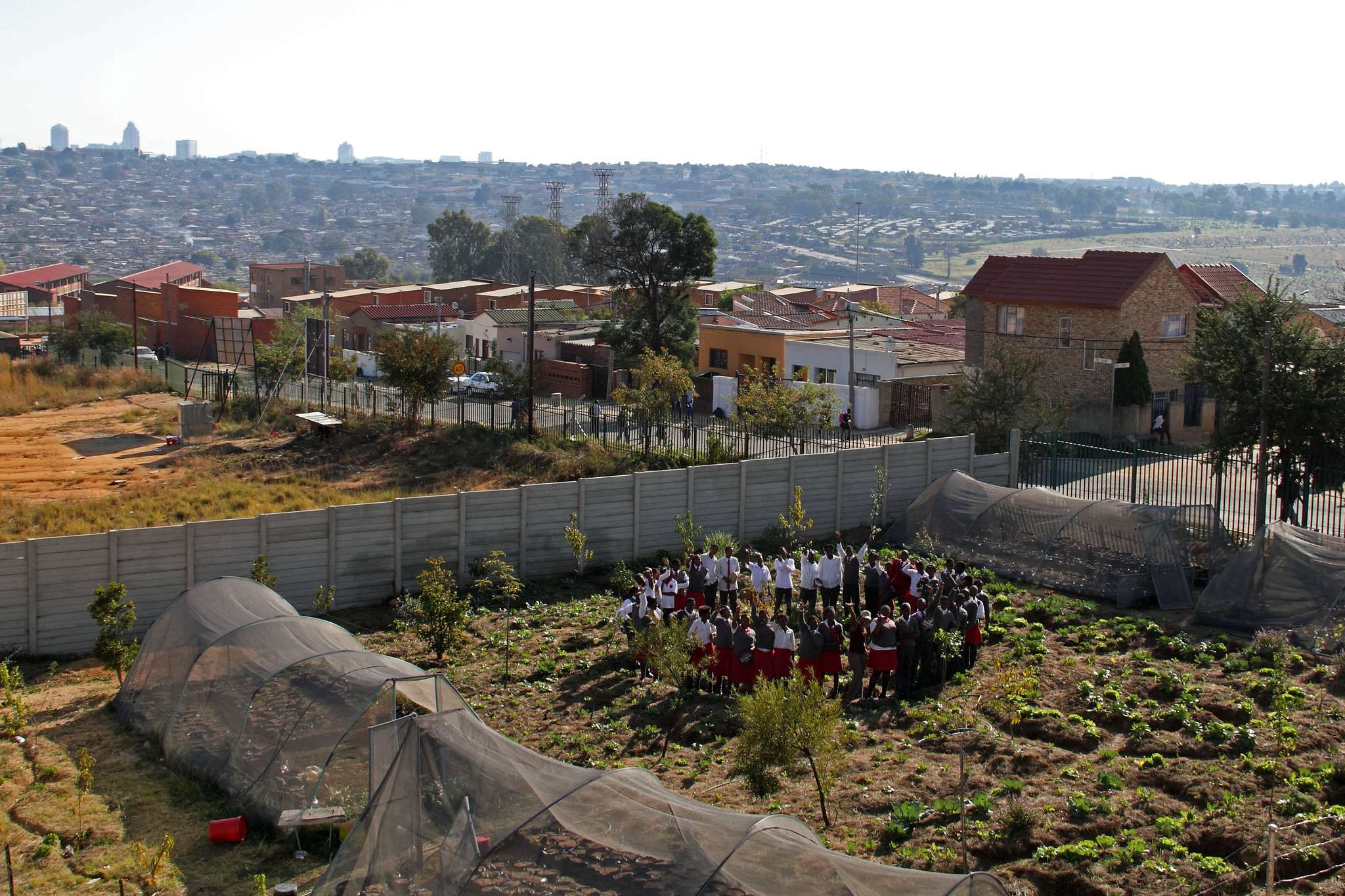
Across Alexandra township, residents are growing food wherever space allows: in backyards and kitchen gardens, at schools and clinics, in community cooperatives, on roadsides and even on abandoned land.
These gardens may be small, but research suggests their contribution is significant, particularly in communities facing food insecurity, rising living costs and growing environmental pressures.
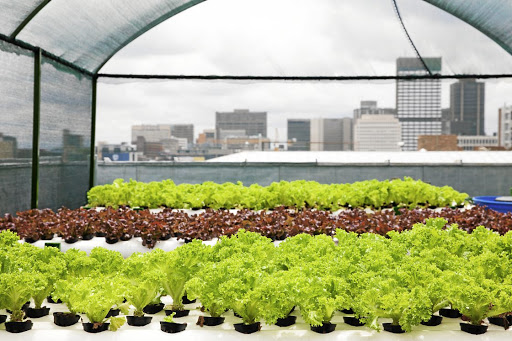
Urban agriculture, which includes growing crops and keeping livestock within city boundaries, is increasingly recognised as one way cities can strengthen food security while becoming greener and more resilient to climate change. It can take many forms, from ordinary household gardens and communal plots to rooftop gardens and vertical growing systems.
Our recent research examined how home and community gardening can strengthen household food security while also contributing to urban greening and climate resilience.
We interviewed 40 gardeners in Alexandra, Johannesburg. They farm household and kitchen plots, school and clinic gardens, and community cooperatives involving as manyas 20 people. Some also cultivate abandoned land and roadside spaces.
Most of the urban farmers we interviewed were women from different national and ethnic backgrounds, and many had been farming for at least a decade.
What emerged was a picture of urban farming as something much bigger than simplygrowing vegetables.
Small gardens, real benefits
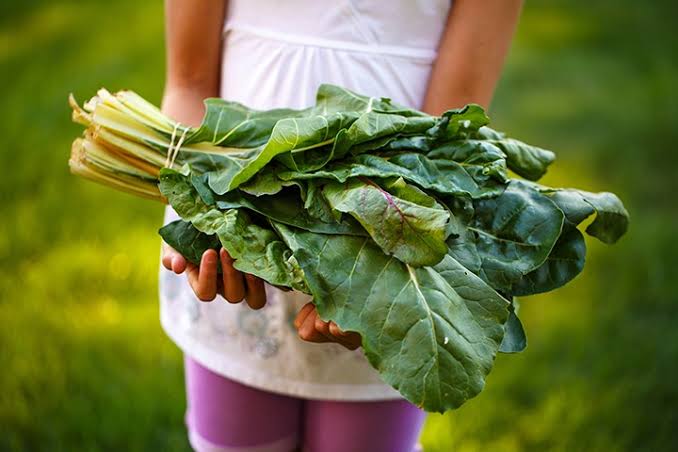
The farmers grew leafy vegetables including spinach, kale, lettuce, pumpkin leaves, sweet potato leaves and okra leaves. They also cultivated herbs, pumpkins and sweet potatoes.
Community gardens tended to be much larger than household plots, while smaller gardens produced more modest harvests, often using compact raised beds and containers.
Even so, the food grown could make a meaningful difference.
One farmer from the Lenin Drive community garden explained that the cooperative used much of its produce to support community kitchens and local households:
“Look, we are a small co-operative, and we do not grow enough food to feed the community. Most of what we grow are herbs and vegetables used for community kitchens to feed the homeless and the orphans, and for home consumption to feed our families as well. Sometimes, when we have higher yields, we sell some of it in the market.”
The vegetables grown in these gardens are not enough to provide a household’s entire food supply. But they can supplement staples such as maize meal with fresh, nutritious produce.
For families under financial pressure, that matters.
More than food on the table
Many of the gardeners were not necessarily farming with climate change in mind. Yet some of the practices they had adopted were already helping communities respond to environmental pressures in practical, low-cost ways.
Alexandra is crossed by the Jukskei River, which frequently floods. Rubbish blocking drains and waterways adds to the problem.
In response, some residents have worked with non-governmental organisations and researchers on projects that use litter-trapping nets and transform illegal dumping sites into green spaces, art installations and community gathering places.
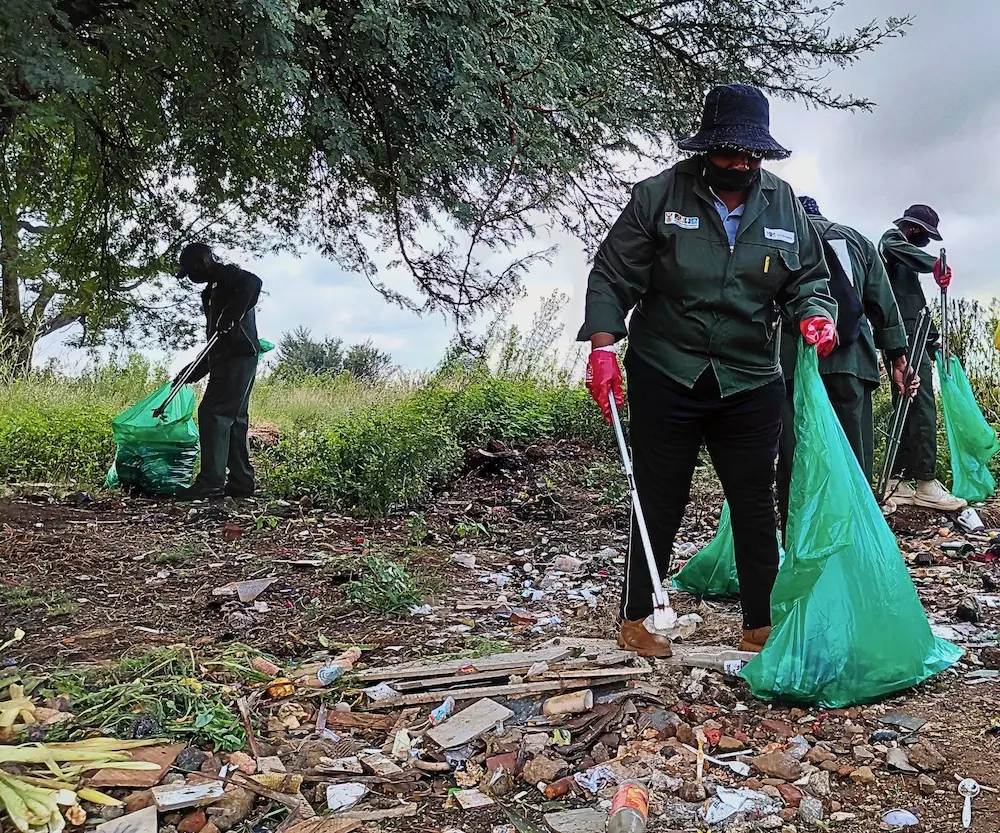
These projects show how neglected or environmentally vulnerable spaces can be reimagined. A dumping site can become a garden. A damaged public space can become a place of culture, community and pride.
One female farmer described growing flowers, mint, African sage, Bambara ground nuts, beans, sweet potatoes and carrots in a public space that had once been used as an illegal dumping site.
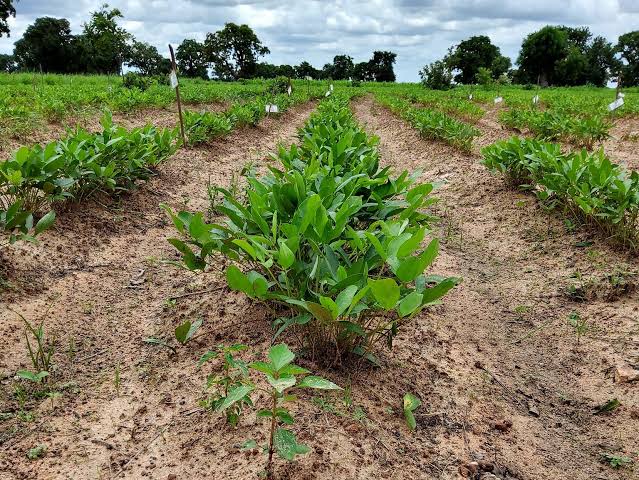
Many of the plants were chosen because they could cope with difficult conditions, including heat and limited rainfall.
“For me, growing these plants is more than just for the stomach. It is about conserving our environment and educating the public about the importance of green spaces that inherently connect us as humans to nature. Most of the plants I grow are drought-resistant and do not need a lot of rain.”
She also pointed to a gap in knowledge around Indigenous food plants, noting that some plants dismissed as weeds by city residents are, in fact, useful traditional crops.
A garden can also carry memory
For some farmers, gardening connects city life with knowledge passed down through generations.
One gardener described a kitchen garden as being “like having a pharmacy in your backyard”.
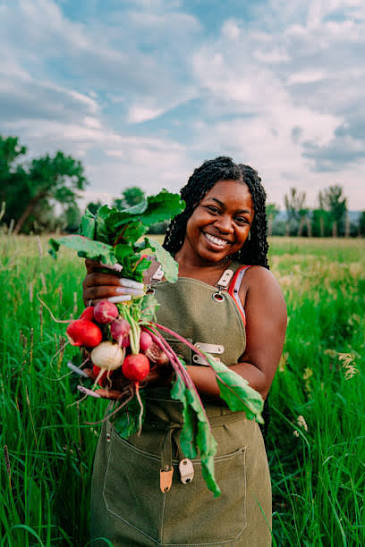
She had grown up in a village where her grandmother farmed and cultivated plants and herbs for food and traditional medicinal use. Today, she continues some of those practices in a small backyard garden, growing fresh herbs such as wormwood, aloe vera and mint alongside vegetables.
For her, the garden is not only a source of food. It is also a connection to nature, family knowledge and her farming roots.
This is an important part of the urban farming story. Gardens can help preserve knowledge about plants, food and cultivation that might otherwise be lost as communities become increasingly urbanised.
The farmers are doing the work, but the obstacles are significant
Despite their contribution, Alexandra’s urban farmers face serious constraints.
One of the biggest is land.
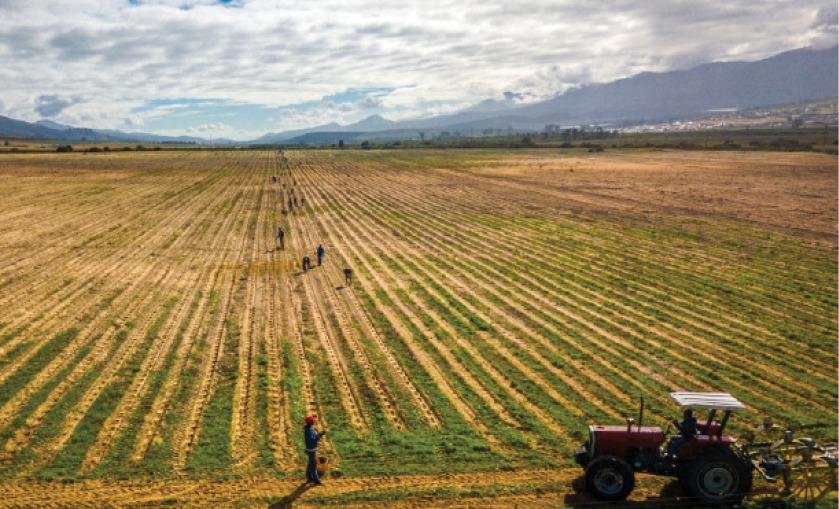
Many do not own the plots they cultivate. Cooperative farmers often work on municipal land under lease arrangements, while the plots available to entire groups can be smaller than a football pitch.
That lack of space limits what they can grow.
Farmers told us they wanted to cultivate a wider variety of crops, including maize and rice, as well as Indigenous staples such as millet and sorghum. But in many cases, the land simply was not large enough.
Then there are the everyday costs and risks of keeping a garden productive.
Pests and insect infestations can damage crops. Rainwater is scarce. Many farmers cannot afford irrigation systems. Fencing is expensive, leaving unfenced gardens vulnerable to theft.
These are not small problems for farmers already working with limited resources.
Why bigger investment matters
Our research points to a clear challenge: many low-income communities and small-scale farmers do not have the funding, training or basic support needed to with stand climate-related shocks and build sustainable food-growing projects over time.
Greater investment could help.
This includes access to funding, training and basic services, but also support for practical technologies such as smarter irrigation systems and online marketplaces that could help farmers improve production and reach customers.

Organic farming and composting can also play an important role in improving sustainability while reducing waste.
The point is not to replace the low-cost and community-based practices that already exist. It is to give urban farmers better tools and stronger support so that what they are doing can become more resilient and productive.
Urban farming is about more than vegetables
One of the clearest lessons from Alexandra is that urban agriculture should not be viewed only through the amount of food harvested.
Its value is broader.
Urban farming can help people develop new skills, become more involved in their communities and take greater ownership of neglected local spaces. It can strengthen community ties while helping address hunger and exclusion.
It can also contribute to greener neighbourhoods and help communities respond to environmental pressures.
For cities such as Johannesburg, where food insecurity, inequality and climate risks often overlap, that makes urban farming an important part of a much bigger conversation about how people live and survive in urban spaces.
The gardens of Alexandra are already showing what is possible.
The question now is whether urban farmers will receive the land, funding, training, infrastructure and long-term support they need to do more.
About the authors
Blessings Masuku is a Postdoctoral Fellow at the University of Pretoria.
Colleta Gandidzanwa is a Researcher in Agricultural Economics at the University of Pretoria.
This article has been adapted for XploreZA from an original article published by The Conversation Africa https://theconversation.com/urban-farming-helps-johannesburgs-poorest-households-survive-now-it-needs-bigger-investment-285382 under a Creative Commons licence.