By Mabuyane Mabuza
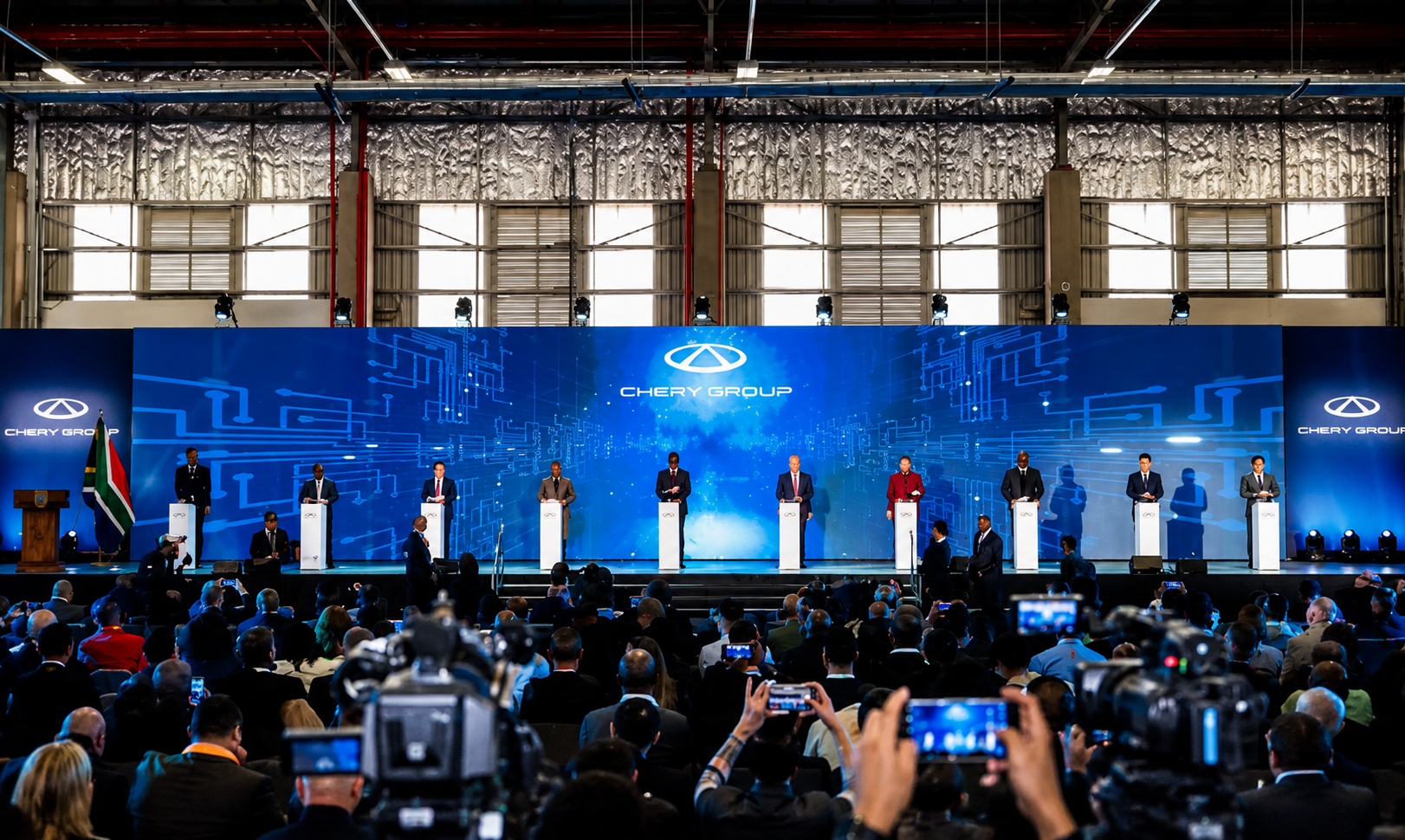
After months of negotiations, Chery Group officially opened its first manufacturing plant on the African continent on Friday, marking a major step in the Chinese carmaker’s expansion in South Africa.
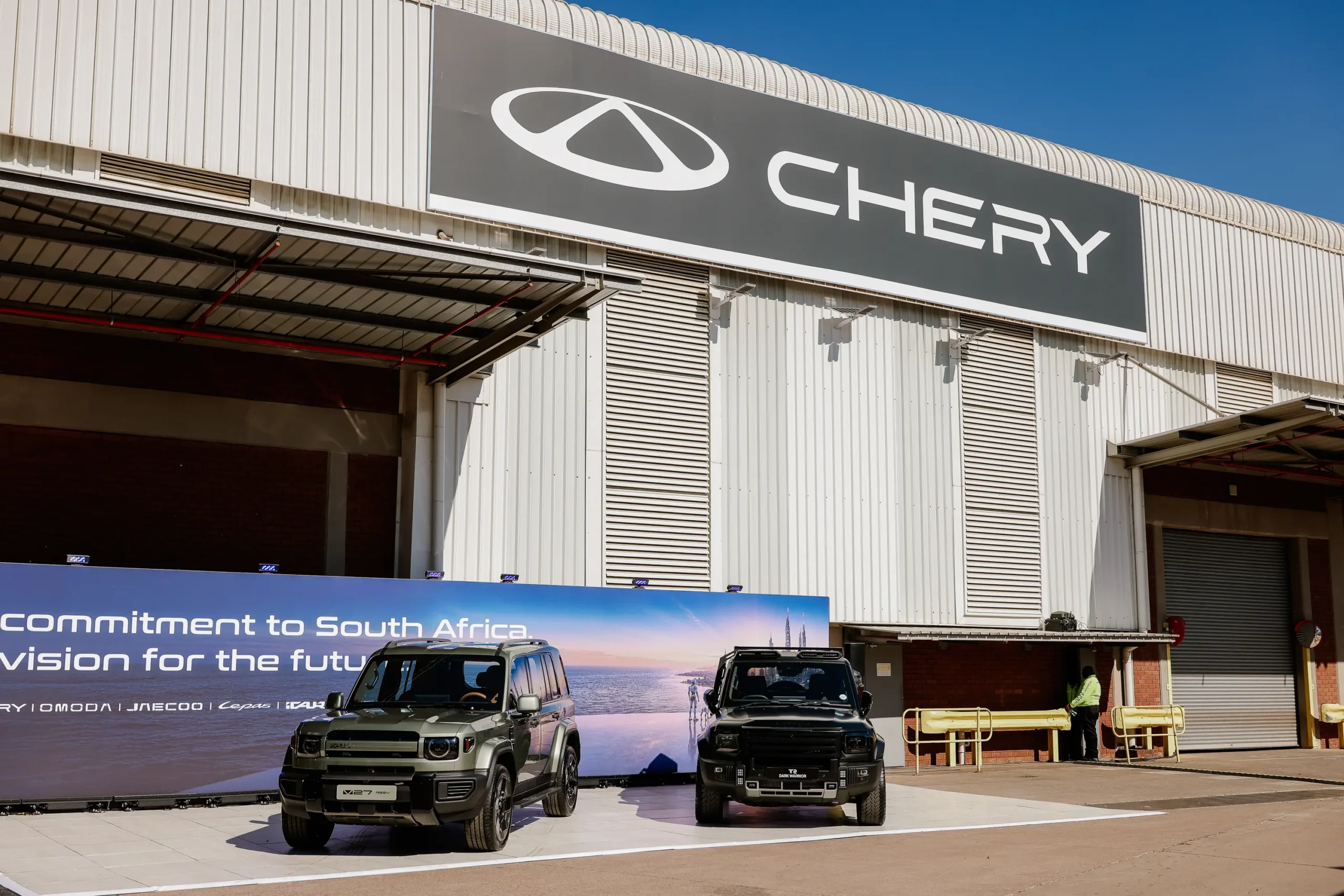
The Rosslyn facility, acquired from Nissan South Africa, will not only produce vehicles but is also expected to serve as a broader development hub for Chery’s operations in the region.
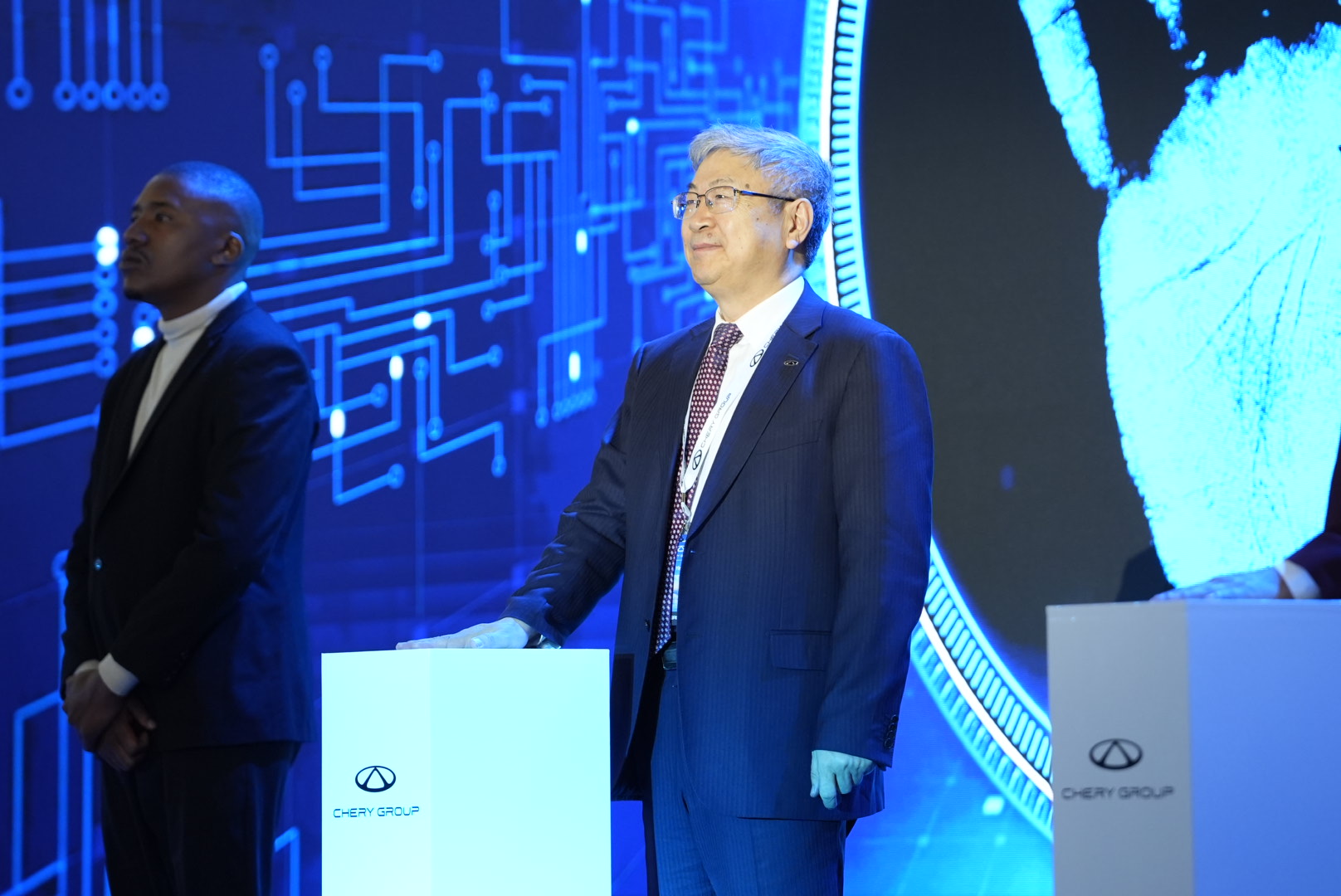
The opening ceremony was attended by Deputy President Paul Mashatile, Gauteng Premier Panyaza Lesufi, Tshwane Executive Mayor Nasiphi Moya, Chinese Ambassador to South Africa Wu Peng and Chery Chairman Yin Tongyue, underlining the significance of the investment for both governments and the automotive industry.

Just four years after re-entering the local market, Chery has moved from rebuilding consumer confidence to investing in local production. The Rosslyn plant marks its transition from importer to manufacturer, a shift that carries far greater significance than simply changing where vehicles are assembled.
For years, Chinese car brands were viewed as outsiders in South Africa. They arrived with attractive price tags, steadily won over sceptical buyers and chipped away at the dominance of established European, Japanese and Korean manufacturers.
Chery’s decision to manufacture locally signals a deeper commitment to the market. Local production brings the potential for jobs, supplier development, skills transfer and greater participation in South Africa’s economy.
“At Chery, we live by one philosophy: ‘In Somewhere, For Somewhere, Be Somewhere,” said Yin Tongyue during the official opening. “Wherever we invest, we commit. We become part of the local economy, part of the community and part of the country’s future. Today proves that commitment.”
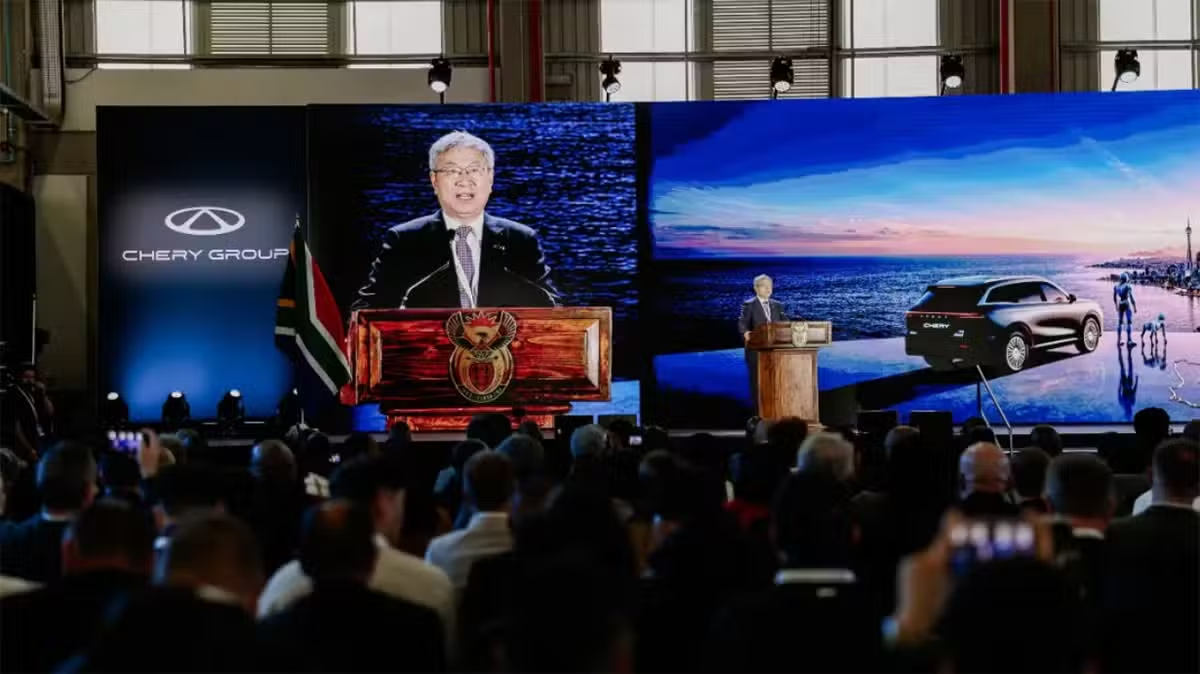
Deputy President Paul Mashatile described the investment as another important chapter in South Africa’s industrial development. He said the Rosslyn plant should not only be measured by the number of vehicles that roll off its production line, but also by the opportunities it creates for surrounding communities and future generations.
A new chapter for a historic plant
Established in 1966, the Rosslyn facility is one of South Africa’s oldest automotive manufacturing plants and has played an important role in the country’s vehicle production story. Chery now inherits that legacy and plans extensive upgrades before production begins around the middle of 2027.
The company expects to build approximately 15,000 vehicles during the production ramp-up in the second half of 2027. It has also committed to retaining all 692 existing employees while creating close to 3,000 additional direct and indirect jobs across its manufacturing and supplier network.
The investment comes as South Africa continues to compete for global automotive investment amid economic uncertainty and growing competition from other emerging markets.
Chery has already begun engaging local Tier-1 suppliers as it works towards increasing locally sourced components by 2028. Its ambitions extend beyond vehicle assembly, with plans for research and development capabilities, supplier support, technical training and broader industrial operations serving Southern Africa.
From challenger brand to local manufacturer
Chery’s manufacturing investment comes after a rapid rise in South Africa’s highly competitive new-vehicle market.
Its Tiggo 4 Pro became South Africa’s best-selling passenger vehicle in 2025, while the wider Chery Group now has six brands represented locally: Chery, OMODA,JAECOO, Jetour, iCAUR and LEPAS.
The group’s local portfolio stretches from family SUVs to premium hybrids and electric vehicles, reflecting the growing influence of Chinese manufacturers in South Africa.
For Chery, however, the Rosslyn investment represents something bigger than sales growth. It signals a move from selling vehicles in South Africa to building a longer-term industrial presence in the country.
The real measure of that commitment will come when production begins in 2027 and the promises around jobs, localisation, skills development and supplier growth start taking shape.