Aurelia Mbokazi
July is often seen as a quieter time on the farming calendar, but experienced farmers know that some of the most important decisions for the coming season are made long before the first seed goes into the ground.
With South Africa's summer planting season only a few months away, now is the ideal time to prepare. Fertiliser and fuel prices remain unpredictable as global tensions continue to influence international markets, while concerns around the possibility of an El Niño weather pattern mean farmers are once again planning for uncertainty rather than certainty.
The good news is that while producers cannot control global events, they can take practical steps now to manage costs and improve efficiency before the busy planting season begins. A little planning during winter can make a significant difference when spring arrives.
1. Start planning your input budget now
Waiting until the last minute to price fertiliser, seed and fuel can leave farmers exposed to sudden price increases.
Use the quieter winter months to review last season's expenses, prepare a realistic budget and begin requesting quotations from suppliers. Comparing prices early gives you a better understanding of what to expect and allows you to adjust your plans if necessary.
Knowing your numbers before planting begins also makes it easier to identify where savings can realistically be made without compromising production.

2. Test your soil before buying fertiliser
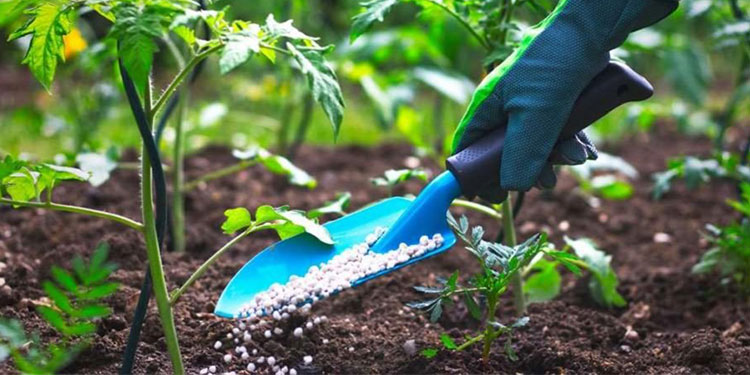
Fertiliser is one of the biggest expenses on many farms, but applying more is not always the answer.
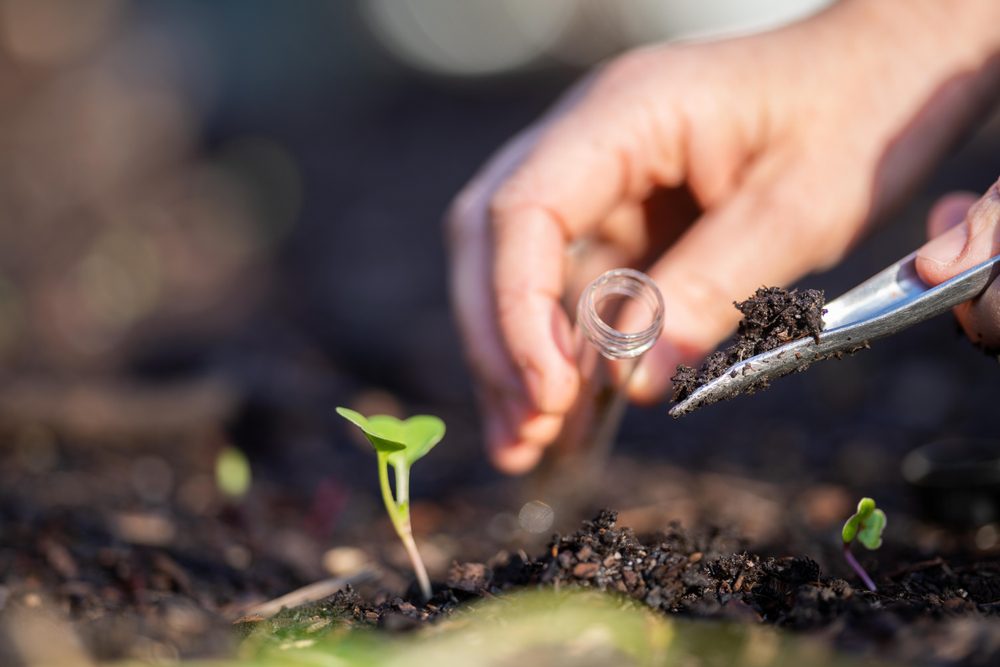
A professional soil analysis can reveal exactly what nutrients are already present and what your soil actually needs. This helps avoid unnecessary applications while ensuring crops receive the nutrients required for healthy growth.
Rather than relying on last year's fertiliser programme, base this season's decisions on current soil conditions. It is often one of the simplest ways to improve efficiency while reducing unnecessary costs.
3. Invest in healthier soil
Healthy soil works harder for you.
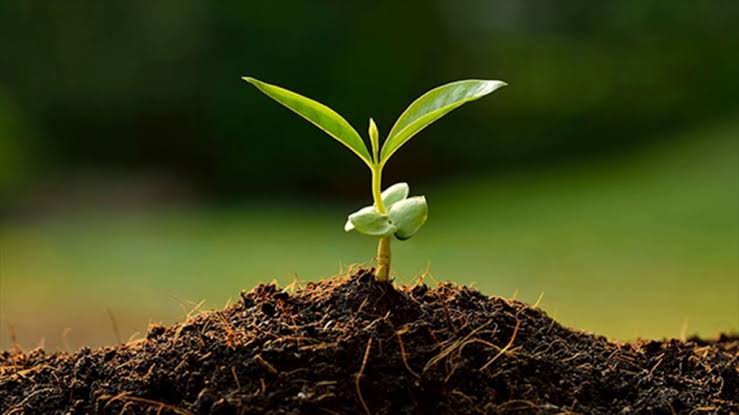
Adding compost, manure or other organic material improves soil structure, increases its ability to retain moisture and helps plants make better use of available nutrients. Over time, healthier soils often require fewer corrective inputs while producing stronger crops.
Building soil health is a long-term investment, but every season spent improving it contributes to lower input costs and greater resilience in the future.
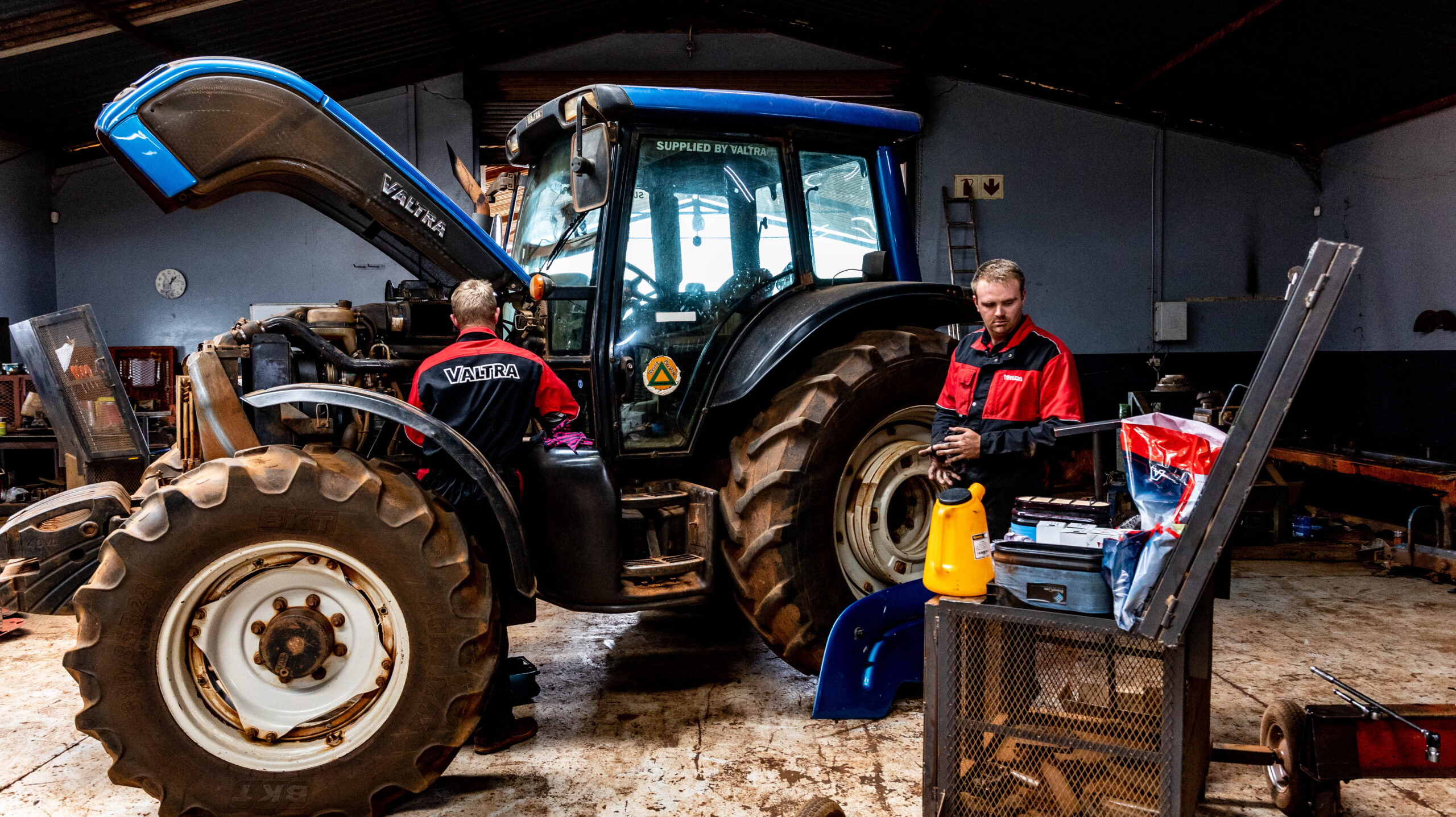
4. Service machinery before the rush begins
The planting season is not the time to discover that a planter needs repairs or that a tractor requires major maintenance.
Take advantage of the quieter period to inspect tractors, planters, irrigation pumps, sprayers and other essential equipment. Replacing worn parts now is often cheaper than dealing with unexpected breakdowns when every day counts.
Well-maintained machinery also operates more efficiently, reducing fuel consumption and helping planting schedules stay on track.
5. Make every litre of water count
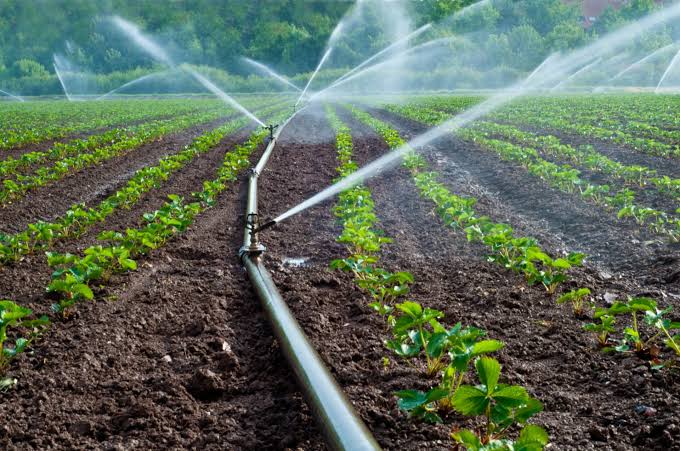
Although many parts of South Africa currently have healthy dam levels following recent rainfall, weather forecasts suggest that conditions could become more challenging later in the season.
Now is a good opportunity to inspect irrigation systems, repair leaks, clean filters and ensure pumps are operating efficiently. Even small improvements can reduce water losses while lowering electricity and pumping costs.
Good water management is no longer simply about conservation. It is an important part of managing overall production costs.
6. Shop smarter, not just cheaper
The lowest price is not always the best value.
Take time to compare suppliers, evaluate product quality and ask about early-order discounts or bulk purchasing opportunities. Some farmers are also working together through cooperatives or buying groups to negotiate better pricing on commonly used inputs.
Building strong relationships with trusted suppliers can also provide valuable advice on alternative products or flexible purchasing options when markets become volatile.
7. Build flexibility into your planting plan
Every farming season brings its own challenges, whether it is changing weather conditions, fluctuating input costs or unexpected market movements.
Rather than relying on a single plan, consider preparing a few different scenarios before planting begins. Review which crops or cultivars are best suited to your expected rainfall, available water and budget. Think about where you may need to adjust planting dates or reduce input use if conditions change.
Having options in place allows you to respond quickly without making rushed decisions under
pressure.
Preparation is your greatest advantage
No farmer can predict exactly what the next few months will bring. International conflict, exchange rates and weather patterns will continue to influence the cost of doing business, and those factors remain largely outside any producer's control.
What farmers can control is how well prepared they are before the season begins.
By taking time now to plan budgets, understand soil health, service equipment and review water and input requirements, producers place themselves in a far stronger position when planting gets underway.
Successful farming has always been about making good decisions before they become urgent. As another growing season approaches, careful preparation may prove to be one of the most valuable investments a farmer can make.