By Staff Writer
Most of us think of driving as something that happens through pedals, gears and steering wheels. But spend enough time on South African roads and you begin to realise that mobility is also built on something less obvious: communication.
Every day, thousands of conversations take place between motorists, pedestrians, cyclists, taxi drivers and traffic officials. Yet very few of these exchanges involve words.
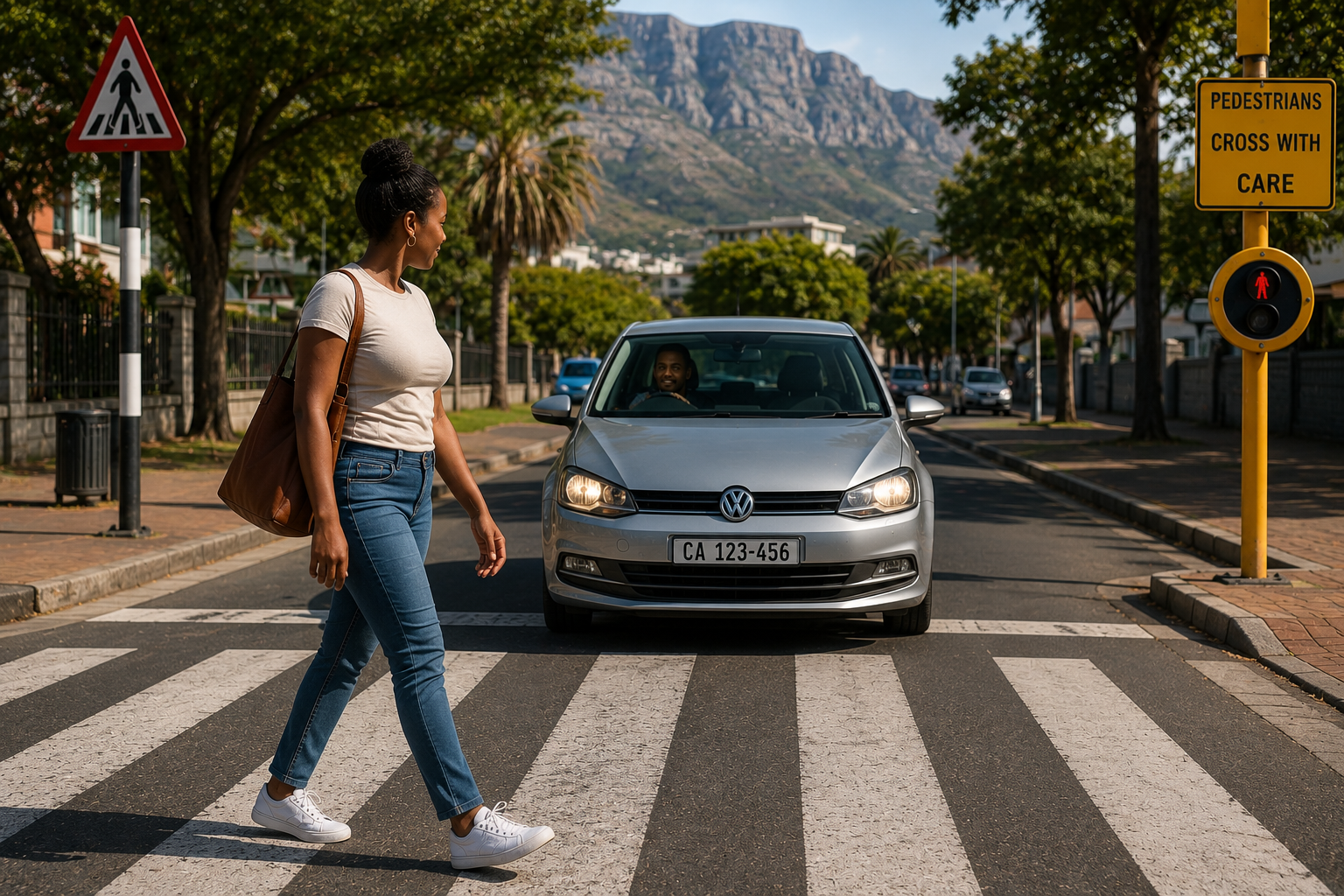
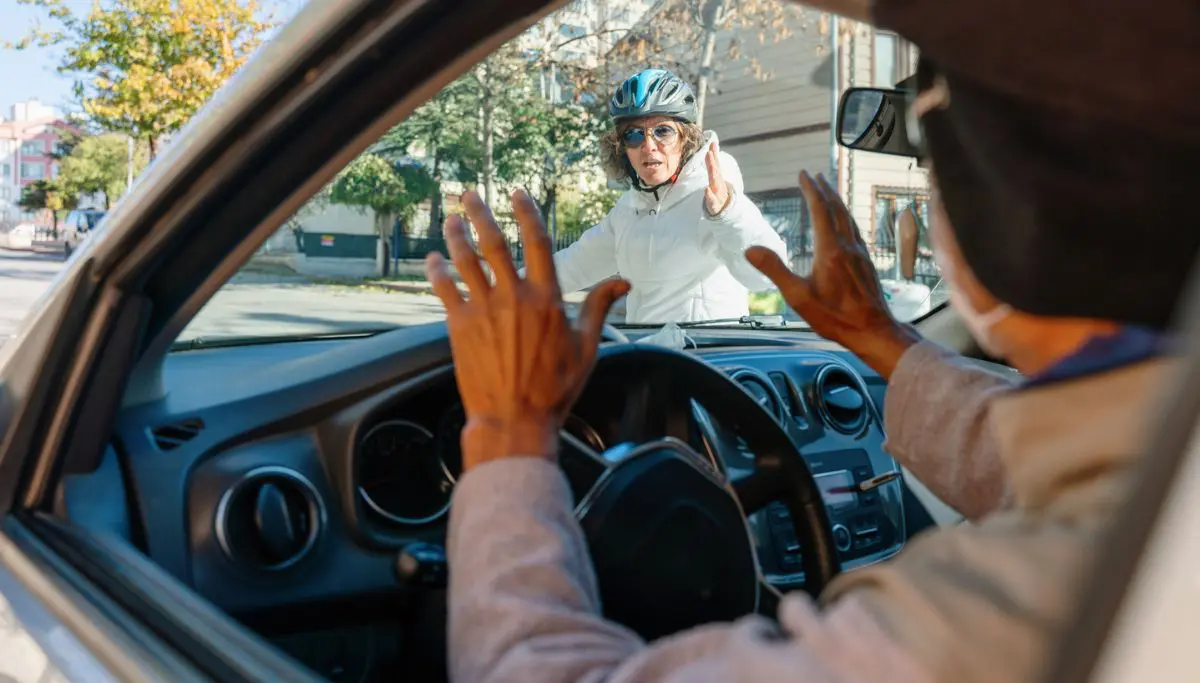
A quick flash of headlights. A raised hand. A nod of thanks. A driver easing off the accelerator to allow another vehicle to merge. A pedestrian making eye contact before crossing a busy street. These small interactions form a language that helps millions of people navigate shared spaces safely.
The problem is that, like any language, it only works when people are paying attention.
South African roads are among the busiest and most diverse in the world. On a single journey, a motorist may encounter school children walking to class, minibus taxis stopping frequently, delivery motorcycles weaving through traffic, cyclists, buses, pedestrians and long-distance trucks. Each road user has different priorities, pressures and vulnerabilities.
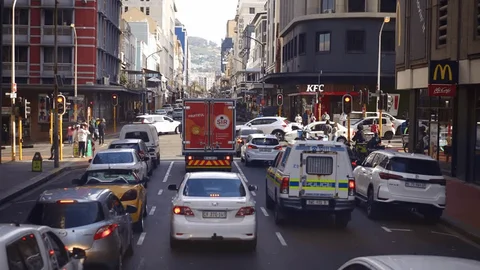
In these environments, awareness often becomes just as important as technical driving skill.
Consider the simple act of allowing another driver into a lane. It is a small gesture, often acknowledged with a wave or a brief flash of hazard lights. While it may seem insignificant, it contributes to a more predictable flow of traffic and reduces the frustration that can quickly escalate into risky behaviour.
The same principle applies when approaching pedestrians. In many South African communities, people walk long distances every day, often crossing busy roads to reach schools, taxi ranks, workplaces and shopping centres. A driver who anticipates these movements and remains alert is already participating in a silent conversation about shared responsibility.
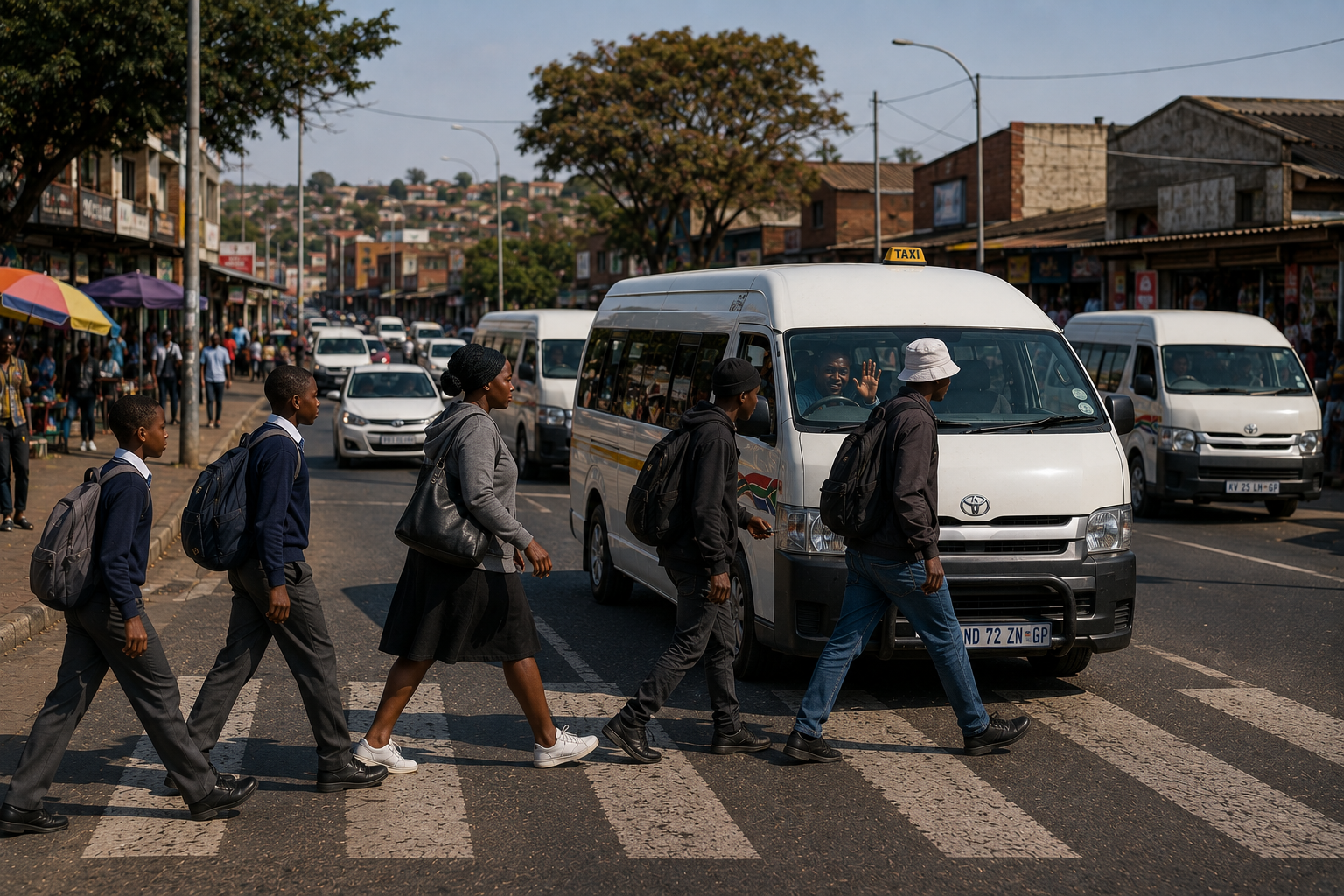
Perhaps nowhere is this language more evident than in the relationship between motorists and minibus taxis.
Taxi drivers operate in fast-moving, demanding environments where quick decisions are often necessary. Regular commuters quickly learn to recognise certain patterns, whether it is a taxi slowing near a rank, preparing to stop or merging into traffic.
Understanding these cues does not mean excusing unsafe behaviour. Rather, it means recognising the realities of the road and adapting accordingly.
The ability to anticipate what others might do next is one of the most valuable safety skills any road user can develop.
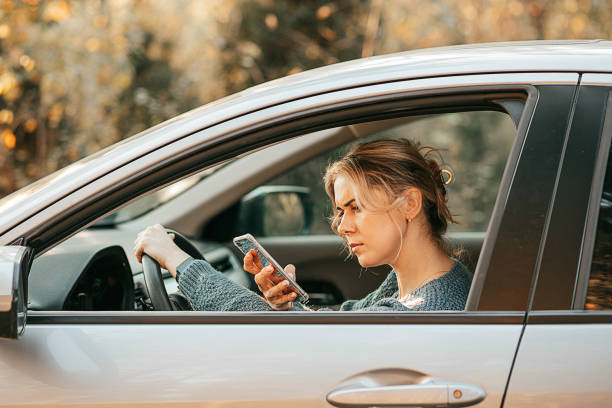
Unfortunately, modern distractions can interrupt this silent communication network. Drivers focused on their phones, pedestrians absorbed in earphones or travellers rushing from one destination to another may miss important signals unfolding around them. Many road incidents are not caused by a lack of driving ability. They occur because someone failed to notice what another road user was trying to communicate.
The most experienced motorists often speak about "reading the road". This goes beyond observing traffic signs or following rules. It involves understanding human behaviour. It means recognising hesitation in a pedestrian's movement, noticing when another driver appears uncertain, or sensing when traffic conditions are changing before they become a problem.
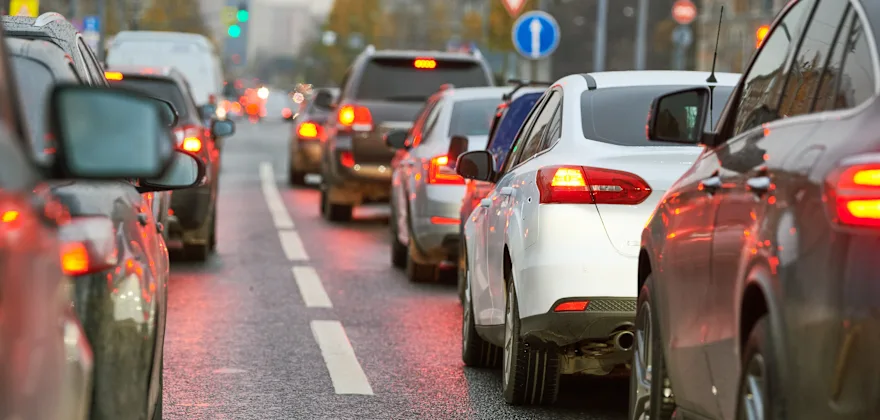
These observations happen in seconds, yet they can prevent conflict, reduce stress and improve safety for everyone.
As South Africans, we share roads that connect people from vastly different backgrounds, communities and experiences. While our vehicles may differ and our destinations may not be the same, we all rely on a common understanding that allows mobility to function.
The language of the road is not written in a handbook, and there are no formal lessons to teach it. It is learned through patience, observation and respect for those travelling alongside us.
When we pay attention to these small, everyday interactions, we do more than improve our own journeys. We help create a road culture built on awareness rather than assumption, cooperation rather than confrontation.
Because safer roads are rarely the result of one person doing something extraordinary. More often, they are built through thousands of ordinary moments where people choose to notice one another.
Safer roads are built together. Not through judgement. Through awareness, confidence, shared responsibility and learning.