By Aurelia Mbokazi-Kashe
There are moments in driving that feel small until they become stressful. A parking sign on a busy street. A confusing lane marking. A split-second uncertainty about whether the road ahead is turning, ending or carrying on. For many motorists, especially in unfamiliar areas, these are the moments where confidence disappears and hesitation takes over.

Volvo Cars and Google believe technology can help change that.
The two companies recently announced a world-first demonstration of Google Gemini vehicle camera integration in the upcoming Volvo EX60. With the driver’s permission, Gemini will eventually be able to interpret a vehicle’s surroundings in real time from the perspective of the car itself.
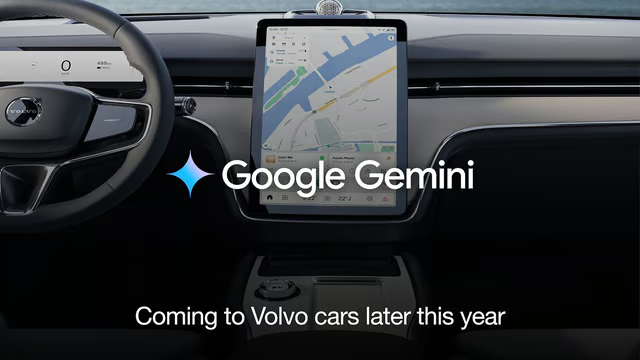
In practical terms, motorists could ask the vehicle to explain parking restrictions, interpret lane markings, recall road signs or provide information about landmarks and nearby places.
Parking offers one of the clearest examples. Instead of second-guessing whether a parking bay is time restricted, permit-only or paid parking, the system could read the sign and explain it clearly.
What makes this significant is not only the technology itself, but the direction it signals. For years, safety technology has focused on helping vehicles detect danger. Gemini points towards something more intuitive. Cars that do not simply alert drivers to risks, but help them better understand the road around them.
In South Africa, several brands already offer technologies that sit along this same safety innovation curve, although not yet at the same level of camera-based AI interpretation proposed by Volvo and Google.
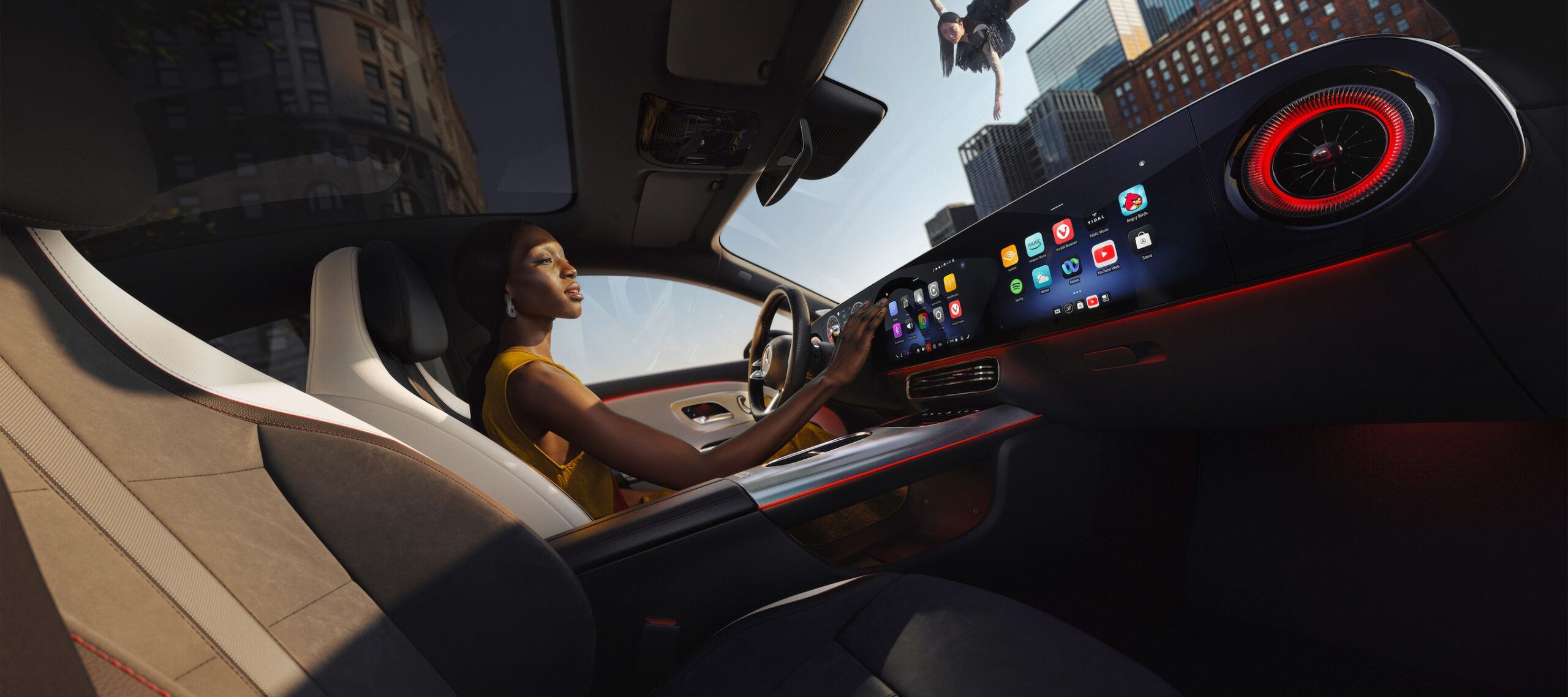
Mercedes-Benz offers MBUX Augmented Reality Navigation, which connects the virtual and real worlds by overlaying navigation information onto camera images to help drivers understand complex traffic situations more easily. This is especially relevant in cities where a simple instruction to “turn left” may not be enough when multiple lanes, slip roads and intersections arrive at once.
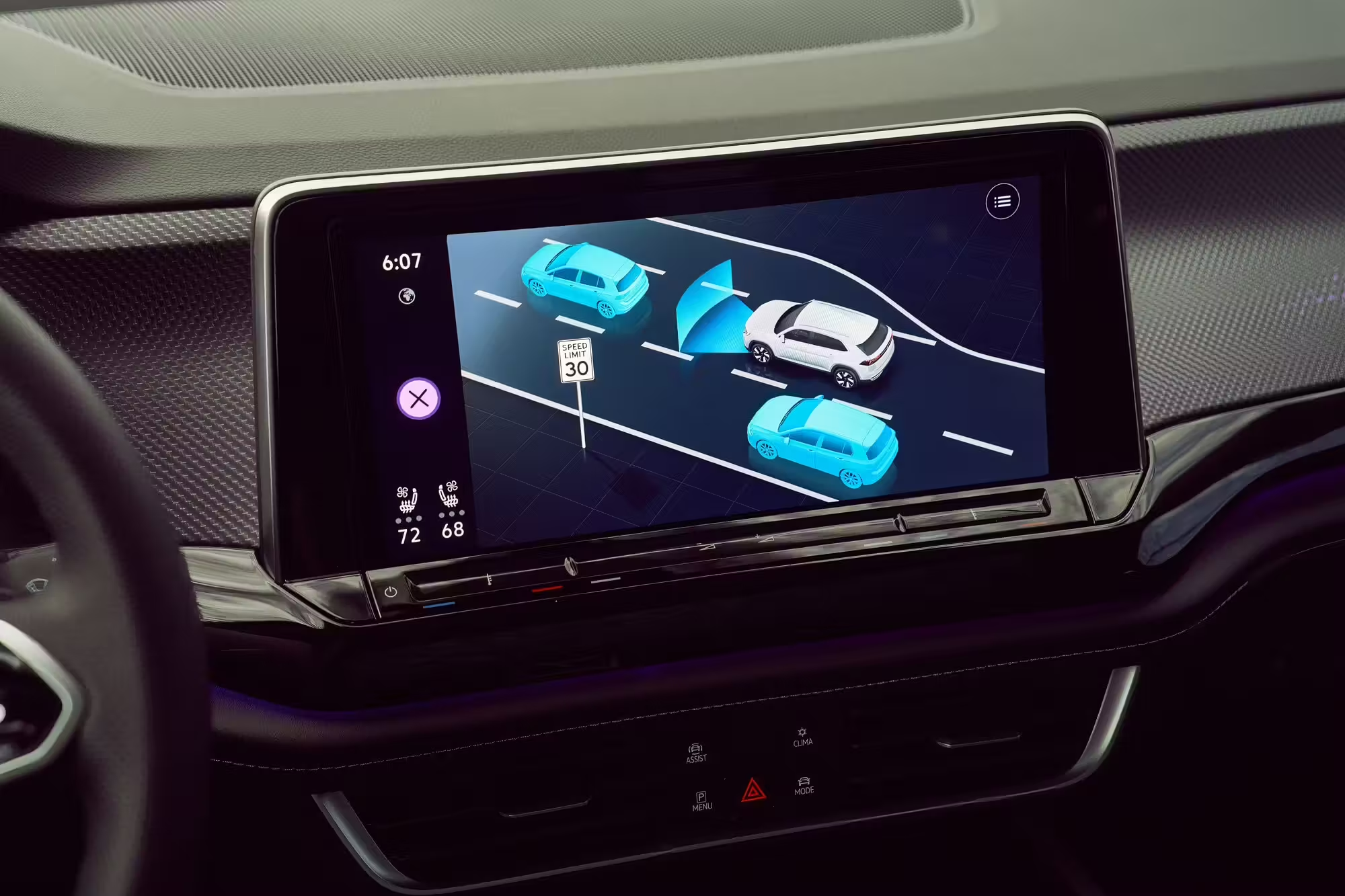
Volkswagen’s IQ.DRIVE suite, available across selected models in South Africa, brings together driver assistance systems such as Park Assist, Lane Assist and Front Assist with City Emergency Brake functionality. Volkswagen describes these systems as technologies designed for everyday situations such as parking, lane changing and accident prevention, while also positioning them as part of the broader journey towards autonomous driving.
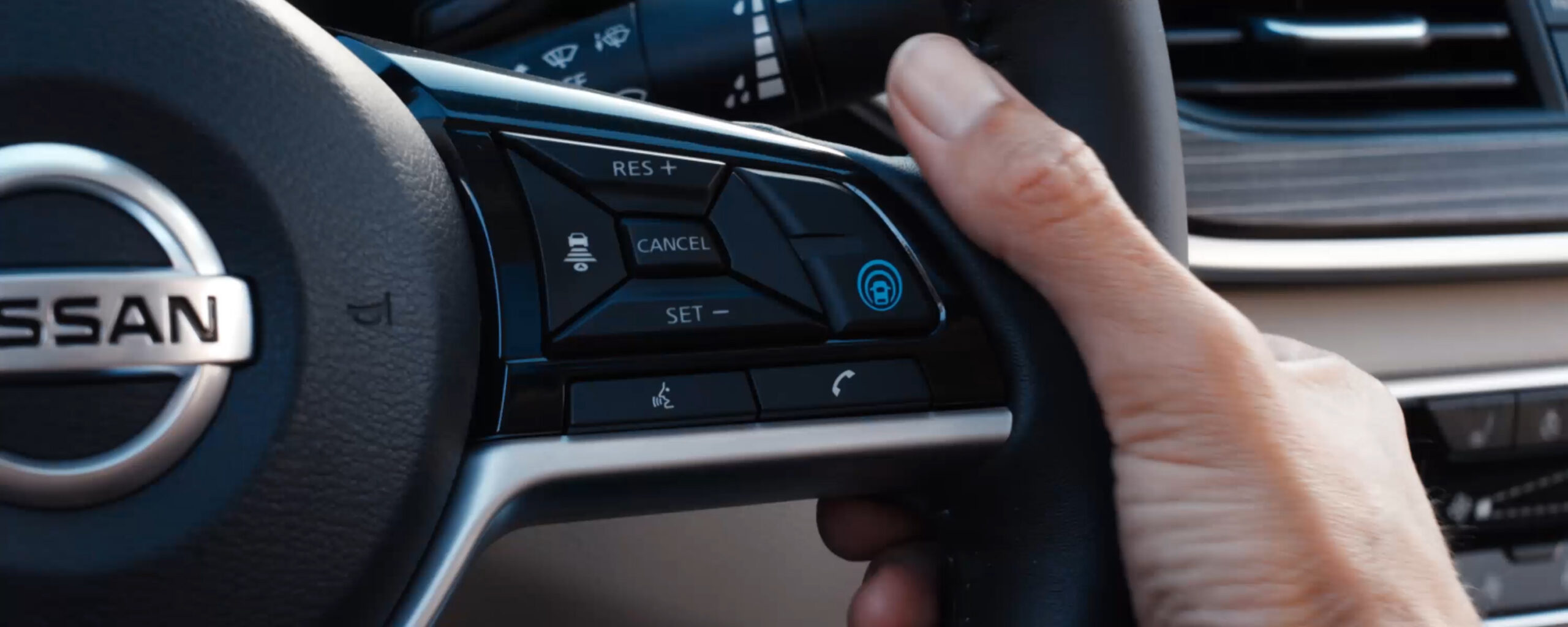
Nissan’s ProPILOT, available on selected grades such as the X-Trail, also reflects the direction in which assistance technology is moving. Importantly, Nissan states clearlyt hat ProPILOT cannot prevent collisions and that drivers remain responsible for controlling the vehicle at all times. That disclaimer matters because it reinforces one of the most important principles in modern safety technology: assistance is not replacement.
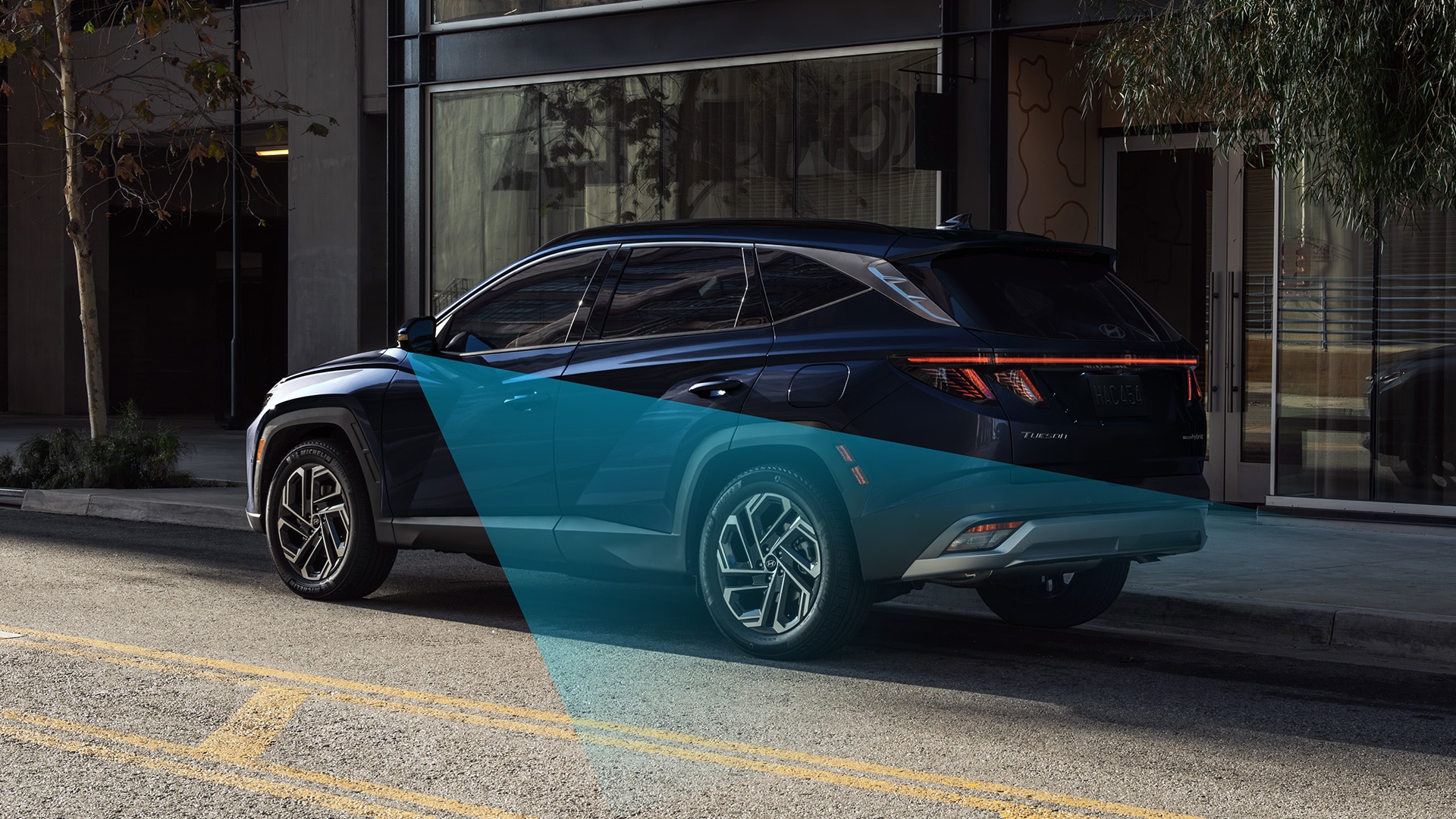
Hyundai’s SmartSense suite, available on models such as the Santa Fe Hybrid, includes features such as Blind Spot Collision Avoidance Assist, Blind Spot View Monitor, Lane Departure Warning, Lane Follow Assist, Driver Attention Warning, Forward Collision Avoidance Assist, Rear Cross Traffic Alert and Parking Collision-Avoidance Assist in reverse. These systems show how safety innovation is increasingly moving beyond airbags and braking systems into everyday decision support.
Toyota’s Safety Sense technology also forms part of this wider shift, with Toyota South Africa positioning active safety technologies around accident avoidance, vehicle motion control and peripheral surveillance support. In practical terms, the industry is moving towards cars that do more than protect occupants during a crash. They increasingly try to help prevent the conditions that lead to one.
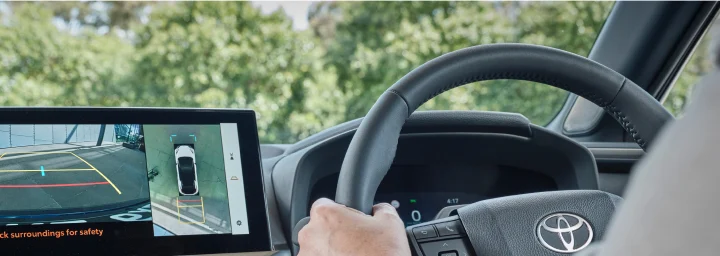
For motorists, the promise is appealing, but it must be understood carefully. Technology can help drivers park, navigate, stay in lane, detect blind spots and respond earlier to potential risks. It can also reduce some of the mental load that comes with driving in demanding environments. But no system removes the responsibility of being present, alert and engaged.
The future of mobility is not only about smarter cars. It is about smarter partnerships between people and technology. If a vehicle can one day help a driver understand whether they may park on a particular street, that is useful. If it can help decode a confusing sign, make navigation more natural or support awareness in a busy city, that is progress. But the driver still has to make the final decision, observe the surroundings and remain accountable for the journey.