By Staff Writer
There is a strange confidence that settles in when we drive roads we know well. It lives in the school run through Fourways on a busy morning in Johannesburg. It settles into that familiar drive between Midrand and Waterfall, where traffic behaves exactly as expected most days. It appears in the quick trip from your estate to collect dinner after along workday or the short drive to the local shopping centre because somebody at home suddenly remembered milk.

These are the roads we stop thinking about and that is sometimes exactly whereproblems begin.
Most South Africans approach long-distance travel differently. Before driving to Durban over the December holidays, many families plan carefully. Tyres are checked. Fuel stops are considered. Departure times are discussed to avoid heavy N3 congestion around Harrismith. Parents remind children about seatbelts, phones are charged and attention sharpens.
The same often happens before the Easter road trips to Limpopo, Mpumalanga or the Eastern Cape. Long journeys feel important enough to prepare for properly. Yet we do not apply the same principles when it comes to short trips.

The school run feels automatic, the route to the office feels routine and collecting takeaways after work feels ordinary. Familiarity creates comfort and comfort can quietly lead to complacency.
Human beings naturally relax in environments they know well. We rely more heavily on routine and attention drifts more easily. We become confident enough to operate on instinct rather than awareness.

The quick glance at a phone suddenly feels harmless because home is only two roads away. Reversing out of the driveway becomes faster because we have done it hundreds of times before. We approach intersections assuming traffic will behave exactly as it did yesterday.
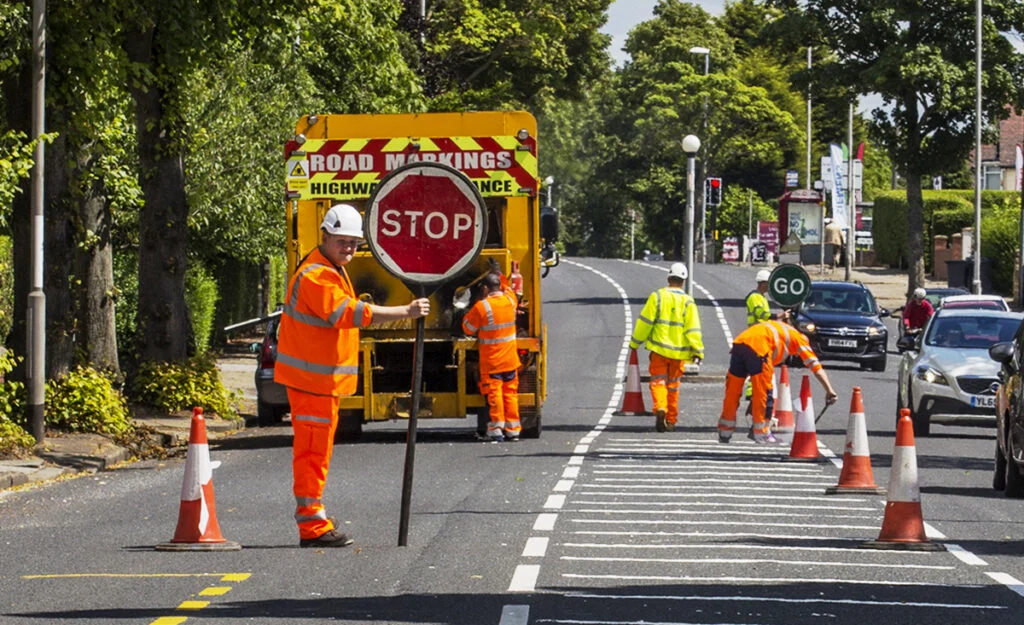
But South African roads change constantly. The child who used to walk beside a parent may now ride a bicycle independently around the neighbourhood. Traffic flow shifts when schools reopen after holidays. Municipal roadworks appear unexpectedly, and rains arrive after weeks of dry weather and suddenly, familiar roads behave differently. Missing traffic lights turn intersections into four-way stops and suddenly motorists have to be fully alert and courteous to each other, acknoweledging who came first and has aright of way.
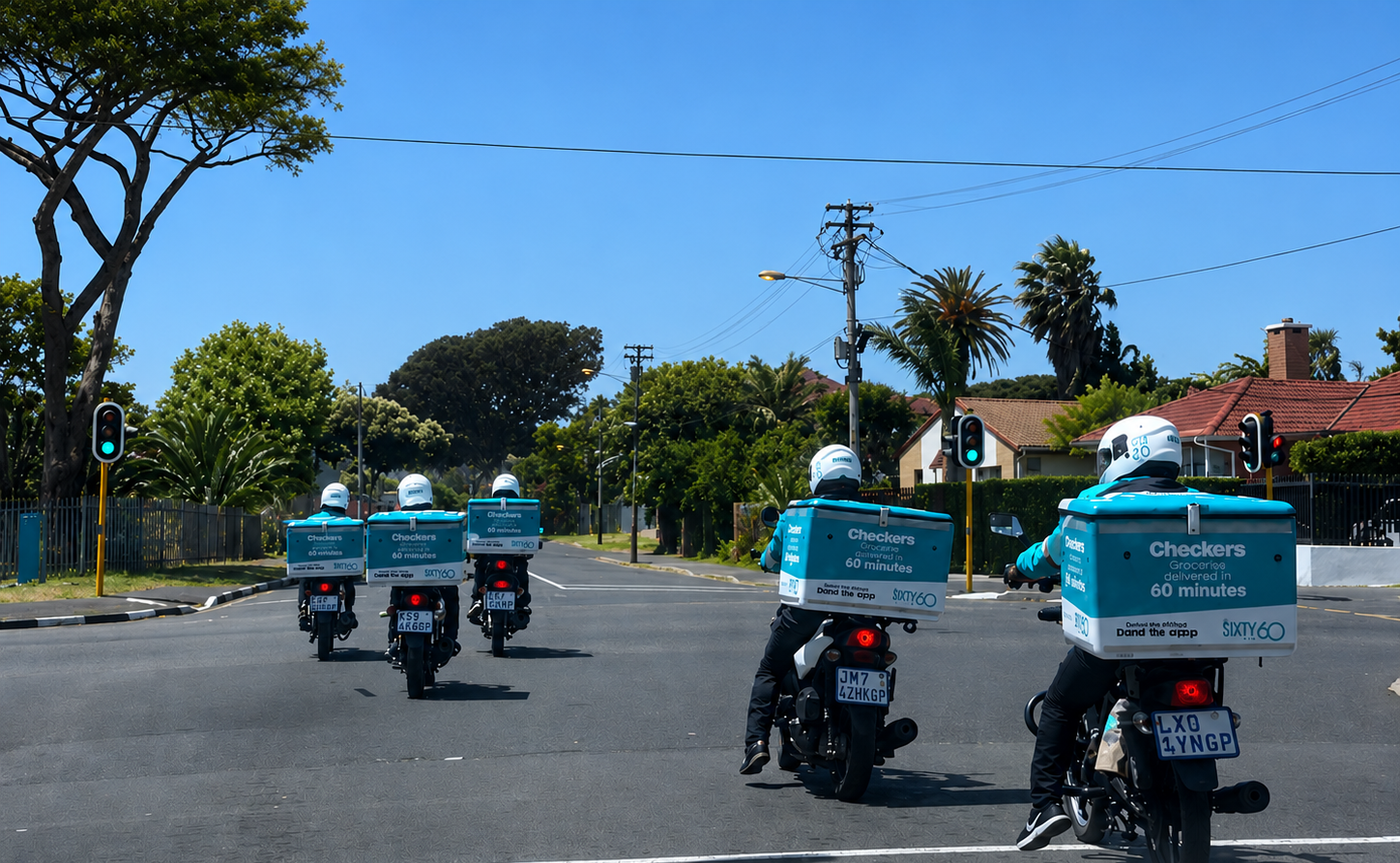
Anybody who drives regularly through parts of Johannesburg, Pretoria or Durban knows how quickly movement patterns change. A route that felt manageable six months ago can suddenly feel busier and less predictable today. Road users outside of vehicles also contribute to these instant changes. Lets face it, in recent years we’ve had to deal with a sudden influx of delivery riders who are always in a rush and do not seem to take road safety seriously. People jogging or cyclists can sometimes cross unexpectedly in quieter suburban streets, assuming that you are aware and consider their safety as a motorist. The pedestrian navigating movement around a taxi rank in Johannesburg CBD.
Road safety depends heavily on expecting the unexpected.
Familiar roads sometimes convince us we already know what comes next.
The truth is we do not.
Children absorb these behaviours more than we realise. Long before they hold a driver& licence, they learn mobility habits from the adults around them. They notice whether we stop completely at stop streets. They notice whether we check our phone sat traffic lights. They notice whether frustration changes how we drive.

Road safety conversations often focus on major incidents. Holiday road fatalities dominate headlines. Heavy weather warnings receive attention. Highway crashes spark important conversations around fatigue and speeding.
Those conversations matter. Holiday road fatalities deserve attention. Conversations around fatigue, speeding and dangerous weather conditions remain critically important, particularly during high-traffic periods such as Easter and December when South African roads carry significantly more pressure.
However, safer mobility often begins long before major travel plans are made. It starts much closer to home, inside the ordinary journeys that quietly shape our driving behaviour every day. It lives in the school run on a busy weekday morning. It appears during the quick supermarket trip after work. It sits inside the familiar drive home after a demanding day when concentration naturally begins to drift.

These smaller journeys rarely feel significant enough to demand our full attention, yet they are often the moments where routine quietly influences behaviour. Familiarity can create the illusion that because we know the road well, we no longer need to remain fully present.
Perhaps one of the simplest but most meaningful safety habits South Africans can build is learning to mentally arrive before physically moving. Taking a brief moment to reset before pulling away, putting distractions aside and approaching even familiar roads with intention can make an important difference.
Not because familiar roads are inherently dangerous, but because routine sometimes quietly convinces us that awareness matters less when we know where we are going.
South African roads ask something different from us. They ask us to remain present, alert and aware during every journey, regardless of distance. Because road safety does not only belong to long-distance travel.