By Staff Writer
Winter may feel like a slower season on many South African farms, but beneath the surface, the groundwork for the next harvest is already being laid.
Before tractors return to the fields and planting begins, there is one asset every farmer should pay attention to: the soil.
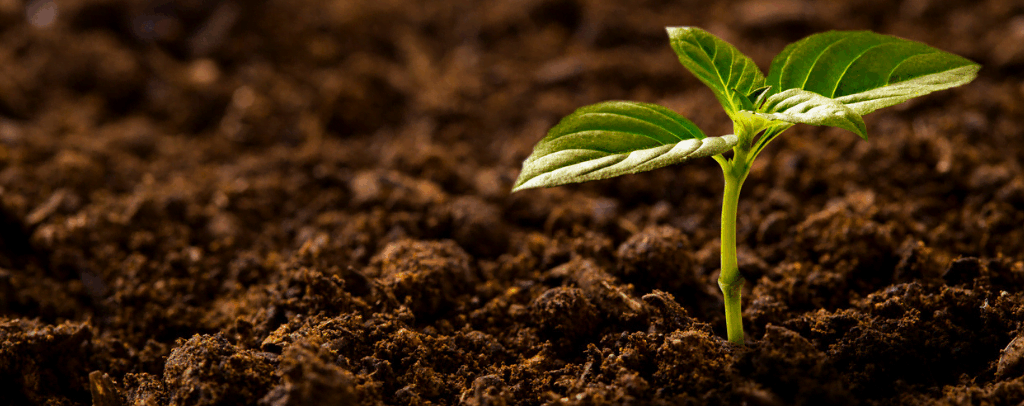
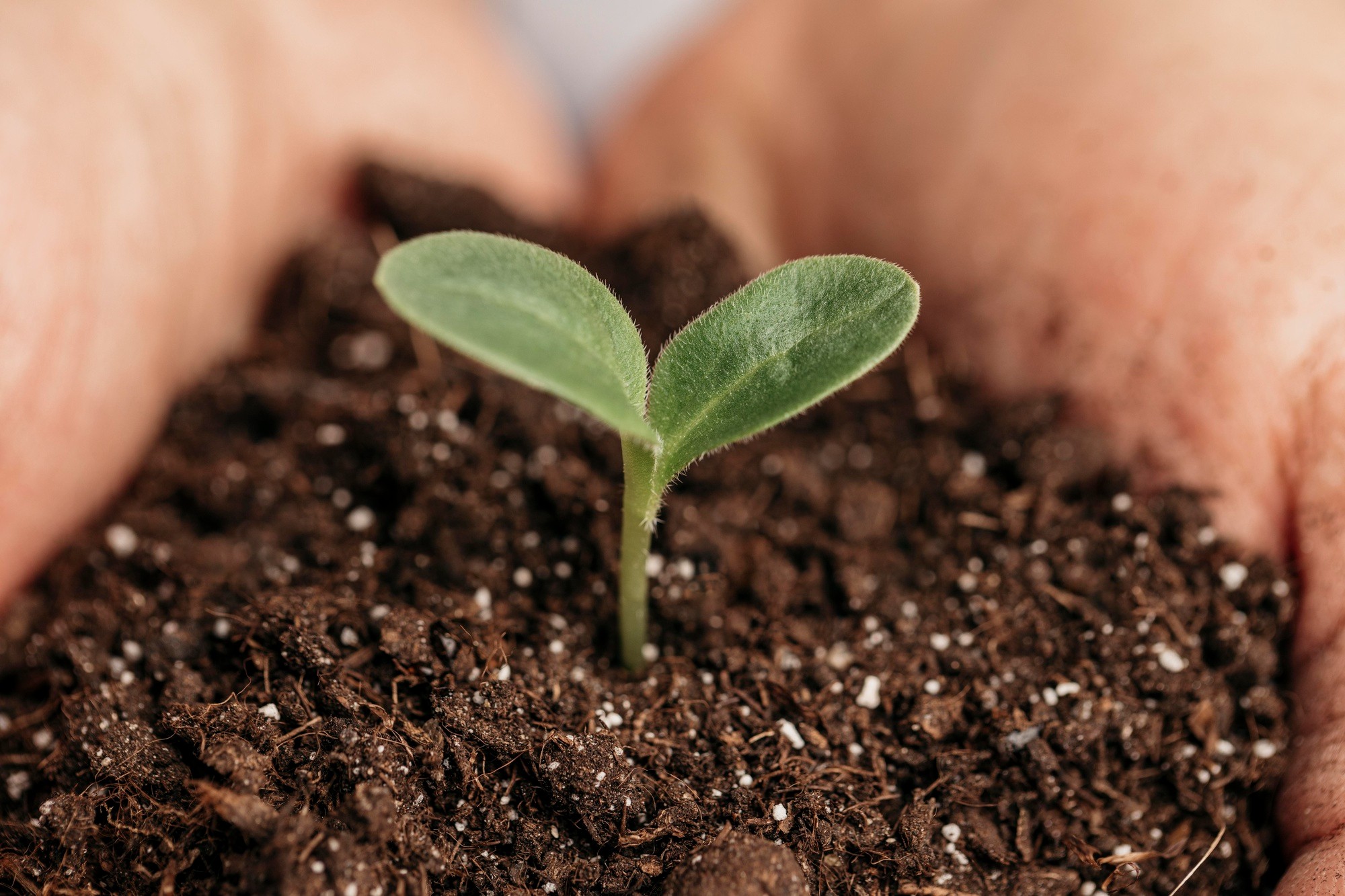
Healthy soil is the foundation of a successful crop. It influences everything from seed germination and water retention to nutrient uptake and final yields. Yet many farmers only discover a soil problem once crops are already struggling, when correcting it becomes far more expensive.
The good news is that winter provides the perfect opportunity to assess soil conditions and make improvements before the busy spring planting season arrives. A few simple checks now can help farmers make better decisions, avoid unnecessary costs and give crops the best possible start.
1. Test your soil's nutrient levels
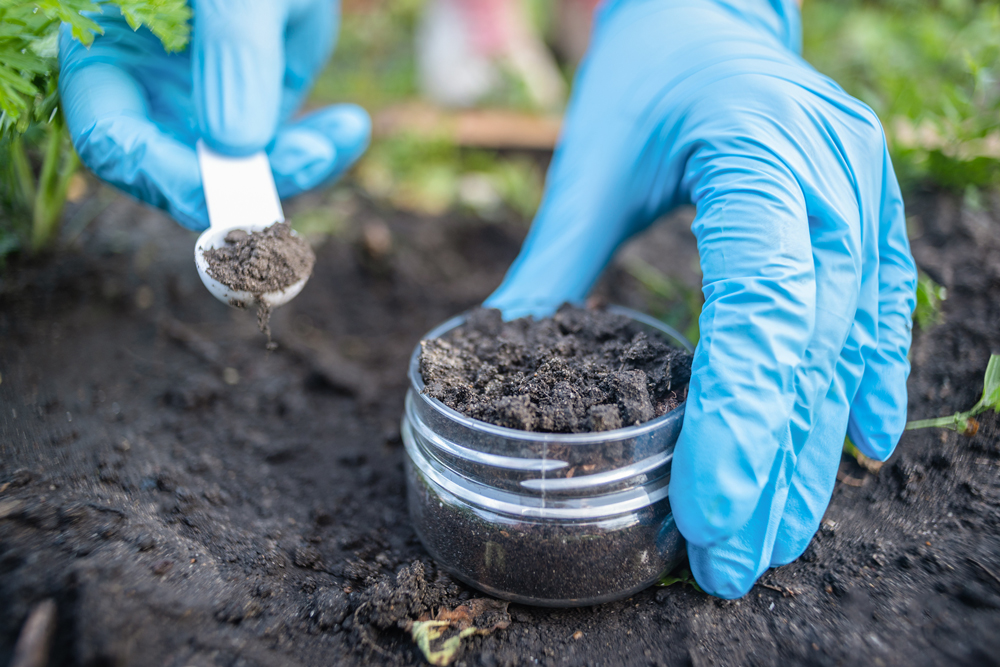
One of the most valuable investments a farmer can make before planting is a professional soil analysis.
A laboratory test provides a clear picture of the nutrients already present in the soil, as well as any deficiencies that need attention. Instead of applying fertiliser based on habit or guesswork, farmers can tailor applications to the actual needs of each field.
This not only improves efficiency but can also reduce input costs by preventing unnecessary fertiliser applications.
If you haven't tested your soil within the past two or three years, winter is an ideal time to collect samples before planning your fertiliser programme.
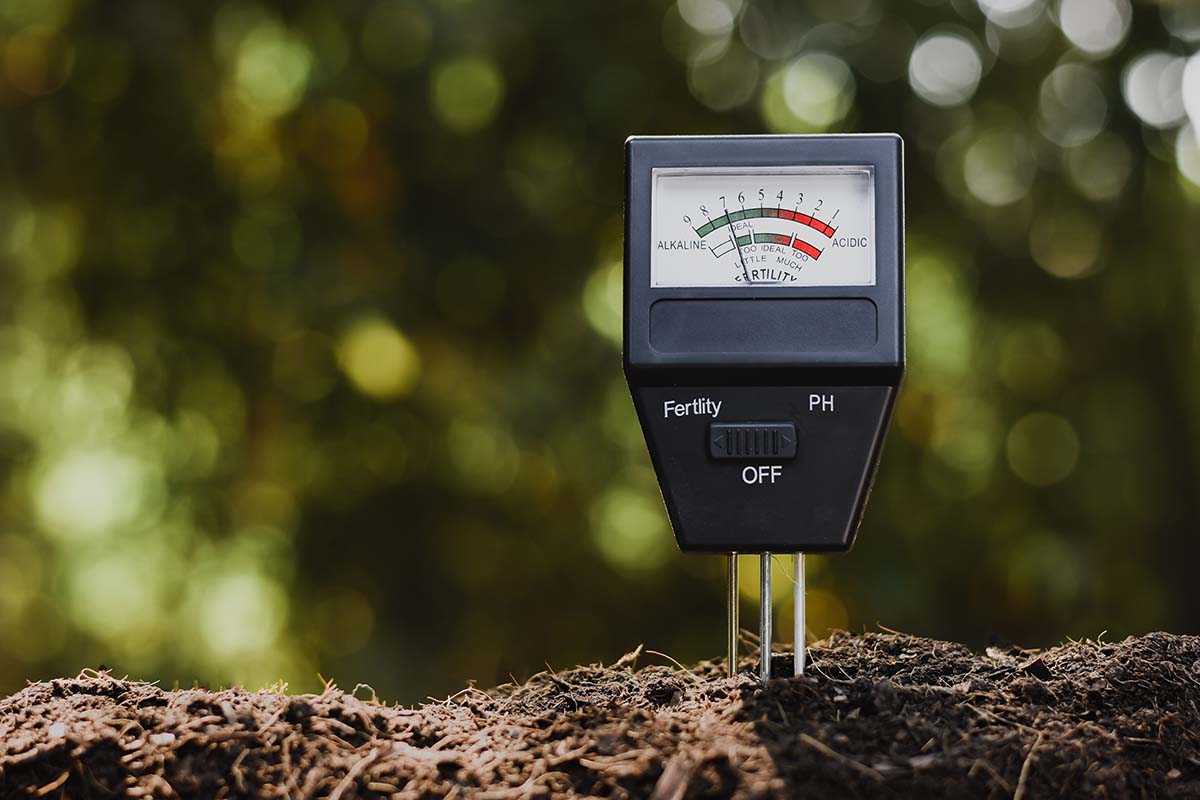
2. Check your soil's pH
Even when nutrients are present, crops cannot always access them if the soil's pH is out of balance.
Highly acidic or overly alkaline soils reduce the availability of essential nutrients, limiting plant growth and reducing the effectiveness of fertiliser applications.
A simple pH test can reveal whether corrective measures, such as applying agricultural lime, may be needed before planting.
Addressing pH issues well ahead of the season allows amendments time to work into the soil before crops are established.
3. Look for signs of compaction
Healthy roots need space to grow.
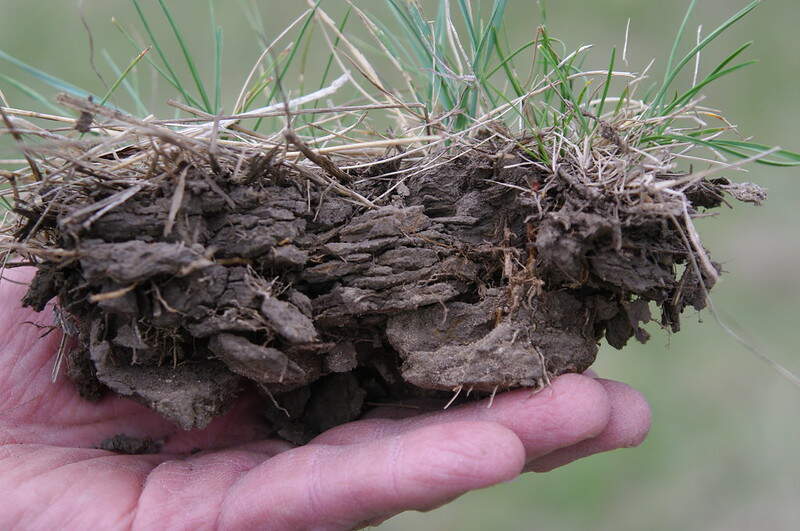
Over time, repeated machinery traffic, livestock movement and continuous cultivation can compact the soil, making it difficult for water, air and roots to penetrate.
Walk through your fields and inspect areas where water tends to pool after rain or where crops have historically struggled to establish. Digging a few inspection holes can also reveal hard layers beneath the surface.
If compaction is identified early, farmers have time to consider appropriate remedial actions before planting begins.
4. Check how well your soil holds moisture
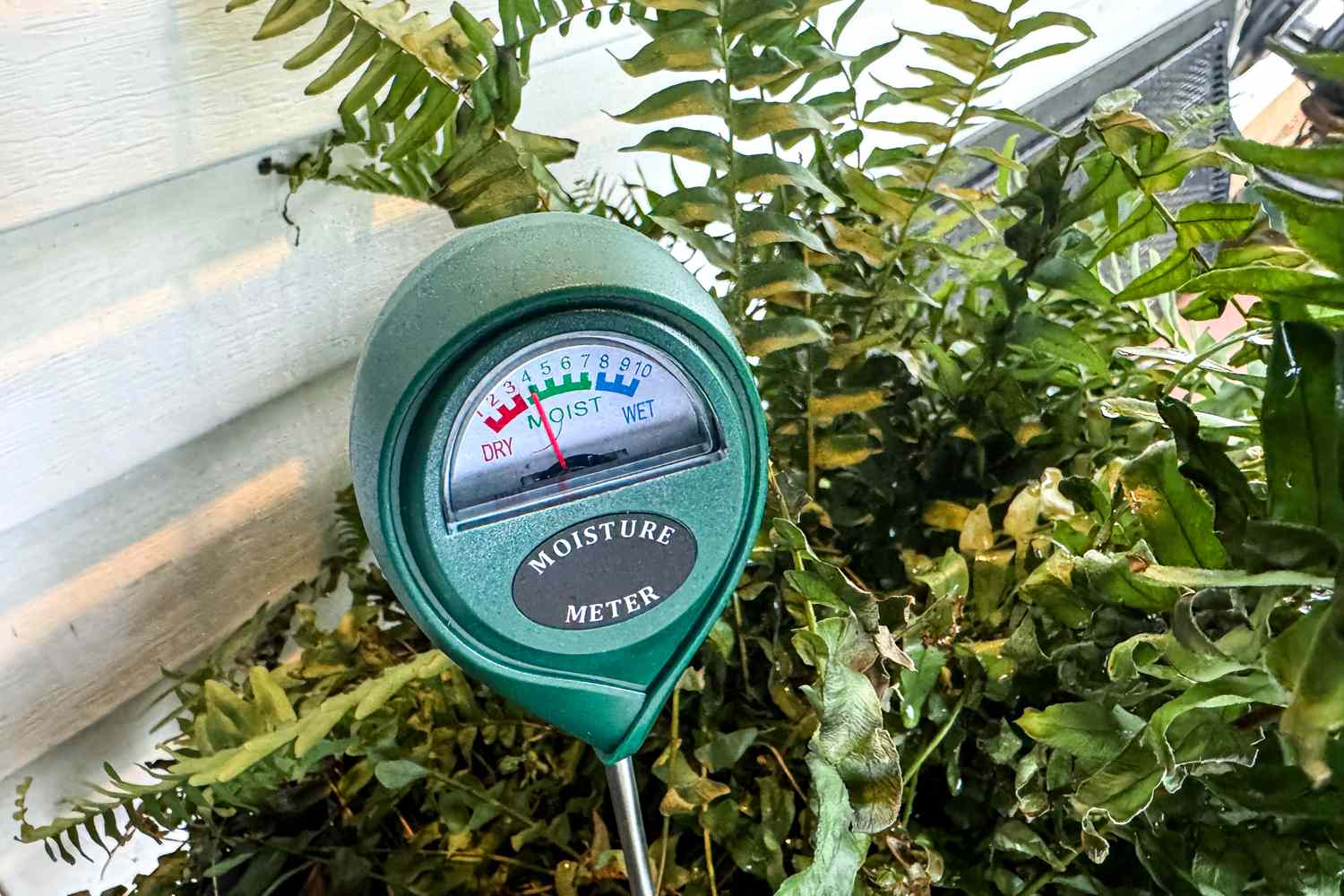
Water is becoming one of agriculture's most valuable resources, making it increasingly important to understand how your soil stores and retains moisture.
Soils rich in organic matter generally hold water more effectively, helping crops cope better during dry spells. Sandy soils, on the other hand, drain quickly and may require different management strategies.
Winter is a good time to assess whether fields would benefit from additional organic material such as compost or well-rotted manure to improve soil structure and moisture retention ahead of the growing season.
Every improvement made to soil health today strengthens its resilience for seasons to come.
5. Watch for erosion and declining soil health
Not every soil problem appears in a laboratory report.
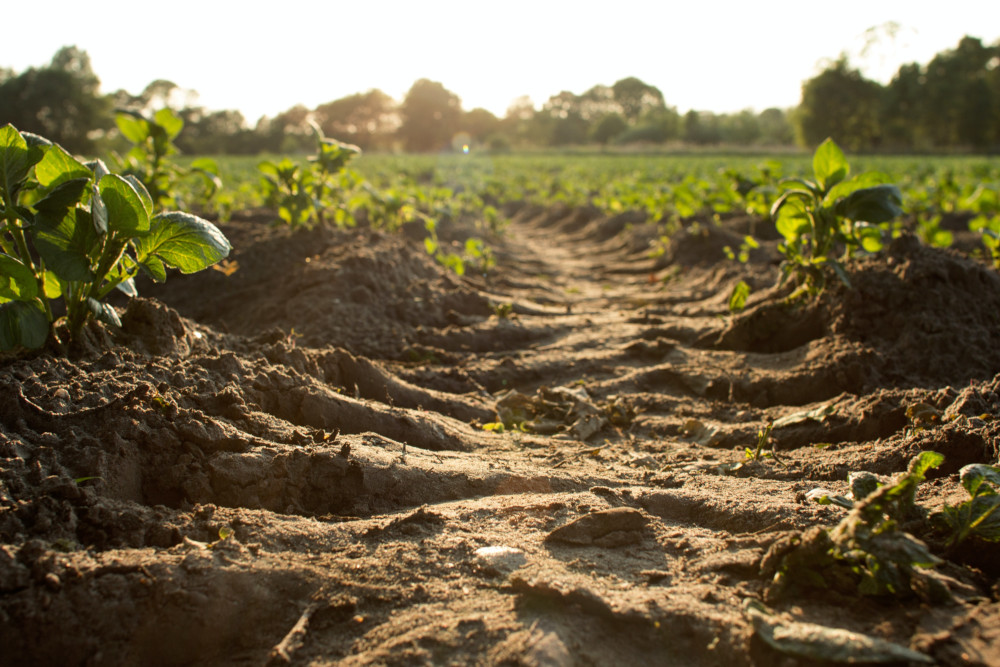
Take time to walk your fields and look for visible signs of erosion, exposed topsoil, poor ground cover or areas where water has washed valuable soil away. Also pay attention to declining earthworm activity, poor crop residue breakdown or patches where crops consistently underperform.
These warning signs often point to broader soil health issues that deserve attention before planting resumes.
Simple interventions such as maintaining ground cover, reducing unnecessary soil disturbance and incorporating organic matter can help protect one of the farm's most valuable resources.
Healthy soil pays dividends
It's easy to focus on seed, fertiliser and machinery as planting season approaches, but every successful crop starts with healthy soil.
The time spent assessing fields during winter is rarely wasted. Understanding nutrient levels, correcting pH, identifying compaction, improving moisture retention and protecting against erosion all contribute to stronger crops and more efficient use of expensive inputs.
No two fields are exactly alike, which is why good farmers avoid making assumptions. They let the soil tell its own story.
As spring draws closer, that story could become one of the most valuable guides for the season ahead.